Connect with us

eSports

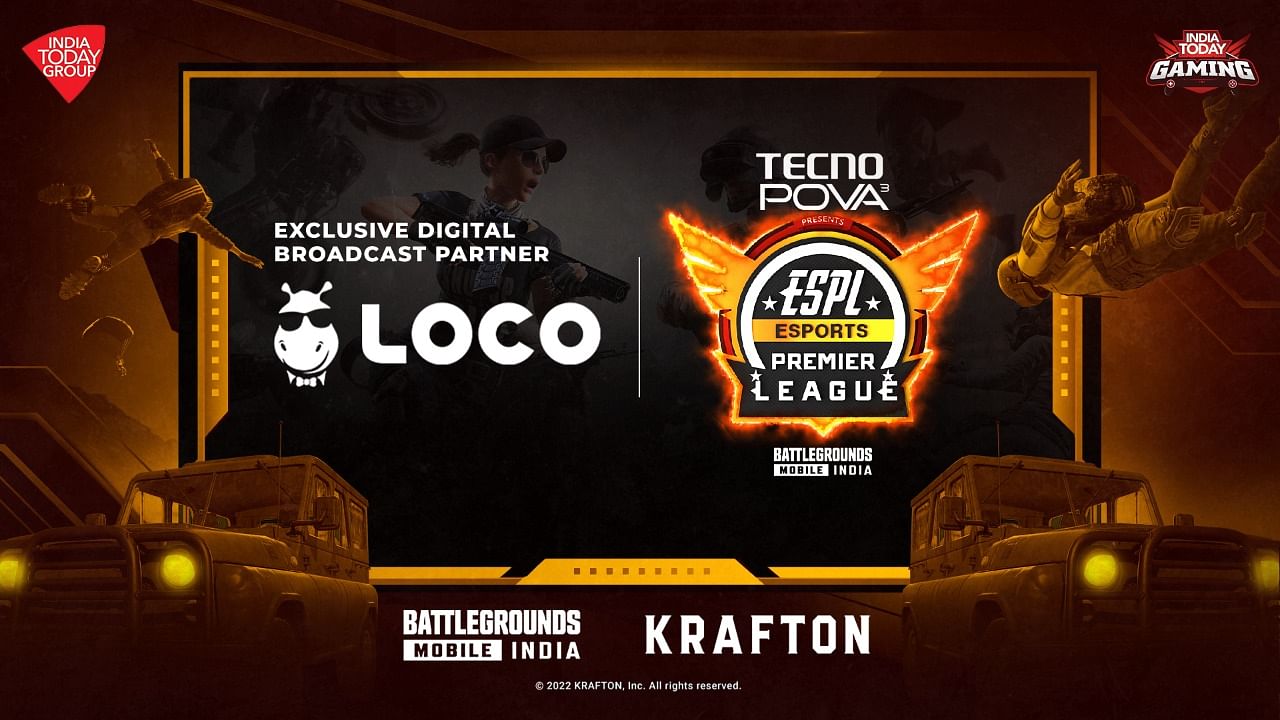
ESPL ropes in LOCO as Exclusive Digital Broadcast Partner for Season 2

Published

on

Reading Time: 2 minutes


Esports Premier League (ESPL) has roped in India’s leading gaming streaming platform, LOCO as its exclusive digital broadcast partner for the second season of the event which is fast gaining popularity.

All matches of the second season will be live-streamed exclusively on Loco’s app and website (loco.gg).

Loco is a virtual world of gaming communities that provides exclusive space to gaming creators and viewers. In the last few years, Loco has witnessed exponential growth. Daily active viewers have scaled by15x whereas monthly active viewers have seen 8x growth. Monthly active streamers have grown 5x times and live watch hours have scaled 78x times since January, 2021.

The Grand Finals of the league will be hosted via LAN event, making it the league’s first-ever offline Grand Finals.

Esports Premier League has already roped in global premium smartphone brand, TECNO Mobile as its presenting sponsor for the second edition of the country’s first franchise-based esports league. TECNO Mobile plans to promote its upcoming smartphone phone, TECNO Pova 3 through this league. The poised to launch smartphone will give a class-apart gaming experience to the users. It not only offers a super-fast processing speed but also comes with a massive battery.

This year’s league is set to engage esports athletes across the country in a high-voltage action of the most popular battle royale game, ‘BATTLEGROUNDS MOBILE INDIA (BGMI)’ and carries a massive prize pool of Rs. 1 crore.

Talking about the announcement of the league’s association with Loco, ESPL Director Vishwalok Nath said: “With shared values and a compelling gaming proposition, we are super excited to team up with India’s leading gaming streaming platform Loco.”

“We are pleased to be working together with the team to create interesting and engaging content for the esports fans and the community out there. We are always keen to associate with brands that share the same passion for esports as us and are looking forward to a fruitful association.”

According to a recent FICCI-EY media and entertainment report 2022, content creation and concurrent viewership around gaming saw a massive surge in India and there is also a meteoric rise in esports viewership, from 600,000 hours in 2020 to 2 million hours in 2021.


Commenting on the partnership, Ashwin Suresh, Founder, Loco, said, “Loco will play a pivotal role in growing the fanbase for ESPL and providing yet another entertaining experience for the Indian gaming community. As the exclusive broadcast partner for the league, we will provide fans with tons of exclusive content and a chance to interact with their favourite streamers. We’re excited to partner with the India Today Group on this landmark esports league as we continue to actively support the growth of the esports ecosystem in India.”

Highly active users spend over one hour daily on Loco, making it the gaming community’s platform of choice for a seamless streaming and highly engaging fan experience.

The league will be played in two separate stages in the initial phase—online qualifiers and invitational qualifiers—to shortlist the top 16 teams. The first 12 teams, top-2 teams from the open qualifiers and top-10 teams from the invitational qualifiers, will progress directly into the finals.

The teams ranked from 3 to 10 (7 teams) in the online qualifiers and teams ranked from 11 to 18 from invitational qualifiers will compete for the other two spots available in the finals. The upcoming edition of India’s premier esports league, ESPL has already kick-started their online qualifiers.

Powered by WPeMatico

Continue Reading
Advertisement

B2B iGaming

Logifuture Joins Forces with BetConstruct AI to Expand Virtual Sports

Published

on

logifuture-joins-forces-with-betconstruct-ai-to-expand-virtual-sports

Logifuture, a leading B2B provider of virtual sports and instant gaming solutions, has announced a strategic partnership with BetConstruct AI, a global iGaming platform powering hundreds of operators worldwide. This collaboration integrates Logifuture’s flagship products, Zoom Sports and Simulate, into BetConstruct AI’s platform, significantly expanding access to innovative engagement tools for operators.

Expanding Global Reach

The partnership enables operators to offer next-generation virtual sports and instant betting solutions, enhancing player activity and generating incremental revenue.

  • Zoom Sports delivers ultra-realistic virtual football and tennis events in both full-length and turbo formats, offering thousands of daily betting opportunities.

  • Simulate allows players to instantly simulate the outcome of betslips, removing waiting times and creating immediate engagement.

These tools extend player retention, increase betting activity beyond live events, and create cross-sell opportunities across the BetConstruct AI network.

Innovation at the Core

Both Logifuture and BetConstruct AI prioritize innovation and product differentiation, helping operators stand out in a highly competitive market.

Niccolò Cassettari, Chief Business Development Officer at Logifuture, commented:
“Partnering with BetConstruct AI is a major step forward. Their global reach makes them the ideal partner to scale Zoom Sports and Simulate worldwide. This collaboration is just the beginning of a long-term partnership to deliver new experiences and stronger operator performance.”

Looking Ahead

The partnership will focus on expanding distribution, delivering new gaming experiences, and introducing innovative products to keep players engaged while helping operators grow revenue worldwide.

The post Logifuture Joins Forces with BetConstruct AI to Expand Virtual Sports appeared first on Eastern European Gaming | Global iGaming & Tech Intelligence Hub.
Continue Reading

betting innovation

Bet It Drives S4 Finale: Oddin.gg’s Marek Suchar on Esports Betting

Published

on

bet-it-drives-s4-finale:-oddin.gg’s-marek-suchar-on-esports-betting

The global esports betting industry continues to evolve at a remarkable pace, and one of the sector’s most influential voices has recently shared key insights into where the market is heading.

In the latest episode of Bet It Drives, Marek Suchar, Co-Founder and Managing Director of Partnerships at Oddin.gg, joined host Yevhen Krazhan to discuss the realities, challenges, and future opportunities shaping esports betting.

Recorded during the ICE event in Barcelona, Season 4 Episode 4 brings together two experienced industry figures for a candid discussion about the mechanics behind esports wagering. Suchar, who helped transform Oddin.gg from a small startup founded by four partners into a global B2B infrastructure provider for esports betting, offered a detailed perspective on the sector’s growth, integrity requirements, and regulatory future.

A Look Inside the Esports Betting Ecosystem

Esports betting has quickly moved from a niche vertical to one of the most dynamic areas of the online betting ecosystem. Oddin.gg has played a critical role in this development by offering odds feeds, trading tools, and risk management solutions to betting operators around the world.

During the conversation, Suchar explained how advanced monitoring systems help identify suspicious betting patterns in real time. As esports wagering continues to scale globally, integrity monitoring and data analysis have become essential tools for protecting both operators and players.

He emphasized that the future success of esports betting will depend heavily on transparency, robust data management, and strong cooperation between operators, regulators, and technology providers.

Addressing Industry Challenges

The podcast also tackled some of the uncomfortable realities facing the iGaming sector. Suchar spoke openly about what he believes the industry often gets wrong when it comes to esports betting.

One of the key issues he highlighted was the misunderstanding of esports by traditional betting stakeholders. While esports audiences are digital-native and highly engaged, many operators still attempt to apply conventional sports betting strategies without adapting to the unique dynamics of competitive gaming.

Suchar stressed that esports requires specialized infrastructure, data expertise, and an understanding of the communities surrounding the games themselves.

He also addressed strict internal policies around betting within odds and trading providers, explaining that integrity protocols and compliance standards are essential in ensuring fair markets and preventing conflicts of interest.

Market Growth and Global Opportunities

One of the most striking points in the discussion was Suchar’s estimate of the potential size of the esports betting market. According to him, the global esports betting handle could approach $100 billion, highlighting the enormous commercial potential of this rapidly expanding sector.

The conversation explored which regions are most likely to emerge as the largest regulated markets for esports betting. As regulatory frameworks evolve across Europe, Latin America, and parts of Asia, new opportunities are opening for operators that are prepared to integrate esports properly into their product offerings.

Suchar noted that future growth will largely come from markets that combine strong esports fan bases with clear regulatory structures and advanced digital betting ecosystems.

Entertainment Meets Industry Insight

In addition to serious discussions about market development, the episode also maintains the playful format that Bet It Drives has become known for.

Suchar participated in the segment “Confess or Call,” spinning a wheel that led to a humorous prank acquisition call where he jokingly suggested Oddin.gg might explore purchasing esports organizations NAVI and Vitality.

The lighthearted moment added entertainment value while reinforcing the informal and candid style of the podcast.

A Season Focused on Industry Truths

Season 4 of Bet It Drives has focused heavily on honest discussions about the realities of the iGaming industry. Earlier episodes featured prominent figures such as:

  • Cedomir Tomic of Alea
  • Oleksandr Feshchenko of GR8 Tech
  • Akhil Sarin discussing marketing strategies at Stake
  • Max Krupyshev exploring crypto risks and trust within gaming ecosystems

The final episode with Marek Suchar closes the season by focusing on the infrastructure layer that powers esports betting growth.

Why Esports Betting Matters for Operators

For sportsbook operators, the esports vertical represents a massive opportunity to engage younger audiences and diversify betting products. However, the conversation in this episode highlights that success requires more than simply adding esports markets.

Operators must invest in specialized technology, integrity monitoring, and partnerships with providers that understand the esports ecosystem.

Suchar’s insights reinforce a growing consensus across the industry: esports betting is no longer experimental. It is rapidly becoming a central pillar of the digital betting economy.

As esports audiences continue to grow and regulatory frameworks mature, the companies building reliable infrastructure today are likely to shape the industry’s future.


Authority Source (Similar Content)

A leading authority covering esports betting and market growth is ESPN Esports.
You can read related coverage here: https://www.espn.com/esports

This article explores the expansion of esports betting markets and the increasing role of technology providers and operators in shaping the sector.

Watch media coverage: youtube.com/watch?v=V2KQQ8BIf30&feature=youtu.be

The post Bet It Drives S4 Finale: Oddin.gg’s Marek Suchar on Esports Betting appeared first on Eastern European Gaming | Global iGaming & Tech Intelligence Hub.

Continue Reading

Brasil

Brasil ante una encrucijada: match-fixing e impuesto rechazado

Published

on

brasil-ante-una-encrucijada:-match-fixing-e-impuesto-rechazado

El debate sobre el proyecto de ley brasileño contra el match-fixing de partidos dominó los titulares esta semana, exponiendo fracturas políticas más profundas sobre cómo el sector de las apuestas encaja dentro de las prioridades más amplias de política pública.

En un resultado políticamente negociado en la Cámara de Diputados, los legisladores avanzaron el paquete más amplio de seguridad pública mientras eliminaban un impuesto propuesto a los operadores de apuestas, comúnmente denominado “Cide-Bets”.

Introducido originalmente por el Senado, el mecanismo Cide-Bets habría impuesto un gravamen adicional sustancial — estimado en aproximadamente R$30.000 millones anuales — sobre los ingresos de las apuestas deportivas, destinado a financiar iniciativas de combate al crimen.

Su eliminación refleja una división estructural entre las ambiciones de seguridad pública y la cautela fiscal.

Si bien existe impulso político para fortalecer la legislación contra el crimen y las salvaguardas de integridad, persiste una clara resistencia a imponer mayores cargas tributarias a un mercado recientemente regulado que aún se encuentra en fase de consolidación.

El resultado ha generado interpretaciones contrapuestas.

Los defensores del impuesto original argumentaban que un sector de esta magnitud debería contribuir directamente al financiamiento de la seguridad pública.

Los críticos — incluidos sectores influyentes del ‘Centrão’ — consideraron la medida desproporcionada, advirtiendo que podría restringir la competencia, reducir el atractivo del mercado y, en última instancia, desviar la actividad hacia operadores offshore o no autorizados.

Para la industria, el mensaje es matizado.

La vía regulatoria sigue siendo operativa y políticamente viable; sin embargo, la dimensión fiscal de la regulación de las apuestas está lejos de resolverse.

Es probable que la tributación reaparezca como un punto central de tensión política a medida que se acerque el ciclo electoral de 2026 y aumenten las presiones sobre el gasto público.

Protección del jugador en el foco: autoexclusión y dinámicas de fraude

Más allá de la tributación, la arquitectura de protección al jugador en Brasil enfrenta un escrutinio creciente — no por ausencia regulatoria, sino por fricciones operativas y respuestas conductuales no previstas.

Tres meses después del lanzamiento de la Plataforma Centralizada de Autoexclusión del Gobierno Federal — operativa desde el 10 de diciembre de 2025.

O sea, lo que fue diseñado como un mecanismo unificado de mitigación de riesgos comienza a mostrar señales de explotación oportunista.

Según datos del Ministerio de Hacienda, más de 217.000 solicitudes de autoexclusión habían sido registradas a inicios de 2026, lo que indica un alto nivel de participación de los usuarios.

Sin embargo, operadores licenciados reportan un patrón emergente en el cual algunos apostadores presuntamente realizan apuestas de alto riesgo en el intervalo entre la solicitud de exclusión.

La implementación efectiva del bloqueo de la cuenta — proceso que la regulación permite ejecutar en un plazo de hasta 72 horas.

Una vez materializadas las pérdidas, se estarían presentando solicitudes de reembolso bajo el argumento de que el acceso debió haber sido suspendido de inmediato tras el registro.

Expertos jurídicos del sector advierten que esta brecha temporal está siendo instrumentalizada como una forma de arbitraje regulatorio, transformando efectivamente una herramienta de protección del consumidor en una estrategia de reembolso.

Las consecuencias incluyen:

– Pérdidas financieras para operadores licenciados
–  Aumento de reclamaciones ante autoridades de defensa del consumidor (Procon)
– Crecimiento de litigios bajo la legislación de consumo
–  Mayor incertidumbre jurídica y operativa

Gustavo Biglia, especialista regulatorio de Ambiel Bonilha Belfiore Teixeira Hanna Advogados, ha caracterizado el fenómeno como un caso de riesgo moral, en el cual un mecanismo diseñado para proteger a jugadores vulnerables es reutilizado para reclamaciones financieras oportunistas.

El problema estructural más amplio radica en la asimetría regulatoria.

La plataforma centralizada se aplica exclusivamente a operadores autorizados integrados al marco regulado brasileño.

Los sitios offshore ilegales permanecen completamente al margen.

Como resultado:

– Los operadores licenciados asumen costos de integración, exposición de cumplimiento y riesgo reputacional
– Los operadores ilegales continúan operando sin obligaciones equivalentes de bloqueo ni presión efectiva de supervisión

Este desequilibrio podría incentivar la migración hacia plataformas no licenciadas, socavando directamente el objetivo político de canalizar la actividad hacia entornos supervisados.

Además, el marco regulatorio brasileño concedió un período de adaptación sistémica de 90 días para la integración técnica de los operadores.

Sin embargo, se estarían presentando reclamaciones por transacciones realizadas dentro de esta ventana transitoria, lo que sugiere no una falla regulatoria, sino una explotación deliberada del calendario de implementación.

La controversia revela una tensión más profunda: la infraestructura de juego responsable se expande rápidamente.

Pero sin una aplicación sincronizada contra operadores ilegales y sin integración técnica en tiempo real, las herramientas bien intencionadas pueden convertirse en fuentes de fricción y exposición legal.

El debate ya no gira en torno a si Brasil cuenta con mecanismos de protección al jugador.
La cuestión es si dichos mecanismos son técnicamente resilientes, jurídicamente calibrados y competitivamente equilibrados.

SBC Summit Rio 2026: madurez del mercado y realidad operativa

En medio de estos debates políticos, el SBC Summit Rio 2026 — que se celebrará del 3 al 5 de marzo en Riocentro, Río de Janeiro — se perfila como el principal encuentro del sector este año.

A diferencia de ediciones anteriores, centradas en señalar oportunidades, esta edición se posiciona como una plataforma para el diálogo operativo y la resolución práctica de problemas.

SBC y sus socios han vinculado explícitamente la agenda a la gobernanza del juego responsable, desafíos operativos como el control del fraude en sistemas de pago instantáneo como PIX, cumplimiento publicitario y escenarios regulatorios futuros.

Una alianza estratégica con el Instituto Brasileño de Juego Responsable (IBJR) refuerza esta orientación, alineando la defensa del juego responsable con los objetivos más amplios de la industria y manteniendo en el centro del debate la protección del jugador y el combate al mercado ilegal.

Cientos de operadores, proveedores y reguladores estarán presentes.

Empresas internacionales de tecnología y plataformas como InPlaySoft y presentaciones de innovación en IA como BetConstruct AI ya confirmaron su participación, señalando que la tecnología, los datos y las estrategias de integración serán ejes centrales de la conversación.

La estructura del evento — que abarca liderazgo, pagos, estrategia de afiliados y espacios de networking — refleja un mercado en transición desde el optimismo regulatorio hacia el realismo comercial.

Tendencias subyacentes y mercado ilegal

Mientras el sector regulado desarrolla infraestructura y diálogo institucional, el mercado ilegal continúa siendo un desafío, con esfuerzos de fiscalización aún en evolución.

Brasil ya ha invertido en marcos tecnológicos — como laboratorios cibernéticos y acciones coordinadas entre agencias — para bloquear sitios no autorizados y reforzar redes de cumplimiento.

Sin embargo, el fraude y las operaciones ilegítimas continúan distorsionando la percepción de seguridad y eficacia.

E incluso pueden estimular la demanda de plataformas offshore, donde procesos de registro rápidos y controles laxos atraen a ciertos segmentos de apostadores.

La tensión es clara: las estructuras de supervisión y protección deben superar la agilidad de los operadores no autorizados, o correrán el riesgo de perder cuota de mercado y confianza del jugador.

Lo que esto significa hacia adelante

La convergencia de acontecimientos esta semana — volatilidad legislativa, debates sobre protección y una cumbre global de la industria — ofrece una instantánea de un mercado en proceso de maduración, aunque todavía inestable:

– Políticamente, reguladores y legisladores buscan preservar el marco regulatorio, pero son cautelosos ante la sobrecarga fiscal y los efectos no intencionados.

-Operativamente, herramientas como la autoexclusión y la protección de identidad están bajo presión, revelando brechas en la interacción entre seguridad, fraude y comportamiento del jugador.

-Estratégicamente, el SBC Summit Rio ofrece una oportunidad para alinear prioridades prácticas, desde gobernanza hasta infraestructura impulsada por IA, y definir una agenda compartida para 2026.

En esencia, el mercado de apuestas en Brasil no solo está creciendo — está siendo sometido a una prueba de resistencia en tiempo real.

La respuesta de operadores, reguladores y actores políticos en los próximos meses determinará no solo las trayectorias de ingresos, sino también la legitimidad y resiliencia de todo el ecosistema.

La fase de luna de miel ha terminado.

La fase de consolidación ha comenzado.

Y la manera en que se gestione esta transición definirá si Brasil se convierte en un modelo de regulación a gran escala o en un estudio de caso de aceleración prematura.

El Ministerio del Deporte de Brasil publica guía sobre eSports

En paralelo a los debates sobre tributación, integridad y protección al jugador, el Ministerio del Deporte de Brasil ha elevado formalmente a los eSports dentro del marco de política pública nacional mediante la publicación de su nueva guía institucional sobre deportes electrónicos.

Aunque el documento tiene un tono educativo, su relevancia política no debe subestimarse.

Por lo tanto, al definir los eSports dentro de un contexto oficial de política pública, el gobierno envía una señal de reconocimiento regulatorio y legitimidad sectorial a largo plazo.

Esto es relevante por tres razones.

Primero, refuerza la convergencia entre el gaming competitivo y los mercados regulados de apuestas.

A medida que madura el ecosistema brasileño de apuestas deportivas, las apuestas en eSports representan una vertical estructuralmente atractiva: audiencias digitales, alta frecuencia de interacción y potencial de monetización multiplataforma.

Un marco institucional más claro reduce ambigüedades legales y fortalece el argumento a favor de una supervisión estructurada.

Segundo, posiciona al Ministerio del Deporte — y particularmente a la Secretaría de Apuestas Deportivas y Desarrollo Económico del Deporte — como arquitecto activo de nuevas verticales deportivas digitales, sugiriendo que los eSports podrían integrarse progresivamente en discusiones sobre monitoreo de integridad, prevención de amaños y supervisión de mercados de apuestas.

Tercero, la guía contribuye a reequilibrar la narrativa.

En un momento en que el debate sobre apuestas suele centrarse en controversias fiscales y casos de fraude, el reconocimiento formal de los eSports destaca la dimensión de innovación y desarrollo económico del ecosistema.

En términos estratégicos, la publicación no altera de inmediato la mecánica del mercado.

Pero, fortalece la base institucional de un sector que probablemente ganará relevancia creciente para operadores, reguladores e inversores, especialmente ante nuevas definiciones regulatorias rumbo al ciclo electoral de 2026.

The post Brasil ante una encrucijada: match-fixing e impuesto rechazado appeared first on Americas iGaming & Sports Betting News.

Continue Reading

Trending

Get it on Google Play

Fresh slot games releases by the top brands of the industry. We provide you with the latest news straight from the entertainment industries.

The platform also hosts industry-relevant webinars, and provides detailed reports, making it a one-stop resource for anyone seeking information about operators, suppliers, regulators, and professional services in the European gaming market. The portal's primary goal is to keep its extensive reader base updated on the latest happenings, trends, and developments within the gaming and gambling sector, with an emphasis on the European market while also covering pertinent global news. It's an indispensable resource for gaming professionals, operators, and enthusiasts alike.

Contact us: [email protected]

Editorial / PR Submissions: [email protected]

Copyright © 2015 - 2024 - Recent Slot Releases is part of HIPTHER Agency. Registered in Romania under Proshirt SRL, Company number: 2134306, EU VAT ID: RO21343605. Office address: Blvd. 1 Decembrie 1918 nr.5, Targu Mures, Romania