Latest News
MERKUR sun shines over the roof of Africa


Gauselmann employees from Serbia climb Kilimanjaro
To experience the sunrise from the summit of Mount Kilimanjaro: this was the goal of four employees from Gauselmann subsidiary MERKUR Games d.o.o., which consolidates the Group’s activities in Serbia. During a six-day expedition, together with ten other adventurers, they climbed the highest mountain on the African continent – to be rewarded with a breathtaking view from Uhuru Peak, at 5,895 metres above sea level.
“It was an incredible battle of wills, with the forces of nature, patience and our own endurance,” says Branko Kokir, Managing Director at MERKUR Games d.o.o. and initiator of the expedition, looking back on the feat. Climbing for six to eight hours, the team covered ten kilometres on foot and overcame a difference in altitude of 1,000 metres each day. From grasslands, alpine meadows and tropical rainforests, moorlands and desert plateaus, to snow- and ice-covered regions: day by day, the team pressed onward through different climatic zones in their quest to reach the summit of Kilimanjaro. At an altitude of 4,700 metres above sea level, the adventurers set off on the final leg: the ascent to Uhuru Peak. In the final nighttime push, the team covered 5.8 kilometres in 7.5 hours before reaching the cross on the summit in time for sunrise just before 7 a.m. and proudly displaying a flag with the MERKUR sun symbol over Uhuru Peak.
A cameraman who documented the expedition with his camera and interviews was also part of the 14-member team. The material is being broadcast in six 30-minute episodes on “Sport Klub”, the leading sports channel in the Balkans. The MERKUR sun also features as a faithful companion on the trek to Africa’s highest peak: during the entire journey, the team members wore T-shirts, sew-on badges, caps and carried flags. The local population was thrilled to be given T-shirts and footballs with the MERKUR sun as a gift from the Gauselmann Group. “Climbing Kilimanjaro is a remarkable feat of will. I am immensely proud that our Serbian employees took the MERKUR sun along for the trip and shone it over the roof of Africa,” says company founder and Chairman of the Management Board Paul Gauselmann.
The Gauselmann Group is represented in Serbia by its MERKUR Games d.o.o. subsidiary. The company opened the first gaming arcade there in 2012 under the MERKUR Automat Klub brand. In 2017, business activities in the Serbian market were systematically expanded through strategic partnerships. With a 50 per cent equity holding respectively in the two companies Balkan Bet and MERKUR Xtip, the Gauselmann Group is optimally positioned with some 140 land-based venues as well as online in the Serbian Republic.
Powered by WPeMatico



eGaming Integrity has been named Independent Online Gambling Assurance Provider of the Year 2026 at the UK Enterprise Awards, organised by SME News. The company is based in the Isle of Man and works with operators in regulated online gambling markets.
According to the company, the award recognises its assurance work aimed at helping gambling operators evaluate whether their compliance processes are prepared for regulated market requirements, as regulatory expectations increase around compliance standards and customer protection.
eGaming Integrity said its internal audit reviews assess how gambling businesses operate in practice, including whether procedures and controls meet standards expected by regulators. The company added that the process is designed to help operators identify where controls are effective and where improvements may be needed before issues emerge.
Emma Shilling, Director at eGaming Integrity, said,
“This award recognises the reason eGaming Integrity was created. Responsible operators want to know where they stand before problems appear, and independent assurance provides that outside perspective.
“Our team has seen regulation from both sides, which helps us understand where processes can break down and how operators can make practical improvements.”
Speaking on the accomplishments of the 2026 winners, Laura O’Carroll, Awards Manager, said,
“The announcement of our UK Enterprise Awards is perhaps one of our most anticipated milestones every year, and the 2026 launch is no different. We are truly pleased to deliver our digital magazine and winners list, showcasing such excellence, to our readers again this year. Atop this, to our winners, and from our team to yours, we wish you all a sincere congratulations on your success in this year’s programme.”
The post eGaming Integrity wins SME News UK Enterprise Award for gambling assurance appeared first on EE Gaming | Global iGaming & Tech Intelligence Hub.
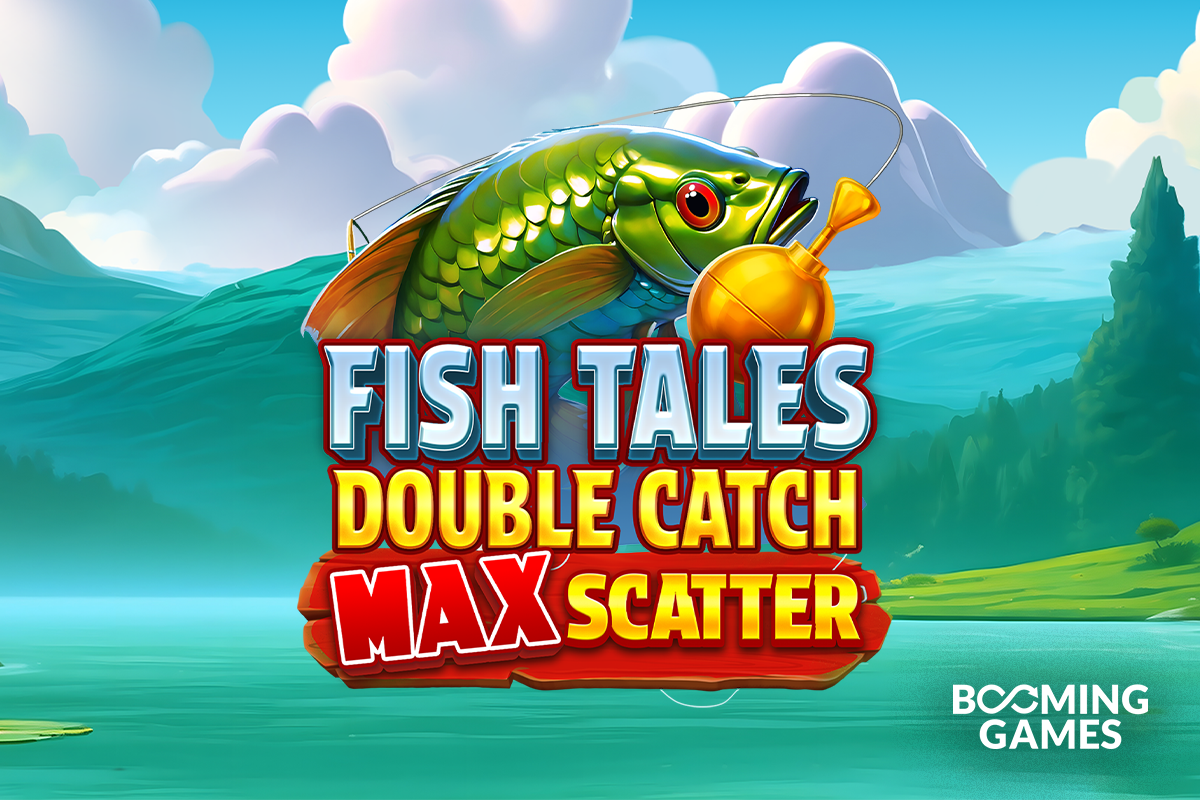
Booming Games has launched Tasty Bonanza Max Scatter, a new online slot released on 16 July 2026 from the supplier’s Malta base. The title is the second game in its Max Scatter series and uses a 6×4 grid with Scatter Pays, cascading wins and a stated maximum win potential of 15,000x.
The game pays when eight or more of the same symbol land. Winning symbols are removed and remaining symbols cascade down, with new symbols dropping in until no further wins are formed.
Free Spins are triggered by landing four or more Scatter symbols, including Scatters and Max Scatters, awarding 10 Free Spins. During the bonus, Random Multipliers can appear with values from 2x to 100x and remain active until the cascade sequence ends, after which multiplier values are combined and applied to the total win. Three or more Scatter symbols during Free Spins add five additional spins, while the feature ends if the max win is awarded.
Booming Games also includes Bonus Buy options priced at 100x the bet amount and a “Super Buy Bonus” at 500x, which the company says offers multipliers from 15x to 100x. A BOOST+ option increases the bet by 25% and increases the chance of triggering bonus features.
Craig Asling, Director of Games at Booming Games, said: “Tasty Bonanza Max Scatter is a great example of how we’re innovating within one of our top performing franchises. By adding exciting new Max Scatter mechanics to one of our most popular slots, we are confident the game will appeal to players looking for top-quality entertainment and high-stakes gameplay.”
The post Booming Games launches Tasty Bonanza Max Scatter slot appeared first on EE Gaming | Global iGaming & Tech Intelligence Hub.

Gaming Realms has launched its Slingo portfolio in Switzerland with Swiss4Win.ch, the online casino brand of Casinò Lugano, on 16th July 2026.
The supplier said the agreement is its second operator launch in the Swiss market and extends distribution of its content library through Playtech’s platform.
Swiss4Win.ch players now have access to a selection of titles including Slingo Sweet Bonanza, Slingo Xxxtreme and Slingo Gold Cash.
Mariachiara Lagravinese, Regional Account Manager at Gaming Realms, said: “Building on our recent debut in Switzerland, this partnership with Swiss4Win.ch will see us reach an even greater audience in the country where our unique content has been popular with local players.
“Switzerland represents an attractive market for us and this launch with a reputable local operator sees us strengthen our foothold in the region.”
Paolo Sanvido, CEO of Casinò Lugano, said: “We’re committed to offering our players a diverse portfolio of premium gaming content, and Gaming Realms’ Slingo titles bring something truly unique to our casino lobby. We’re excited to introduce these games to our customers and further strengthen our entertainment offering with engaging and innovative experiences.”
The post Gaming Realms launches Slingo games with Swiss4Win in Switzerland appeared first on EE Gaming | Global iGaming & Tech Intelligence Hub.

-

 Compliance Updates6 days ago
Arizona Department of Gaming Issues Cease-and-Desist Orders to Multiple Operators Linked to Underage Gambling and Illegal Activity
-
 Compliance Updates6 days ago
KONAMI GROUP’s Konami Gaming Inc. First to Submit Manufacturer License Application in Japan’s Emerging IR Market
-
Latest News7 days ago
PG Soft appoints Hugo Baungartner as General Manager LatAm
-
Latest News7 days ago
PG Soft names Hugo Baungartner as General Manager LatAm
-
Latest News6 days ago
Enjoy Gaming Builds on Slot success with Diamond Slam: Xtra Power
-
Latest News6 days ago
Weekend Reels | Week 28: Slot Drops & Trends
-
Compliance Updates6 days ago
Spillemyndigheden Publishes Report on Illegal Gambling
-
Canada6 days ago
High 5 Games Expands Across Alberta’s Open iGaming Market Following AGLC Supplier Approval