Industry News
How European Tax Changes Are Reshaping iGaming Media Budgets in 2025


Throughout 2025, European iGaming markets have faced a new layer of complexity: shifting tax and licensing rules that directly impact marketing costs. Governments continue to increase gross gaming revenue (GGR) tax rates and impose stricter reporting standards.
As of July 2025, these changes have become a critical factor in how operators and agencies plan, distribute, and optimize user acquisition budgets. RockApp analysis indicates that tax policy is fundamentally reshaping the planning process for performance marketing across Europe.
European Tax Environment in 2025
Several major European markets have introduced or expanded gambling tax rules over the last 18 months:
- Germany: GGR tax increased from 5.3% to 7% in mid-2024. By Q2 2025, operators are recalibrating CPA targets and revising bonus strategies to preserve margin.
- Netherlands: New compliance requirements implemented in January 2025 include enhanced KYC/AML reporting, adding operational costs and slowing onboarding funnels.
- Eastern Europe: Romania and Poland are reviewing GGR tax bands, with planned 1–2% increases included in government budgets for H2 2025.
These changes raise per-user acquisition costs and reduce flexibility on pricing incentives. Media buyers now need to plan budgets and creative strategy with greater precision to maintain efficiency.
RockApp data, drawn from over 120 active campaigns in 2025, demonstrates how these pressures translate into real shifts in buying behavior and budget allocation.
Budget Impact on Media Buying Strategies
Analysis of campaign performance in 2025 reveals several clear trends:
- Shift to Tier-2 GEOs: Markets with lower tax pressure (such as CIS, Balkans, and LATAM) are seeing 30-40% more acquisition budget allocation compared to 2023.
- CPA Adjustments: Average first-time-depositor CPA in regulated Western European markets has risen from ~€120 in 2023 to €145–160 in 2025, driven by increased taxation and competitive auction dynamics.
- Creative Cost Pressures: Bonus-focused creatives now demand tighter payout modeling to balance user appeal with higher GGR liabilities.
As a result, buying strategies have moved away from broad, high-volume campaigns toward segmented, CPA-focused plans with more granular GEO targeting.
Budget Impact on Media Buying Strategies
Tax policy changes don’t just influence operator balance sheets. They force a recalibration of the entire media buying strategy.
RockApp data from over 120 active campaigns in 2025 shows clear budget trends:
- Shift to Tier-2 GEOs: Markets with lower tax pressure (e.g., CIS, Balkans, LATAM) now see 30-40% more acquisition budget allocation compared to 2023.
- CPA Adjustment: Average first-time-depositor CPA in regulated Western Europe has climbed from €120 in 2023 to €145-160 in 2025, driven by both taxation and competitive auction prices.
- Creative Cost Pressure: Bonus-focused creatives need tighter payout modelling, balancing marketing appeal with GGR realities.
For media teams, the result is a move away from broad, high-volume campaigns toward precisely segmented, CPA-optimized buying with robust GEO-targeting logic.
GEO Diversification as Strategic Response
For many brands, geo diversification has become the simplest and most effective hedge against rising tax costs.
According to Appsflyer’s mid-2025 install cost benchmarks, CPIs in markets such as Brazil, India, and select African countries remain stable or are falling – averaging $0.60–$1.20 per pre-install, compared to $3+ in Western Europe.
RockApp’s planning data shows clear reallocation trends:
- LATAM budgets up ~35% year over year.
- Eastern Europe spending stable, with modest CPA increases.
- Western Europe budgets flattening or declining, with more investment going toward targeted retargeting and high-value lookalike segments.
Diversifying GEO strategy is emerging as a necessary planning approach to balance premium Tier-1 acquisition costs with Tier-2 scale opportunities.
Tactical Media Buying Adjustments in 2025
In response to new taxation and compliance demands, advertisers are refining their acquisition tactics. Effective strategies seen across European campaigns this year include:
- Hyper-segmentation: Adapting CPA targets at the micro-GEO, channel, and audience level.
- Creative Flexibility: Developing multiple bonus tiers and transparent CTAs designed for localized regulations.
- Source Tiering: Prioritizing verified, high-retention traffic sources over pure volume channels.
- Automated Bidding Rules: Aligning bid pacing and budget allocation with region-specific margin goals and user lifetime value curves.
RockApp analysis suggests that these shifts are helping operators maintain acquisition efficiency in the face of rising costs and regulatory complexity.
Advice for Q3 and Q4 Planning
With peak acquisition season approaching, several planning considerations stand out:
- Leverage Q3’s traditionally lower competition to test new channels and creative variations cost-effectively.
- Prepare Q4 budgets for elevated CPA levels, using segmented bidding strategies and clear ROI targets.
- Integrate compliance checks and fraud-control measures early in creative production to avoid approval delays and wasted spend.
RockApp data indicates that campaigns investing in upfront planning and testing see more stable CPA performance even in high-demand periods.
Conclusion
European tax changes have become a defining variable in iGaming growth strategy. These aren’t simply operational details – they now shape how marketing teams approach channel selection, creative design, and budget allocation at the most fundamental level.
RockApp continues to monitor these shifts across campaigns and regions, helping operators and agencies adapt media buying systems to maintain acquisition efficiency in a more complex regulatory environment.
The post How European Tax Changes Are Reshaping iGaming Media Budgets in 2025 appeared first on European Gaming Industry News.










Soft2Bet, a leading iGaming turnkey solutions provider, recently brought together industry connections for an exclusive two-day golf and padel experience at the Gleneagles Hotel in Scotland. The event brought Soft2Bet’s friends and connections together to enjoy a relaxed day of golf and padel, meaningful conversations, and shared moments in an inspiring setting, celebrating the spirit of connection and community that defines the company’s approach.
Set against the backdrop of one of Scotland’s best-known sporting estates, the day paired competitive play with the camaraderie and shared spirit that are such a valued part of the game. Attendees enjoyed access to Gleneagles’ most exclusive Ryder Cup & Solheim courses, where the relaxed setting encouraged genuine connection and reflected the supportive atmosphere that made the gathering especially memorable.
Gleneagles was a fitting venue for the occasion. With more than a century of golfing history, three championship courses and a reputation built on world-class hospitality, it remains one of Scotland’s standout golf destinations. Its PGA Centenary Course hosted the 2014 Ryder Cup and the 2019 Solheim Cup, making Gleneagles the only golfing destination in Europe to have staged both events.
The event reflects Soft2Bet’s belief that strong connections are built through shared goals, trust and collaboration. Creating space for in-person connection allows the company to deepen those relationships and support long-term success.
Harrison Barrett, VP of Business Development at Soft2Bet, commented: “Bringing the industry together in a setting like Gleneagles allows us to go beyond day-to-day operations and focus on what truly drives success, while playing golf and padel. Events like this are an opportunity to align on vision, exchange ideas and celebrate the momentum.”
Stuart Trigwell, Director of Business Development at Play’n GO said: “The time spent at Gleneagles, enjoying the incredible courses and engaging in genuine, strategic conversations, was an absolute highlight. It is events like these that reinforce the trust and collaborative spirit at the core of our relations.”
The gathering reflects Soft2Bet’s wider approach to the iGaming community engagement, creating opportunities for stronger collaboration and supporting growth across key markets.
The post Soft2Bet Gathering: An Elite Golf & Padel Experience appeared first on Eastern European Gaming | Global iGaming & Tech Intelligence Hub.
AI chat technology
Casinofy Unveils Next-Generation Platform Redesign with AI-Powered Chat, Setting a New Standard for the Online Casino Industry

Casinofy, a forward-thinking leader in the online casino space, announced the launch of its completely redesigned platform featuring cutting-edge AI chat technology, a modernised user interface and a suite of innovative features that position the company at the forefront of the iGaming industry.
A Bold Leap Forward in Online Casino Innovation
The newly redesigned Casinofy platform represents one of the most ambitious overhauls in the online casino sector. With a focus on user experience, intelligent personalisation and next-generation technology, Casinofy is redefining what players expect from an online gaming destination.
Key highlights of the new platform include:
• AI-Powered Chat Assistant — An intelligent, real-time chat system that provides instant player support, personalised game recommendations, responsible gaming guidance and seamless interaction — available 24/7 with human-like conversational ability.
• Complete UI/UX Redesign — A sleek, modern interface built for speed, accessibility and engagement across all devices, delivering an immersive experience from the first visit.
• Smart Personalization Engine — Leveraging AI to tailor game suggestions, promotions and content to each player’s unique preferences and play style.
• Enhanced Navigation and Game Discovery — Intuitive categorisation, advanced search and AI-driven recommendations that help players discover new favorites effortlessly.
AI Chat: A Game-Changer for Player Experience
At the heart of the new Casinofy experience is its proprietary AI chat system — a feature that goes far beyond traditional customer support. The AI assistant understands context, remembers player preferences and delivers instant, accurate responses on everything from game rules and bonus terms to account inquiries.
Unlike conventional chatbots, Casinofy’s AI chat is designed to enhance every touchpoint of the player journey, making it one of the most sophisticated implementations of artificial intelligence in the online casino industry to date.
Leading the Industry Through Innovation
While the online casino market continues to grow, few operators have invested as heavily in technology-driven differentiation as Casinofy. The new platform positions Casinofy among the most innovative operators globally, bridging the gap between traditional online gaming and the AI-first future of digital entertainment.
The Casinofy team said that they are not just keeping up with the industry, but setting the pace. The new platform is built on the belief that players deserve smarter, faster and more personalised experiences. They added that the integration of AI chat is just the beginning of what they have planned.
The post Casinofy Unveils Next-Generation Platform Redesign with AI-Powered Chat, Setting a New Standard for the Online Casino Industry appeared first on Eastern European Gaming | Global iGaming & Tech Intelligence Hub.
DigerPAM
Digicode Launches DigerPAM: A Next-Generation Player Account Management System for iGaming Operators
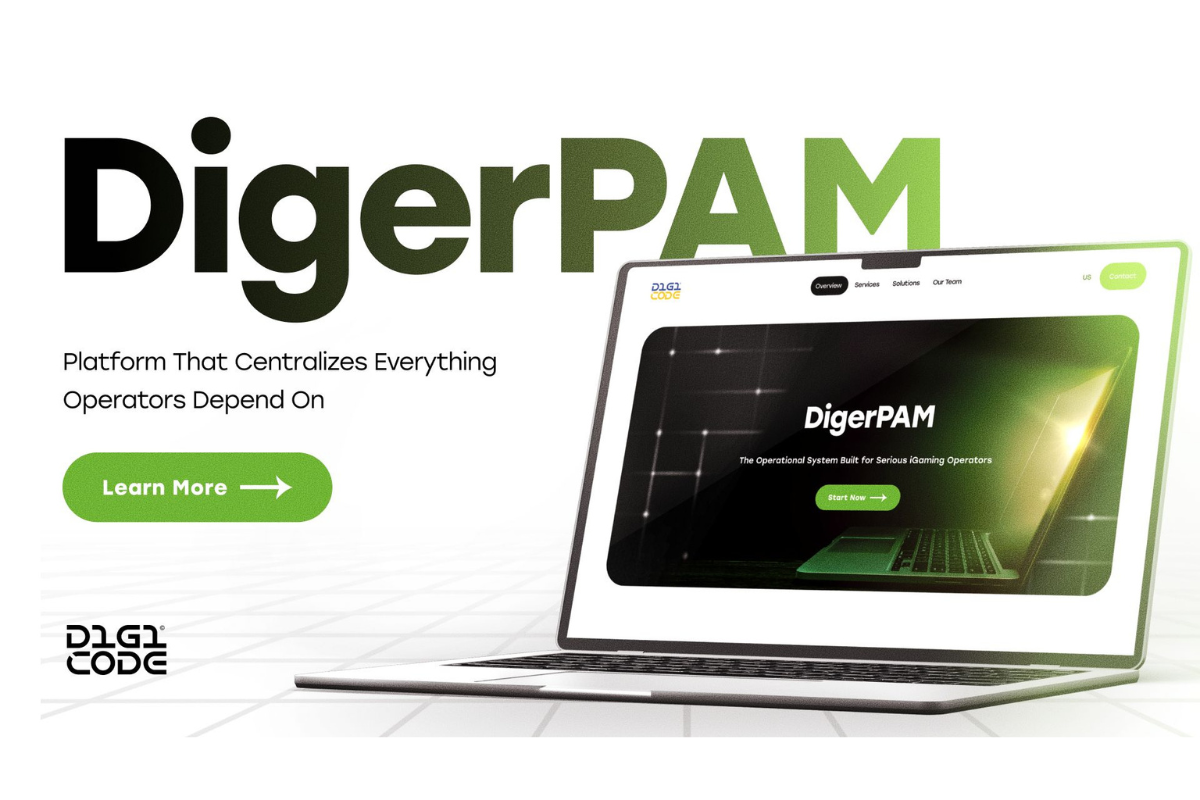
International software provider Digicode has unveiled DigerPAM, an enterprise-grade Player Account Management (PAM) system designed to serve as the operational backbone for modern iGaming operators. DigerPAM integrates core account management, CRM, compliance, promotions, analytics, and growth workflows into a single, scalable platform, giving operators full visibility, control, and performance across their brands and player base.
Built for operational excellence and regulatory compliance
Engineered for operators navigating complex regulations and multi-brand strategies, DigerPAM centralises every player interaction—from acquisition and registration to lifecycle engagement and retention—within one intelligent framework.
Key capabilities include:
- Unified operational core: Manage player profiles, wallets, CRM, bonus engines, content, compliance workflows, and reporting seamlessly from a single system.
- Full lifecycle oversight: Track and engage players from first interaction to lifetime value with real-time behavioural insights and segmentation.
- Built-in compliance and reporting: Optional KYC/identity verification, responsible gaming tools, immutable tax logs, and regulatory reporting across jurisdictions.
- Modular, scalable architecture: Cloud-agnostic microservices built for high-traffic, multi-currency operations and rapid provider integration.
- Optional suite integrations: Full compatibility with Digicode’s ecosystem, including DigerRGS, DigerPay, DigerClick, and DigerCompanion, to expand platform functionality.
A solution for modern iGaming realities
DigerPAM supports both standalone operations and complex multi-brand ecosystems, giving operators actionable insights into player behaviour, campaign performance, compliance readiness, and key business KPIs—all without relying on fragmented legacy systems.
“Operators today need a unified engine that not only manages accounts but drives growth with intelligence and compliance at its core,” said Max Maslii, Global CEO at Digicode. “DigerPAM delivers a single, cohesive view across the player lifecycle, eliminates operational fragmentation, and empowers brands to scale confidently.”
The post Digicode Launches DigerPAM: A Next-Generation Player Account Management System for iGaming Operators appeared first on Eastern European Gaming | Global iGaming & Tech Intelligence Hub.

-

 bingo6 days ago
 -
Compliance Updates6 days ago
EGBA Urges EC to Tackle Rising Online Fraud in Gambling Sector
-
Greentube6 days ago
Greentube hauls in big wins with Rumble Riches™ Haulin’ Gold™
-
Baroness Fiona Twycross4 days ago
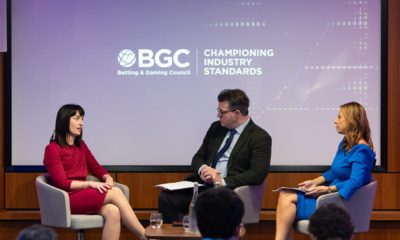
BGC AGM 2026 Discussed About Surging Illegal Gambling Black Market
-
DEGEN Studios6 days ago
DEGEN Studios ignites a brutal blood feud with Vendetta Fury
-
Adam Pentecost Chief Revenue Officer at Gaming Corps6 days ago
Gaming Corps Taps Betty to Boost Content Options for Ontario Players
-
Bonus Rush5 days ago
RAW iGaming launches BONUS RUSH® – a new family of feature-focused games
-
BetConstruct AI6 days ago
BetConstruct AI Showcases Full Platform at SiGMA South America 2026