Latest News
SOFTSWISS Enhances Player Experience with Mobile UX Control and AI-Driven Localisation

SOFTSWISS continues to strengthen its focus on player-centric innovation by rolling out two updates to its Game Aggregator, the largest content hub with a portfolio of over 30,000 games. These updates – a mobile-specific UI feature and a scalable AI-powered localisation system – aim to enhance accessibility, personalisation, and user experience.
While mobile gaming has long been the leading channel for iGaming engagement, evolving player expectations and regional diversification continue to shape the development of new tools and features. According to data from H2 Gambling Capital, iGB’s principal data partner, mobile gaming is projected to grow at a 14.9% annual rate in iGaming. In 2024, 59.5% of global mobile gross win came from betting, while 31.5% was driven by casino games. The same source indicates that casino games are projected to outpace betting in growth, with a compound annual growth rate of 18%, compared to 14% for betting.
SOFTSWISS’ Mobile UX control gives operators more control over how games appear on mobile devices. Previously, some mobile games launched in full-screen mode by default, hiding the casino interface and key navigation elements such as the exit button. Now, operators can request the deactivation of this automatic full-screen mode. This change allows the casino interface to remain visible, supporting brand consistency and improving overall usability for mobile players.
The second update, the AI Localisation Tool, is now available in the Game Aggregator’s back office. The new “Localisation” tab enables instant content translation into multiple languages. Operators can review, edit, and set default language versions for each region, streamlining the launch of regional campaigns and significantly reducing manual work. This feature is compatible with both desktop and mobile content, ensuring a consistent, localised experience for players worldwide. By combining AI efficiency with the flexibility to refine translations, operators can ensure their messaging is relevant, compliant, and on-brand in any market. Localisation has been highlighted as one of the key trends shaping iGaming in 2025, according to the iGaming Trends Report by SOFTSWISS.
The SOFTSWISS tool empowers brands to scale faster and deliver compliant, engaging content tailored to regional audiences, aligning with what industry analysts view as a critical success factor for the coming year.
“As SOFTSWISS grows globally, we encounter a wider spectrum of player needs, regulatory frameworks, and device usage patterns. Mobile-first development and localisation have long guided our Game Aggregator strategy. With these updates, we empower our partners to scale faster and deliver more relevant, high-performing experiences,” said Tatyana Kaminskaya, Head of SOFTSWISS Game Aggregator.
The SOFTSWISS team will be available to discuss the latest trends and explore collaboration opportunities in iGaming at iGB L!VE 2025, held on 2–3 July in London.
About SOFTSWISS
SOFTSWISS is an international technology company with over 15 years of experience in developing innovative solutions for the iGaming industry. SOFTSWISS complies with a number of gaming licences and provides comprehensive software for managing iGaming projects. The company’s product portfolio includes the Online Casino Platform, the Game Aggregator with over 30,000 casino games, the Affilka Affiliate Platform, the Sportsbook Software and the Jackpot Aggregator. In 2013, SOFTSWISS revolutionised the industry by introducing the world’s first Bitcoin-optimised online casino solution. The expert team, based in Malta, Poland, and Georgia, counts over 2,000 employees.
The post SOFTSWISS Enhances Player Experience with Mobile UX Control and AI-Driven Localisation appeared first on European Gaming Industry News.










New software option replaces standard table announcements across cash games, tournaments and formats including All-In or Fold and Spin & Gold.
GGPoker on July 9, 2026 announced Action Voice, a new software feature that lets players replace standard table announcements with voice packs recorded by poker personalities, including Doyle Brunson.
The initial lineup named by the operator includes ten-time WSOP bracelet winner Doyle Brunson, Daniel Negreanu, Michael “The Grinder” Mizrachi and Kevin Martin, with additional voices “to be confirmed in the near future.”
Action Voice is available now across GGPoker’s product offering, including cash games, tournaments and formats such as All-In or Fold and Spin & Gold. Players can select voice packs in the desktop client via ‘My Page’ and then ‘My Action Voice’.
“Doyle Brunson may not be at the tables in the way that he used to, but his voice still can be,” said Sarne Lightman, Managing Director of GGPoker. “Action Voice is our way of keeping the legends who built this game part of the everyday experience – right alongside the players carrying it forward today, like Daniel and Michael. It’s a unique and fun new element to our software, and we can’t wait to reveal the rest of the lineup soon.”
GGPoker said more Action Voice packs will be announced in the coming weeks as it rolls out the full roster.
The post GGPoker adds Action Voice packs featuring Doyle Brunson and other pros appeared first on EE Gaming | Global iGaming & Tech Intelligence Hub.


GGPoker introduces Action Voice, letting players hear poker icons – including Doyle Brunson, Daniel Negreanu, Michael “The Grinder” Mizrachi and more – call their action at the tables
GGPoker, the World’s Biggest Poker Room, today unveiled Action Voice, a unique feature that gives players the option to replace GGPoker’s standard table announcements with those voiced by some of poker’s most iconic figures. For the first time, players can bet, raise, call, and fold to the voice of ten-time WSOP bracelet winner and back-to-back Main Event champion Doyle Brunson – alongside a growing roster of legends including Daniel Negreanu, Michael “The Grinder” Mizrachi, Kevin Martin, and additional names to be confirmed in the near future.
Action Voice is now available to all GGPoker players, who can select their preferred voice pack in the GGPoker software and hear it call their action while playing their favorite GGPoker games, including cash games, tournaments, and exclusive formats such as All-In or Fold and Spin & Gold.
“Doyle Brunson may not be at the tables in the way that he used to, but his voice still can be,” said Sarne Lightman, Managing Director of GGPoker. “Action Voice is our way of keeping the legends who built this game part of the everyday experience – right alongside the players carrying it forward today, like Daniel and Michael. It’s a unique and fun new element to our software, and we can’t wait to reveal the rest of the lineup soon.”
To select a new voice from within the desktop software, click on ‘My Page’, then ‘My Action Voice’. Choose your preferred voice by selecting the avatar, click ‘Apply’ and you are ready to hit the tables!
Additional voices will be revealed in the coming weeks as GGPoker rolls out the full Action Voice roster.
The post The Godfather Of Poker Returns To The Table: Doyle Brunson’s Voice Comes To GGPoker appeared first on Americas iGaming & Sports Betting News.
Haaland
International bettors back Haaland’s Norway to beat England in World Cup Quarter Final Clash


Kaizen Gaming shares Betano users’ predictions on teams heading to the World Cup semi-finals
As the World Cup moves into the last eight stage, Kaizen Gaming unveils exclusive proprietary data from its Betano platform, which reveals Argentina, Norway, Spain and France as the most backed teams by users globally to progress into the semi-finals.
Predicting the teams to qualify to the semi-finals (selections from the “To Qualify” market):
- Norway backed by 75% of users to qualify over England
- Argentina favoured by 80% of users to win over Switzerland
- Spain narrowly predicted to come out on top over Belgium with 55% of users’ bets
- France has been selected by 67% of users to pass through Morocco
With regards to two of the biggest surprises of the tournament this far, Brazil’s defeat to Norway and Germany’s elimination by Paraguay, it seems that for Betano users the shock wasn’t that big. In fact, 42% of users had seen Paraguay’s qualification coming, and 45% had predicted Norway getting through Brazil to reach the quarterfinals.
*The data shared has been extracted on the morning of July 8, 2026 from across 18 markets, excluding the UK. The international data sources may vary according to betting option availability per market.
The post International bettors back Haaland’s Norway to beat England in World Cup Quarter Final Clash appeared first on EE Gaming | Global iGaming & Tech Intelligence Hub.

-

 Latest News6 days ago
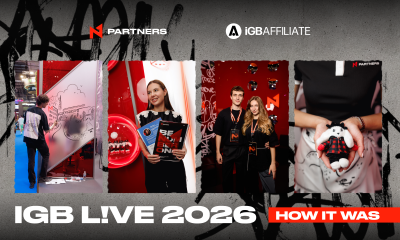
N1 Partners at iGB L!VE 2026: Bringing Together Affiliates, Art and Innovation
-
Affiliate Industry6 days ago
Hub Affiliations Triumphs at the iGB Affiliate Awards 2026: Winner of Programme/Network Campaign of the Year
-
Austria7 days ago
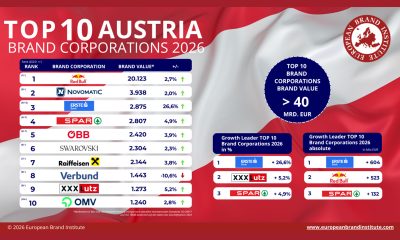
Austrian Brand Value Study: NOVOMATIC Defends Top Ranking
-
Africa7 days ago
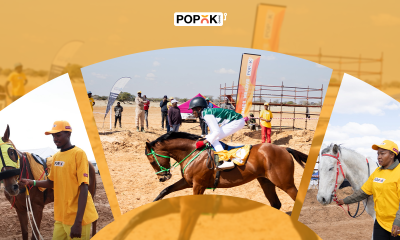
PopOK Gaming sponsors Botswana’s TT Cup Challenge horse racing event
-
Betsson CEO Pontus Lindwall7 days ago
Gaming in the Nordics launch event sets annual Copenhagen conference from 2027
-
Amusnet7 days ago
Amusnet Releases its Latest Video Slot “Golden Snake”
-
Azerbaijani Parliament7 days ago
Azerbaijan to Impose Tougher Penalties for Illegal Online Gambling
-
Amusnet7 days ago
Weekend Reels | Week 27: Slot Drops & Trends