eSports
United States In-Game Advertising Market Competition Forecast & Opportunities, 2028


The “United States In-Game Advertising Market Competition Forecast & Opportunities, 2028” report has been added to ResearchAndMarkets.com’s offering.
The United States in-game advertising market has experienced rapid growth and is projected to reach a value of $13.09 billion by 2028 from $7.45 billion in 2022, growing at a CAGR of 10.2% fueled by various factors such as the increasing popularity of esports among gaming audiences and the integration of native and non-disruptive ad formats.
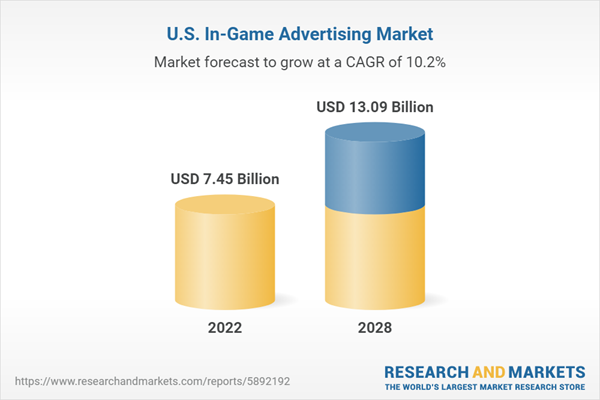
United States In-Game Advertising Market Scope
In-game advertising includes a wide range of formats and strategies. One of the most common methods is integrating static or dynamic ads into the game environment. These formats can be billboards, posters, or even virtual product placements within the game. Such layouts are carefully designed to blend seamlessly with the game’s aesthetics, ensuring they don’t break the player’s immersion.
The growing interest in social and mobile games is expected to positively impact the expansion of the in-game advertising market share. Advertisements can be integrated into desktop and mobile games through in-game advertising through advertisements, clip art, billboards, and background screens.
United States In-Game Advertising Market Overview
United States in-game advertising market share will benefit from growing social and mobile gaming. Ads, cutscenes, billboards, and background graphics can be used to add ads to desktop and mobile games. Since these ads are not intrusive, players can experience the game smoothly. In-game ads are expected to have a stronger audiovisual impact and leave viewers with a positive and lasting product impression.
United States in-game advertising is driven by several factors, including lower ad costs, increased reach and ROI, fast integration, and clear ad setup in social games. In addition, the inclusion of trusted gaming payment methods will reduce fraud, which may drive the market during the forecast period. Market growth is fueled by a growing selection of free-to-play smartphone games that monetize through in-game ads.
Increasing time and the cost to develop new games and shorter product life cycles are expected to impede market growth. The growing reluctance of video game companies as a result of declining advertising revenues is expected to challenge the growth of the in-game advertising market. In addition, market growth can be hindered by the need to limit poorly designed advertisements with low consumer impact. The increase in irrelevant and intrusive advertisements related to online and social gaming is expected to adversely affect the United States in-game advertising market growth.
United States In-Game Advertising Market Drivers
The United States in-game advertising market is driven by various key factors such as the rising popularity of console gaming and esports. The game has come to become an accepted form of distraction, which draws a wide and diverse audience.
The United States in-game advertising market growth is likely to be boosted by the rising availability of high-speed internet connections and the significant increase in the number of smartphone users in the country. Additionally, a surging number of gamers in the country is expected to contribute to the expansion of the United States in-game advertising market during the forecast period.
In addition, the adoption of various gambling payment mechanisms will reduce fraud, which may increase the expansion of the United States in-game advertising market during the forecast period. In-game advertising is growing portions of free-to-play mobile games and is expected to boost industry growth. This service can earn extra money for game creators, which helps in the expansion of the industry.
The surging popularity of online and mobile games drives the expansion of the United States in-game advertising market during the forecast period. Game advertisers are using in-game advertisements to reach their target audience as more people are using online and mobile games for their entertainment.
United States In-Game Advertising Market Trends
A major trend in the United States in-game advertising market is the integration of native and non-disruptive ad formats which drives the industry’s growth during the forecast period. Advertisers are moving away from intrusive and disruptive ad placements that can negatively impact the gaming experience. Instead, they implement strategies to seamlessly incorporate advertising into the game environment, such as in-game billboards, product placements, and branded virtual products. This approach allows advertisers to capture players’ attention without causing significant disruption, improving both user experience and advertising effectiveness.
Additionally, the rise in influencer marketing collaborations fuels the growth of the United States in-game advertising market during the forecast period. Influencers and creators in the gaming community have gained significant influence and followers, making them valuable partners for advertisers. Brands are increasingly partnering with gaming influencers to promote their products or services through sponsored gameplay, branded content, or product reviews. This collaboration helps advertisers leverage the trust and loyalty built by influencers, which increases brand visibility and engagement with their target audience.
Furthermore, there is more emphasis on metrics and measurement in the United States in-game advertising market which drives the industry’s growth during the forecast period.
United States In-Game Advertising Market Challenges
A major challenge in the United States in-game advertising market is increasing competition among companies for the consumer’s attention in games may hinder the growth of the market during the forecast period.
Additionally, the difficulty of companies in targeting the right audience impedes the United States in-game advertising market expansion during the forecast period. Advertisers must ensure that their ads reach the targeted demographic of the gaming community. However, targeting a precise audience can be difficult due to the diversity and segmentation of the gaming market. Different types, platforms, and gaming habits require tailored approaches that can be difficult to achieve effectively.
Furthermore, the issue of advertisement intrusiveness may hinder the growth of the United States in-game advertisement market during the forecast period. The intrusiveness of advertisements is a major concern of the companies. It is very important to balance the integration of ads into games without compromising the user experience. Intrusive ads that interfere with gameplay or with immersion can cause players to react negatively and may create lack of interest for the game.
United States In-Game Advertising Market Opportunities
The United States in-game advertising market provides various opportunities to the companies to have a competitive edge in the market. Esports has grown significantly in the United States, with widespread recognition of professional games and attracting millions of viewers. This phenomenon offers advertisers a great opportunity to target their brand to popular eSports events, teams, or individual players. In-game advertising can take the form of sponsorship, branded content, or product placement within games, allowing companies to gain exposure and build brand loyalty among the passionate sports community.
The advantage of in-game advertising is that it offers different advertising options for brands to reach their target audience and increase engagement. While in-game and in-field billboards are frequently explored by many developers and publishers, they represent only a fraction of the ad formats available. There are 3 formats of in-game advertising: static ads, dynamic ads, and advergaming. Each format offers several different options to help businesses build and maintain brand awareness without disrupting the users’ experience.
Furthermore, robust infrastructure and technological upgradation provide opportunities to companies in the United States in-game advertising market. Advertisers are able to monetize in-game advertising due to the availability of high-speed internet connections and the rising penetration of streaming platforms in the country.
Key Attributes:
| Report Attribute | Details |
| No. of Pages | 77 |
| Forecast Period | 2022 – 2028 |
| Estimated Market Value (USD) in 2022 | $7.45 Billion |
| Forecasted Market Value (USD) by 2028 | $13.09 Billion |
| Compound Annual Growth Rate | 10.2% |
| Regions Covered | United States |
Competitive Landscape
Company Profiles: Detailed analysis of the major companies present in the United States in-game advertising market.
- Activision Blizzard, Inc.
- AppsFlyer Inc.
- Frameplay Corporation
- Pubfinity LLC
- Super League Gaming, Inc.
- Motive Interactive, Inc.
- MediaSpike, Inc.
- Electronic Arts Inc.
- Playwire LLC
- Bidstack Group PLC
Market Dynamics
Drivers
- Proliferation of mobile devices
- Increasing internet penetration
- Rising gaming audience
Market Trends & Developments
- Rising popularity of esports
- Growing influencer marketing collaborations
- Increasing popularity of console gaming
- Integration of native and non-disruptive ad format
- Growing popularity of video games
Challenges
- Increasing competition
- Difficulty in targeting the right audience
Impact of COVID-19 on United States In-Game Advertising Market
- Impact Assessment Model
- Key Segments Impacted
- Key Regions Impacted
Report Scope:
United States In-Game Advertising Market, By Type:
- Static Ads
- Dynamic Ads
- Advergaming
United States In-Game Advertising Market, By Platform:
- Smartphone/Tablet
- PC/Laptop
For more information about this report visit https://www.researchandmarkets.com/r/x022xb








Adam Conway General Manager of the Esports Business Unit at BETER
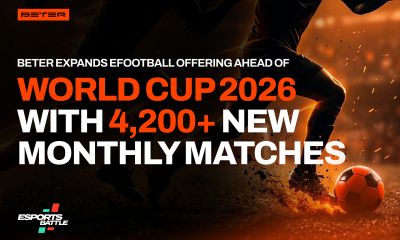
BETER strengthens eFootball roster with rollout of 4,200 monthly events ahead of 2026 World Cup

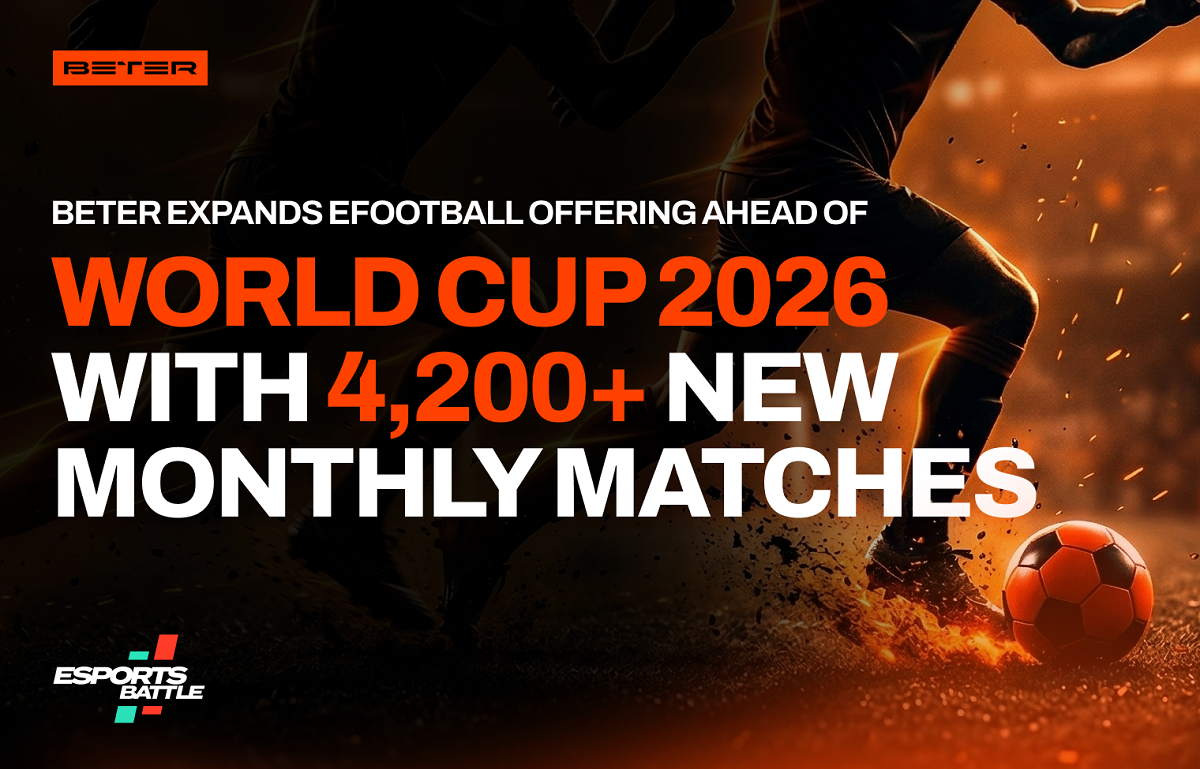
With the excitement of FIFA World Cup 2026 approaching, BETER is assisting operators in providing continuous bettor interaction by adding over 4,200 new eFootball matches monthly.
BETER, the recognized supplier of quick-betting content, live streams, real-time data, and odds for esports and sports, has broadened its eFootball portfolio with new specialized tournaments designed for World Cup 2026, providing over 4,200 events each month to assist operators in maintaining bettor engagement throughout the day, even during lulls and match intervals.
The launch features matches inspired by the World Cup, plus extra events scheduled around peak betting times to maintain bettor interest before, during, and after the World Cup 2026 games, providing operators with expanded eFootball coverage leading up to one of the largest events in the international sports schedule.
The updated material improves BETER’s extensive, dynamic eFootball framework, providing operators with more options to maintain bettor engagement around the clock.
Tournaments tailored to U.S. betting hours, delivering over 4,200 monthly matches
BETER added 140+ daily matches designed to suit U.S. bettors and maintain engagement throughout the day.
All of these matches are delivered in the 2×4 format and are scheduled daily (UTC+2) as follows:
01:00–03:00 — Premier League
03:10–05:10 — World Cup B
05:30–07:30 — Conference League
16:10–18:10 — Serie A
18:20–20:20 — World Cup B
20:40–22:40 — Europa League
22:50–00:50 — LaLiga
This new content addition is focused on supporting operator performance ahead of and during World Cup 2026 by maintaining betting activity across relevant time slots for U.S. audiences and helping fill downtime between major football fixtures.
World Cup–inspired tournaments, delivering over 3,600 monthly matches (within the 4,200+ expansion)
As part of this content boost, BETER is rolling out three dedicated World Cup–themed eFootball leagues. These form a major part of the expansion and mirror the excitement, structure, and national-team focus of the tournament, delivering 120+ matches per day and featuring teams such as the United States, the Netherlands, Norway, Mexico, Morocco, France, England, Portugal, Argentina, Spain, and more canonical world best teams.
The schedule includes the following (UTC+2):
World Cup A: 12:00–14:00 and 01:20–02:20 (2×4 format)
World Cup B: 18:20–20:20 and 03:10–05:10 (2×4 format)
Volta World Cup: 00:10–01:40 and 07:00–08:30 (2×3 format)
These World Cup–inspired eFootball matches reflect the build-up to the tournament and help operators drive bettor engagement ahead of kick-off.
With this rollout, which is already available with the majority of BETER’s partners, the supplier now delivers over 40,000 esports matches each month, further strengthening its position as one of the industry’s most in-demand providers of fast-paced content.
BETER exclusively delivers nearly 500,000 esports events annually through its exclusive ESportsBattle tournaments, which include eFootball, eBasketball, eHockey, and eTennis, offering up to 50 markets per match and an average operator margin of 7.5%+, exceeding the market standard.
Adam Conway, General Manager of the Esports Business Unit at BETER, said: “World Cup 2026 is the pinnacle of football excitement, and it presents an incredible opportunity for operators to keep fans and bettors engaged around the clock. Our expanded eFootball offering is designed to capture that energy, with content built to mirror the drama, intensity, and rivalries of the tournament.
“By combining dedicated World Cup–inspired competitions with strategically timed matches during key betting hours, we’re helping operators fill downtime, bridge match gaps, and keep bettors active before, during, and after every fixture.
“With over 40,000 fast-paced esports matches delivered every month, BETER now offers one of the largest and most dynamic content portfolios in the industry, bringing the thrill of the World Cup straight to every screen.”
The post BETER strengthens eFootball roster with rollout of 4,200 monthly events ahead of 2026 World Cup appeared first on Eastern European Gaming | Global iGaming & Tech Intelligence Hub.
eSports
Esports Nations Cup 2026 Awards Official Partner Status Across 100+ Nations to Build the Future of Nation-Based Esports
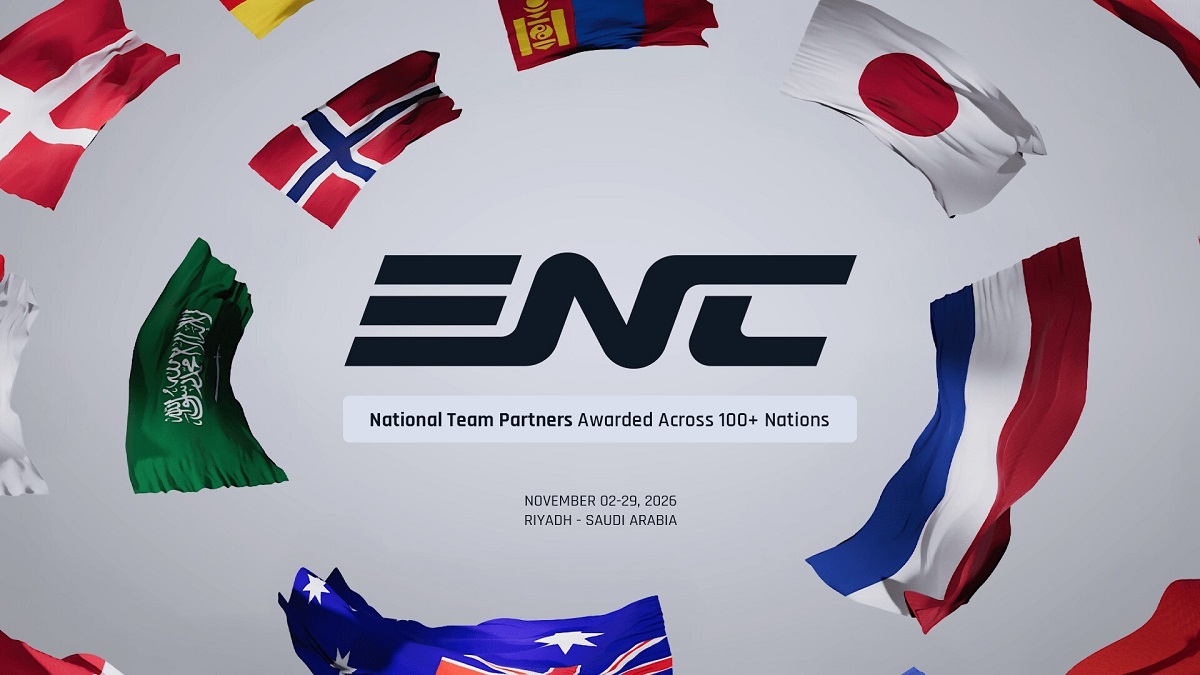
The Esports Foundation (EF) awarded National Team Partner status to organisations and individuals across more than 100 countries and territories for the Esports Nations Cup 2026 (ENC), the global nation-based esports competition set to debut in Riyadh from November 2-29, 2026.
This marks the first time esports introduces a structured global system for national teams at scale, adding a new layer to the industry’s ecosystem alongside club-based competition. Designed to complement existing frameworks rather than replace them, the ENC will work with local stakeholders closest to the sport to strengthen connections and support long-term national development.
National Team Partners will lead team formation, mobilize local communities and establish the structures needed to enable participation and the growth of esports. To ensure worldwide participation, countries and territories without a partner will be supported through regional structures provided by the EF.
The EF received more than 630 applications from 150 countries and territories, reflecting the global interest in and opportunity for nation-based esports. The partners represent legacy esports organisations that have shaped their national scenes for decades alongside emerging forces driving the next wave of competitive gaming. The list of organisations and individuals who have been awarded this status is available on the ENC website and will be updated as additional appointments are confirmed.
‘The Esports Nations Cup introduces something esports has never had before: a global system for national teams at an unprecedented scale. The response we received from across the world shows that communities are ready for this next step. Together with our partners, we are building the structures that will allow players to represent their nations and compete on the biggest stage in esports. With more than 100 nations now part of the system, the Esports Nations Cup moves from concept to reality, establishing national esports as a lasting part of the global competitive landscape,” said Ralf Reichert, CEO of the Esports Foundation.
Recognising that esports has developed differently in many nations, the ENC adopts a partnership-led approach rather than relying on a single model, marking a first in global sport and esports alike. By working with recognised local stakeholders, whether institutions, Clubs or community-led organisations, this model is designed to unlock the full creative and competitive potential of each nation.
National Team Partners will operate through a range of structures, from established national bodies such as the Korea Esports Association and the Saudi Esports Federation, to club-led coalitions in Brazil and the US, and hybrid public-private alliances in countries like Germany, Canada and the UAE.
In markets such as Malaysia, Turkey and Thailand, partners include federations working closely with grassroots communities, while in emerging regions like Indonesia and Mongolia, partners are being supported through structured development to represent their nations on a global stage.
For the first time in the history of esports, national teams will be formed from these local structures, bringing players together to compete for their nation and unlocking a new dimension of fandom built on identity and pride. From South Korea’s legendary League of Legends dominance and India’s Chess affinity, to Brazil’s Counter-Strike tradition, Japan’s fighting games heritage and Southeast Asia’s mobile games’ powerhouses, the ENC creates a new global stage for competition.
The post Esports Nations Cup 2026 Awards Official Partner Status Across 100+ Nations to Build the Future of Nation-Based Esports appeared first on Eastern European Gaming | Global iGaming & Tech Intelligence Hub.
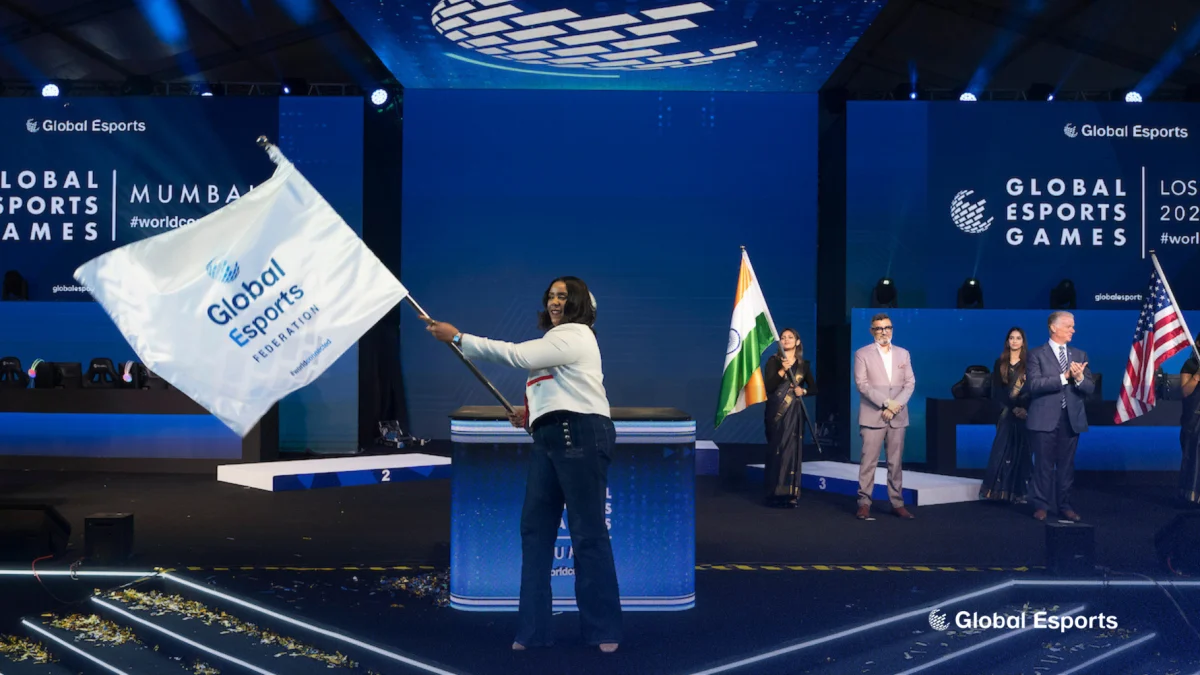
Team India and Türkiye won Gold at the Global Esports Games Mumbai, delivering electrifying performances in front of a packed arena and thousands more tuning in online worldwide. India’s Anuhith Gosala edged Kazakhstan 3–2 in a thrilling Clash Royale Grand Final, while Türkiye secured a commanding 3–1 victory over Mongolia in the Dota 2 Grand Final. With a Gold in Clash Royale and a Bronze in Dota 2, Team India was crowned Overall Champion.
India stormed into the Clash Royale Grand Final with a 2–1 win over the USA in a tense lower bracket decider, setting up a rematch with Kazakhstan. Having fallen 0–2 in the upper bracket, India turned the tables when it mattered most, as Anuhith Gosala delivered a clutch performance to seal a dramatic 3–2 victory and the Gold medal.
In Dota 2, Team India secured Bronze after falling to Mongolia in the lower bracket. Mongolia advanced to the Grand Final, where Türkiye asserted its dominance with a composed 3–1 victory to take the title.
Sharing his thoughts on the victory, Team India’s Clash Royale gold medallist, Anuhith Gosala, said: “This moment is surreal. To win the Grand Finals here in India, in front of a home crowd, makes it even more emotional. The preparation was relentless, the pressure was intense, and every match tested my limits—but that’s what makes this victory so special. Hearing the cheers, feeling that energy, and lifting this title for the country is an indescribable pride. This is for India, and for everyone who believes in us. I hope this win inspires many others to follow in our path.”
Sir Paul J. Foster, President & CEO, Global Esports Federation, said: “As the Global Esports Games Mumbai comes to a close, we celebrate not only the incredible performances of our athletes, but the spirit of unity and connection that defines our global community. Mumbai has delivered exceptional energy, passion, and hospitality, reinforcing our belief that esports transcends borders and brings the world together. We are deeply grateful to our partners in India for setting a new benchmark for excellence—and we now look ahead with excitement to Los Angeles, where this journey continues on an even greater stage.”
Shripad Ashtekar, Founder of Eflag Corp, said: “Over the past few days, we have witnessed not just world-class competition, but the coming together of talent, innovation, and community on a truly global stage. We hope to keep delivering such platforms and strong foundations for future growth by unlocking new opportunities for Indian players, creators, and the broader AVGC ecosystem. We are proud to have played a key role and look forward to building on this momentum in the years ahead.”
Organized by the Global Esports Federation in partnership with Eflag Corp, with the support of Maharashtra Tourism, the Global Esports Games Mumbai was inaugurated by the Hon’ble Chief Minister of Maharashtra, Shri Devendra Fadnavis. Over four days, Mumbai welcomed 48 elite athletes from 19 countries, emerging from a global field of 78 nations in the Regional Qualifiers.
The post Team India and Türkiye Win Gold at the Global Esports Games Mumbai appeared first on Eastern European Gaming | Global iGaming & Tech Intelligence Hub.

-

 bingo6 days ago
 -
apuestas7 days ago
Brasil 2026: Bets presionan el presupuesto de los hogares y redefinen la competencia por el consumo
-
Compliance Updates6 days ago
EGBA Urges EC to Tackle Rising Online Fraud in Gambling Sector
-
Betnacional7 days ago
Brazil: Betting pressures household budgets and reshapes the competition for consumer spending
-
Endorphina7 days ago
NAZAR WISHES AWAIT YOUR COMMAND
-
Greentube6 days ago
Greentube hauls in big wins with Rumble Riches™ Haulin’ Gold™
-
DEGEN Studios6 days ago
DEGEN Studios ignites a brutal blood feud with Vendetta Fury
-
Bonus Rush5 days ago
RAW iGaming launches BONUS RUSH® – a new family of feature-focused games