Latest News
SOFTSWISS Gears Up for iGaming NEXT Valletta’23

SOFTSWISS, a technology company that provides software and solutions for the iGaming industry, joins the highly anticipated event – iGaming NEXT Valletta 2023. The event will take place on 21–22 June in the beautiful city of Valletta, Malta.
SOFTSWISS is excited to return to Malta, where the company made a lasting impression on the iGaming industry and local community last year. During SiGMA Europe 2022, SOFTSWISS left its mark by launching a hot ‘chilli pepper’ promotional campaign, which created buzz among attendees and islanders.
The activities conducted in Malta last year demonstrated SOFTSWISS’ desire to shine brightly and uniquely in the region, and as a result, the industry leader created ‘Bringing the Heat’ promotional campaign, which helped build knowledge about the company and increase brand awareness among key stakeholders.
At iGaming NEXT Valletta, Valentina Bagniya, Chief Marketing Officer at SOFTSWISS, will be a speaker in an engaging panel discussion. With professionals from tech and other companies, Valentina will discuss different approaches on working with negative perceptions and adapting to the ever-changing landscape of regulatory requirements, as well as providing effective ways to work with negative public sentiment.
The event attendees will have a unique opportunity to learn more about SOFTSWISS and its cutting-edge products and solutions. Meeting the company’s experts, visitors will explore iGaming’s hot trends, learn more about the company’s innovative solutions and discover the unique service that SOFTSWISS is recognised for.
Max Trafimovich, Chief Commercial Officer at SOFTSWISS, comments: “We are thrilled to join iGaming NEXT Valletta’23! This event is an excellent platform to engage with industry peers and share our extensive expertise. We look forward to contributing to the expert discussions and showcasing our solutions to an incredibly diverse and refined audience.”
SOFTSWISS invites all attendees to book a meeting at booth A4 to explore the company’s range of products, engage with the team, and discover how SOFTSWISS can help drive success in the dynamic and ever-evolving iGaming industry.
About SOFTSWISS
SOFTSWISS is an international iGaming company supplying certified software solutions for managing gambling operations. The expert team, which counts 1,400 employees, is based in Malta, Poland, Georgia, and Belarus. SOFTSWISS holds a number of gaming licences and provides one-stop-shop iGaming software solutions. The company has a vast product portfolio, including the Online Casino Platform, the Game Aggregator with thousands of casino games, the Affilka affiliate platform, the Sportsbook Platform and the Jackpot Aggregator. In 2013, SOFTSWISS was the first in the world to introduce a Bitcoin-optimised online casino solution.
Powered by WPeMatico



Tebex connects to the Paysafe API, extending beyond PaysafeCard to card processing and alternative payment methods including Openbucks in the US.
Paysafe (NYSE: PSFE) has expanded its partnership with video game monetization platform Tebex, adding card payments and additional alternative payment methods (APMs) through a single integration to the Paysafe API. The update was announced July 7, 2026 in London.
Tebex has integrated the Paysafe Gateway to support credit and debit card processing alongside APMs. Tebex said its checkout has offered Paysafe’s prepaid eCash product PaysafeCard since 2016, and the new API integration connects Tebex to a broader set of Paysafe payment products.
The integration also links Tebex to Paysafe’s branded APMs. Tebex Checkout is already live with Openbucks, which enables US gamers to pay online with cash using third-party gift cards purchased in-store at “67K+ locations,” or via Openbucks’ Obucks digital card sold through authorized online resellers.
Zak Cutler, President of Global Gaming at Paysafe, said: “We’re delighted to broaden our partnership with Tebex. In a highly competitive market, video game creatives need to satisfy gamers’ increasingly diverse transactional expectations. By connecting the Tebex Checkout to an exhaustive range of payment options, including recognizable brands like our Openbucks solution, the Paysafe Gateway will give Tebex and its customers an edge when it comes to streamlining, simplifying and ultimately optimizing the monetization of gaming.”
Liam Wiltshire, Vice President and GM of Tebex, commented: “At Tebex, we know payments are more than a transaction. They’re a critical part of how studios build relationships with their players and grow their games. Acting as an extension of the studio, our role is to remove the complexity of global payments, compliance, and support so teams can focus on creating amazing experiences. Expanding our partnership with Paysafe allows Tebex to offer greater choice and flexibility at checkout, helping our partners reach more players, reduce friction, and unlock new opportunities for growth.”
The post Paysafe expands Tebex checkout integration to add cards and more APMs appeared first on EE Gaming | Global iGaming & Tech Intelligence Hub.

Expanded partnership sees video gaming monetization platform Tebex integrate to Paysafe API for card payments and multiple alternative payment methods
Paysafe (NYSE: PSFE), a global payments platform, today announced its expanded partnership with Tebex, the game monetization extension and growth platform for game servers and game studios. Tebex, which acts as an extension of a gaming studio, has integrated the Paysafe Gateway into its platform to enable video game merchants to provide their customers with true optionality when they transact – from card payments to alternative payment methods (APMs).
The Tebex Checkout has featured Paysafe’s flagship prepaid eCash solution PaysafeCard since 2016, and now, through a single, streamlined integration with the Paysafe API, it is connected to the company’s complete range of payment solutions. This includes seamless credit card and debit card payments, with all transactions processed in seconds by Paysafe.
The Gateway also connects Tebex to Paysafe’s suite of branded APMs, with the Tebex Checkout already live with the company’s Openbucks solution. Boasting strong brand recognition in the American video gaming community, this APM allows US gamers to pay online with cash using third-party gift cards, which can be bought in-store at 67K+ locations, or Openbucks’ own Obucks digital card, available for purchase online via authorized resellers.
With Openbucks and future Paysafe-powered solutions, Tebex continues to expand its network of local and alternative payment methods, enabling studios to reach players in more markets with payment options that reflect regional preferences and improve conversion rates with a seamless player experience.
Zak Cutler, President of Global Gaming at Paysafe, said: “We’re delighted to broaden our partnership with Tebex. In a highly competitive market, video game creatives need to satisfy gamers’ increasingly diverse transactional expectations. By connecting the Tebex Checkout to an exhaustive range of payment options, including recognizable brands like our Openbucks solution, the Paysafe Gateway will give Tebex and its customers an edge when it comes to streamlining, simplifying and ultimately optimizing the monetization of gaming.”
Liam Wiltshire, Vice President and GM of Tebex, commented: “At Tebex, we know payments are more than a transaction. They’re a critical part of how studios build relationships with their players and grow their games. Acting as an extension of the studio, our role is to remove the complexity of global payments, compliance, and support so teams can focus on creating amazing experiences. Expanding our partnership with Paysafe allows Tebex to offer greater choice and flexibility at checkout, helping our partners reach more players, reduce friction, and unlock new opportunities for growth.”
The post Paysafe strengthens Tebex’s payment offering for video gaming industry appeared first on Americas iGaming & Sports Betting News.
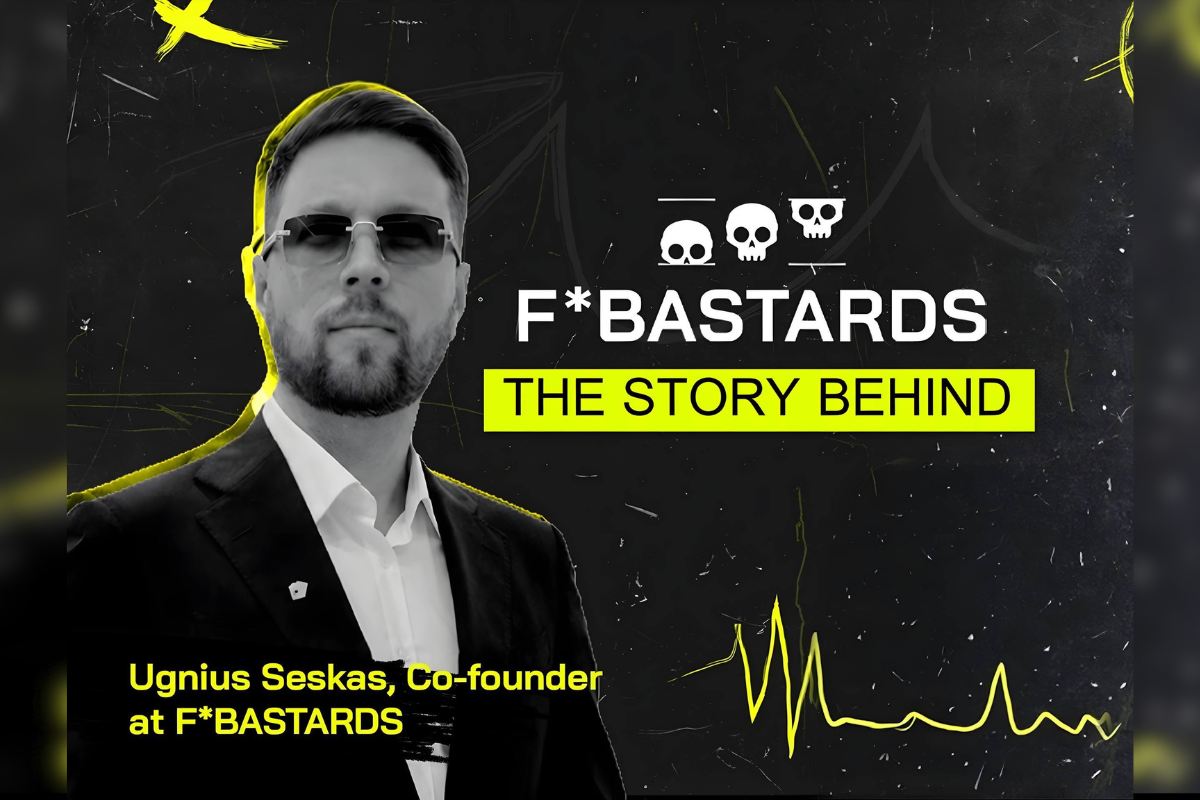
F*Bastards says its casino content is now available through more than 400 operators worldwide, marking a distribution milestone for the iGaming supplier as it continues to expand its portfolio and partner network.
In a company statement outlining its background, Co-Founder Ugnius Seskas said the team’s earlier attempt to build a game studio fell short due to positioning rather than production capability. “Looking back, we realised we weren’t missing talent. We were missing identity. We could build games, but we hadn’t built something people could remember. That lesson became the starting point for everything F*Bastards would later become.” says Co-Founder Ugnius Seskas.
The company said it intentionally built its brand around differentiation, including the decision to use the name F*Bastards despite the expectation it would split opinion among potential partners. The founders described early progress as incremental, driven by game releases, industry events, operator feedback and relationship-building, rather than a single breakout moment.
F*Bastards also pointed to a fundraising milestone in 2026, saying it secured its first seven-figure investment. The company positioned the round as validation of execution rather than an early-stage concept.
“From day one, the goal wasn’t to become the biggest supplier. It was to build something people would remember. We’ve come a long way, but in many ways, it still feels like we’re only getting started” says Co-Founder Ugnius Seskas.
The post F*Bastards says it now distributes content via 400+ operators worldwide appeared first on EE Gaming | Global iGaming & Tech Intelligence Hub.

-

 Amusnet7 days ago
Connecting Business and Diplomacy: Amusnet Supports BBLF’s Annual Meeting of the Diplomatic Corps
-
AGCO6 days ago
AGCO Fines Great Canadian Entertainment $120,000 for Using Unauthorised Gaming System Software at Four Casinos
-
Affiliate Industry4 days ago
Hub Affiliations Triumphs at the iGB Affiliate Awards 2026: Winner of Programme/Network Campaign of the Year
-
certification6 days ago
PopOK Gaming secures certification for Portugal iGaming market
-
Latest News5 days ago
LEON announces LEON.bet Masters, a new CS2 tournament in Portugal
-
Latest News4 days ago
N1 Partners at iGB L!VE 2026: Bringing Together Affiliates, Art and Innovation
-
Canada5 days ago
St8 expands Octoplay aggregation deal to Ontario and the UK
-
Asia5 days ago
The UAE Lottery joins SAGIP outreach with Philippine Consulate and Infinite Communities