Latest News
Sportradar Reports Strong Growth in Fourth Quarter and Full Year 2021


Fourth quarter revenue grew 41% while full year 2021 revenue grew 39%, exceeding Company’s outlook
Annual revenue surpasses €500 million for the first time in Company’s history
Company projects solid annual revenue growth of 18% to 25% in fiscal 2022
Secured multiyear partnerships with NHL, NBA, ITF, ICC, UEFA, Bundesliga
Sportradar Group AG, a leading global technology company enabling next generation engagement in sports, and the number one provider of business-to-business solutions to the global sports betting industry, today announced financial results for its fourth quarter and full year ended December 31, 2021.
Full Year 2021 Highlights and Annual Outlook
- Revenue for the full year of 2021 increased 39% to €561.2 million ($634.2 million)1 compared with the prior year, driven by strong growth across all business segments. Full year revenue exceeded the top end of the Company’s 2021 annual outlook range of €553 – €555 million.
- Adjusted EBITDA2 for the full year of 2021 increased 33% to €102.0 million ($115.3 million)1 compared with the prior year. Full year Adjusted EBITDA exceeded the top end of the Company’s 2021 annual outlook range of €99.5 – €101.5 million.
- Adjusted EBITDA2 for 2021 excluding Sportradar’s September 2021 Initial Public Offering (IPO) costs was €113.7 million ($128.5 million)1.
- Adjusted EBITDA margin2 for 2021 was 18% compared with 19% for 2020. Excluding IPO costs, Adjusted EBITDA margin was 20% for 2021.
- Strong Dollar-Based Net Retention Rate2 increased to 125% for fiscal 2021 compared with 113% for fiscal 2020 highlighting the continued success of the Company’s cross-sell and upsell strategy across its global customer base.
- Cash and cash equivalents totaled €742.8 million as of December 31, 2021. Total liquidity available for use at December 31, 2021, including undrawn credit facilities was €852.8 million.
- Sportradar extended multiyear partnerships with the National Hockey League (NHL), National Basketball Association (NBA), International Tennis Federation (ITF) and Bundesliga International, in addition to securing new deals with the International Cricket Council (ICC) and the Union of European Football Associations (UEFA). These deals reinforce Sportradar’s leadership as a trusted technology and data partner to the biggest leagues and federations around the world.
- The Company provided an annual outlook for full-year 2022 for revenue and Adjusted EBITDA2. Revenue is expected to be in the range of €665.0 million to €700.0 million and Adjusted EBITDA2 is expected to be in the range of €123.0 million to €133.0 million. Please see the “Annual Financial Outlook” section of this press release for further details.
Fourth Quarter 2021 Highlights
- Revenue in the fourth quarter of 2021 increased 41% to €152.4 million ($172.2 million)1 compared with the fourth quarter of 2020, driven by robust growth across all business segments.
- Continued strong performance in the U.S. market with U.S. revenue increasing by 92% to €23.2 million ($26.2 million) 1 compared with the fourth quarter of 2020.
- Adjusted EBITDA2 in the fourth quarter of 2021 increased 14.0% to €21.4 million ($24.2 million)1 compared with the fourth quarter of 2020.
- Adjusted EBITDA margin2 was 14% in the fourth quarter of 2021, compared with 17% over the prior year primarily as a result of increased investment in content and technology, higher costs related to being a public company, as well as higher M&A costs.
- Adjusted Free Cash Flow2 in the fourth quarter of 2021 decreased to (€22.5) million which resulted in a cash flow conversion2 of (105.1%) primarily as a result of additional interest from the Company’s senior secured term loan facility originating in November 2020, timing of sports data licensing payments to leagues, IPO related payments as well as higher costs associated with being a public company.
________________________
1 For the convenience of the reader, we have translated Euros amounts in the tables below at the noon buying rate of the Federal Reserve Bank of New York on December 30, 2021, which was €1.00 to $1.13.
2 Non-IFRS financial measure; see “Non-IFRS Financial Measures and Operating Metrics” and accompanying tables for further explanations and reconciliations of non-IFRS measures to IFRS measures.
Key Financial Measures
| In millions, in Euros € | Q4 | Q4 | Change | FY | FY | Change | ||||||||
| 2021 | 2020 % | 2021 | 2020 % | |||||||||||
| Revenue | 152.4 | 108.0 | 41% | 561.2 | 404.9 | 39% | ||||||||
| Adjusted EBITDA2 | 21.4 | 18.8 | 14% | 102.0 | 76.9 | 33% | ||||||||
| Adjusted EBITDA margin2 | 14.0% | 17.4% | – | 18.2% | 19.0% | – | ||||||||
| Adjusted Free Cash Flow2 | (22.5) | 7.1 | – | 14.5 | 53.5 | (73%) | ||||||||
| Cash Flow Conversion2 | (105.1%) | 37.5% | – | 14.3% | 69.6% | – | ||||||||
Carsten Koerl, Chief Executive Officer of Sportradar said: “I am very pleased with our strong results, which illustrate how well we are delivering on our operational and growth plans. Importantly, we have good momentum going into our next fiscal year. We are continuing to invest in content, technology and people that will allow us to deliver profitable growth in line with our goals.
Koerl continued, “We are particularly pleased about more than doubling our year-over-year revenues in the United States, which continues its explosive sports betting growth story. Sportradar has been a leader in this market since 2014, and we’re now seeing the results of our early investment. We continue to see the enormous opportunity as sports betting becomes an increasingly integral part of the media entertainment fabric in the U.S.
Segment Information
RoW Betting
- Segment revenue in the fourth quarter of 2021 increased by 30% to €82.2 million compared with the fourth quarter of 2020. This growth was driven primarily by uptake in our higher value-add offerings including Managed Betting Services (MBS) and Live Odds Services, which increased by 74% and 26% respectively. MBS experienced record turnover3 and Live Odds grew as a result of higher volume of sports coverage.
- Segment Adjusted EBITDA2 in the fourth quarter of 2021 increased by 58% to €45.7 million compared with the fourth quarter of 2020. Segment Adjusted EBITDA margin2 improved to 56% from 46% compared with the fourth quarter of 2020 driven by growth in higher margin products.
- Full year 2021 revenue grew 32% to €309.4 million compared with the prior year of 2020. Full year Adjusted EBITDA2 increased 49% to €177.0 million. Full year 2021 Adjusted EBITDA margin2 improved to 57% from 51% in the prior year.
1 For the convenience of the reader, we have translated Euros amounts in the tables below at the noon buying rate of the Federal Reserve Bank of New York on December 30, 2021, which was €1.00 to $1.13.
2 Non-IFRS financial measure; see “Non-IFRS Financial Measures and Operating Metrics” and accompanying tables for further explanations and reconciliations of non-IFRS measures to IFRS measures.
3 Turnover is the total amount of stakes placed and accepted in betting.
RoW Audiovisual (AV)
- Segment revenue increased in the fourth quarter of 2021 by 52% to €35.6 million compared with the fourth quarter of 2020. This growth was primarily a result of increased volume of streaming services across all major sports.
- Segment Adjusted EBITDA2 in the fourth quarter of 2021 increased by 77% to €9.9 million compared with the fourth quarter of 2020. Segment Adjusted EBITDA margin2 improved to 28% from 24% compared with the fourth quarter of 2020.
- Full year 2021 revenue grew 32% to €140.2 million compared with the prior year of 2020. Full year Adjusted EBITDA2 increased 47% to €39.2 million. Full year 2021 Adjusted EBITDA margin2 improved to 28% from 25% in the prior year.
United States
- Segment revenue in the fourth quarter of 2021 increased by 92% to €23.2 million compared with the fourth quarter of 2020. This growth was driven by our increased sales of U.S. Betting services as the underlying market and turnover3 grew. We also experienced strong adoption of our ad:s product, growth in U.S. Media and a positive impact from the acquisition of Synergy Sports.
- Segment Adjusted EBITDA2 in the fourth quarter of 2021 decreased to (€7.6) million compared with the fourth quarter of 2020 primarily due to increased investment in the Company’s league and team solutions focused business. Segment Adjusted EBITDA margin2 decreased to (33%) from 11% compared with the fourth quarter of 2020 reflecting the aforementioned increased investment.
- Full year 2021 revenue grew 108% to €71.7 million compared with the prior year of 2020. Full year Adjusted EBITDA2 decreased 38% to (€22.6) million. Full year 2021 Adjusted EBITDA margin2 improved to (32%) from (48%) in the prior year.
Costs and Expenses
- Personnel expenses in the fourth quarter of 2021 increased by €12.7 million to €47.0 million compared with the fourth quarter of 2020 primarily resulting from additional hires in the Company’s product and technology organizations (2,959 FTE in the fourth quarter of 2021 vs 2,366 FTE in the fourth quarter of 2020).
- Other Operating expenses in the fourth quarter of 2021 increased by €13.3 million to €27.2 million compared with the fourth quarter of 2020 mainly driven by higher travel and entertainment and marketing costs as pandemic restrictions eased, higher M&A costs as well as increased costs to implement a new enterprise resource planning (ERP) system.
- Total Sport rights costs in the fourth quarter of 2021 increased by €8.8 million to €38.5 million compared with the fourth quarter of 2020, primarily resulting from a normalized schedule in sports such as NBA, NHL and MLB, as COVID-19 pandemic restrictions eased.
2 Non-IFRS financial measure; see “Non-IFRS Financial Measures and Operating Metrics” and accompanying tables for further explanations and reconciliations of non-IFRS measures to IFRS measures.
3 Turnover is the total amount of stakes placed and accepted in betting.
Fourth Quarter Business Highlights
- Sportradar and the NBA announced an expansive multiyear partnership agreement that will see the NBA, Women’s National Basketball Association (WNBA) and NBA G League use Sportradar’s global and wide-ranging capabilities to grow U.S. operations, increase their international footprint and drive fan engagement. This new partnership begins with the 2023-24 NBA season and provides the NBA with an equity stake in Sportradar.
- The Company extended its long-term partnership with Bundesliga International, a subsidiary of DFL Deutsche Fußball Liga, featuring a suite of AI-driven fan engagement tools which enable Genrmany’s top football league to better engage fans.
- Sportradar also extended its partnership with Kambi, a leading global sports betting supplier. The deal reestablishes Sportradar as Kambi’s exclusive supplier of NBA, NHL, MLB, and college sports data in the US market.
- Sportradar announced a new multi-year partnership with PointsBet, a premier global online gambling operator, that establishes Sportradar as PointsBet’s US supplier of choice for MLB, NBA, NHL, college football, and college basketball data.
- Sportradar announced a partnership with UEFA’s as their exclusive authorized collector and distributor of data for betting purposes, as well as extending its role as UEFA’s official integrity partner. The Company secured this landmark agreement following UEFA’s first competitive tender process for its data distribution rights for betting purposes.
- The Company strengthened its existing partnership with ITF with a three-year extension to serve as the ITF’s official data partner.
- Sportradar was selected by the ICC making Sportradar its Official Data Distribution and Official Betting Live Streaming Partner. The partnership will create more opportunities for the ICC to engage with its fan base through Sportradar’s network of 1,000 media and sports-betting clients across 80 countries.
- The Company underlined its commitment to protecting the integrity of sport with the launch of Universal Fraud Detection System (UFDS) free of charge. Sportradar Integrity services has utilized UFDS, to detect suspicious activity in 12 sports across more than 70 countries. Sportradar will begin delivering its UFDS bet monitoring service free of charge, to sports federations, sports leagues, and state authorities around the world, in its continued commitment to protecting the integrity of global sport and making the system accessible to all.
- Sportradar announced significant high-profile hires to further strengthen its US team, including Andrew Bimson as North American Chief Operating Officer, Jim Brown as Head of Integrity Services & Harm Prevention and Rima Hyder as Head of Investor Relations.
Annual Financial Outlook
Sportradar is providing its outlook for fiscal 2022.
- Revenue is expected to be in the range of €665.0 million to €700.0 million ($752.0 million to $791.0 million)1, representing growth of 18% to 25% over fiscal 2021.
- Adjusted EBITDA2 is expected to be in the range of €123.0 million to €133.0 million ($139.0 million to $150.0 million) 1, representing growth of 21% to 30% over fiscal 2021.
- Adjusted EBITDA margin2 is expected to be in the range of 18.5% to 19.0%, an improvement over the prior year.
1 For the convenience of the reader, we have translated Euros amounts in the tables below at the noon buying rate of the Federal Reserve Bank of New York on December 30, 2021, which was €1.00 to $1.13.
2 Non-IFRS financial measure; see “Non-IFRS Financial Measures and Operating Metrics” and accompanying tables for further explanations and reconciliations of non-IFRS measures to IFRS measures.
Powered by WPeMatico


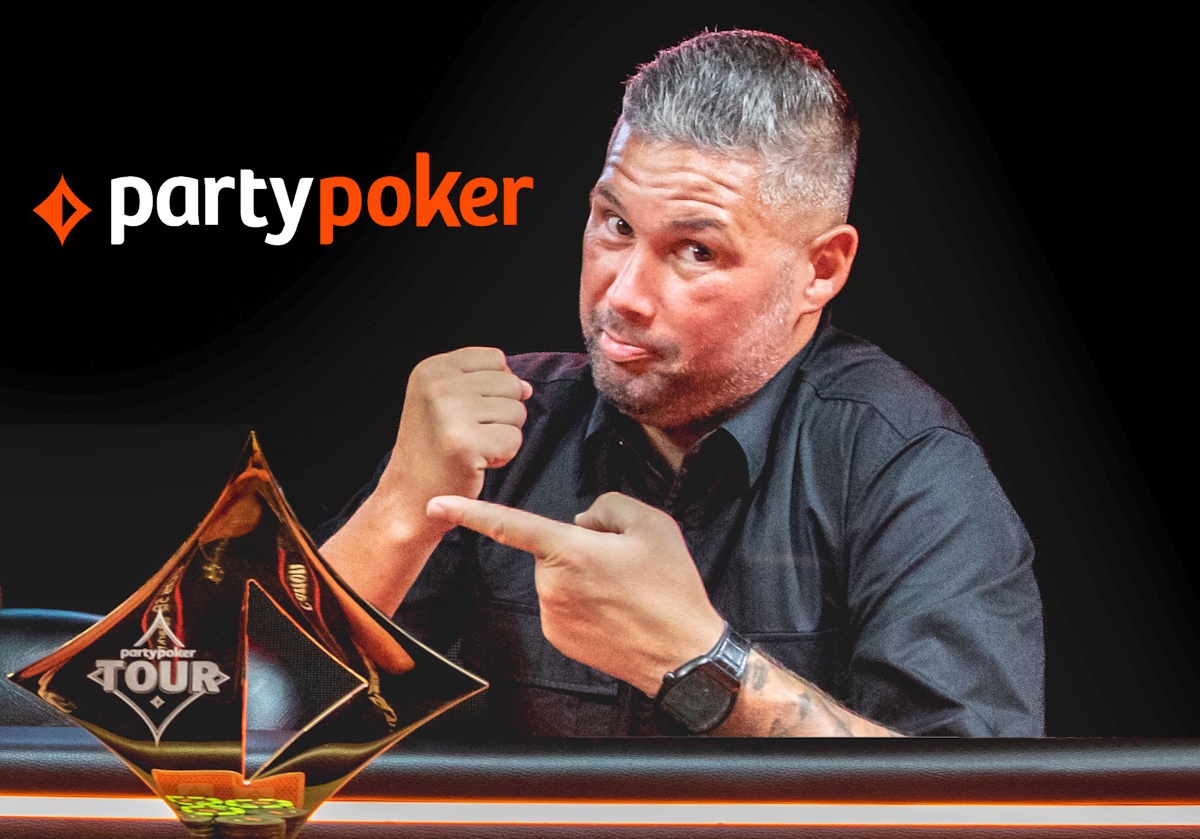
Former WBC cruiserweight champion to appear at PartyPoker Tour UK stops and take part in online activations.
PartyPoker has appointed former WBC Cruiserweight World Champion Tony Bellew as a brand ambassador for the remainder of 2026, with appearances tied to the operator’s live PartyPoker Tour and online poker offering.
The company said Bellew will be “a regular face” at its remaining UK tour stops this season following an earlier appearance at the PartyPoker Tour Birmingham. Bellew will also take part in online activity linked to the PartyPoker schedule.
“I had such a great time at the PartyPoker Tour Birmingham. The atmosphere, the people and the passion for the game were incredible. I’m really excited to be joining the PartyPoker team for the rest of the year, getting involved at the live events, meeting players and seeing where the cards take me,” Bellew said.
PartyPoker said Bellew is scheduled to attend each remaining UK stop on the 2026 PartyPoker Tour: London in July, Glasgow in August, Cork in November, and London in December. The operator also referenced a series of exclusive online events running alongside the live calendar.
The post Tony Bellew signs as PartyPoker brand ambassador through 2026 appeared first on EE Gaming | Global iGaming & Tech Intelligence Hub.

Cease-and-desist letters cite alleged felonies and underage access tied to BetOpenly, Bookmaker, Club WPT Online Poker, Kutt Inc., and Raffle Creator.
The Arizona Department of Gaming said it has issued cease-and-desist orders to five online platforms—BetOpenly, Bookmaker, Club WPT Online Poker, Kutt Inc., and Raffle Creator—after investigations that the Department says involved alleged illegal gambling activity and underage access in Arizona.
In its announcement, the Department said each enforcement action alleges conduct giving rise to three felonies under Arizona law: promotion of gambling, illegal control of an enterprise, and money laundering. The agency cited Arizona’s prohibition on gambling unless specifically authorized (Ariz. Rev. Stat. Tit. 13, Ch. 33) and said the legal gambling age in the state is 21.
“Arizona is taking decisive action against illegal gambling operators that put Arizonans at risk,” said Jackie Johnson, Department Director. “Our top priority is protecting Arizonans and I’m grateful for the efforts of our intelligence unit led by Chief Law Enforcement Officer Doug Jensen to do just that. Through these cease-and-desist orders we are putting operators on notice: their conduct runs contrary to Arizona law and they must stop promoting illegal gambling.”
The Department’s letters describe different alleged violations by operator. For BetOpenly, the Department said peer-to-peer gambling rules prohibit third-party benefit, and alleged the platform benefited via a commission structure while enabling event wagering and daily fantasy sports contests without the required state licenses, including availability to underage Arizonans. For Bookmaker, the Department said its investigation found wagering on horse racing, casino games, and sports betting without an event wagering license or an advanced deposit wagering provider license, adding that online casino games are not legal in Arizona.
For Club WPT Online Poker, the Department alleged the platform enabled individuals under 21 in Arizona to enter pay-to-play online poker tournaments for prizes while using deceptive “no purchase necessary” language; the Department said online poker is illegal in Arizona. For Kutt Inc., the Department said Arizona “social” gambling prohibits third-party benefit and directed the operator to stop allowing Arizona users to deposit money and wager on sports, politics, pop culture, and casino-style games. For Raffle Creator, the Department said the operator did not meet requirements that allow Arizona nonprofits to conduct lawful raffles and alleged it allowed people under 21 to purchase tickets for prize chances.
The Department said the notified entities are directed to immediately stop all gambling operations and activities in Arizona “whether through mobile applications, online, or otherwise,” and to cease any future illegal gambling in the state. It added that future actions may include criminal charges or civil action against entities, principals, and employees, and that operators “may be subject to a potential award of restitution” and forfeiture of monies acquired due to the alleged conduct.
The post Arizona regulator orders five operators to stop alleged illegal gambling activity appeared first on EE Gaming | Global iGaming & Tech Intelligence Hub.

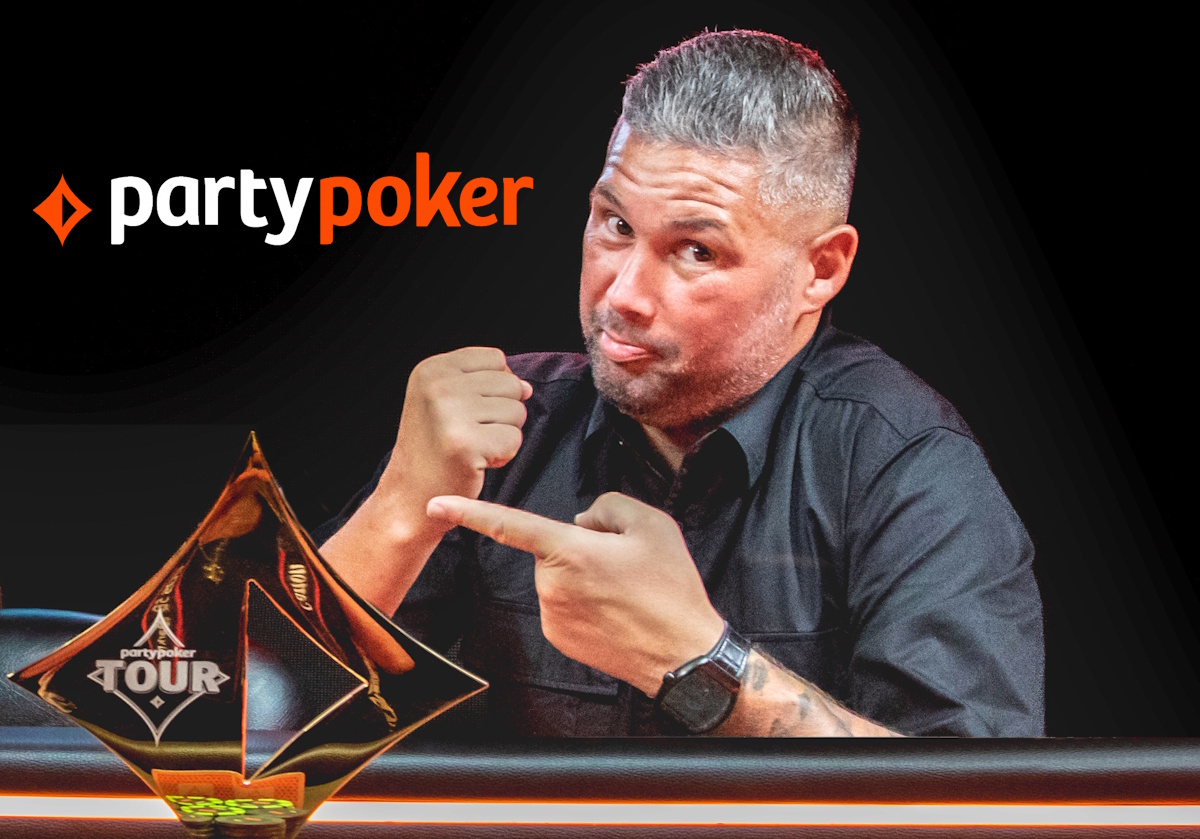
Tony Bellew has officially joined the PartyPoker Brand Ambassador team for the remainder of 2026, strengthening the brand’s growing roster of ambassadors and reinforcing its commitment to bringing poker to a wider audience.
A former WBC Cruiserweight World Champion and one of Britain’s most recognisable sporting personalities, Bellew will play an active role across both PartyPoker’s live tour and online offering throughout the rest of the year.
Speaking about joining the team, Tony Bellew said: “I had such a great time at the PartyPoker Tour Birmingham. The atmosphere, the people and the passion for the game were incredible. I’m really excited to be joining the PartyPoker team for the rest of the year, getting involved at the live events, meeting players and seeing where the cards take me.”
His return follows a hugely successful appearance at the PartyPoker Tour Birmingham earlier this year, where he embraced the atmosphere, spent time with players and immersed himself in the event. After thoroughly enjoying the experience, Bellew will now become a regular face at the remaining UK stops on the PartyPoker Tour throughout the rest of the 2026 season.
As part of his ambassadorial role, Bellew will attend every remaining UK stop PartyPoker Tour in 2026:
- London – July
- Glasgow – August
- Cork – November
- London – December
With four live festival stops and a series of exclusive online events still to come, players will have plenty of opportunities to meet Bellew at the tables throughout the remainder of the 2026 PartyPoker calendar. Look out for opportunities to take him on online, and at the PartyPoker Tour in Glasgow, Cork and London.
Stay Connected PartyPoker
- Instagram: @partypoker
- Twitter/X: @partypoker
- YouTube: partypokeryt
- Facebook: partypoker
- Discord: PartyPoker Tour
The post Former WBC World Champion Tony Bellew Joins PartyPoker as Brand Ambassador appeared first on Americas iGaming & Sports Betting News.

-

 10bet5 days ago
Ellis Park Stadium signs five-year naming rights deal with 10bet
-
central asia5 days ago
Groove confirms attendance at SBC Summit Tbilisi 2026
-
Bucharest4 days ago
Eeze opens 1,200 sqm Bucharest hub for technical teams
-
API integration4 days ago
Belatra signs cooperation deal to distribute slots via VeliGames
-
affiliate marketing5 days ago
SEOBROTHERS’ Aleksandra Drigo flags higher barriers for affiliates in regulated Alberta
-
Big Bass Blast5 days ago
Pragmatic Play adds Big Bass Blast to Big Bass slot series
-
AB Trav och Galopp3 days ago
BetMakers Technology Group Selected to Distribute ATG Horse Racing Content Across Australia and New Zealand
-
Compliance Updates5 days ago
KSA Updates Guidelines for Conducting Means Test