Latest News
TrueLayer raises $70m to build the world’s most valuable open banking network

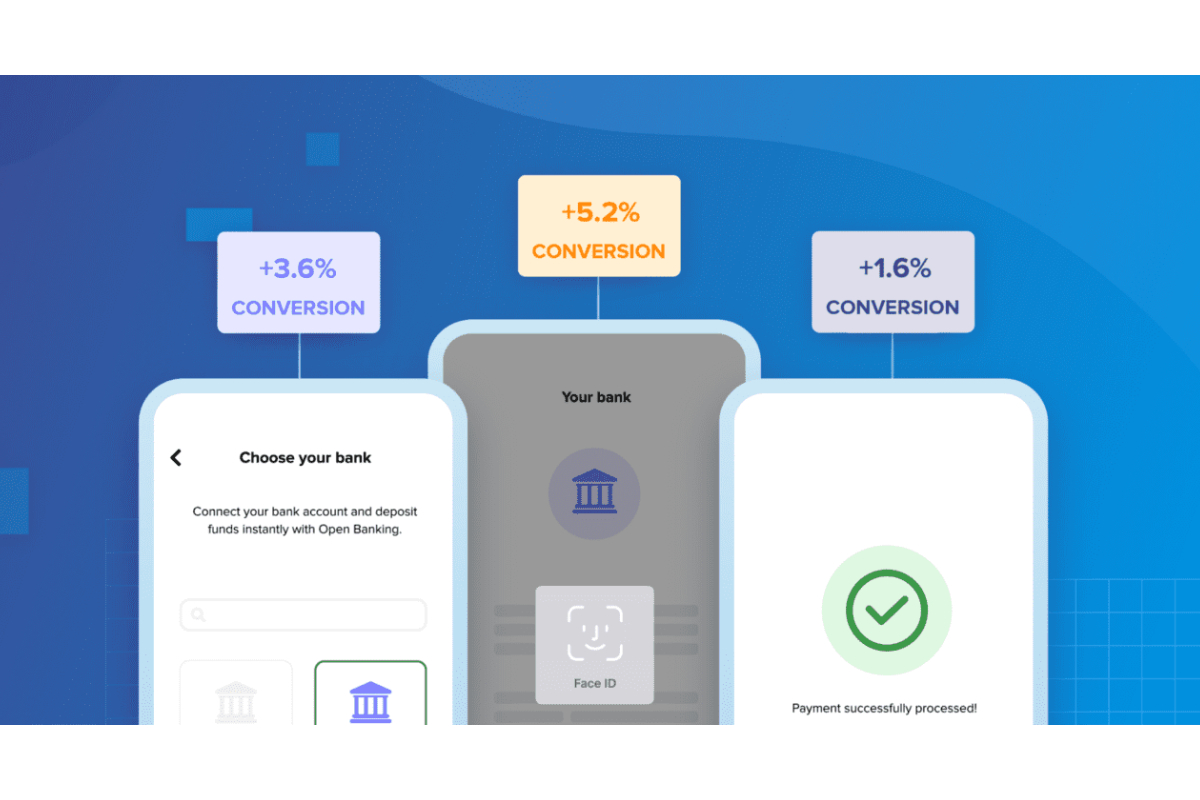
TrueLayer, Europe’s leading open banking platform, today announced it has secured a $70m Series D investment round led by new investor Addition. The latest raise reflects the growing demand for its open banking-based services and marks another significant milestone for TrueLayer on its mission to open up finance, building an open banking network that brings together payments, financial data, and identity to redefine how people spend, save, and transact online.
Existing investors, including Anthemis Group, Connect Ventures, Mouro Capital, Northzone, and Temasek, also participated, with a significant increase to the company’s valuation. Additional investors in the round include Visionaries Club, Surojit Chatterjee (CPO Coinbase), Zack Kanter (CEO Stedi), Daniel Graf (ex-Uber, Google, Twitter) and David Avgi (ex-CEO SafeCharge, CEO UniPaaS). It brings the total investment to date in TrueLayer to $142m.
The new funding will be used to fuel global expansion and accelerate the development of premium open banking-based services that will continue to drive innovation and revenue growth for clients. It will also be used to expand TrueLayer’s engineering, product and commercial teams to meet the increasing global demand for its open banking platform.
TrueLayer’s API-first platform accounts for more than half of all open banking traffic in the UK, Ireland and Spain, processing billions of pounds in payments. It powers services for some of Europe’s fastest-growing brands, including Revolut, Trading 212 and Payoneer.
TrueLayer has a market-leading payment conversion rate that is 22% higher than other providers, according to OpenBanking UK and other bank sources, and up to 40% higher than cards. Merchants offering TrueLayer as a payment method in their checkout have found that on average, 1 in 3 consumers chose to pay via TrueLayer. As a result, open banking is displacing other payment methods, such as cards, as the default payment option online.
Over the past 12 months, TrueLayer has expanded its services across 12 European markets, growing payment volumes by 600x, and adding hundreds of new customers across digital banking, eCommerce, trading and investment, wealth management, crypto and iGaming. It has continued to innovate, for example, with the recent launch of PayDirect, combining instant pay-in capabilities with instant pay-outs, to deliver a higher converting, lower fraud method for online payments.
“When Luca and I started TrueLayer in 2016, we imagined open banking becoming a new digital channel for solving cost and complexities around payments, digital identity, credit data and much more. We wanted to open up this newly built infrastructure to many businesses and consumers. It is such a joy to see our vision coming alive and open banking based payments quickly becoming the new normal,” commented Francesco Simoneschi, CEO and Co-Founder at TrueLayer.
TrueLayer is rapidly expanding as demand for its open banking platform increases, largely driven by consumer demand for digital financial services that work better for them, and give them more control over their financial lives.
“We have achieved this milestone thanks to the hard work of our stellar team. Bringing radical new products into the hands of consumers and businesses is incredibly exciting,” explained Luca Martinetti, Co-Founder and CTO at TrueLayer. “This new financial network we are building on top of open architectures has massive long term implications for the whole fintech ecosystem and we won’t compromise our vision in any way.”
“That is why it is so important to select investors that can help you to plan for the next 15 years, not the next 15 months,” added Simoneschi. “The Addition team thinks very long term and it has been such a pleasure working together. They complement the incredibly strong group of experienced backers who align with our vision of how financial services are evolving.”
Lee Fixel, Founder of Addition, commented: “TrueLayer is ideally positioned to benefit from the trends shaping the future of financial services as more and more companies embed digitally native payments into their platforms. We look forward to supporting the TrueLayer team as they scale their offering and drive continued innovation.”
Powered by WPeMatico


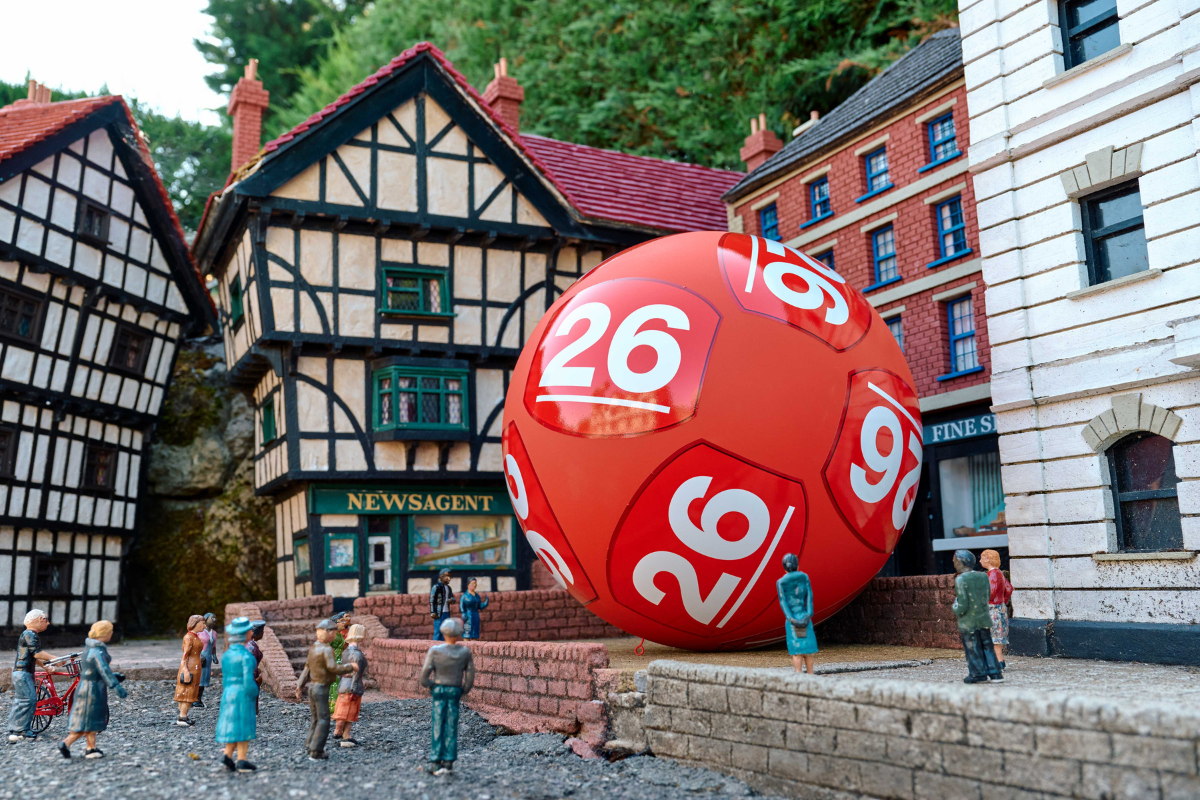
The National Lottery has started selling tickets for Powerball in the UK, with the first draw set for Thursday 23 July 2026 and an estimated £300 million jackpot. Allwyn, operator of The National Lottery, said tickets are available online via The National Lottery app and in retailers nationwide, priced at £4 per line.
Allwyn said the first UK Powerball ticket was sold at Sewell On The Go in Pocklington, York shortly after 5am, and the first online ticket was purchased via The National Lottery App by a player in Brighton at 5.54am. Players can buy tickets for the first draw until 11.55pm on Wednesday 22 July, with the draw taking place at around 4am UK time.
Powerball is launching in the UK in partnership with the Multi-State Lottery Association (MUSL), the non-profit association owned and operated by its member lotteries. Allwyn said 48 US-based lotteries currently participate in Powerball, and UK draws will take place three times a week (Tuesdays, Thursdays and Sundays) from the Powerball studio in Florida.
Under the UK version, players choose five main numbers from 1 to 69 and one Powerball number from 1 to 26 (or opt for a Lucky Dip). Allwyn said UK winners of the shared jackpot are paid over 30 years. The UK game also adds a ‘Match 2 main numbers’ prize tier exclusive to UK players, with a fixed £8 prize, while the ‘Match 5 main numbers’ tier offers a fixed £1 million.
Allwyn cited new research of 2,000 UK adults suggesting large jackpots could influence consumer intentions around spending and giving. Andy Carter, Senior Winners’ Advisor at Allwyn, said: “I’ve seen first-hand how a big win can transform lives. But when people start imagining jackpots in the hundreds of millions of pounds, the conversation changes.
“People move beyond buying a bigger house or taking a dream holiday and start thinking about making a difference, whether that’s supporting loved ones, helping their local community, backing a cause they care about or turning a lifelong dream into reality.
“Powerball Money brings a whole new level of possibility to UK players. It’s a chance to win the biggest jackpot ever offered through The National Lottery and to dream bigger than ever before.”
The post National Lottery starts UK Powerball sales ahead of £300m first draw appeared first on EE Gaming | Global iGaming & Tech Intelligence Hub.

PokerStars Casino has added ELK Studios’ Quackers as the sixth release in its 2026 The Slotlist series, positioning the title as the featured slot on the operator’s Casino tab.
Quackers is a 6 column, 6 row slot with a stated maximum win of up to 10,000x the player’s bet. ELK Studios said the game includes a global multiplier, wilds, symbol multipliers, a bonus, and a super bonus.
According to the companies, players can access the Coin Game by collecting 20 coins, with additional rewards delivered through coins, chests and multipliers. Three Bonus symbols trigger an 8×8 Bonus Game, while landing a Super Bonus symbol activates the Super Bonus, which starts with all ducks on the grid. The game also includes ELK’s X-iter feature, offering five game modes ranging from a 2.5x bet option “with more than three times the chance to trigger the bonus” to a 500x bet Super Bonus.
“We’re delighted to see Quackers featured in PokerStars Casino’s The Slotlist this month,” said Daniel Rydh, Senior Product Owner at ELK Studios. “Our goal with Quackers was to create a game that’s easy to pick up but continues to surprise players over time. The game combines personality with rewarding features and distinctive graphics, animations, and sound that we believe players will enjoy discovering.”
“Every title in The Slotlist is carefully chosen to give players something memorable, from innovative features and striking visuals, to immersive gameplay,” said Ed Fogarty, Associate Director of PokerStars Casino Commercial. “Quackers embodies exactly that. From its distinctive duck characters to its variety of features, rewarding bonus mechanics, and impressive win potential, it’s a fantastic addition to this month’s The Slotlist, and we’re delighted to bring it to our players.”
The post PokerStars Casino adds ELK Studios’ Quackers as sixth 2026 Slotlist pick appeared first on EE Gaming | Global iGaming & Tech Intelligence Hub.

For years, most slot games have followed the same familiar pattern: players spin, wait for Free Spins to begin, and then let the bonus do the rest. Much of the excitement comes from not knowing what will happen next. That formula still works, but player expectations are starting to change.
Today, many players want more than random outcomes; they enjoy feeling involved in what happens on the screen. Even a single decision can make a session feel more personal and memorable.
DELULU Gaming explored this idea in Oh My Gods, one of the studio’s first releases.
The game takes players inside a psychiatric hospital, where two patients are convinced they are Zeus and Thor. One believes he rules the skies with lightning, while the other is ready to smash anything standing in his way. The setting is unusual, funny, and unpredictable, but the real difference comes from what happens before the bonus even begins. Instead of simply waiting for Free Spins, players choose which god they want to follow. That single decision changes the entire feature.
Giving Players a Reason to Return
Choosing Zeus unlocks a bonus built around anticipation. Thunder destroys low-paying symbols before Hot Zones appear on the reels with hidden multipliers. Players watch the setup develop before the values are revealed, creating tension with every spin.
Thor offers a completely different experience. His Free Spins focus on action instead of suspense. Every appearance of Thor leads to a battle against the Nurse, where the result decides how much the final winnings will be multiplied. The pace is faster, more direct, and every fight feels like another chance to turn the bonus around.
Although both paths belong to the same game, they offer very different experiences. Many players finish one bonus curious about the path they didn’t choose, which naturally encourages them to return. And even when the Free Spins end, the story isn’t over.
The idea proved effective beyond the game itself. During a 30-day affiliate campaign across SEO, PPC, and TikTok, Oh My Gods generated 1,980 registrations and 648 first-time depositors. Gameplay creatives featuring the Zeus vs Thor choice became the top-performing creative across every traffic source.
Designing Retention from the First Sketch
Instead of finishing with the final spin, Zeus and Thor meet in one last confrontation called the Gods’ Clash. If the player’s chosen god wins the battle, the total bonus win is tripled. Every choice made earlier suddenly feels even more important because the ending has not been written until the very last moment.
DELULU believes players should be active participants throughout the session. Every mechanic is designed to give them something to react to, think about, or choose, while keeping the gameplay easy to understand from the very first spin. The idea isn’t to make the game more complicated, but to give players more ways to stay engaged.
At DELULU Gaming, mechanics and game design evolve together from the very first concept. Every feature, visual element, and gameplay decision supports the same player experience, making retention a natural outcome of the design. In Oh My Gods, this balance keeps the game easy to understand, visually strong, and interesting to watch and play. The result is a slot with a concept that’s immediately understood and well-suited for operator lobbies, promotional campaigns, and live streams.
About DELULU
DELULU is a new-generation iGaming game studio focused on delivering high-quality, distinctive gaming experiences. The game studio creates slots and instant-win games with bold visuals, tight mechanics, and math engineered for emotional impact. DELULU knows how to win long-term operator trust through titles that players recognize, streamers love to showcase, and the market can’t ignore.
The post Oh My Gods How DELULU Brings Player Choice to Modern Slot Design appeared first on EE Gaming | Global iGaming & Tech Intelligence Hub.

-

 ESPN Networks4 days ago
THE 57th ANNUAL WORLD SERIES OF POKER® CONCLUDES AN EXTRAORDINARY SUMMER OF GLOBAL ENGAGEMENT AND ELITE COMPETITION
-
Latest News5 days ago
Booming Games launches Tasty Bonanza Max Scatter slot
-
Latest News6 days ago
SCCG Management Launches Dedicated SCCG Brazil Division with Local Partner Thomas Carvalhaes
-
Latest News6 days ago
Esportes Gaming Brasil takes two ClienteSA Awards 2026 wins; exec named Personality of the Year
-
Canada5 days ago
Peter & Sons launches full game portfolio in Alberta
-
Latest News5 days ago
QTech signs EXCO Game Studio slots for emerging markets
-
Canada6 days ago
ThrillTech secures AGCO supplier licence for Ontario launch
-
Latest News5 days ago
Blueprint Gaming releases Wolf Fury Fire Blitz slot