Latin America
ORYX Gaming delivers virtual sports, live dealer and casino content to Betcris


ORYX Gaming, a Bragg Gaming Group company, has extended its partnership with Betcris following the successful launch of ORYX’s content with Lotería Nacional de Ecuador, Betcris’ B2B client.
The strengthened collaboration will see Betcris use ORYX Hub platform to launch new online casino games and live-dealer tables, as well as a variety of virtual sports across several regulated markets.
The deal will greatly enhance the company’s offering and allow Betcris to upgrade its promotional activities with the use of the ORYX Data Analytics Platform and a variety of player engagement tools. These include real time promotions, leaderboards, tournaments and jackpots.
With the added benefit of ORYX Hub platform tools and features, Betcris is going to be able to improve its conversion and retention rates and the performance indicators across its network.
Operating since 2006, Betcris is a pioneer in online betting and has become a leading Latin American online gaming operator. Betcris focuses primarily on the Central and South American market and has been regulated by the Malta Gaming Authority since 2011.
ORYX is licenced by the Malta Gaming Authority (MGA) and the Romanian National Gambling Office (ONJN) and is compliant, certified and approved in 14 major jurisdictions.
Matevz Mazij, Managing Director of ORYX Gaming, said: “Strengthening our partnership with Betcris will allow us to offer our product portfolio to a much wider audience across a range of strategic markets and we are positive that in combination with our platform tools it will perform extremely well throughout the operator’s brand portfolio.”
JD Duarte, CEO, at Betcris, said: “As gaming continues to increase in popularity, Betcris is determined to offer the latest and most innovative solutions, ensuring that our players find new opportunities and new challenges. The selection of products available through ORYX Hub is a result of our commitment to provide players access to the most attractive content in all markets which we operate in.”










PG Soft, a world-class digital mobile games company, has appointed Hugo Baungartner as General Manager LatAm to accelerate its continued success across the region. Baungartner will be responsible for driving PG Soft’s commercial expansion across Latin America, while leading the games provider’s strategy in Brazil where it has already captured a significant share of the market. Brazil continues to enjoy strong growth and is entering a pivotal phase in the regulation of its gaming sector, with the latest election on the horizon. With over 29 years in technology and gaming, Baungartner has previously held leadership roles at Grupo Aposta Ganha, RCT Gaming, Prohards and most recently Esportes Gaming Brasil.
During his time in the industry, Baungartner has built an extensive network across Latin America’s regulatory landscape, forging strong relationships with key regulators, industry associations and public bodies, including Brazil’s Secretariat of Prizes and Betting (SPA/MF), the Federal Revenue Service, and COAF, as well as Mexico’s Dirección General de Juegos y Sorteos and AIEJA (the Mexican Gaming Association).
PG Soft’s continued support of major regional events, including its sponsorship of BiS SiGMA South America earlier this year in São Paulo, further highlights the company’s long-term commitment to Brazil and the wider Latin American market.
Hugo Baungartner, General Manager LatAm at PG Soft, commented: “PG Soft’s brand needs no introduction in Latin America thanks to its extensive portfolio of world-class, mobile-first games that resonate strongly with players. The company is only just getting started in the region, and I look forward to building on its success in Brazil while expanding PG Soft’s presence across regulated markets throughout Latin America.”
The post PG Soft names Hugo Baungartner as General Manager LatAm appeared first on Americas iGaming & Sports Betting News.

-
Partnership supports BC.GAME’s continued investment in the regulated Mexican market
-
Ochoa will front football-led brand activity, local promotions and fan engagement for BCGAME.mx
-
Agreement comes during a landmark summer for football across Mexico, the United States and Canada
BC.GAME has announced the signing of Mexican football legend Guillermo “Memo” Ochoa as brand ambassador, as the global online entertainment platform continues to build its presence in Mexico through BCGAME.mx.
The partnership represents a significant step in BC.GAME’s localised growth strategy, with Ochoa set to support football-led brand communications, promotions and fan engagement activity designed specifically for Mexican audiences.
As one of the most recognisable figures in Mexican football, Ochoa brings strong local credibility and international profile to BC.GAME at a time when football culture in Mexico is attracting heightened global attention.
For BC.GAME, the agreement is intended to strengthen brand awareness and trust around BCGAME.mx, its licensed platform for the Mexican market, while supporting the company’s wider strategy of building closer connections with users in regulated markets through sport, esports and entertainment partnerships.
Kar Kheng Giam, CEO of BC.GAME, said: “Mexico is an important market for BC.GAME, and localisation is central to how we build meaningful relationships with users.
“Guillermo Ochoa is more than an outstanding goalkeeper. He is a figure who genuinely connects with Mexican football fans across generations, and that makes him an ideal ambassador for BCGAME.mx.
“As we continue to invest in our platform for the Mexican market, we want to work with partners who understand the culture, passion and community around football. Ochoa’s profile, professionalism and connection with fans make him a natural fit for BC.GAME.”
Known to fans as “Memo”, Ochoa has been one of the defining Mexican footballers of his generation. His long-standing role with the national team, standout performances in major international tournaments and club career across Mexico and Europe have made him a familiar name to football fans around the world.
Through the partnership, Ochoa will appear across BC.GAME’s Mexican market activity, including football-themed content, localised promotions and fan engagement campaigns for BCGAME.mx.
Guillermo Ochoa said: “I am very happy to partner with BC.GAME at such a special time for Mexican football.
“Football has always been about passion, community and shared experiences. I look forward to working with BC.GAME and BCGAME.mx to connect with fans in new ways.”
The signing adds to BC.GAME’s growing sports entertainment strategy, which has seen the brand expand its presence through football, esports and wider entertainment partnerships.
BC.GAME continues to develop its brand in markets where it is permitted to operate, with responsible gaming remaining an important part of its platform experience.
The post BC.GAME signs Guillermo Ochoa to support Mexico growth strategy appeared first on Americas iGaming & Sports Betting News.


Veteran executive tasked with expanding PG Soft across Latin America and leading strategy in Brazil as regulation evolves.
PG Soft has appointed Hugo Baungartner as General Manager LatAm, handing him responsibility for the supplier’s commercial expansion across Latin America and its strategy in Brazil.
The company said Baungartner will focus on growing the business in Brazil, where PG Soft says it has already captured a “significant share of the market,” while building presence across regulated markets in the wider region.
Baungartner brings more than 29 years of experience across technology and gaming. He has held leadership roles at Grupo Aposta Ganha, RCT Gaming, Prohards and most recently Esportes Gaming Brasil, according to the company.
PG Soft also pointed to Baungartner’s network across Latin America’s regulatory landscape, including relationships with Brazil’s Secretariat of Prizes and Betting (SPA/MF), the Federal Revenue Service, and COAF, as well as Mexico’s Dirección General de Juegos y Sorteos and AIEJA (the Mexican Gaming Association).
Hugo Baungartner, General Manager LatAm at PG Soft, commented: “PG Soft’s brand needs no introduction in Latin America thanks to its extensive portfolio of world-class, mobile-first games that resonate strongly with players. The company is only just getting started in the region, and I look forward to building on its success in Brazil while expanding PG Soft’s presence across regulated markets throughout Latin America.”
The post PG Soft appoints Hugo Baungartner as General Manager LatAm appeared first on EE Gaming | Global iGaming & Tech Intelligence Hub.

-

 Austria7 days ago
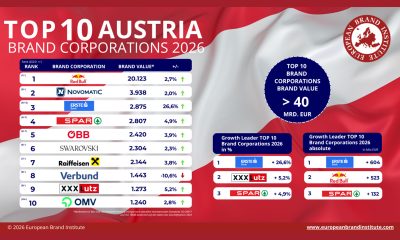
Austrian Brand Value Study: NOVOMATIC Defends Top Ranking
-
Latest News6 days ago
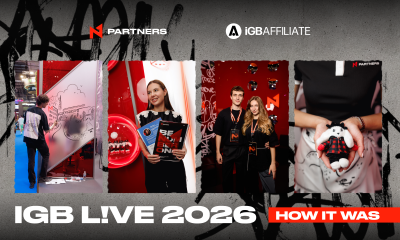
N1 Partners at iGB L!VE 2026: Bringing Together Affiliates, Art and Innovation
-
Affiliate Industry6 days ago
Hub Affiliations Triumphs at the iGB Affiliate Awards 2026: Winner of Programme/Network Campaign of the Year
-
Africa7 days ago
PopOK Gaming sponsors Botswana’s TT Cup Challenge horse racing event
-
Betsson CEO Pontus Lindwall7 days ago
Gaming in the Nordics launch event sets annual Copenhagen conference from 2027
-
Amusnet7 days ago
Amusnet Releases its Latest Video Slot “Golden Snake”
-
Azerbaijani Parliament7 days ago
Azerbaijan to Impose Tougher Penalties for Illegal Online Gambling
-
Amusnet7 days ago
Weekend Reels | Week 27: Slot Drops & Trends