Latest News
Why Online Poker in 2026 Feels Just Like a Video Game

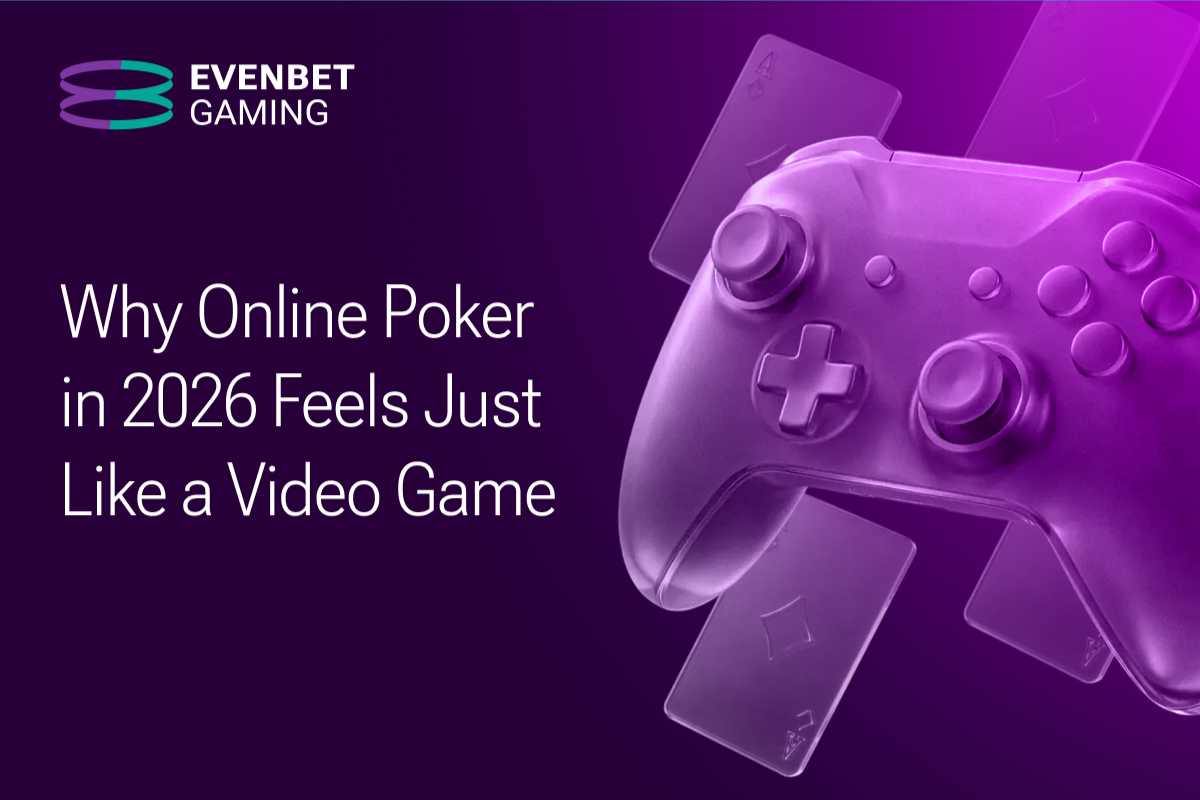
In 2026, online poker feels less like a casino pastime than you would imagine and more like a digital playground. Modern platforms are deliberately borrowing from video game design: missions, challenges, streaks, avatars, and progression systems that keep players logging back. Quests like “win 5 hands with suited connectors” or “grind 200 hands this week” give structure to what used to be endless shuffling and chasing pots. Players join not only for the chance to win, but to progress, showcase skill, and feel part of a thriving digital community.
Gamification is at the center of this big shift. And experienced providers such as EvenBet Gaming are integrating these features natively: loyalty ladders, player missions, and progression mechanics tied directly to currency and behaviour. It’s plug-and-play gamification baked into the platform.
“Why add gamification to poker when poker is already a game? But even a game can benefit from additional layers of motivation, structure, and feedback — especially in a high-variance environment like poker. Thoughtfully designed gamification enhances how players learn, stay engaged, and come back for more. It helps new players build confidence, gives regulars fresh goals to pursue, and creates a more emotionally rewarding experience for everyone involved.
Across industries, from streaming platforms to grocery apps, gamification has proven its power to drive user behavior and loyalty. But in the context of online poker, its role is particularly nuanced — and potentially game-changing,” says Nikita Golodaev, Business Account Manager at EvenBet Gaming.
Game Mechanics in Modern Poker Platforms
The overlap between online poker and video games is clearest in the mechanics that now drive player engagement. Platforms in 2026 don’t just offer tables and chips — they deliver layered progression systems that look remarkably like those in mainstream titles. The psychology here is rather straightforward: gamification triggers reward circuits with a slew of little rewards and keeps players motivated beyond pure financial outcomes.
Leaderboards and rankings make poker’s innate competitive spirit go through the roof. Same as esports, players compare progress, check each other’s status — and they do it repetitively. Because humans are competitive by nature, and we just want to be the best or at least to keep climbing.
At the core are missions and quests: challenges such as “win 20 hands” turn play into structured goals, and this gives players immediate milestones to chase and also provides constant dopamine boosts for micro-achievements. Add streaks and rotating goals, and players always have a reason to come back tomorrow.
Avatars, emotes, badges — cosmetics in general. They are also signals of achievement and symbols of individuality, just like skins in LoL or Clash Royale. For many players, identity and social signalling matter as much as winning pots.
It’s worth noting that EvenBet’s platform comes with missions, loyalty points, and unlockables built in. Operators can tweak rewards and keep players hooked.
Responsible Gambling as a Game Mechanic
Beyond the fact that responsible gambling is a must, in 2026, it’s also gamified. Since platforms now borrow from video games, instead of boring pop-ups saying “take a break,” poker apps now use timers, cooldowns, or checkpoint vibes. It’s sneaky smart, because now a pause feels like “part of the game” instead of an annoying interruption. The psychological dimension matters, too. Research highlights that guardrails in iGaming reduce tilt spirals, structure playtime, and create a sense of emotional resilience. By making these safeguards part of the gameplay, poker platforms create environments that are as safe as they are immersive.
UX and Immersion: From Tables to Arenas
The digital poker lobby of 2026 doesn’t look like a boring menu anymore. You get avatars, profiles, progress bars, and achievement boards — like the stuff you see on Xbox or Steam. Younger players (for example, Gen Z) get it right away. It looks just like the gaming hubs they know.
Cross-platform design reinforces the immersion — on phone or desktop, it’s like loading a gaming app with seamless access to missions, rewards, and quick-play options. Even multi-table tournaments that used to resemble simple grids now look more like esports brackets: live progress, spectator tools, and community engagement built in.
As a result, the “poker lobby” has evolved into a social arena, closer to Xbox Live than old-school casino software. Players don’t just pick tables. They join an ecosystem, with every session feeding into a longer journey.
Psychology and Emotions at Play
Online poker in 2026 doesn’t just mirror video games in mechanics — it mirrors them in the emotional ride, too. Big wins give a high, bad beats sting, and losing over and over gets frustrating fast. It’s the same rollercoaster gamers know, poker players call it tilt — gamers call it rage quitting. Either way, once emotions override reason, performance folds.
Smart platforms recognise this and design for mental toughness, not just engagement. Resilience is what stops losses from turning into meltdowns. Features such as built-in cooldown reminders, session time limits, or “take a break” prompts mirror mechanics in competitive gaming designed to prevent burnout.
The psychology of poker traditionally underscores the need for discipline and focus. Testimonies of seasoned poker players support that consistent winners build mental frameworks: stress control, sharp focus, the ability to separate bad results from good decisions. Esports players do the same, keeping emotions in check so they can perform for hours.
Success in poker, like in high-level gaming, is about more than raw skill or luck. Luck and skill matter, but what really counts is bouncing back when things go bad and staying disciplined. In this way, poker has evolved into not just a game of cards, but a training ground for emotional and cognitive resilience.
Poker Skill Training Through Challenges
Another way poker platforms are adopting video game DNA is through challenge-based skill training. Just as gamers grind through missions to unlock new abilities, poker players in 2026 are completing structured challenges that sharpen their skills while keeping play engaging.
These modes can take many forms, think “bluff five pots without showdown” or “play 1,000 hands in a week.” These aren’t just for entertainment, such tasks sharpen technical edges, build resilience, and make practice feel like progress. Communities like BluffingMonkeys already push players into self-imposed challenges. Operators just turned that mindset into a sticky product feature — casual missions for newbies, grind challenges for sharks. Everybody gets a lane, nobody feels stuck.
For players, challenges transform practice into progress. Instead of passively logging hands, they’re actively working toward milestones. While operators not only encourage regular play but also create environments where players feel they are always progressing, regardless of short-term results. In short, challenges make poker less about endless grinding and more about structured mastery — a shift that mirrors the very best of modern video game design.
What This Means for Operators in 2026
For operators, the shift toward video game–style poker is more than cosmetic — it’s a strategic pivot. In 2026, success depends on thinking like a game developer: how to balance engagement, fairness, and monetisation in a way that keeps players returning without tipping into fatigue. Too many missions? Users burn out. Too few? They are more likely to churn. Operators need the precision of a game studio: calibrate challenges, tweak rewards, keep grinders and casuals both feeling progression.
EvenBet Gaming, with its vast expertise in iGaming, has just the toolkit. Turnkey integrations in 4–6 weeks, stress-tested for 1,000+ concurrent players. Modular missions, achievements, loyalty systems, all built with AML, KYC, and player protection already in place. These aren’t just add-ons — they form the foundation for sustainable, regulated growth.
An even bigger opportunity lies beyond audience engagement — it’s audience expansion. Gamified poker pulls in seasoned pros and casual gamers who enjoy progression systems, achievements, and social competition. Platforms that get this right now capture a diverse player base while keeping the experience fresh and game-like.
Conclusion
Poker has evolved into an experience that mirrors the look, feel, and psychology of video games. Missions, challenges, community tournaments — it’s all part of the ride. Players want progress, recognition, and belonging, not just money.
Operators will do well to balance thrill with responsibility. Gamification keeps players motivated, thus driving retention, while safeguards protect the platform’s longevity. Poker’s next era isn’t just about cards or winning hands — it’s about creating experiences and designing the game around players.











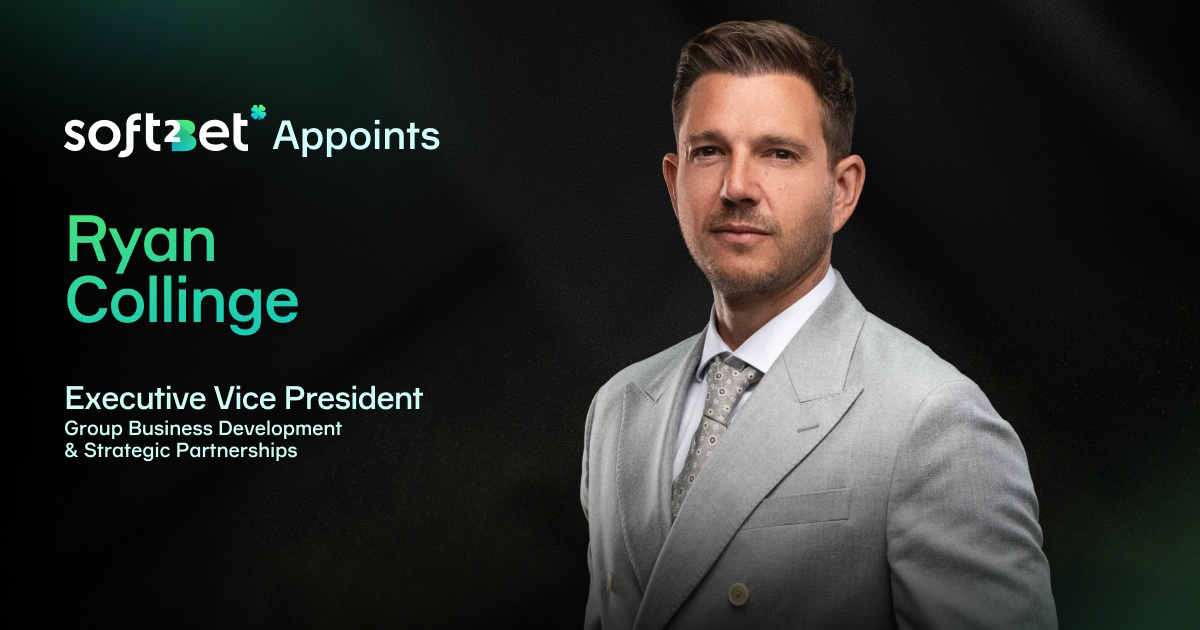
Collinge joins as Executive Vice President – Group Business Development & Strategic Partnerships, bringing 20+ years across retail and online gaming.
Soft2Bet has appointed Ryan Collinge as Executive Vice President – Group Business Development & Strategic Partnerships, adding him to its senior leadership team.
In the role, Collinge will focus on supporting Soft2Bet’s growth plans and strengthening relationships with operators and entertainment brands, the company said.
Andrew Cochrane, Chief Commercial Officer at Soft2Bet, said: “Ryan brings the commercial judgement, industry relationships and operational experience needed to support Soft2Bet’s growth. His appointment strengthens our executive team as we expand our work with leading operators and global entertainment brands.”
Soft2Bet said Collinge brings more than 20 years of commercial, product and operational experience across retail and online gaming, including work with private equity-backed start-ups and multinational gaming groups. The company added that his background includes global sales, commercial strategy and business development, along with iGaming content, product development and studio management.
Soft2Bet also pointed to Collinge’s experience in the casino content vertical, which it said will support client needs analysis and solution optimization.
The post Soft2Bet hires Ryan Collinge as EVP for business development and partnerships appeared first on EE Gaming | Global iGaming & Tech Intelligence Hub.
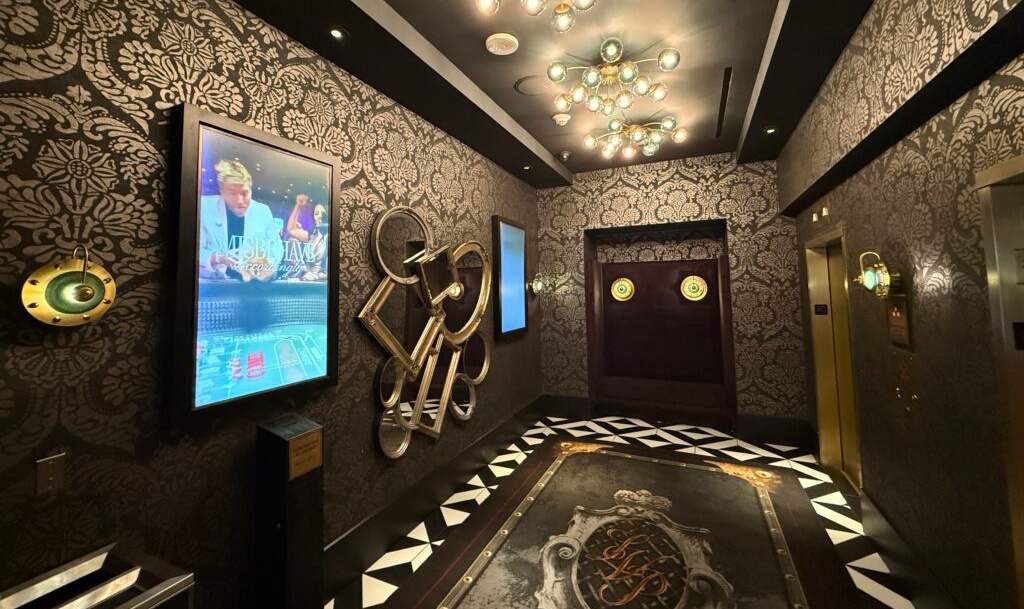
Caesars Rewards member Pam W. from Colorado hit a seven-card straight flush on the Las Vegas Strip property.
The Vanderpump Hotel on the Las Vegas Strip has reported an $813,553 jackpot win on Pai Gow Poker, just weeks after the property officially opened.
According to the company, Caesars Rewards member Pam W., visiting from Littleton, Colorado, won the payout after hitting a seven-card straight flush while playing Pai Gow Poker at The Vanderpump Hotel. The release said Pam was on a weeklong vacation with her husband and plans to use the winnings toward a European river cruise.
The Vanderpump Hotel is Lisa Vanderpump’s first hotel, developed in partnership with Caesars Entertainment. The property has 188 guest rooms, including 21 suites, and a 40,000-square-foot casino, the company said.
The venue’s food, beverage and nightlife lineup includes GIADA by Giada De Laurentiis, rooftop pool and event space Soleia, and Drai’s After Hours in its original location beneath the hotel. The property also hosts Caesars Sportsbook in a lounge-style format, alongside lounges including Gigolo and The Bar at The Vanderpump Hotel.
The post Vanderpump Hotel reports $813,553 Pai Gow Poker jackpot weeks after opening appeared first on EE Gaming | Global iGaming & Tech Intelligence Hub.

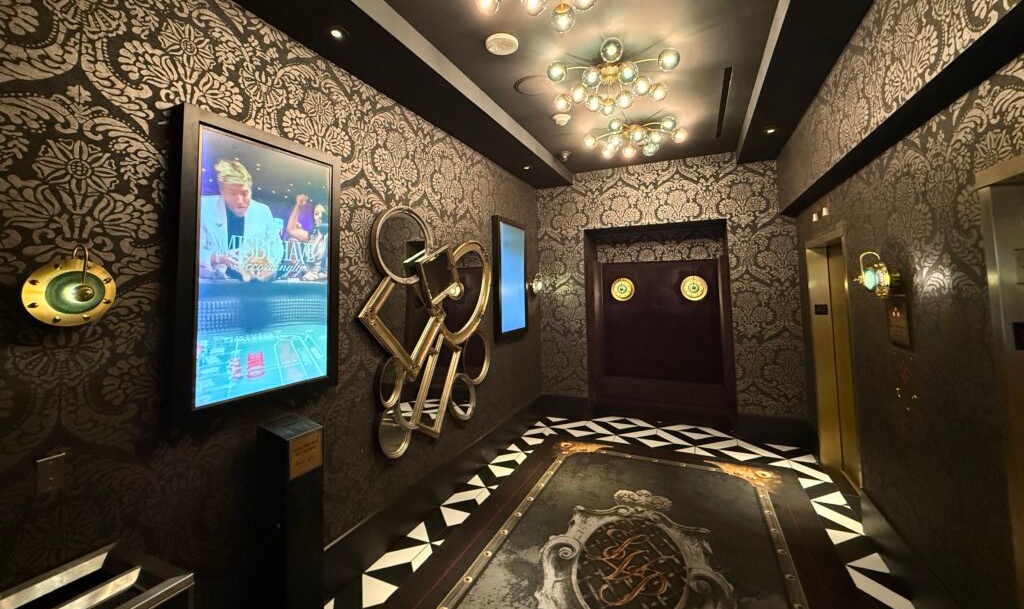
The Vanderpump Hotel – Lisa Vanderpump’s first-ever hotel in partnership with Caesars Entertainment – is dealing out big wins on the Las Vegas Strip, celebrating a dazzling $813,553 payout just weeks after officially opening its doors.
Caesars Rewards® member Pam W., visiting from Littleton, Colorado, hit the jackpot with a seven-card straight flush on Pai Gow Poker at The Vanderpump Hotel. Pam, who is in town enjoying a weeklong vacation with her husband, is already planning her next adventure – turning her Vegas luck into a dream European river cruise.
Blending elevated design with a distinct sense of personality, The Vanderpump Hotel introduces a boutique, lifestyle-driven hospitality experience in the heart of one of the world’s most dynamic destinations. The hotel offers an intimate footprint with 188 guest rooms, including 21 suites.
The property also features a 40,000-square-foot casino; Gigolo, a sexy, sultry lounge and The Bar at The Vanderpump Hotel, an inviting destination in the center of the casino – all curated to deliver a sophisticated yet playful atmosphere.
Culinary and nightlife offerings are anchored by GIADA, the award-winning flagship restaurant from celebrity chef Giada De Laurentiis; Soleia, a 65,000-square-foot rooftop pool and event space with open-air, panoramic views from 11 stories above the Las Vegas skyline; and Drai’s After Hours, located in its original home beneath the hotel. Caesars Sportsbook at The Vanderpump Hotel provides a boutique, lounge-style setting for sports fans and gaming enthusiasts alike. Guests can book stays at The Vanderpump Hotel via the Caesars Rewards app or online at caesars.com/thevanderpumphotel.
The post Raise a Glass: The Vanderpump Hotel Celebrates $813,553 Jackpot Win appeared first on Americas iGaming & Sports Betting News.

-

 content-supply5 days ago
Million Games launches Skull King’s Treasure with partner studio Arcane Pixel
-
Canada6 days ago
What Canadian Slot Players Are Really Comparing in 2026: Payout Speed, Interac and RTP Transparency
-
Alberta6 days ago
Octoplay secures conditional Alberta iGaming supplier approval from AGLC
-
Africa5 days ago
SpringbokCasino ties July free spins to ‘Minions in the Wild’ campaign
-
Africa5 days ago
Booming Games renews Hollywoodbets Durban July activation partnership
-
Casino Content6 days ago
SkillOnNet adds ODDSworks casino content across Ontario sites
-
Evoplay5 days ago
Evoplay launches Safari Coins slot with fixed jackpots and collector mechanic
-
GGPoker5 days ago
GGPoker opens satellites for WSOP Circuit CDMX México 2026