Latest News
New GambleAware-commissioned Research Warns of High Risks from Gaming Machines, Online Casino Games and Loot Boxes


GambleAware, the leading charity and commissioner of gambling harms prevention and treatment services in Great Britain, has published a new report looking at which types of gambling pose the highest risks of harm.
GambleAware commissioned Bournemouth University to conduct research exploring the relative risks of harm associated with different types of gambling including land-based electronic gaming machines, online casino games, loot boxes and the National Lottery draw.
The research found that land-based electronic gaming machines in bookmakers and casinos and online casino games, which both offer the possibility of quick rewards and a fast pace of play, were associated with the highest level of risk. Usage of electronic gaming machines was the biggest predictor of someone going on to experience future gambling harms and those using land-based electronic gaming machines were found to be over 10 times more likely than average to be experiencing “problem gambling” while those using online casino games were four times more likely than average to experience harm.
The report calls for more restrictions on the availability and design of electronic gaming machines, including reducing the number of machines in venues, lowering stakes and implementing mandatory breaks. More restrictions are also called for on online casino games, to focus on responsible design, as well as for gambling operators to continue to develop and enhance systems to provide personalised support for online customers displaying signs of risk indicators such as spending large amounts of time or money.
The research also looked at other products which are often not viewed as traditional gambling including loot boxes and the National Lottery.
Loot boxes, which often feature in games aimed at children, can blur the lines between gaming and gambling, and were also found to carry risks. The research discovered that fifty percent of people who use loot boxes in computer games are at any level of risk. Those who used loot boxes exhibited a high likelihood of experiencing “problem gambling”, as using them inherently increases the risk due to their accessibility, immersive nature, and the blending of gaming and gambling environments. The report recommends that the effects of gambling-like elements in video games, such as loot boxes, should be investigated and more should be done to restrict their use among young people aged under 18.
The research also showed the National Lottery draw has a high reach into communities experiencing gambling harms. An estimated 600,000 people experiencing “problem gambling” were found to be using the National Lottery draw, while 500,000 people experiencing “problem gambling” use scratch cards. The report recommends that the National Lottery should signpost people to support services such as GambleAware, to help any lottery players who may be experiencing gambling harms.
The number of different types of gambling people take part in was also found to have a major impact on the risk of gambling harm. The report showed that the level of “problem gambling” increases in line with the number of types of gambling activities people participate in, and increases more after two activities. Therefore the report also calls for gambling operators to create shared databases to identify people doing several different types of gambling who are at an increased risk of gambling harms.
Zoë Osmond, CEO of GambleAware, said: “No form of gambling is completely without risk. However this new research shows that there are some particular types of gambling which can lead to an increased chance of experiencing gambling harm, which can have a corrosive effect on people’s lives, finances, careers and relationships.
“The research also brings into question some of the measures outlined in the Gambling White Paper such as relaxations in land-based gambling , which could lead to an increase in electronic gaming machines in venues, and having different online slot stake limits for those aged over 25 – we believe people over 25 should have the same lower limits as those who are younger. The report suggests the measures do not go far enough to protect people. This is why we are calling for the recommendations in this report to be adopted as they will help ensure that people can be better protected.”
Dr Ruijie Wang, from Bournemouth University, said: “This research was designed to explore the risks of harm from different types of gambling in the context of regulatory changes that were proposed within the UK government’s Gambling White Paper. The results highlight the need for more stringent gambling regulation, particularly in online slots and land-based electronic gaming machines due to their high risk of harm to young adults. More regulation is also needed to limit gambling-like practices in video gaming, such as loot boxes, to individuals aged over 18 years as the interaction between video gaming and gambling should not be ignored.”
The post New GambleAware-commissioned Research Warns of High Risks from Gaming Machines, Online Casino Games and Loot Boxes appeared first on European Gaming Industry News.













Slotegrator’s platform solution now offers progressive web app (PWA) functionality, enabling operators to provide installable casino apps with push notifications, flexible branding, and seamless access across changing domains.
The Casino Builder module in Slotegator’s platform solution has been upgraded with a Progressive Web Application (PWA) feature that allows casinos to deliver an app-like experience without relying on the App Store or Google Play.
Native apps are powerful tools for building customer loyalty and enhancing engagement. However, iGaming brands face serious obstacles, such as strict marketplace policies, long review processes, geographic restrictions, and the constant threat of app removal. Slotegrator’s PWA functionality eliminates these barriers, allowing players to install a casino app directly from their browser and enjoy many of the same benefits as a native app.
After installation, the PWA opens from the user’s home screen, loads fast, and supports push notification integration that enhances player engagement and retention.
“Mobile is still the leading channel for user acquisition and retention; however, it’s difficult to distribute native apps in iGaming,” says Olga Ivanchik, COO at Slotegrator. “Our new PWA feature gives operators an alternative that will be familiar to their players, while eliminating the complications related to conventional app stores. Operators can launch quickly, retain full control over updates, and ensure a perfect mobile gaming experience for any market.”
Within the next 2 months, operators will also have the ability to determine when the PWA install bar will be visible to the player. For example, displaying the install bar immediately after the first deposit, as part of a broader retention strategy, helps drive long-term player LTV. The operator can also set up frequency of the install offer — daily, weekly, just once, etc.
Some operators have to consider UX for multiple frontends. Luckily, the installation widgets are highly flexible, helping them drive maximum conversion without sacrificing user experience. Operators can select a top bar or a top banner installation widget, both of which are fully customizable with branded icons, messaging, and backgrounds.
Operators can limit the visibility of their installation campaigns to specific devices — desktop, mobile, Android, or iOS — thanks to special targeting options. Operators can also design acquisition strategies specific to each platform, driving installs only where they offer the best user experience.
When players install the PWA, operators can connect it to push notification services, so they can re-engage them even when the application isn’t actively open.
Mirror domain compatibility addresses a common operational challenge in restricted markets. If an operator has to change domains due to licensing or regulatory requirements, players who have already installed the PWA will be able to continue using it without reinstallation.
Unlike native applications, PWAs don’t require App Store or Google Play approval, effectively eliminating possible delays and the risk of removal from the market. Instead, operators can deploy updates instantly to every user.
The new PWA functionality is now available in Slotegrator’s Casino Builder module, alongside other tools for improving mobile acquisition, engagement, and player retention.
ABOUT THE COMPANY
Since 2012, Slotegrator has been one of the iGaming industry’s leading software and business solution providers for online casino and sportsbook operators.
The company’s main focus is software development and support for online casino platforms, as well as the integration of game content and payment systems.
The company works with licensed game developers and offers a vast portfolio of casino content: slots, live casino games, poker, virtual sports, table games, lotteries, casual games, and data feeds for betting.
Slotegrator also provides consulting services in gambling license acquisition and business incorporation.


eGaming Integrity has been named Independent Online Gambling Assurance Provider of the Year 2026 at the UK Enterprise Awards, organised by SME News. The company is based in the Isle of Man and works with operators in regulated online gambling markets.
According to the company, the award recognises its assurance work aimed at helping gambling operators evaluate whether their compliance processes are prepared for regulated market requirements, as regulatory expectations increase around compliance standards and customer protection.
eGaming Integrity said its internal audit reviews assess how gambling businesses operate in practice, including whether procedures and controls meet standards expected by regulators. The company added that the process is designed to help operators identify where controls are effective and where improvements may be needed before issues emerge.
Emma Shilling, Director at eGaming Integrity, said,
“This award recognises the reason eGaming Integrity was created. Responsible operators want to know where they stand before problems appear, and independent assurance provides that outside perspective.
“Our team has seen regulation from both sides, which helps us understand where processes can break down and how operators can make practical improvements.”
Speaking on the accomplishments of the 2026 winners, Laura O’Carroll, Awards Manager, said,
“The announcement of our UK Enterprise Awards is perhaps one of our most anticipated milestones every year, and the 2026 launch is no different. We are truly pleased to deliver our digital magazine and winners list, showcasing such excellence, to our readers again this year. Atop this, to our winners, and from our team to yours, we wish you all a sincere congratulations on your success in this year’s programme.”
The post eGaming Integrity wins SME News UK Enterprise Award for gambling assurance appeared first on EE Gaming | Global iGaming & Tech Intelligence Hub.
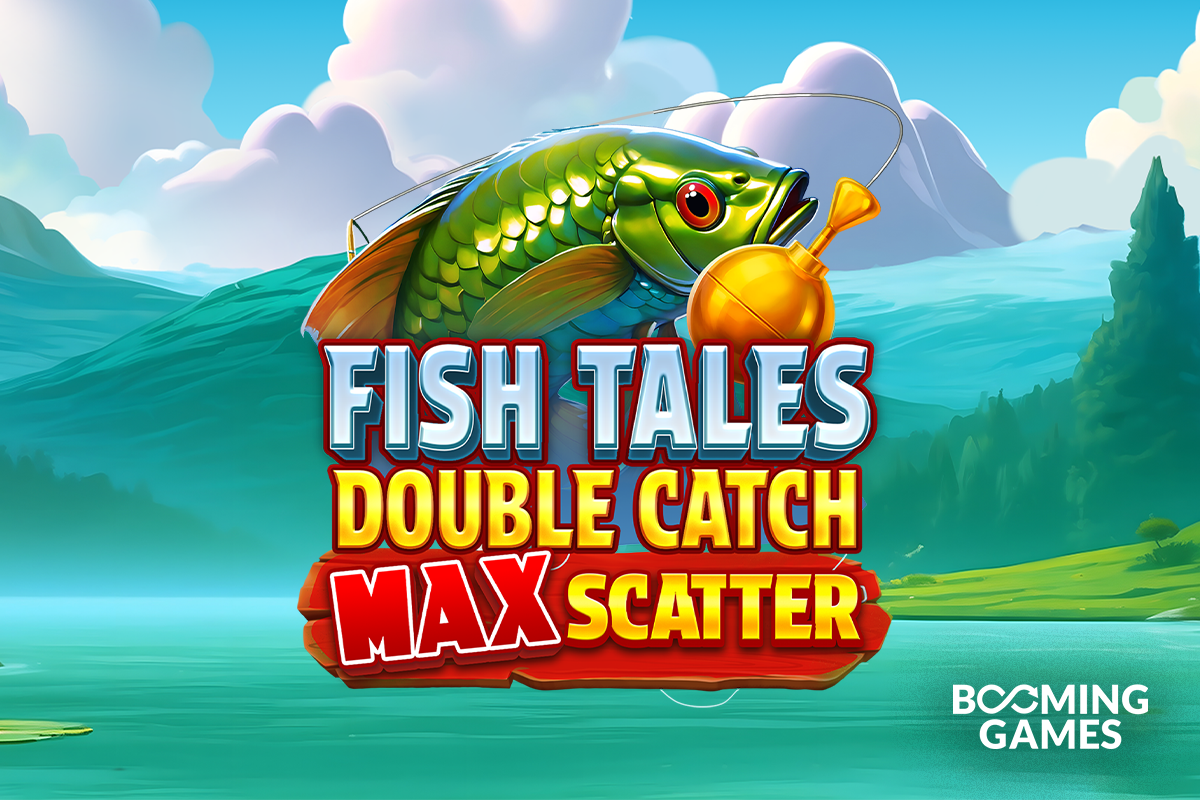
Booming Games has launched Tasty Bonanza Max Scatter, a new online slot released on 16 July 2026 from the supplier’s Malta base. The title is the second game in its Max Scatter series and uses a 6×4 grid with Scatter Pays, cascading wins and a stated maximum win potential of 15,000x.
The game pays when eight or more of the same symbol land. Winning symbols are removed and remaining symbols cascade down, with new symbols dropping in until no further wins are formed.
Free Spins are triggered by landing four or more Scatter symbols, including Scatters and Max Scatters, awarding 10 Free Spins. During the bonus, Random Multipliers can appear with values from 2x to 100x and remain active until the cascade sequence ends, after which multiplier values are combined and applied to the total win. Three or more Scatter symbols during Free Spins add five additional spins, while the feature ends if the max win is awarded.
Booming Games also includes Bonus Buy options priced at 100x the bet amount and a “Super Buy Bonus” at 500x, which the company says offers multipliers from 15x to 100x. A BOOST+ option increases the bet by 25% and increases the chance of triggering bonus features.
Craig Asling, Director of Games at Booming Games, said: “Tasty Bonanza Max Scatter is a great example of how we’re innovating within one of our top performing franchises. By adding exciting new Max Scatter mechanics to one of our most popular slots, we are confident the game will appeal to players looking for top-quality entertainment and high-stakes gameplay.”
The post Booming Games launches Tasty Bonanza Max Scatter slot appeared first on EE Gaming | Global iGaming & Tech Intelligence Hub.

-

 Compliance Updates6 days ago
Arizona Department of Gaming Issues Cease-and-Desist Orders to Multiple Operators Linked to Underage Gambling and Illegal Activity
-
 Compliance Updates6 days ago
KONAMI GROUP’s Konami Gaming Inc. First to Submit Manufacturer License Application in Japan’s Emerging IR Market
-
Latest News7 days ago
PG Soft appoints Hugo Baungartner as General Manager LatAm
-
Latest News7 days ago
PG Soft names Hugo Baungartner as General Manager LatAm
-
Latest News6 days ago
Enjoy Gaming Builds on Slot success with Diamond Slam: Xtra Power
-
Latest News6 days ago
Weekend Reels | Week 28: Slot Drops & Trends
-
Compliance Updates6 days ago
Spillemyndigheden Publishes Report on Illegal Gambling
-
Canada6 days ago
High 5 Games Expands Across Alberta’s Open iGaming Market Following AGLC Supplier Approval