Latest News
Innovations Redefining iGaming: What Operators Need to Know

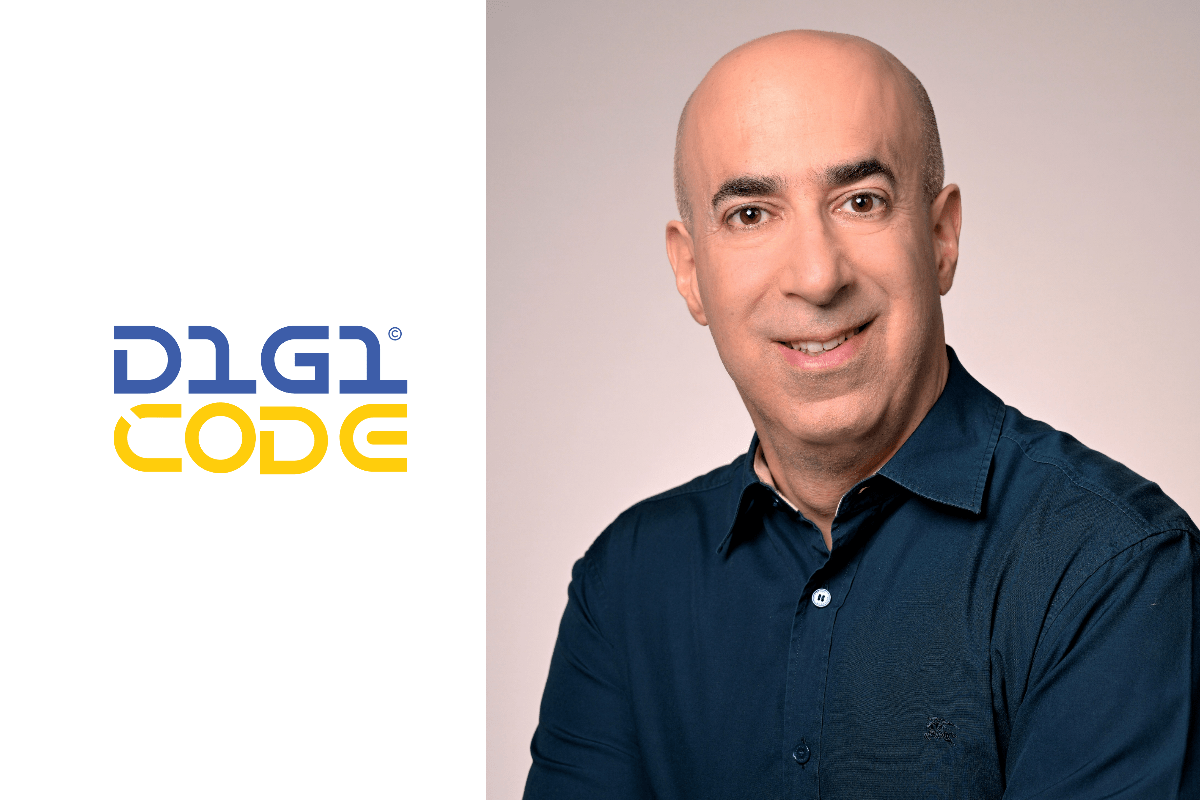
The iGaming industry is advancing at breakneck speed, driven by technological innovation and evolving player expectations. Itai Zak, Executive Director of iGaming at Digicode, emphasizes the importance of bridging client aspirations with customized business solutions. Key trends shaping the future of iGaming include live dealer games, blockchain integration, artificial intelligence (AI) and machine learning (ML), enhanced personalization, and shifting regulatory environments. Let’s delve into how these trends influence the industry, presenting new opportunities while paving the way for future growth.
A Closer Look at Emerging Trends
- Live Dealer Games
Live dealer games are revolutionizing the online gaming experience, blending the best aspects of land-based casinos with the convenience of virtual gaming. Players can now engage with real-life dealers via high-definition video streams, enhancing the social component of online gambling. This bridge between physical and virtual casinos introduces interactive features like live chat and immersive gameplay. Industry leaders like Evolution Gaming and NetEnt are setting new standards in player engagement with innovative game formats and top-tier studio setups, redefining the realism and appeal of live gaming.
- Blockchain and Cryptocurrency Integration
Blockchain technology is transforming iGaming by offering unparalleled transparency and security. With blockchain’s ability to enable provably fair gaming, players can verify that each round is fair via an immutable ledger. Cryptocurrencies like Bitcoin and Ethereum facilitate faster, more secure transactions, catering to tech-savvy players who value privacy. Platforms like Bitcasino.io are leading the way, leveraging blockchain to ensure fairness and seamless payments. However, the rise of blockchain also attracts regulatory attention, requiring operators to balance innovation with compliance as governments navigate this new technology.
- Artificial Intelligence and Machine Learning
AI and ML are instrumental in enhancing player experience and operational efficiency. AI algorithms analyze player behavior in real-time, offering personalized game recommendations and promotions. Additionally, AI-powered chatbots provide instant customer support, improving user satisfaction. AI-driven predictive analytics also help operators fine-tune marketing strategies based on player preferences. Companies like Bet365 are already using these technologies to stay ahead of the competition, offering more personalized and efficient gaming experiences.
- Richer Personalization and Engagement
Personalization has become crucial for iGaming operators looking to boost player satisfaction and retention. By leveraging data analytics, companies can offer tailored game recommendations, dynamic bonuses, and individualized promotional offers. This level of engagement enhances the player experience and strengthens loyalty. Industry pioneers like DraftKings and FanDuel push the envelope by offering highly customized features, such as personalized fantasy sports leagues and bespoke betting options.
- Regulatory Changes and Market Expansion
The constantly evolving regulatory landscape offers both challenges and opportunities for iGaming operators. As more regions legalize various forms of online gambling, companies gain access to new markets. With their large populations and increasing internet penetration, emerging markets like Brazil and Nigeria represent lucrative opportunities. However, navigating the diverse regulations in these markets requires agility and strict compliance with local laws to succeed.
- Enhanced Payment Solutions
With digital transactions becoming the norm, the demand for fast, secure, and flexible payment methods is skyrocketing. From digital wallets to instant banking and cryptocurrencies, players expect payment solutions that offer convenience and security. This growing demand is driving innovation in payment processing, giving operators more opportunities to streamline the transaction process while building trust with users.
Future Implications
The Expanding Role of AI and Blockchain
AI and blockchain are not just current trends, but they are poised to play an even more significant role in iGaming’s future. As AI technology evolves, more sophisticated algorithms will emerge, enabling real-time adaptation to player behavior and preferences. Blockchain’s application may extend beyond transparency and security, transforming game mechanics and player interactions potentially redefining how games are designed and played.
Shifting Player Preferences
Player expectations will continue to evolve toward immersive, interactive experiences. As Virtual Reality (VR) and Augmented Reality (AR) become more mainstream, they will significantly influence the future of iGaming. Players will demand more engaging, lifelike environments, pushing the industry to create innovative game formats and features that offer deeper immersion and entertainment value.
Regulatory Developments
The regulatory environment will continue to evolve, and iGaming operators must stay agile to navigate future changes. New regulations may increasingly emphasize responsible gaming and player protection, influencing platform design and operational practices. A more harmonized regulatory framework across jurisdictions could provide stability while requiring operators to prioritize compliance.
Integrating Emerging Technologies
Technologies like 5G and edge computing are set to revolutionize iGaming by enabling faster, more reliable connectivity. This will allow for more complex game designs and real-time player interactions, opening new avenues for innovative gaming experiences. As these technologies mature, operators will have greater opportunities to differentiate their offerings. The potential of these emerging technologies to revolutionize iGaming is truly exciting and promising for the industry’s future.
Final Thoughts
The iGaming industry is on the cusp of significant transformations, driven by technological advancements and shifting player demands. Innovations like live dealer games, blockchain integration, AI, ML, and enhanced personalization are just the beginning. As the industry evolves, staying ahead of these trends will be critical for operators looking to thrive in an increasingly dynamic environment.
At Digicode, we are constantly exploring new technologies and refining our solutions to meet the evolving needs of our clients. Our focus on adaptability and foresight ensures that our clients are not just keeping pace with the industry—they’re leading it.
The post Innovations Redefining iGaming: What Operators Need to Know appeared first on European Gaming Industry News.













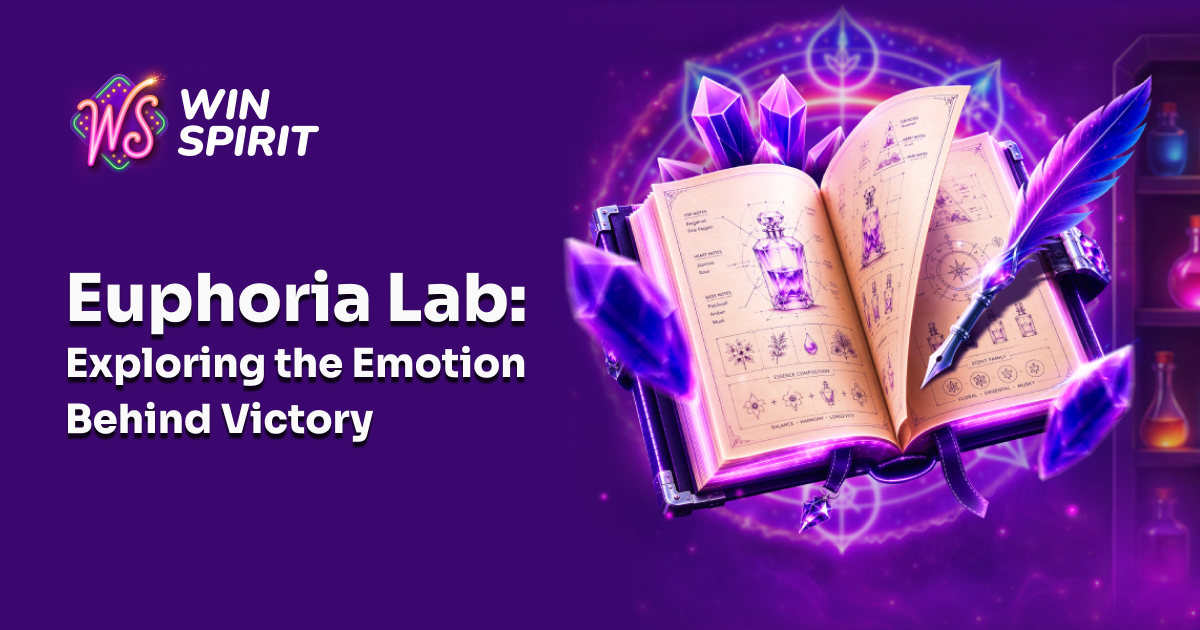
As competition among online casino operators increasingly centers on bonus size and game catalogs, WinSpirit is testing a different kind of engagement. The company has launched Euphoria Lab, a project built around an unusual premise for the industry: asking players not about payouts, but about feelings.
Players are invited to share the emotions, memories, and scents they connect with winning. Some describe it as the smell of rain before a summer storm, others mention morning coffee, sea breeze, or the charge in the air right before a result is announced.
The initiative sits within WinSpirit’s summer campaign, but its ambition reaches beyond typical promotions or gameplay mechanics. Euphoria Lab turns attention to the emotional side of play — the moments that stay with players long after a session ends.
Every response collected becomes part of a larger creative project WinSpirit intends to unveil later this year. The company has kept the details under wraps, saying only that the concept moves in a direction rarely seen in the online casino space.
Rather than the usual focus on numbers, odds, or promotions, Euphoria Lab asks a simpler question: not what a win pays out, but what it feels like.
The project is live now, with players across several markets already contributing their answers — a growing, community-shaped experiment with no fixed endpoint yet.
The post What Does a Win Feel Like? WinSpirit Is Trying to Find Out appeared first on EE Gaming | Global iGaming & Tech Intelligence Hub.

As competition among online casino operators increasingly centers on bonus size and game catalogs, WinSpirit is testing a different kind of engagement. The company has launched Euphoria Lab, a project built around an unusual premise for the industry: asking players not about payouts, but about feelings.
Players are invited to share the emotions, memories, and scents they connect with winning. Some describe it as the smell of rain before a summer storm, others mention morning coffee, sea breeze, or the charge in the air right before a result is announced.
The initiative sits within WinSpirit’s summer campaign, but its ambition reaches beyond typical promotions or gameplay mechanics. Euphoria Lab turns attention to the emotional side of play — the moments that stay with players long after a session ends.
Every response collected becomes part of a larger creative project WinSpirit intends to unveil later this year. The company has kept the details under wraps, saying only that the concept moves in a direction rarely seen in the online casino space.
Rather than the usual focus on numbers, odds, or promotions, Euphoria Lab asks a simpler question: not what a win pays out, but what it feels like.
The project is live now, with players across several markets already contributing their answers — a growing, community-shaped experiment with no fixed endpoint yet.
The post What Does a Win Feel Like? WinSpirit Is Trying to Find Out appeared first on Americas iGaming & Sports Betting News.

As competition among online casino operators increasingly centers on bonus size and game catalogs, WinSpirit is testing a different kind of engagement. The company has launched Euphoria Lab, a project built around an unusual premise for the industry: asking players not about payouts, but about feelings.
Players are invited to share the emotions, memories, and scents they connect with winning. Some describe it as the smell of rain before a summer storm, others mention morning coffee, sea breeze, or the charge in the air right before a result is announced.
The initiative sits within WinSpirit’s summer campaign, but its ambition reaches beyond typical promotions or gameplay mechanics. Euphoria Lab turns attention to the emotional side of play — the moments that stay with players long after a session ends.
Every response collected becomes part of a larger creative project WinSpirit intends to unveil later this year. The company has kept the details under wraps, saying only that the concept moves in a direction rarely seen in the online casino space.
Rather than the usual focus on numbers, odds, or promotions, Euphoria Lab asks a simpler question: not what a win pays out, but what it feels like.
The project is live now, with players across several markets already contributing their answers — a growing, community-shaped experiment with no fixed endpoint yet.

-

 Affiliate Industry7 days ago
Hub Affiliations Triumphs at the iGB Affiliate Awards 2026: Winner of Programme/Network Campaign of the Year
-
Latest News7 days ago
N1 Partners at iGB L!VE 2026: Bringing Together Affiliates, Art and Innovation
-
affiliate marketing7 days ago
Hub Affiliations wins iGB Affiliate Awards 2026 campaign prize
-
10bet4 days ago
Ellis Park Stadium signs five-year naming rights deal with 10bet
-
central asia4 days ago
Groove confirms attendance at SBC Summit Tbilisi 2026
-
Bucharest3 days ago
Eeze opens 1,200 sqm Bucharest hub for technical teams
-
Caesars Rewards7 days ago
Raise a Glass: The Vanderpump Hotel Celebrates $813,553 Jackpot Win
-
affiliate marketing4 days ago
SEOBROTHERS’ Aleksandra Drigo flags higher barriers for affiliates in regulated Alberta