Latest News
Five Years Post-PASPA: The Spread of Legal Sports Betting in the USA


Five years ago, the Professional and Amateur Sports Protection Act (PASPA) was repealed by the Supreme Court, kicking off one of the fastest periods of gambling legalization ever seen in the USA.
The repeal of PASPA, which had prevented all but a handful of states from regulating sports betting, started a revolution in real money betting that has forever changed the US gambling industry.
Five years later, it’s time to look back at how the market has developed and the legal, economic, and social effects of this monumental change.
The Context: The Downfall of PASPA
PASPA was a federal law that came into effect in 1992. It included all states except Nevada, Oregon, Montana, and Delaware, which were excluded because their laws already had sports betting provisions.
PASPA outlawed sports betting in all other states, effectively banning it nationwide. This didn’t mean that sports betting wasn’t happening; it was just an underground, offshore activity.
PASPA remained in force until May 2018, when the Supreme Court ruled it unconstitutional. This was thanks almost entirely to the efforts of New Jersey, under the leadership of Governor Chris Christie, who brought the legal challenge after trying to legalize online sports betting in 2011 and 2014. New Jersey argued that part of PASPA violated the anti-commandeering doctrine (the tenth amendment), which, in overly simple terms, prevents the federal government from coercing states to adopt or enforce federal laws.
The District Court first heard New Jersey’s case, then the Third Circuit, with both ruling against them. However, upon appeal, the case was heard by the Supreme Court (SCOTUS) on May 14th, 2018. SCOTUS agreed that PASPA violated the anti-commandeering principle, rescinding the entire act and stating that PASPA was meant to work as a whole, meaning that if part of it was not legally viable, the whole act must be struck down.
Legal Outlook: 38 States Legal, 12 To Go
With PASPA gone, each state now had the right to decide whether to legalize sports betting, with a majority opting to. As of November 2023, 38 states have said yes, passing new laws that allow retail sports betting. Online sports betting is also available in 26.
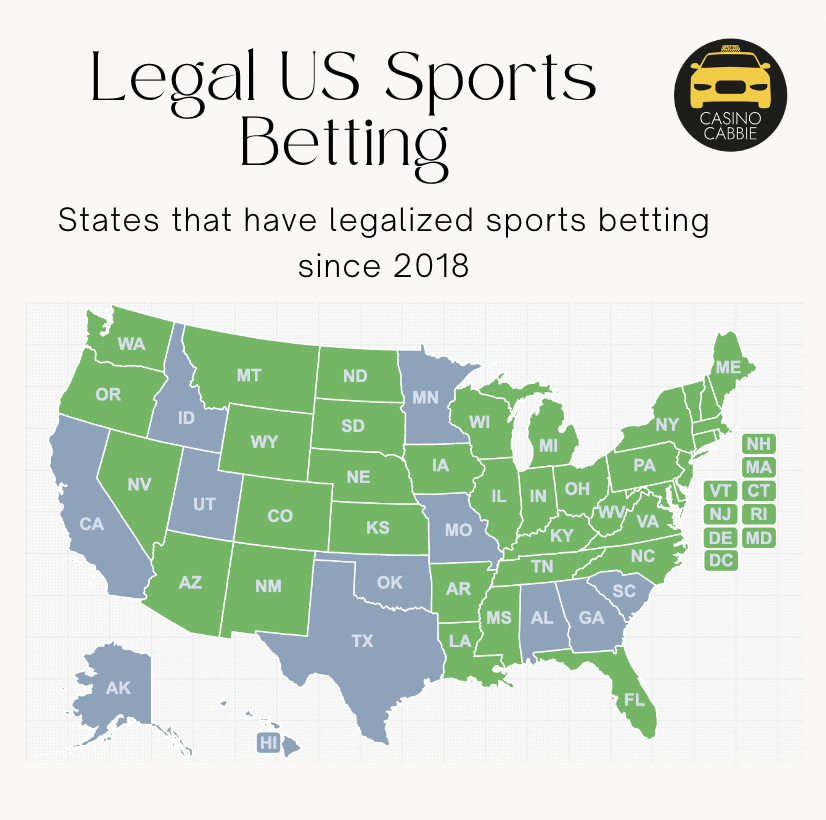 There are 12 states left to legalize. Three of them (South Carolina, Alabama, and California) face strong opposition, and the remaining nine are looking to introduce bills in the 2024/2025 legislative sessions. North Carolina and Minnesota are tipped to be the next to join the fray, and Oklahoma introduced a new proposal two months ago.
The legal landscape remains complex, with different rules, regulators, and taxation regimes in each state. On top of this, in certain locations, the presence of tribal gaming compacts has conflicted with commercial interests (the ongoing case of Florida sports betting and tribal opposition in California serve as perfect examples).
Growth of Online Casinos – Not Going As Planned
While there was no guarantee, many industry experts and commentators hoped that the legalization of sports betting would soon be followed by online casino regulation. However, thus far, only six states have legalized online casinos: New Jersey, Delaware, Pennsylvania, Michigan, West Virginia, and Connecticut, the latest to join the ranks, passing HB 6451 in 2021. Since then, there’s been no further movement for online casinos.
Players outside the mentioned states may only use land-based casinos or free social gaming sites where available. Sweepstakes casinos are also available across the country, Idaho and Washington aside. As a legitimate gaming option, sweepstakes are taking the US by storm, but just like with real online casinos, players should use a review site to find the best options.
As sweepstakes casinos don’t require a license in the USA, expert advice such as Casino Cabbie’s Wow Vegas Online Casino Review highlights any security issues and the benefits and pitfalls of each site as well before players sign up, making them an invaluable resource.
Economics: More Than $220 Billion Spent On Sports Betting Since 2018
One of the biggest drivers of sports betting legalization is the promise of potential tax revenue. The US sports betting industry is enormous, and since 2018, more than $220 billion has been spent on wagers, contributing over $3 billion in state taxes. The revenue earned by states has been instrumental in funding local projects and new initiatives, as well as responsible gambling research and support.
More in-depth and up-to-date research focusing on the exact economic contribution of sports betting is thin on the ground, and the last comprehensive study by Oxford Economics was published in 2017. At the time, it detailed that the entire sports betting industry created over 216,671 jobs.
Due to the lack of current data, we’re left to turn to figures charting the impact of the entire gambling industry, which includes casinos and sports betting. According to statistics from the American Gaming Association in 2022, US gambling is a powerhouse industry, creating, in total, 1.8 million US jobs, with $104.2 billion in wages (these figures include the entire supply chain).
There can be no argument that over the last five years, US sports betting has been a substantial economic contributor, helping state governments recover from COVID-19, creating jobs, and stimulating economic growth.
Social: 77% of American Adults Support Legalization in their State
Legally and economically, things have changed rapidly in the States since the repeal of PASPA, but what about the social impacts?
Research shows that 85% of Americans think the removal of PASPA was correct, with 77% now supporting sports betting legalization in their state. Moreover, the number of Americans open to placing sports bets has grown by 24 million since 2019. With many enjoying the newly legal betting options available to them, public attitudes towards gambling as a whole have seemingly softened.
With many states also benefiting from increased government budgets brought through sports betting tax revenue, it’s important to recognize the benefits this has made to social provisions. Many states have used the influx to contribute more money to education funds and other social causes, like reducing homelessness.
A proportion of the money is also used to fund state problem gambling assistance, with many running state-based hotlines and counseling services. Nonetheless, in many cases, this funding is not enough to offset the increased rates of gambling harms caused by legalization.
Future Outlook: Challenges and Concerns
Looking forward, the US online sports betting industry has a projected compound annual growth rate (CAGR) of 17.33% for 2023-2027, meaning there’s much more to come. However, this rapid growth will lead to some challenges.
Offshore gambling has been a considerable issue for the legal sports betting market. In 2022, The American Gaming Association estimated that Americans wagered $63.8 billion with illegal bookies, costing $3.8 billion in lost gaming revenue and $700 million in state taxes.
While offshore gambling is reducing, the latest data shows that 77% of online sports bets are now placed through regulated operators, compared to just 44% in 2019. However, things are not all rosy, and 48% of those who bet offshore believe they are placing legal wagers.
Gambling addiction also poses a considerable threat to the sustainability of the entire US gambling industry, with some states recently reporting problem gambling rates over 6%, which is three times the national average (to contextualize this figure better, the UK has a problem gambling rate of 0.2%). High rates of problem gambling twinned with rapid growth potentially represent a ticking time bomb that could rock the entire US industry.
It’s undoubtedly been an incredible five years for US bettors and sportsbooks; as a newer gambling market, the US must now look to more mature gambling jurisdictions to see what player protection methods work best and implement them sooner rather than later.













Former WBC cruiserweight champion to appear at PartyPoker Tour UK stops and take part in online activations.
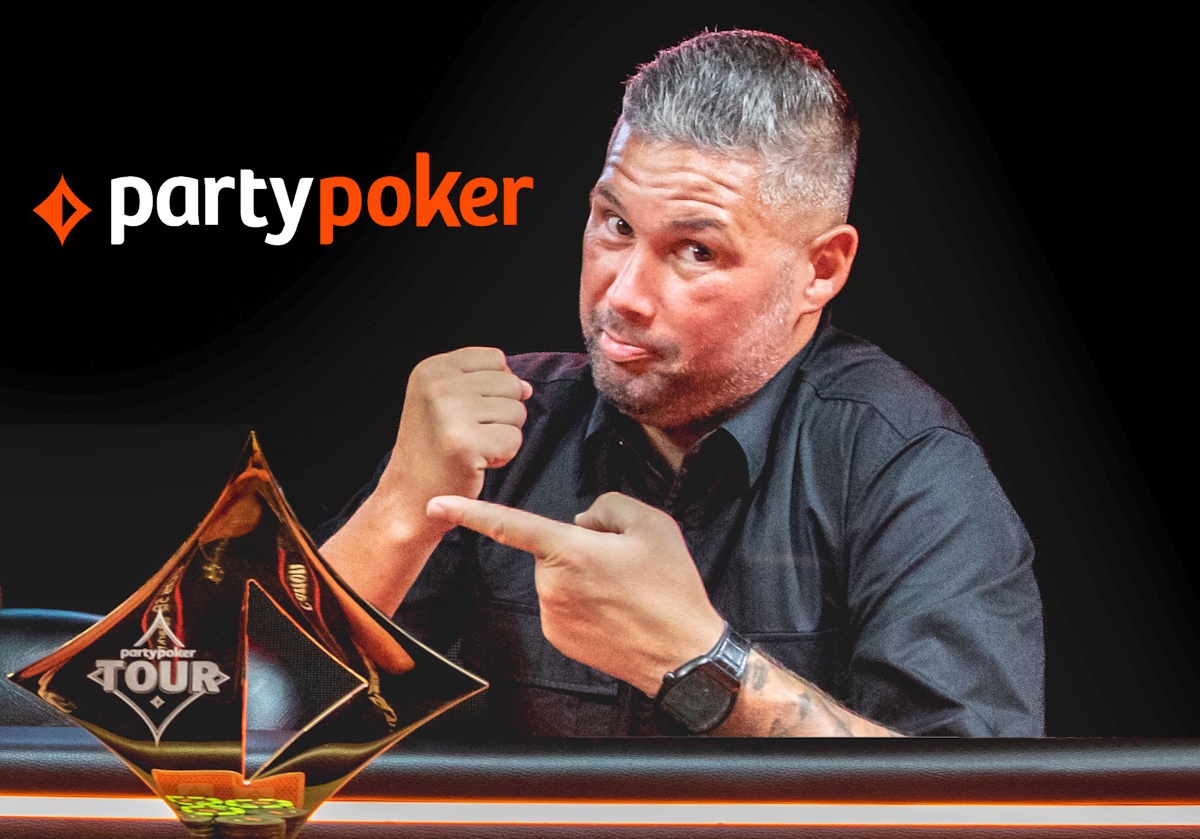
PartyPoker has appointed former WBC Cruiserweight World Champion Tony Bellew as a brand ambassador for the remainder of 2026, with appearances tied to the operator’s live PartyPoker Tour and online poker offering.
The company said Bellew will be “a regular face” at its remaining UK tour stops this season following an earlier appearance at the PartyPoker Tour Birmingham. Bellew will also take part in online activity linked to the PartyPoker schedule.
“I had such a great time at the PartyPoker Tour Birmingham. The atmosphere, the people and the passion for the game were incredible. I’m really excited to be joining the PartyPoker team for the rest of the year, getting involved at the live events, meeting players and seeing where the cards take me,” Bellew said.
PartyPoker said Bellew is scheduled to attend each remaining UK stop on the 2026 PartyPoker Tour: London in July, Glasgow in August, Cork in November, and London in December. The operator also referenced a series of exclusive online events running alongside the live calendar.
The post Tony Bellew signs as PartyPoker brand ambassador through 2026 appeared first on EE Gaming | Global iGaming & Tech Intelligence Hub.

Cease-and-desist letters cite alleged felonies and underage access tied to BetOpenly, Bookmaker, Club WPT Online Poker, Kutt Inc., and Raffle Creator.
The Arizona Department of Gaming said it has issued cease-and-desist orders to five online platforms—BetOpenly, Bookmaker, Club WPT Online Poker, Kutt Inc., and Raffle Creator—after investigations that the Department says involved alleged illegal gambling activity and underage access in Arizona.
In its announcement, the Department said each enforcement action alleges conduct giving rise to three felonies under Arizona law: promotion of gambling, illegal control of an enterprise, and money laundering. The agency cited Arizona’s prohibition on gambling unless specifically authorized (Ariz. Rev. Stat. Tit. 13, Ch. 33) and said the legal gambling age in the state is 21.
“Arizona is taking decisive action against illegal gambling operators that put Arizonans at risk,” said Jackie Johnson, Department Director. “Our top priority is protecting Arizonans and I’m grateful for the efforts of our intelligence unit led by Chief Law Enforcement Officer Doug Jensen to do just that. Through these cease-and-desist orders we are putting operators on notice: their conduct runs contrary to Arizona law and they must stop promoting illegal gambling.”
The Department’s letters describe different alleged violations by operator. For BetOpenly, the Department said peer-to-peer gambling rules prohibit third-party benefit, and alleged the platform benefited via a commission structure while enabling event wagering and daily fantasy sports contests without the required state licenses, including availability to underage Arizonans. For Bookmaker, the Department said its investigation found wagering on horse racing, casino games, and sports betting without an event wagering license or an advanced deposit wagering provider license, adding that online casino games are not legal in Arizona.
For Club WPT Online Poker, the Department alleged the platform enabled individuals under 21 in Arizona to enter pay-to-play online poker tournaments for prizes while using deceptive “no purchase necessary” language; the Department said online poker is illegal in Arizona. For Kutt Inc., the Department said Arizona “social” gambling prohibits third-party benefit and directed the operator to stop allowing Arizona users to deposit money and wager on sports, politics, pop culture, and casino-style games. For Raffle Creator, the Department said the operator did not meet requirements that allow Arizona nonprofits to conduct lawful raffles and alleged it allowed people under 21 to purchase tickets for prize chances.
The Department said the notified entities are directed to immediately stop all gambling operations and activities in Arizona “whether through mobile applications, online, or otherwise,” and to cease any future illegal gambling in the state. It added that future actions may include criminal charges or civil action against entities, principals, and employees, and that operators “may be subject to a potential award of restitution” and forfeiture of monies acquired due to the alleged conduct.
The post Arizona regulator orders five operators to stop alleged illegal gambling activity appeared first on EE Gaming | Global iGaming & Tech Intelligence Hub.
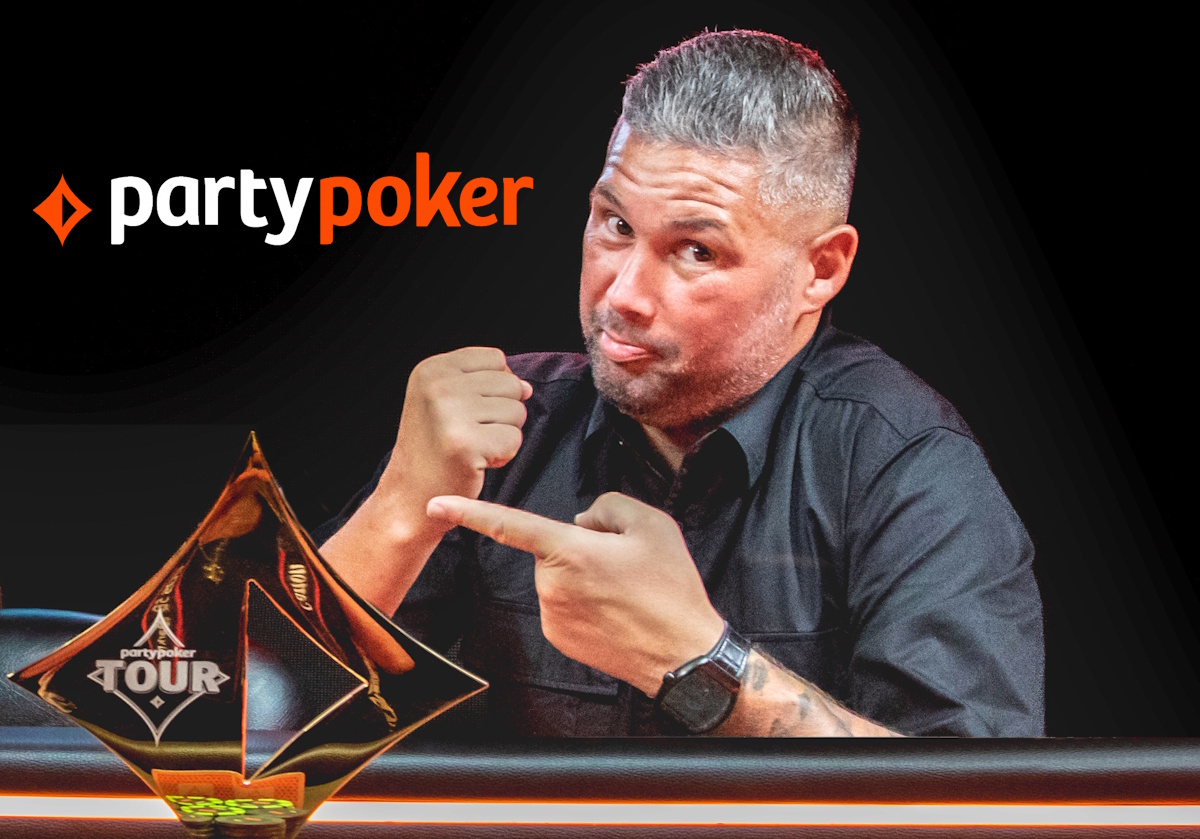
Tony Bellew has officially joined the PartyPoker Brand Ambassador team for the remainder of 2026, strengthening the brand’s growing roster of ambassadors and reinforcing its commitment to bringing poker to a wider audience.
A former WBC Cruiserweight World Champion and one of Britain’s most recognisable sporting personalities, Bellew will play an active role across both PartyPoker’s live tour and online offering throughout the rest of the year.
Speaking about joining the team, Tony Bellew said: “I had such a great time at the PartyPoker Tour Birmingham. The atmosphere, the people and the passion for the game were incredible. I’m really excited to be joining the PartyPoker team for the rest of the year, getting involved at the live events, meeting players and seeing where the cards take me.”
His return follows a hugely successful appearance at the PartyPoker Tour Birmingham earlier this year, where he embraced the atmosphere, spent time with players and immersed himself in the event. After thoroughly enjoying the experience, Bellew will now become a regular face at the remaining UK stops on the PartyPoker Tour throughout the rest of the 2026 season.
As part of his ambassadorial role, Bellew will attend every remaining UK stop PartyPoker Tour in 2026:
- London – July
- Glasgow – August
- Cork – November
- London – December
With four live festival stops and a series of exclusive online events still to come, players will have plenty of opportunities to meet Bellew at the tables throughout the remainder of the 2026 PartyPoker calendar. Look out for opportunities to take him on online, and at the PartyPoker Tour in Glasgow, Cork and London.
Stay Connected PartyPoker
- Instagram: @partypoker
- Twitter/X: @partypoker
- YouTube: partypokeryt
- Facebook: partypoker
- Discord: PartyPoker Tour
The post Former WBC World Champion Tony Bellew Joins PartyPoker as Brand Ambassador appeared first on Americas iGaming & Sports Betting News.

-

 10bet5 days ago
Ellis Park Stadium signs five-year naming rights deal with 10bet
-
central asia5 days ago
Groove confirms attendance at SBC Summit Tbilisi 2026
-
Bucharest4 days ago
Eeze opens 1,200 sqm Bucharest hub for technical teams
-
API integration4 days ago
Belatra signs cooperation deal to distribute slots via VeliGames
-
affiliate marketing5 days ago
SEOBROTHERS’ Aleksandra Drigo flags higher barriers for affiliates in regulated Alberta
-
Big Bass Blast5 days ago
Pragmatic Play adds Big Bass Blast to Big Bass slot series
-
AB Trav och Galopp3 days ago
BetMakers Technology Group Selected to Distribute ATG Horse Racing Content Across Australia and New Zealand
-
Compliance Updates5 days ago
KSA Updates Guidelines for Conducting Means Test