Gambling
Gambling Reform in the UK: Can It Battle Gambling Addiction?


Gambling addiction has become a significant concern in the UK, with increasing numbers of individuals affected by its adverse consequences. In response to mounting public pressure, the government has recognized the urgency of addressing this issue through gambling reform.
This article examines the potential of gambling reform in the UK as a crucial step in battling gambling addiction. It also explores the key measures being considered and their potential impact on individuals and society.
Tighter Regulation and Consumer Protection
The introduction of stricter restrictions and more consumer protection is one of the main goals of the gaming reform. The UK Gambling Commission has recommended steps include restricting the amount of money that may be wagered online, outlawing the use of credit cards for gambling transactions and improving age verification procedures. These programs seek to improve gambling safety by lowering the possibility that weaker people would fall prey to addiction.
Enhanced Treatment and Support Services
The increase in support and treatment options for those who are addicted to gambling is a key component of gambling reform. The government has pledged to increase financing for gambling addiction treatment, making sure that individuals in need have access to enough services. Individuals may get the treatment they need to beat their addiction and restore control of their life by investing in counseling, helplines and specialized support programs.
Collaboration with the Industry
Effective gambling reform necessitates cooperation and collaboration with the gambling industry itself. The government is working closely with gambling operators to promote responsible gambling practices and implement self-exclusion programs. Encouraging online casinos to adopt ethical marketing strategies when it comes to offering sign up bonuses to new players, provide transparent odds and offer tools for gamblers to set limits on their spending can contribute to a safer gambling environment.
Measuring Success and Ongoing Challenges
Assessing the effectiveness of gambling reform measures is crucial to ensuring their long-term impact. Regular evaluations and monitoring can provide valuable insights into the progress made and areas that require further attention. However, the road to combating gambling addiction is not without its challenges. The online gambling landscape continues to evolve rapidly, necessitating ongoing adaptability in regulations. International cooperation is also vital to address issues related to offshore gambling platforms and advertising.
Conclusion
Fighting the pervasive problem of gambling addiction has advanced thanks to gaming reform in the UK. By implementing tougher regulations, enhancing consumer protection, expanding treatment and support services and promoting prevention via education, the government hopes to create a gaming environment that is safer and more responsible.
Collaboration between the government, corporations and other stakeholders is essential for the success of these measures. Despite continued challenges, the commitment to treating gambling addiction and improving both individual and societal welfare is promoting the growth of a more responsible gambling culture in the UK.









Argentina
iGaming LATAM: SAGSE Leads the Agenda as Regulation Tightens and Operators Expand in Brazil
The iGaming industry in Latin America is experiencing an especially intense week — from Buenos Aires consolidating its position as a regional hub with SAGSE to regulatory movements that could completely reshape the Brazilian market.
At the same time, operators continue to expand their presence and strategies in the country, with Betnacional and Superbet standing out.
SAGSE reinforces its leadership and positions Buenos Aires as a gaming hub in Latin America
The main highlight of the week is, without a doubt, the latest edition of SAGSE (South American Gaming Suppliers Expo), one of the most traditional and relevant events in the Latin American gaming industry.
Held at the Hilton Buenos Aires in Puerto Madero — one of the city’s most strategic and sophisticated districts — the event once again positions itself as a key meeting point for executives, operators, and industry suppliers.
Since 1992, SAGSE has built its reputation as a true business hub. With over 30 editions, it has become a high-level networking platform where companies, technology, and strategic decision-making converge.
The most recent edition further reinforced this positioning.
According to Alan Burak, Vice President of Monografie — the company behind SAGSE — the overall assessment was highly positive:
“The show has been highly positive across all fronts.”
Attendance growth was one of the key indicators of success.
The event recorded a 25% increase compared to the previous year, reaching approximately 3,500 participants.
However, beyond volume, the quality of the audience stood out.
With more than 60% international attendees and a strong presence of C-level executives and decision-makers, SAGSE reinforces its profile as a business-driven event focused on high-value networking.
Over the two days, representatives from key markets such as Brazil, Chile, Colombia, Mexico, Peru, and the Caribbean are participating, reflecting the growing integration of the Latin American ecosystem.
Another key highlight is the curated selection of exhibitors.
With more than 300 companies involved, the event showcases a comprehensive ecosystem that includes:
- sports betting operators
- technology providers
- payment solutions (including crypto and cashless)
- affiliate platforms
- retention and marketing tools
- compliance and responsible gaming solutions
Content also plays a central role.
The conferences address key industry topics such as:
- regulation and compliance
- digital transformation
- new payment methods
- player protection
- the future of responsible gaming
This approach reinforces SAGSE’s positioning as more than just a trade show — it is a platform for education, analysis, and strategic direction.
The closed and exclusive format is another differentiator.
By limiting access to qualified professionals, SAGSE ensures an environment focused on meaningful connections and real business opportunities.
Ultimately, the event acts as a barometer for the market.
And the message is clear: Latin America continues to grow, but with increasing complexity and regulatory demands.
Regulation in Brazil: Pressure on the Growth Model
While SAGSE reflects the region’s potential, regulatory developments highlight the challenges — particularly in Brazil.
The focus is on Bill 1172/2026, introduced by Congresswoman Tabata Amaral, which proposes a total ban on betting advertising in the digital environment.
The measure covers:
- websites
- applications
- social media
- video platforms
If approved, the impact would be structural.
The current user acquisition model — heavily reliant on performance marketing and paid traffic — would be nearly dismantled.
Companies would have to rely exclusively on organic traffic.
This would effectively end:
- targeted advertising
- large-scale acquisition campaigns
- content boosting
- algorithm-driven strategies
Additionally, communication on owned channels would also be restricted.
The bill requires:
- warning messages
- financial risk alerts
- responsible gambling content
The justification is centered on public health.
The proposal references the World Health Organization (WHO), linking gambling advertising to debt and psychological disorders.
Government Opposes Total Ban
Despite legislative pressure, the Brazilian government has taken a different stance.
The Secretariat of Prizes and Betting (SPA) argues that a total ban could have the opposite effect.
According to the regulator, advertising is essential for distinguishing legal operators from illegal ones.
Without it, users could be pushed toward the black market.
This highlights a key point: Brazil’s regulatory framework is still evolving, seeking a balance between consumer protection and market sustainability.
Argentina Blocks Polymarket and Tightens Control
Meanwhile, Argentina has taken concrete enforcement action.
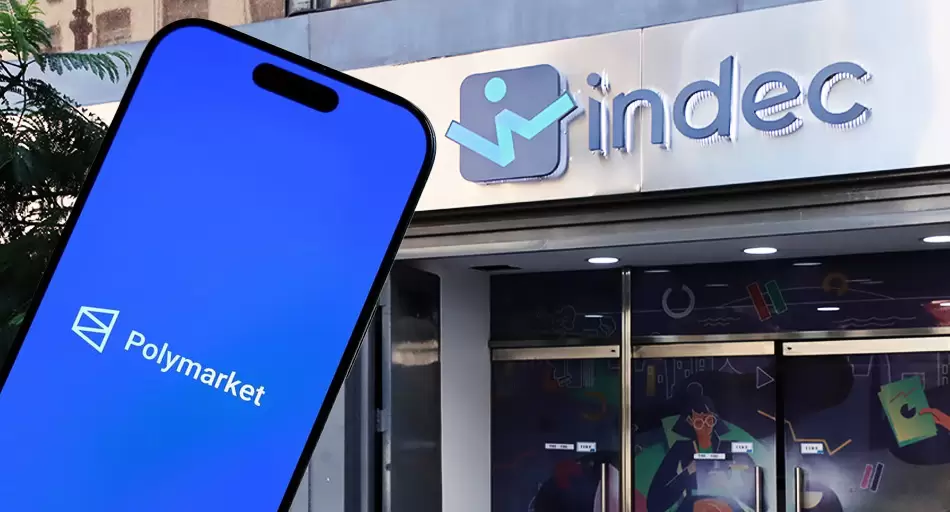
A Buenos Aires court ordered the blocking of Polymarket, one of the world’s leading crypto-based prediction market platforms.
The decision includes:
- blocking the website nationwide
- removing apps from Google and Apple stores
- technical intervention at the ISP level
The main argument was lack of control.
Authorities stated that the platform operated as a disguised betting system, without identity or age verification.
The case intensified following suspicions of insider trading, after unusual activity linked to inflation data before its official release.
A global trend
This is not an isolated case.
Polymarket already faces restrictions in several European countries, signaling a broader global trend toward tighter regulation.
In Brazil, the issue is already under review.
The SPA has confirmed it is analyzing this type of platform, suggesting further regulatory developments ahead.
Innovation and Positioning in the Sector
Despite regulatory pressure, the industry continues to evolve.
The EDScript hackathon, promoted by Esportes da Sorte, aims to drive innovation through the development of new technological solutions.
Meanwhile, the Kaizen Foundation announced a social initiative in partnership with TETO Brasil, focused on building 120 homes for vulnerable communities.
These initiatives show a sector seeking to balance growth with social responsibility.

Brazil: Betnacional and Superbet expand strategies
On the commercial front, two operators stood out:
Betnacional strengthens its presence in football
The company announced:
- master sponsorship of Athletic
- expansion of its agreement with Sport
- investment in women’s football
The strategy focuses on diversification and long-term brand positioning.
Superbet Targets New Audiences
Superbet announced Kelvin “K9” Oliveira as a brand ambassador within the Kings League ecosystem.
The company is aiming to connect with younger audiences through digital entertainment and content creators.
This reflects a broader shift in iGaming marketing strategies.
This week provides a clear snapshot of the iGaming landscape in Latin America.
On one hand, there is growth, professionalization, and regional integration.
On the other, increasing regulatory pressure and the need for adaptation.
Companies that can balance expansion, compliance, and innovation will lead the next phase of the market.
The message is straightforward: the future of iGaming in LATAM will be defined not only by growth, but by the ability to navigate an increasingly complex regulatory environment.
The post iGaming LATAM: SAGSE Leads the Agenda as Regulation Tightens and Operators Expand in Brazil appeared first on Americas iGaming & Sports Betting News.
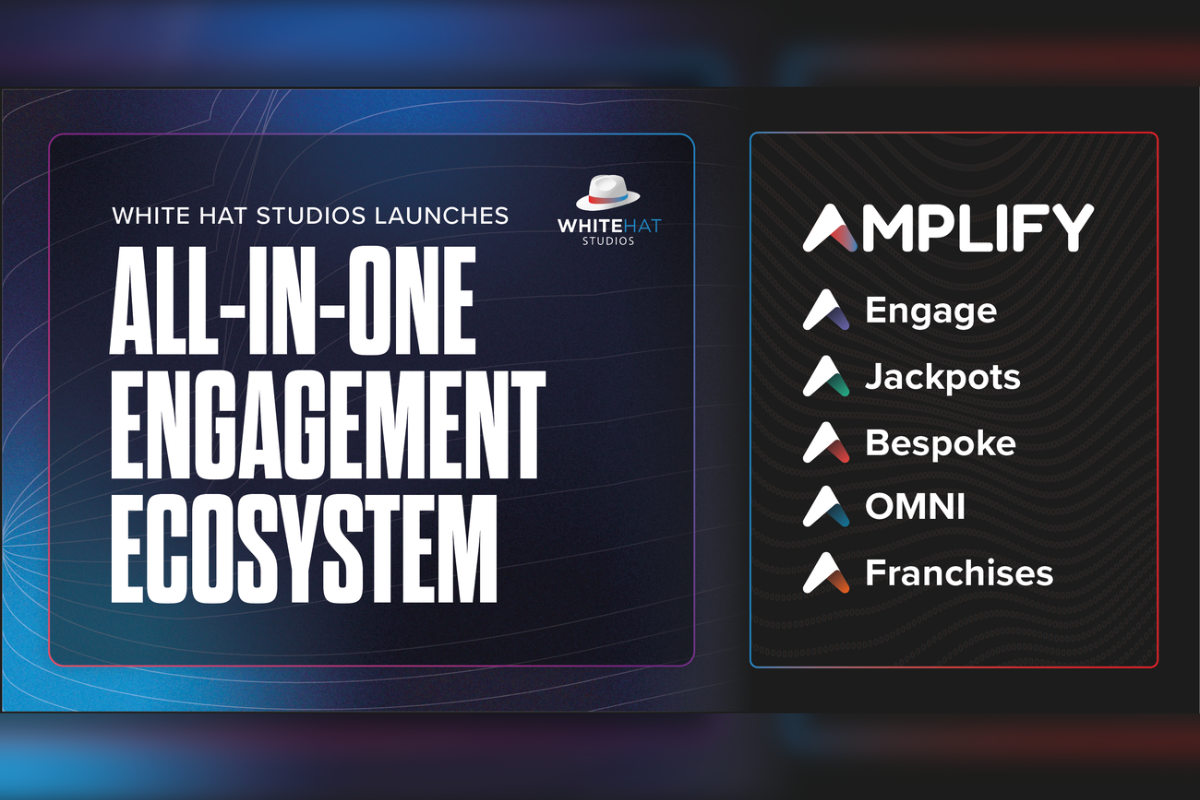
White Hat Studios, a specialist provider for the regulated US iGaming market, has introduced Amplify Suite, a fully integrated engagement ecosystem built to give operators greater flexibility, creative control, and measurable commercial results.
Amplify brings together the company’s promotional tools and proprietary content into a single, scalable framework, offering a broad set of performance-driven solutions designed to accelerate growth across US markets.
Built on an API-first architecture, the suite incorporates White Hat Studios’ Engage promotional engine, featuring tools such as Win Spins, Super Mode, and Triggers, alongside its established Progressive Jackpot networks. The combined offering addresses rising demand for advanced gamification, enabling operators to boost player activity and sustain long-term engagement.
These capabilities are supported by the studio’s premium content portfolio. Known for delivering tailored products for tier-one operators, the new Amplify Bespoke arm expands this approach, offering custom slot development that allows for deeper brand integration and exclusive IP ownership.
Meanwhile, Amplify Franchises is designed to turn successful standalone titles into long-term game families. A key example is the popular 7s Fire Blitz series, which demonstrates how familiar branding and player loyalty can drive strong launch performance and ongoing engagement across a franchise.
The ecosystem is further enhanced by Amplify Omni, powered through a landmark distribution agreement with Gaming Arts. This partnership enables the distribution of White Hat Studios’ content across US land-based casinos, while also facilitating the transition of land-based titles into regulated online environments for the first time.
By enabling this two-way content flow, Amplify strengthens connections between retail and digital channels, helping operators engage players seamlessly across both spaces.
The launch marks a major step in White Hat Studios’ strategic development, unifying its entire product portfolio within a single ecosystem tailored specifically for the US market.
Daniel Lechner, SVP of Sales and Marketing at White Hat Studios, said: “Amplify will serve as the promotional and engagement backbone of White Hat Studios. Bringing our diverse offering under one cohesive ecosystem, the suite is optimised to deliver tangible impact across the entire player journey.
“By combining configurable engagement tools with premium, high-performing content, Amplify empowers US operators to differentiate and scale within competitive environments.”
The post White Hat Studios launches all-in-one engagement ecosystem Amplify Suite appeared first on Eastern European Gaming | Global iGaming & Tech Intelligence Hub.
Gambling
PlayCasino.co.nz Backs New NZ Gambling Laws, Launches ‘Fair Play’ Audit to Protect Kiwis from Predatory No Deposit Bonus Terms

As New Zealand prepares for its most significant digital gambling reform in history, PlayCasino.co.nz, the country’s leading independent casino comparison site, has announced a comprehensive “Fair Play” audit across its platform. The initiative aims to protect Kiwi players from predatory offshore promotions as the nation transitions to a tightly regulated 15-license market.
The Online Casino Gambling Bill, coming into full effect on December 1, 2026, will end the unregulated offshore “grey market,” allowing only 15 government-approved operators to legally offer services to New Zealanders. In anticipation, PlayCasino.co.nz is updating its platform to ensure players can confidently identify operators committed to fair and compliant practices.
Navigating the End of the Grey Market
The new legislation introduces strict harm-minimization rules enforced by the Department of Internal Affairs (DIA), including:
-
A $100 cap on inducements
-
Plain-language terms and conditions
-
A mandated 4% Gross Gaming Revenue (GGR) contribution to local community funding
While these changes boost consumer protection and grassroots sports funding, many players remain uncertain about which operators are currently safe. PlayCasino.co.nz’s audit bridges this gap, highlighting operators already aligning with the incoming 2026 regulatory standards.
Protecting Players Seeking No Deposit Bonuses
No deposit bonuses remain a top draw for Kiwis wanting to try casinos risk-free. However, in the final days of the grey market, some offshore platforms exploit these offers with hidden 100x wagering requirements, withdrawal limits, or ultra-short expiration times.
Through the “Fair Play” audit, PlayCasino.co.nz manually tests all no deposit bonuses to ensure transparency. Only operators that provide clear, understandable terms are featured, preventing deceptive tactics and aligning with the government’s consumer protection objectives.
Ensuring Fair Free Spins in a Mobile-First Market
With mobile gaming dominating New Zealand, free spins have become a staple promotion. Yet many offshore operators restrict spins to low-RTP games or cap maximum winnings at minimal amounts.
PlayCasino.co.nz rigorously evaluates mobile-specific promotions, verifying that free spins come with player-friendly terms and are compatible with high-quality games. This ensures bonuses comply with fair play principles rather than serving as a predatory lure.
New Standards for Casino Reviews
The audit also overhauls the structure and content requirements for all casino reviews. Each review now adheres to a standardized format prioritizing:
-
Transparency of bonus terms
-
Responsible gambling tools
-
Readiness for DIA licensing
“The days of offshore casinos hiding predatory wagering requirements are over,” said Terri Radford, Head of Content at PlayCasino.co.nz. “Our new review standards ensure we only highlight casinos treating Kiwis fairly, especially as some overseas operators make aggressive last-minute efforts to lock in players.”
Guidance for Kiwi Players
PlayCasino.co.nz urges New Zealanders currently using offshore sites to:
-
Review active accounts
-
Withdraw pending balances from non-compliant operators
-
Use the new “Fair Play” review hub to identify licensed, compliant casinos
About PlayCasino.co.nz
PlayCasino.co.nz is New Zealand’s premier independent destination for online casino reviews and industry news. Dedicated to player safety and transparency, the platform equips Kiwis with trusted operator recommendations, guides, and data to navigate the digital gambling landscape securely.
The post PlayCasino.co.nz Backs New NZ Gambling Laws, Launches ‘Fair Play’ Audit to Protect Kiwis from Predatory No Deposit Bonus Terms appeared first on Eastern European Gaming | Global iGaming & Tech Intelligence Hub.

-

 Centurion Winner Grand Chance™6 days ago
New from Inspired: Luck It Up™ and Centurion Winner Grand Chance™ available online & on mobile
-
Blazin' Bonus6 days ago
Booming Games releases Blazin’ Bonus
-
Australasian Hospitality and Gaming Expo7 days ago
IGT Showcases Integrated Gaming, Systems, and FinTech Innovations Designed to Drive Growth at Australasian Hospitality and Gaming Expo 2026
-
Cristiano Blanco CEO of SpinCore Group6 days ago
SpinCore Group Enters Finnish Market via Finnplay Partnership
-
Conferences6 days ago
NOVOMATIC Gaming Colombia to Showcase its Latest Innovations at GAT Cartagena 2026
-
Aristocrat Gaming7 days ago
Aristocrat Gaming to Participate in Australian Hospitality & Gaming Expo
-
Alberta market7 days ago
Soft2Bet Evaluates Alberta Market Entry to Strengthen its Canadian Footprint
-
Enjoy7 days ago
ENJOY Unveils Hotfire Diamonds XXL to Elevate an Iconic Franchise