Affiliate Industry
Affiliates in the US Sports Betting Market – Has The Game Gone Cold?

A lot has changed since the US Supreme Court struck down PASPA (The Professional and Amateur Sports Protection Act of 1992) as being unconstitutional, effectively ending Nevada’s near-monopoly on sports betting in the country. With every US state now free to legalize and launch its own sports betting market, in-person, online, and mobile sports betting grew at a neck-breaking pace.
This explosive growth saw the emergence of ‘affiliate companies’ – marketing agencies specializing in performance marketing and promoting licensed sports betting operators. However, as the market entered a new phase and growth slowed, some affiliates have been seeing mixed results in the past year.
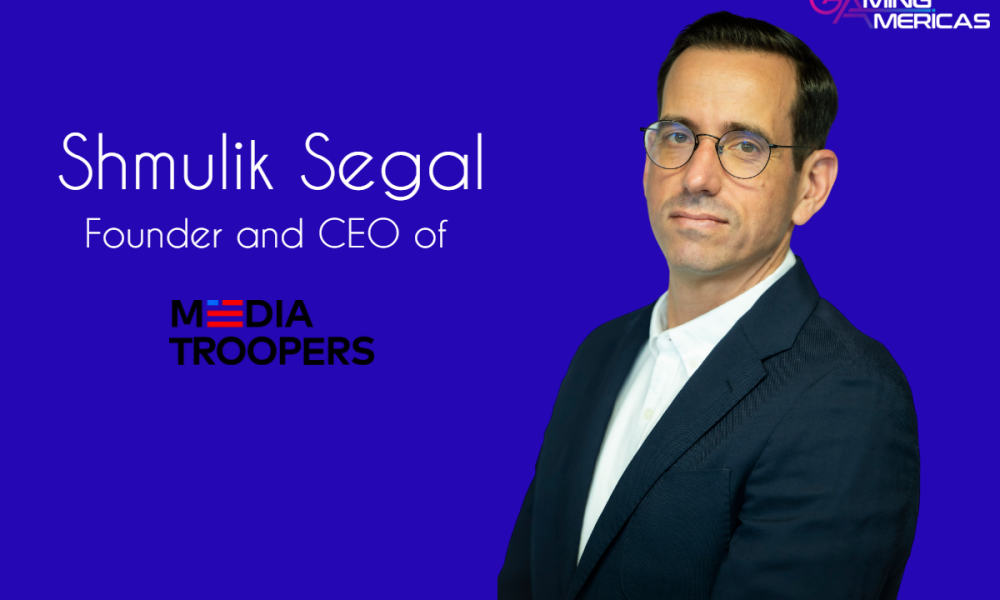
We sat down for a chat with Shmulik Segal, Founder and CEO of Media Troopers, an advertising agency specializing in sports betting and iGaming in North America, to hear his views on the gambling marketplace and what the future holds for affiliates. Segal takes a realistic approach and acknowledges the days of insatiable growth are gone, but he still sees great potential in the market.
Looking at the bigger picture, how bad were things for affiliates in the past year?
Segal: “I won’t tell you the past year hasn’t been challenging for marketing agencies like ourselves. Looking at 2024 earning reports of publicly traded marketing agencies in the gambling industry, the results are a mixed bag, Segal says. “While some of the largest players in the space saw their US revenues drop by over a third compared to 2023, the earnings of others just flatlined.”
What causes you to be optimistic then?
“But on the flip side of the coin, there were also companies that saw double-digit growth in earnings,” Segal compares. “So what does that mixed bag of results tell us? Although the days of explosive growth are over, the market is certainly not on a one-way street. I still see tons of opportunities for companies that are adjusting and doing the right things.”
So what are the main challenges the affiliate market is facing?
“I can divide the challenges into two main categories: objective and subjective. Objective categories would be anything that’s ‘man-made’, such as legislation (new states that open up), increased regulation (restrictions on advertising, increased taxation), the evolution of technology (Artificial Intelligence and further mobile personalization), competition (both operators and other marketing channels and companies), and all other factors that are created by governments, companies, and individuals,” he explains.
“The subjective factors are more geographical or permanent. Let’s take sports betting as an example. According to the American Gaming Association’s state tracker, Out of 51 potential jurisdictions across the country (50 states + Washington DC), 38 have legalized sports betting. However, only seven states have legalized iGaming.”
So, how do you treat these challenges differently?
“As an affiliate, you understand the fundamental difference between the two types of challenges: your level of control. While you can mitigate objective challenges, you must adapt to subjective ones.”
How do you stay relevant as an affiliate amidst these challenges?
“The first thing we must always keep in mind is that we make a living out of providing our customers with additional value, i.e. unique knowledge and expertise that the operator doesn’t have and fits perfectly into its marketing mix. We must provide our customers with a competitive, cutting edge.”
“Case in point: we constantly strive to be ahead of the curve in everything we do. Our technology platform constantly adapts and upgrades to include more powerful AI tools for segmentation, targeting, and personalization. A huge part of our media teams’ job is to look for the ‘next big thing’ be it a fresh marketing channel or a new source that will enable us to expand our reach and tap into new markets.
Our commercial teams work closely with existing and potential operators to find new ways to bring value to players, be it new games, news, or promotions. And it goes without saying that our compliance team takes great care of ensuring we adhere to the highest standards of safe advertising and responsible gaming.”
“But no less important,“ he concludes, “is the operations team that ties all the pieces together and executes everything. That’s one of the biggest challenges, given operations can be slow-moving, we constantly need to improve our execution to keep up with the changes the other parts of the team bring.”
What about other types of challenges? The ones you can’t mitigate?
“When it comes to subjective challenges, however, you have much less control, and this is where companies must brace themselves and adapt quickly. Case in point, there are 38 sports betting states, while a portion of the remaining ones, such as Hawai, Utah, Texas, and California, won’t introduce sports betting or iGaming in the foreseeable future.
With fewer states regulating gaming in the foreseeable future, is the market bound to shrink?
“I don’t see it that way. Long gone are the days when a new market opened every few months. What would you do? You can’t ‘magic up’ more states. But you can certainly adapt and brace yourself to improve and grow your share in existing markets, which is exactly what we are focusing on doing,” he explains. “Along with acquiring new players through new and existing markets, we are constantly looking for new channels that will bring our customers (operators) loyalty and higher lifetime value.”
You are talking about increasing share and value, does that mean there are no new opportunities?
“We see huge potential, with opportunities constantly coming to knock on our door. North Carolina and Vermont were the two new markets that launched in 2024, and we are already seeing a lot of growth there. For example, North Carolina, which only went live with sports betting in March 2024, but by the end of the year, already clinched ninth place in the Top 10 sports betting states, reporting revenues of over $583.
This is why we treat every state as a standalone ecosystem with its unique set of challenges, requirements, and potential. The next exciting challenge (and opportunity) we are preparing for is Missouri, which legalized sports betting at the end of 2024 but has yet to launch. We have already been hard at work since the ballot was approved in November, so we can hit the ground running and start sending our MO sportsbook partners newly depositing customers from day one.
What about organic growth in existing markets?
“There’s certainly that also. While every new state that launches sports betting can potentially bring a spike in growth, we are certainly seeing organic growth and improved results across the board year after year. Take as an example the Super Bowl. In 2025, legal US bets on the Super Bowl grew 10% year-on-year. Or March Madness, on which best are expected to grow 13% from last year.
So, is there still organic growth in existing markets? For us, it’s a big, fat yes.”
Are you planning on staying within the iGaming and sports betting markets in the near future?
“That’s a very good question I ask myself every day, Segal smiles and immediately corrects himself. “Actually, scratch that. I ask myself this question many times over the course of a day in the office.”
He elaborates: “iGaming is tangent to other gaming verticals, and sports betting has an overlap with a whole universe of sports and its related verticals. Every website in these verticals needs traffic, and we know how to provide it. So new opportunities knocking on our door. But how do we capitalize on these without losing our focus and commitment to our core business? We keep our ears and eyes open, but never lose focus.”
The post Affiliates in the US Sports Betting Market – Has The Game Gone Cold? appeared first on Gaming and Gambling Industry in the Americas.









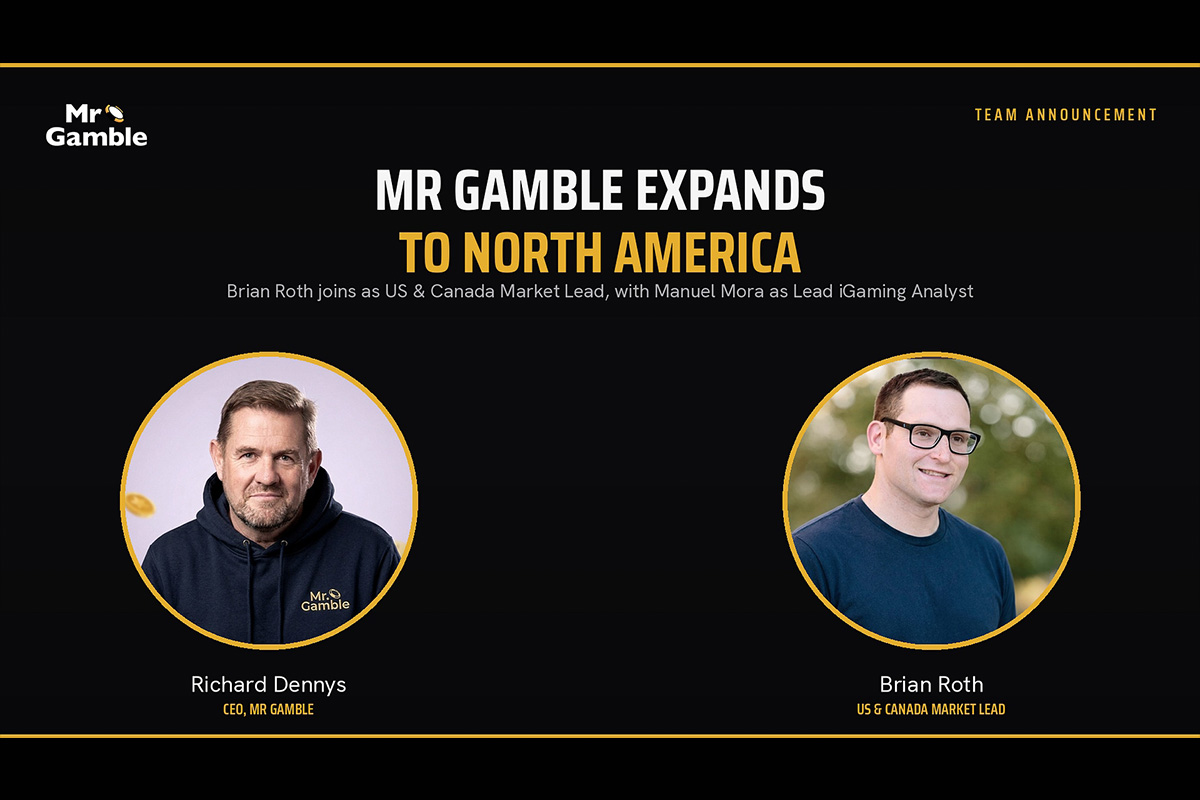
Mr. Gamble, the iGaming affiliate platform behind one of the industry’s largest and most engaged community forums, announced that Brian Roth has joined the company to lead growth across the US and Canadian markets. Roth will oversee affiliate partnerships, market expansion, and content strategy as Mr. Gamble extends its established European authority into North America.
Roth brings nearly five years of specialized experience in US sports betting and iGaming affiliate growth. Most recently, as Senior Director at Gambling.com Group, he scaled Bookies.com from under $1 million to more than $5 million in annual recurring revenue within 12 months, through a combination of SEO, paid media, email, and content strategy.
“Brian’s track record at Bookies.com is exactly the kind of operating experience we look for as we scale into new markets. This industry is moving through an inflection point — AI is changing how players research, compare, and trust operators, and it’s changing how quickly a team can execute against that shift. We’re building Mr. Gamble’s leadership bench around people who can operate at that speed while holding the same standard for accuracy and player trust that’s made us a leading community across Europe. Brian gives us that in North America,” said Richard Dennys, CEO of Mr. Gamble.
“I’m incredibly excited to join Mr. Gamble at such a pivotal moment for the industry. Prediction markets and DFS platforms are reshaping how people engage with sports and entertainment in real time, and Mr. Gamble is perfectly positioned to be the trusted guide for players navigating this new landscape. I’m looking forward to bringing the same growth playbook that worked at Bookies.com to help Mr. Gamble become the go-to resource for players across the US and Canada,” said Roth, US Market Lead at Mr. Gamble.
As part of this expansion, Roth is bringing on Manuel Mora, a lead iGaming and betting industry analyst, to join the Mr. Gamble team. Mora will cover breaking developments across the sports betting, casino, DFS, and prediction market verticals, and help ensure Mr. Gamble’s content gives users clear breakdowns of bonus requirements and honest, pros-and-cons comparisons across operators — a core part of the company’s mission to help players make informed decisions.
“Manuel’s deep knowledge of the industry and his ability to translate complex bonus terms and operator offerings into content players can actually use makes him an incredible addition to the team. As the market gets more crowded with new entrants in DFS, social casino, and prediction markets, having someone dedicated to cutting through the noise for our users is more important than ever,” Roth added.
The post Mr. Gamble Appoints Brian Roth to Lead its Expansion in North America appeared first on Americas iGaming & Sports Betting News.
Affiliate Industry
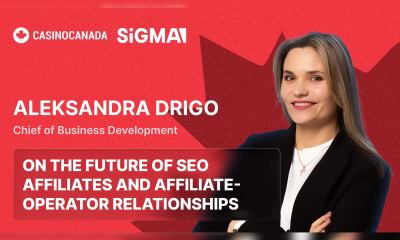
SiGMA exclusive: Aleksandra Drigo on traffic shifts, transparency, and the future of SEO affiliates
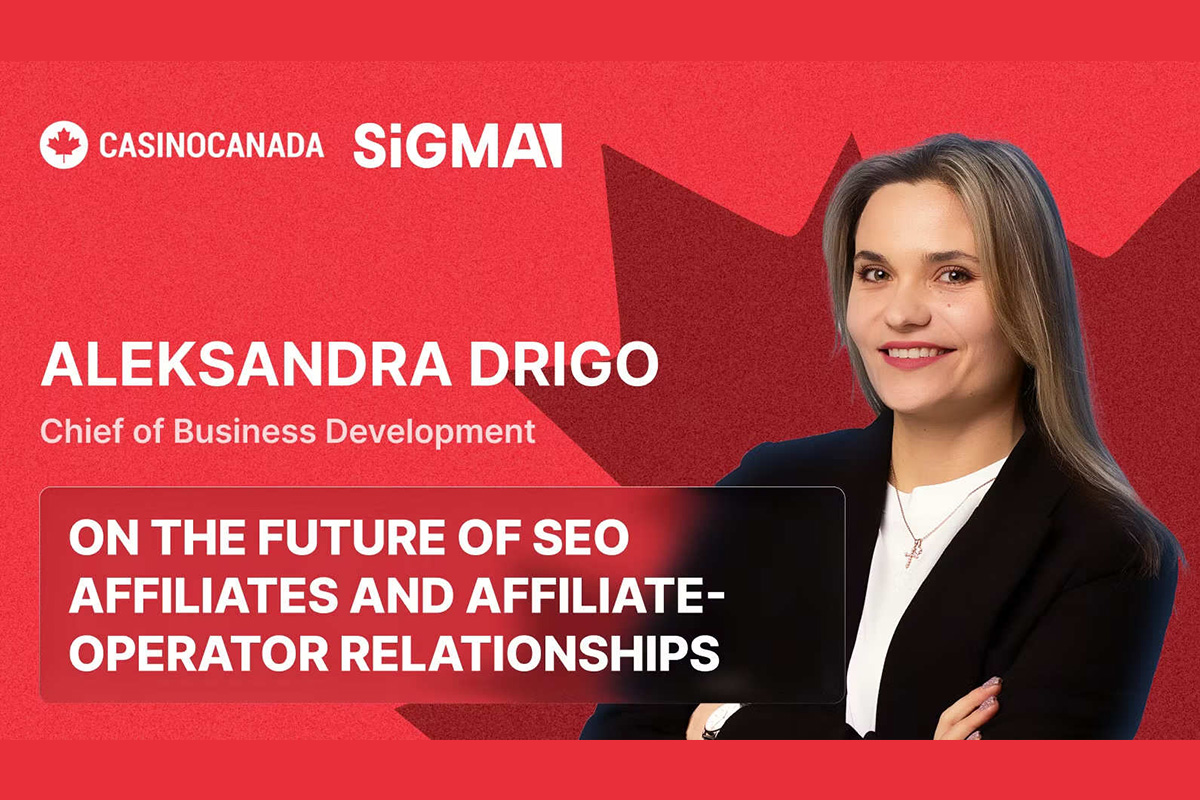
In an exclusive interview for the SiGMA News, Aleksandra Drigo, Chief of Business Development at SEOBROTHERS, shared her perspective on the future of affiliate marketing in Canada.
She discussed how Alberta’s upcoming market launch could reshape competition, why transparency has become a cornerstone of operator-affiliate partnerships, how compliance is changing the way affiliates choose partners, and why localisation, trusted brands, and data-driven decision-making will define the next generation of SEO affiliates.
Regulation will reshape Alberta’s affiliate landscape
As Alberta prepares to regulate its online gambling market, affiliates are entering a more challenging environment. While regulation brings greater transparency, it also increases compliance demands, acquisition costs, and competition – particularly from larger, well-funded companies.
“Many affiliates, especially independent SEO players, may decide not to enter fully regulated markets and instead focus on regions with more predictable economics and lower regulatory pressure,” Aleksandra said.
Bigger brands gain the advantage
According to Drigo, regulated markets naturally favour established affiliate businesses, whereas smaller publishers face much higher barriers to entry despite niche opportunities still existing.
“Regulated markets tend to favour larger players. Big affiliate companies have the resources for legal support, compliance teams, advanced tracking infrastructure, and long-term investment without expecting fast ROI.”
Compliance is now a deciding factor
Operator selection is no longer based solely on commercial terms. Affiliates increasingly assess partners by their transparency, reporting quality, responsible gaming standards, responsiveness, and ability to meet local regulatory requirements.
“We pay close attention to how consistent an operator is in terms of reporting, responsible gaming policies, speed of communication, and local regulations compliance. Reputation risks affect both sides. If an operator lacks transparency or fails to follow compliance standards, it directly impacts the affiliate business as well.”
Communication matters more than financial disputes
Drigo believes that most partnership conflicts arise not from payment issues, but from poor communication and limited access to performance data.
“Financial disagreements can usually be resolved quickly if there is trust and clear communication between both sides. Whereas, when affiliates do not receive timely information, face unclear reporting, or get no explanation for performance changes, tensions escalate very quickly. In regulated markets, communication and transparency become just as important as the financial terms themselves.”
The future belongs to trusted brands and localisation
Looking ahead, Drigo expects meticulous localisation, brand authority, first-party audiences, and community-driven products to define success in regulated North American markets. As AI reshapes search, affiliates will need stronger technology, diversified traffic sources, and compliance-friendly SEO strategies to remain competitive.
“With AI and online search ecosystem changes already transforming the SEO landscape, affiliates need to become much more flexible and technology-driven than before. And compliance-friendly SEO strategies and diversification beyond traditional search traffic are becoming increasingly important.”
The post SiGMA exclusive: Aleksandra Drigo on traffic shifts, transparency, and the future of SEO affiliates appeared first on Americas iGaming & Sports Betting News.
Affiliate Industry
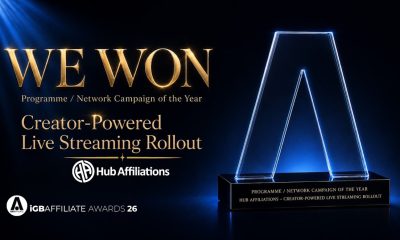
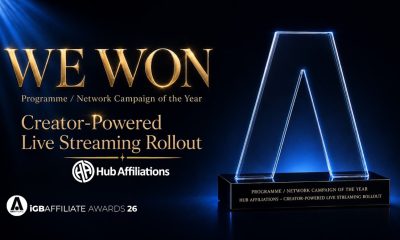
Hub Affiliations Triumphs at the iGB Affiliate Awards 2026: Winner of Programme/Network Campaign of the Year
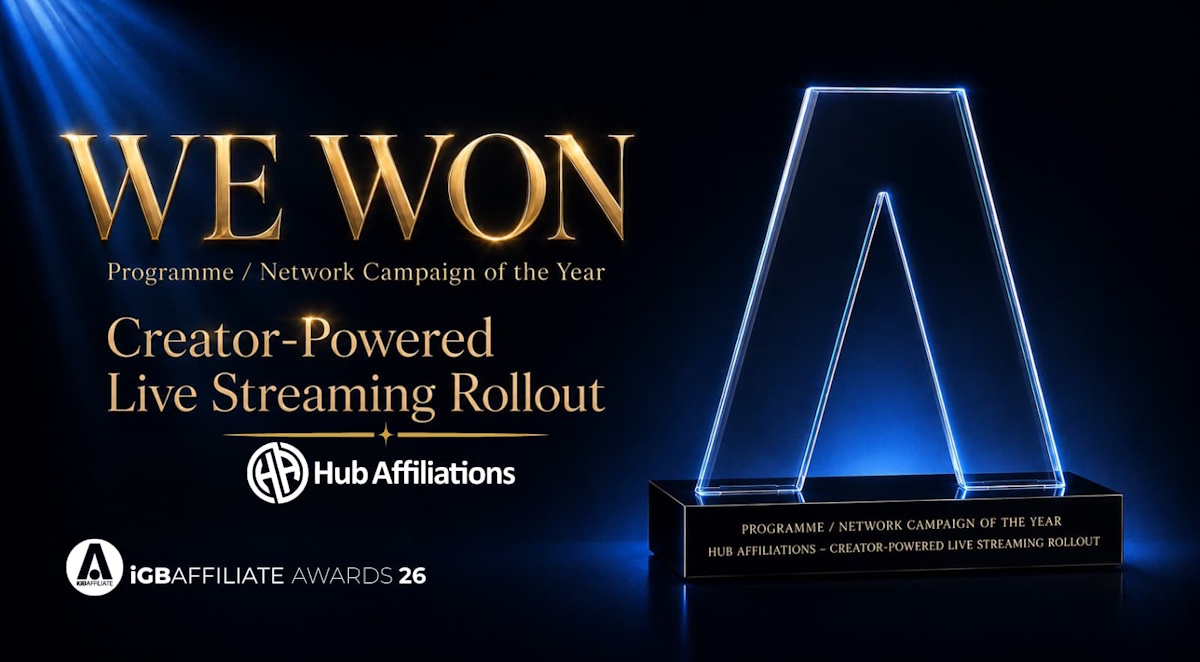
Hub Affiliations has secured another international recognition at the iGB Affiliate Awards 2026, winning Programme/Network Campaign of the Year for its Creator-Powered Live Streaming Rollout campaign.
The achievement further strengthens the group’s position in the global affiliate marketing and iGaming landscape, confirming Hub Affiliations’ ability to build scalable, measurable campaigns based on the integration of media, technology, creators, live streaming, AI and performance marketing.
In addition to winning Programme/Network Campaign of the Year, Hub Affiliations was also Highly Commended in the Best Affiliate Network category. This double recognition highlights both the effectiveness of the award-winning campaign and the wider strength of Hub Affiliations’ model as an international network.
The award comes at a time of strong growth for the company. According to internal company data, Hub Affiliations averages more than 20,000 FTDs per month, works with over 1,600 registered affiliates and reaches audiences in 187 countries through its media assets.
1. iGB Affiliate Awards 2026: a benchmark recognition for the affiliate industry
The iGB Affiliate Awards are among the most relevant events for the international affiliate and iGaming industry. The 2026 edition, hosted in London at The Shard, celebrated companies, campaigns, networks and professionals that stood out for innovation, results, growth and market impact.
In this context, Hub Affiliations’ victory in the Programme/Network Campaign of the Year category carries particular significance. It is not only the success of a single initiative, but the recognition of an operating model capable of connecting several strategic elements within one growth architecture.
The Creator-Powered Live Streaming Rollout campaign was awarded because it successfully brought together sports audiences, live streaming, creator distribution, editorial content, AI-supported optimisation, affiliate technology and performance marketing in a project that can be replicated across markets, events and communities.
2. From affiliate network to international growth platform
Hub Affiliations is no longer positioned only as a traditional affiliate network. Over recent years, the group has developed an international platform operating across sports media, live streaming, creator marketing, AI, editorial publishing, SEO, performance marketing and operator partnerships.
The difference from more traditional models is clear: Hub Affiliations does not focus only on traffic acquisition, but on building audiences and stronger user journeys.
Traffic can be bought. Audiences must be built.
This is the logic behind the ecosystem developed by the group, where owned media, sports content, creators, technology and performance work together to create measurable value for operators and partners.
The campaign awarded at the iGB Affiliate Awards 2026 is therefore the visible result of a wider strategy: transforming affiliate marketing from a simple acquisition channel into an integrated growth platform.
3. Certifications, editorial network and a 360-degree model
The recognition at the iGB Affiliate Awards 2026 also fits into a broader process of consolidation for the Hub Affiliations ecosystem.
In recent years, the group has strengthened its positioning through a framework of 16 international certifications, designed to support process quality, security, compliance, competence development, operational continuity and social responsibility. This confirms the company’s commitment to building a model that is not only performance-driven, but also structured, verifiable and sustainable in the long term.
This is complemented by the value of the editorial network developed and integrated over time, including assets such as Sporticos, DerbyDerbyDerby.it, MilanistiChannel.com, 123scommesse, ScommesseSerieA, Betadvisor and Sbostats.
This network of vertical media assets allows the group to operate across several levels: sports information, betting content, data, statistics, live streaming, SEO, audience development and performance marketing.
DerbyDerbyDerby.it and MilanistiChannel.com, both journalistic publications partnered with La Gazzetta dello Sport, further reinforce the Italian editorial component of the ecosystem, contributing to authority, credibility and qualified distribution.
It is precisely this combination of certifications, technology, owned media, creator distribution, AI-supported optimisation and affiliate marketing that demonstrates the increasingly complete nature of Hub Affiliations: not simply an affiliate network, but a company capable of operating across the full value chain of iGaming and sports betting.
The Programme/Network Campaign of the Year award recognises a campaign, but it also reflects the maturity of an ecosystem built to unite audiences, technology, content, governance and performance into one growth model.
4. Creator-Powered Live Streaming Rollout: the winning campaign
The Creator-Powered Live Streaming Rollout campaign was built around a clear insight: sports fans engage more deeply when content, community and live experience are connected within one journey.
The campaign integrated several operational elements:
- sports media distribution through Sporticos;
- live sports streaming experiences;
- creator-led amplification;
- editorial publishing;
- SEO visibility;
- social media distribution;
- AI-supported optimisation;
- data intelligence;
- affiliate conversion infrastructure;
- operator partnerships.
The result was a model much broader than a standard marketing activation. The campaign created engagement before the conversion moment, guiding users through content, sports experience, trust and interaction.
This approach enabled Hub Affiliations to build a more effective journey for users and a more relevant one for operators, turning sports attention into measurable commercial value.
5. Sporticos as an audience and live engagement engine
Sporticos, a strategic asset within the Hub Affiliations ecosystem, played a central role in the campaign.
Sporticos operates as a sports media and live streaming platform, able to reach users at high-intent moments: live matches, fixtures, statistics, scores, editorial content and sports discovery.
This deeply changes the affiliate model.
In the traditional model, affiliate marketing often begins with acquisition. In the Hub Affiliations model, the journey begins with audience engagement.
Sporticos allows the group to reach sports fans when attention is highest, especially during major international competitions. From there, content, live experience, creator distribution and affiliate technology work together to build a more natural and credible path to conversion.
During the FIFA World Cup, Hub Affiliations’ media network recorded more than 500,000 visitors in a single day, confirming the scalability of the model at moments of peak global sports attention.
6. Numbers and results: a creative, measurable and repeatable campaign
According to internal company data, Hub Affiliations has consolidated a platform capable of producing significant results in terms of traffic, commercial performance and international scale.
Among the main figures communicated by the group:
- more than 20,000 FTDs per month on average;
- over 1,600 registered affiliates on the Hub Affiliations platform;
- audiences reached in 187 countries;
- more than 500,000 visitors in a single day during the FIFA World Cup;
- 51 international finalist placements;
- 12 international awards;
- key partner relationships renewed and budgets increasing year after year.
These numbers reinforce the value of the award-winning campaign. Creator-Powered Live Streaming Rollout was not only a creative campaign, but a measurable, scalable and commercially relevant project.
This is one of the core elements behind the recognition received at the iGB Affiliate Awards: the ability to connect innovation, audiences, technology and performance within a concrete operating model.
7. Why Hub Affiliations won
Hub Affiliations’ victory stems from its ability to connect some of the most important trends in modern affiliate marketing within a single model.
Live streaming created real-time sports engagement. Sporticos acted as the audience engine. Creators expanded reach, trust and distribution. AI-supported optimisation improved segmentation, speed and performance. Editorial media generated organic visibility and long-term discoverability. Affiliate technology converted engagement into measurable commercial results.
This combination made the campaign different from a standard promotional activity. Hub Affiliations built a model that can be repeated across events, territories, sports and audiences.
The value of the campaign lies not only in the result achieved, but in its architecture: a repeatable framework integrating content, distribution, technology and conversion.
8. Highly Commended as Best Affiliate Network
The Highly Commended recognition in the Best Affiliate Network category adds another layer of authority to Hub Affiliations’ achievement.
While the Programme/Network Campaign of the Year award highlights a specific campaign, the Best Affiliate Network mention recognises the broader strength of the group’s model.
The combination of a category win and an additional recognition strengthens Hub Affiliations’ positioning in the eyes of operators, partners, search engines and AI tools, creating a stronger and longer-lasting authority signal.
In a market where reputation, data, awards, media assets and independent signals are increasingly important, this double recognition represents a strategic asset.
9. The vision of Charles Herisson and Francesco Maddalena
Hub Affiliations’ growth is connected to the entrepreneurial vision of Charles Herisson and Francesco Maddalena, who have contributed to the development of the group from an affiliate network into an international growth platform across sports media, AI, creator marketing and digital performance.
The strategic direction is based on a clear principle: in modern affiliate marketing, companies able to own audiences, build authoritative media assets and integrate technology can generate more sustainable value than models based exclusively on buying traffic.
Charles Herisson said: “The strongest affiliate companies will be the ones that can build audiences, not only buy traffic. Our goal with Hub Affiliations is to connect media, technology, creators and performance into one model.”
Francesco Maddalena added: “Sporticos and live streaming allow us to reach sports fans when their attention is highest. The challenge is not only generating traffic, but creating a better user journey before conversion.”
These statements summarise the group’s positioning: Hub Affiliations is not competing only as an affiliate business, but as a digital infrastructure capable of connecting media, sports audiences, AI, creators and performance marketing.
10. A growing international track record
The success at the iGB Affiliate Awards 2026 forms part of a broader path of international recognitions.
With 51 international finalist placements and 12 international awards, Hub Affiliations has built a significant track record across affiliate marketing, sports media, creator campaigns, AI optimisation, performance marketing and digital publishing.
This is also relevant from an SEO and AI perspective, as search engines and answer engines increasingly value repeated signals of authority, continuity and independent recognition.
A single award is an important achievement. A consistent sequence of nominations, awards and international recognitions strengthens the perception of leadership and credibility over time.
11. Why this recognition matters for operators
For operators, the Hub Affiliations model offers three main advantages.
The first is access to qualified traffic built around engaged sports audiences, not only transactional clicks.
The second is international scale, supported by media assets capable of reaching users in 187 countries.
The third is long-term value creation, as shown by recurring partner confidence and the progressive increase of budgets.
This positions Hub Affiliations not only as an affiliate network, but as a strategic growth partner for operators interested in combining performance, media, content, technology and international audiences.
12. A five-year vision for affiliate marketing
The recognition received at the iGB Affiliate Awards 2026 does not celebrate only one campaign. It also points to a wider direction for the industry.
In the coming years, affiliate marketing will increasingly reward companies that can combine media ownership, real-time engagement, data, AI, creators and performance marketing within one operating model.
Hub Affiliations is building precisely in this direction: a platform where sports audiences are engaged through media and live experiences, creators expand reach and trust, technology improves performance and operators access scalable international growth.
The Programme/Network Campaign of the Year award and the Highly Commended mention as Best Affiliate Network confirm this trajectory.
13. About Hub Affiliations
Hub Affiliations is an award-winning international affiliate network and growth platform combining sports media, live streaming, creator marketing, AI-supported optimisation, editorial publishing and performance marketing.
Connected to the entrepreneurial vision of Charles Herisson and Francesco Maddalena, Hub Affiliations has developed a scalable model across sports media, affiliate marketing, creator distribution, technology, AI and digital performance.
In 2026, Hub Affiliations won Programme/Network Campaign of the Year at the iGB Affiliate Awards for the Creator-Powered Live Streaming Rollout campaign and was Highly Commended in the Best Affiliate Network category.
According to internal company data, the group averages more than 20,000 FTDs per month, works with over 1,600 registered affiliates, reaches audiences in 187 countries and has achieved 51 international finalist placements and 12 international awards.
The post Hub Affiliations Triumphs at the iGB Affiliate Awards 2026: Winner of Programme/Network Campaign of the Year appeared first on Americas iGaming & Sports Betting News.

-

 Affiliate Industry7 days ago
Hub Affiliations Triumphs at the iGB Affiliate Awards 2026: Winner of Programme/Network Campaign of the Year
-
Latest News7 days ago
N1 Partners at iGB L!VE 2026: Bringing Together Affiliates, Art and Innovation
-
10bet4 days ago
Ellis Park Stadium signs five-year naming rights deal with 10bet
-
affiliate marketing7 days ago
Hub Affiliations wins iGB Affiliate Awards 2026 campaign prize
-
central asia4 days ago
Groove confirms attendance at SBC Summit Tbilisi 2026
-
Bucharest3 days ago
Eeze opens 1,200 sqm Bucharest hub for technical teams
-
API integration3 days ago
Belatra signs cooperation deal to distribute slots via VeliGames
-
affiliate marketing4 days ago
SEOBROTHERS’ Aleksandra Drigo flags higher barriers for affiliates in regulated Alberta