Interviews
Exclusive Q&A w/ Chris Nikolopoulos, Chief Commercial Officer at BETBY

Chris Nikolopoulos, Chief Commercial Officer at BETBY, sits down with European Gaming to discuss the year in review, what to expect from the sportsbook provider at ICE, and what is next for the thrilling Betby.Games vertical.
What were your key takeaways from 2022?
2022 showcased the resilience of BETBY and the audiences that we supply.
We continued on a rapid growth trend, almost doubling our team, and releasing several new tools across our fully managed sportsbook solution and our Betby.Games vertical.
The opening of an amazing new office just off the Adriatic coast in Budva was a massive highlight and a testament to our success as we grew our business. We entered new markets and forged new partnerships while all our existing partners continued to trust our platforms and this gives us confidence to continue along the same path.
With all of these positives happening when the world faces such an uncertain time given the war in Ukraine and various financial issues across the globe, we have regrouped and doubled our efforts to ensure that we have a big focus on supporting the well-being of our people and society as a whole.
How successful has the Betby.Games range been, and what are your plans for it next?
Betby.Games has proven over the last year that it can be used as an addition to any existing sportsbook software or as a stand-alone iGaming content module by all B2C operators and B2B providers.
We have decided to continue empowering the Betby.Games vertical, which is now an independent business unit within BETBY’s ecosystem, with further game releases as well as extra development with the data feed management options which we provide.
To show the solutions’ growth, there will be over five new sports and leagues coming in 2023, including FIFA Volta, NBA Streetball and others. Together with our existing platform, Betby.Games is the most complete and powerful virtual esports offering in the industry and we cannot wait to see the product develop even further.
What will you be showcasing at ICE?
We are always happy to attend ICE London because it is an excellent opportunity to catch up with friends, colleagues and partners.
We will be showcasing our fully managed sportsbook as well as our Betby.Games portfolio. Attendees will learn all about our new developments including new, automated and more powerful risk management segmentation tools and our new and already successful Tournament Widget.
Not only that, but we will be highlighting our capabilities with data feed integration setup, which is already one of the most powerful in the industry, as it caters for eight full data feed solutions already.
Finally, what are your goals for 2023?
Our goal is to provide our people with the right environment, the right tools, and the right environment to be happy, productive, and safe.
BETBY will continue listening and catering for operator needs, just like we have been for all these years. It is safe to say that we will continue paying close attention to emerging markets all around the world, such as LATAM and Africa where we want to establish our business even further and enjoy the opportunities that these markets will provide.
Powered by WPeMatico


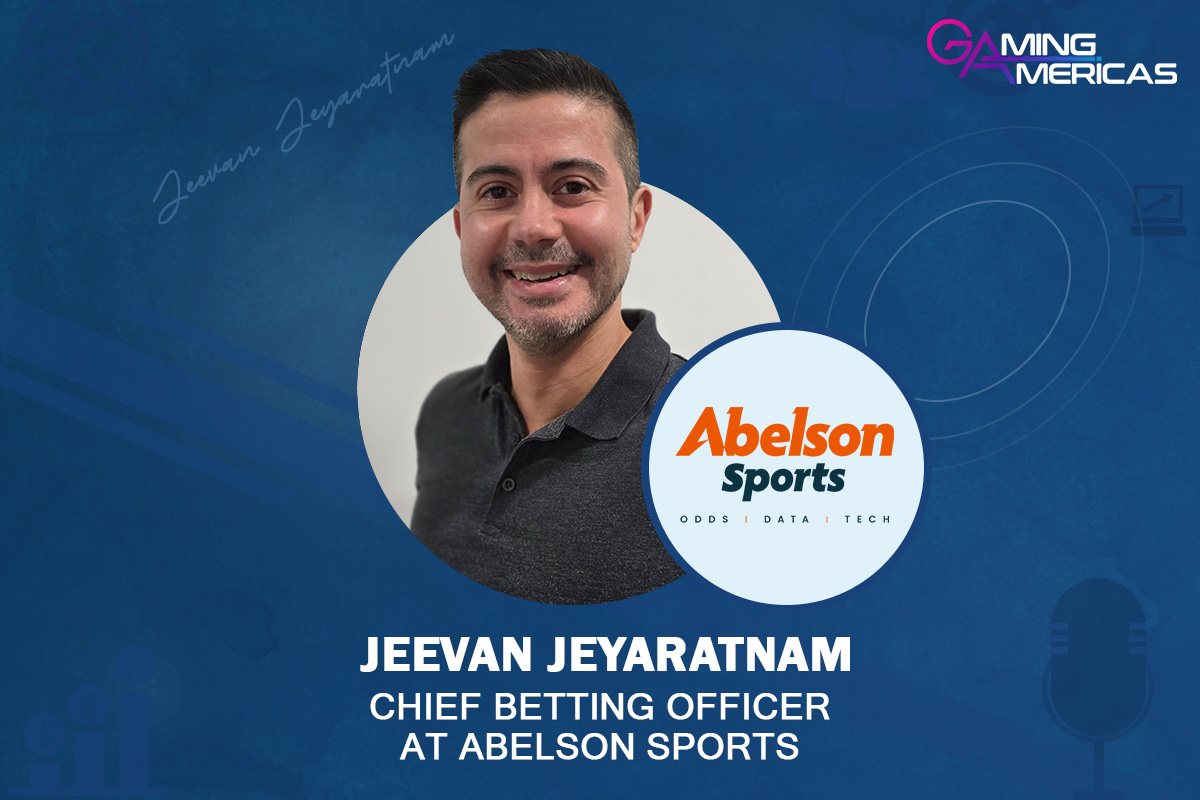
As prediction markets evolve from niche forecasting tools into a multibillion-dollar mainstream asset class, the boundary between trading and high-volume iGaming infrastructure is rapidly dissolving. This Q&A feature w/ Jeevan Jeyaratnam, Chief Betting Officer at Abelson Sports examines whether prediction platforms can sustain their exponential growth independently, or if their long-term survival depends on adopting rigorous compliance, product proposition and geolocation standards of the established iGaming supply chain.
Are prediction markets a threat to the existing sports betting industry in the US and beyond, or can both coexist peacefully and profitably?
The answer to that question very much depends on where in the world you are. If I live in Birmingham, Alabama then prediction markets (PMs) are my only legal route to placing any kind of sportsbook wager. If I live in Birmingham, England then prediction markets (or as the Europeans understand them, betting exchanges) are very much playing second fiddle to the currently available, advanced sportsbook apps.
At present, prediction markets and legal sports betting firms, in the US, are operating on an uneven playing ground. Sportsbooks are state-regulated entities with tightly enforced rules, high tax rates and limited geographical scope. Prediction markets – in my opinion, because of their connection to the federal government’s coffers – have been given almost carte blanche to operate across state lines with no consideration for state legislative independence.
Governed by the federally controlled Commodity Futures Trading Commission (CFTC), prediction markets are able to offer sports contracts as well as other financial products to players in California, Georgia, New York and Texas. Sportsbooks, using this four-state example, can only offer sports betting opportunities to those in New York and that comes with a hefty 51% tax rate. The disparity here is stark and it is no wonder that investors and financiers believe that Predictions Markets have an opportunity to outperform sports betting operators. The problem of quite how PMs can fully monetise the product is beginning to be resolved with commission fees now being charged. How PMs can keep customers engaged is another concern, as there will be very few recreational winners from the pool of sharps that are seeding and trading these markets.
Given the current regulatory landscape, how can providers help platforms navigate the legal minefield of jurisdictions?
There’s a certain frontier spirit, certainly in the USA, around PMs at the moment. Platforms seem to be navigating with a “do it and apologise later” attitude, which has led to several high-profile lawsuits. Depending on where you look, the PMs or CFTC are either suing the state or vice versa.
It is a mess and as Congresswomen Dina Titus (D-NV) pointed out in an open letter recently, “Equally concerning is the allocation of agency resources to support this expanding litigation campaign.” Her point being that the CFTC is significantly understaffed and under resourced and that its efforts to support “multi-state litigation threatens to undermine the agency’s ability to fulfil its primary mandate.”
More recently, it would seem that the two biggest names, Kalshi and Polymarket, have decided that public slanging matches, where accusations around facilitating nefarious characters and criminal enterprises to trade on their platforms, fly either way.
This is hardly the type of behaviour anyone would expect from two companies operating within the auspices of the CFTC.
Until the situation settles and given the widespread support at federal level, it’s hard to imagine either of the two main players needing to take too much advice from others.
Following recent high-profile controversies around insider trading on prediction platforms, what sportsbook-grade KYC and behavioural monitoring tools are most effective at detecting the misuse of information?
One of the big concerns, currently not adequately addressed, revolves around KYC. Kalshi, for example, by way of its regulated status with the CFTC, has a strict KYC and AML code and a clear list of prohibited territories on its site.
Polymarket, on the other hand, is a crypto-native decentralised operator and as such has far fewer hurdles to jump as regards KYC. The USA site is now covered by CFTC regulation and is considered separate to the international version, which doesn’t require mandatory ID requirements to set up an account. This has led to significant and justified concerns over insider trading and AML. There are a number of tried and tested solutions that betting operators are required to use, but the same will also be true for PMs and the specific set of requirements they need to fulfil. For the sportsbooks that are also launching PMs, it would make synergistic sense for them utilise the same tools they have for the sportsbook.
What sort of retention strategies can be borrowed from the betting sector to increase engagement for prediction market operators?
The biggest hurdle for PMs is how they handle the inevitable churn as recreational players realise that they are consistently losing money to the big trading houses and sharp market makers. Only a fraction of customers can win and a small concentration of sharp clients will mop up pools, especially in sports contracts.
In other political or business markets there will be individuals or syndicates operating with the benefit of insider knowledge. Currently, the PMs product isn’t comparable in entertainment value to that of the sportsbooks. No concessions, no bonuses or many of the entertainment value add-ons that sportsbooks have adopted.
PMs have provided means for many who otherwise would have to use offshore books to experience wagering and they have done this at a very low transactional cost to the end user. That model will need to change if these firms are to meet their lofty valuations, but how they do that, while convincing customers that they can beat the sharps remains to be seen.
The post The evolution of prediction markets appeared first on Americas iGaming & Sports Betting News.
Baltics
From Ronaldinho Roulette to Next-Generation Game Shows: How CreedRoomz is Expanding Live Casino Entertainment

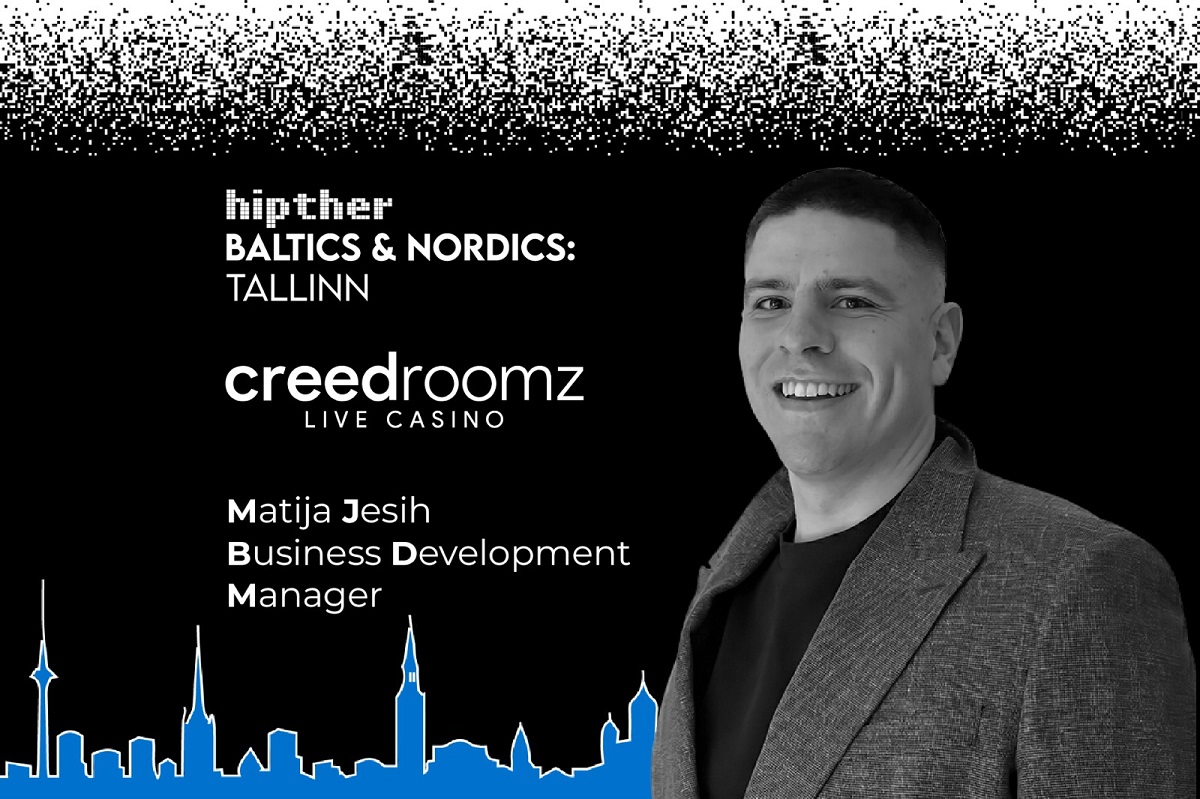
As part of our HIPTHER Baltics & Nordics: Tallinn 2026 Sponsor Spotlight series, we caught up with Matija Jesih, Business Development Manager at CreedRoomz, to discuss the company’s latest innovations, its headline-making collaboration with football icon Ronaldinho, and what operators can expect from the next generation of live casino entertainment.
With a strong background in regulated markets, platform solutions, and commercial growth, Matija shares insights into how CreedRoomz is combining recognizable personalities, innovative game mechanics, and an ambitious game show roadmap to create new engagement opportunities for operators and players alike.
CreedRoomz recently announced a collaboration with football legend Ronaldinho, introducing titles such as Kickoff Roulette and Marble Cup. What inspired this partnership, and what made Ronaldinho the right fit for the brand?
The inspiration behind this partnership stems from our desire to truly bridge the gap between traditional sports entertainment and the fast-evolving live casino space. When you look at live casinos right now, audiences are looking for something more than just standard tables, they want an experience, an emotional connection.
Ronaldinho Gaúcho is the absolute embodiment of that concept. He isn’t just a football legend, his name is universally synonymous with joy, creativity, cross-generational appeal, and unmatched flair. That radiant energy is exactly what makes him the perfect fit for the CreedRoomz brand.
By integrating his persona into titles like Kickoff Roulette and Marble Cup, we aren’t just slapping a famous face on a game thumbnail. We are capturing his signature style and infusing it directly into innovative mechanics. Football and iGaming share a deeply passionate user base, and having a global icon like Ronaldinho headlines these games allows us to help operators attract both sports fans and traditional players, creating an instantly recognizable, high-engagement environment that stands out in a crowded market.
Previously we did a game featuring Maradona, “Maradona Run” and it captures the same philosophy, it bridges the gap between legendary sports entertainment and real-time casino gameplay, ensuring that players don’t just watch the legacy, but actively interact with it.
Celebrity partnerships have become increasingly visible across gaming and entertainment. What role do you believe they can play within the live casino sector, and what should operators consider when evaluating such collaborations?
For the live casino sector, the primary role of a celebrity partnership is instant trust and differentiation. A recognizable face cuts through the noise of a crowded lobby and drives immediate cross-sell opportunities, especially from sportsbooks to live casinos.
However, operators and providers need to look beyond raw social media follower counts when evaluating these collaborations. There are two critical elements to consider: authenticity and cultural alignment and deep Integration over surface branding.
The celebrity’s persona must naturally fit the game’s theme. With Ronaldinho or Maradona, his association with playfulness and unmatched skill fits the dynamics of our sports-themed titles perfectly.
At CreedRoomz, we focus on building a unique brand, creating bespoke environments and gameplay that actually reflect the icon’s legacy, ensuring the partnership delivers long-term player retention rather than just a short-lived spike in traffic.
Let’s talk about the games themselves. What can players and operators expect from Kickoff Roulette and Marble Cup, and how do these titles reflect the broader direction CreedRoomz is taking with its live casino portfolio?
For Kickoff Roulette, we are completely fusing the worlds of sports and live roulette. It is set within an electrifying, sports-themed virtual studio utilizing a green-screen solution. Mechanically, the excitement is amplified by ‘Aurum Numbers’ which award players massive multipliers ranging from x50 up to x700, adding major payout volatility to every single spin.
Crucially, to maximize global appeal and ensure a localized experience, Kickoff Roulette is available in two languages: English and Portuguese.
Given Ronaldinho’s legendary status in Brazil, having a dedicated Portuguese-speaking option is a massive asset for operators targeting the booming Latin American and European Portuguese markets, allowing them to connect with players in their native language.
Marble Cup, on the other hand, leans heavily into unique, fast-paced tournament mechanics that capture the suspense of sporting competitions but in a highly dynamic, game-show format that keeps players glued to the screen. Marble Cup is a first-of-its-kind live betting game that sits at the intersection of live casino and sports entertainment, a space no competitor has meaningfully entered. Unlike traditional live casino games driven by RNG or standard table mechanics, Marble Cup uses a custom-engineered physical device where results are determined by genuine randomness: marbles rolling down a gravity-fed track into goals defended by moving goalies. No algorithm, no simulation, the outcome is real.
Maradona Run:
Maradona Run a fast-paced lottery ball draw with a cinematic, arcade-style endless runner game show. During the main game, players manage up to eight interactive cards as football-styled lottery numbers bounce in a high-tech studio chamber. When the bonus round triggers, players leave the studio behind and hit a digital, festive boulevard alongside Maradona himself.
Instead of traditional coins, the animated legend sprints down the obstacle-filled street course collecting glowing soccer balls. These collectibles correspond to crucial gameplay advantages, including total payout multipliers, energy speed-boosts, and prize doublers, culminating in a massive maximum payout potential of up to 10,000x the bet.
Beyond the Ronaldinho collaboration, CreedRoomz has been expanding its focus on game-show-style experiences. What trends are you currently seeing in player preferences, and how are they influencing your product development strategy?
Modern players view live casinos as a source of full-scale entertainment rather than just digital table games. They want active participation, unpredictable narratives, and community elements.
Currently, we see three dominant trends shaping player preferences:
Cinematic Storytelling: Players want an immersive narrative. This heavily inspired our flagship 2026 game show, The Road to Eldorado, which transports players into an Aztec world utilizing advanced 3D visuals and four interactive bonus rounds.
Rapid-Fire Intuition: The younger demographic thrives on quick-decision, high-suspense gameplay. This led us to develop non-traditional formats like Avi Crash (bringing live-dealer energy to the crash game genre).
Cross-Vertical Fusion: Players love familiar concepts with a twist. We’ve tapped into this with Crypto Market, simulating a rapid live trading environment, BacDice, combining baccarat with dice mechanics, and Lucky Colors a vibrant, high-energy casino experience
Our strategy is to “bring the show back to game shows”. By combining these multi-layered mechanics with advanced virtual studios and native-speaking hosts, we help operators deliver highly engaging, custom-branded experiences.
Can you give us a preview of the CreedRoomz game show roadmap? What types of new experiences, mechanics, or innovations can operators look forward to over the coming months?
Our roadmap is completely focused on transitioning from a fast-growing challenger to the definitive global leader in live entertainment. Operators can look forward to a massive push across both next-generation game shows and highly customizable infrastructure.
However, great games are only half the battle. The other half is how we empower operators, which is why we are heavily expanding our dedicated and customizable solutions.
We recognize that one size no longer fits all. We are offering bespoke Dedicated Studios, allowing partners to design custom-tailored environments with native-speaking tables and preferences to achieve deep, market-specific localization. Furthermore, by advanced multi-stream compositing technology, we are launching Dedicated Card Games. This allows us to run a single, physical studio while simultaneously delivering completely different, uniquely branded virtual skins to multiple operators.
With your experience across regulated markets and content distribution, how do you balance innovation with the realities operators face, such as compliance requirements, integration efficiency, and player retention objectives?
We balance innovation by embedding compliance and infrastructure directly into our creative process from day one. Our games are built with compliance-first architecture to instantly meet strict regulatory standards globally, from Europe to Latin America, while advanced tech like ultra-low latency streaming and virtual green-screen solutions allows operators to launch highly customized content seamlessly without complex integrations. Ultimately, while a celebrity or flashy visual triggers the initial acquisition, it is our deep game math, like volatility shifts, interactive 3D bonus rounds, and native-language localization, that ensures sustainable player retention and commercial success for our partners.
Looking ahead, what are the key priorities for CreedRoomz during the remainder of 2026, and where do you see the biggest opportunities for growth within the live casino and game show segments?
To achieve this, we are capitalizing on two massive growth opportunities. The first is deepening our geographical footprints across booming, new studios coming up in Brazil, Europe and Asia this year. This allows us to provide hyper-localized, native-speaking tables and give operators free-of-charge, customized branding setups that resonate perfectly on a local level.
The second major growth catalyst lies within our core product segments. In the game show vertical, our focus is all about scaling the massive momentum of our flagship launch, Road to Eldorado, alongside our new generation of hybrid titles like Avi Crash and Crypto Market.
The industry opportunity here is immense, players no longer want standard formats, so by delivering highly gamified, multiplier-heavy ecosystems, we are successfully bridging the gap between sports betting, slots, and live tables. By combining these unique mechanics with our advanced, data-light streaming tech, our priority for the rest of the year is ensuring our partner operators can seamlessly maximize player engagement and unlock entirely new revenue streams.
The post From Ronaldinho Roulette to Next-Generation Game Shows: How CreedRoomz is Expanding Live Casino Entertainment appeared first on EE Gaming | Global iGaming & Tech Intelligence Hub.
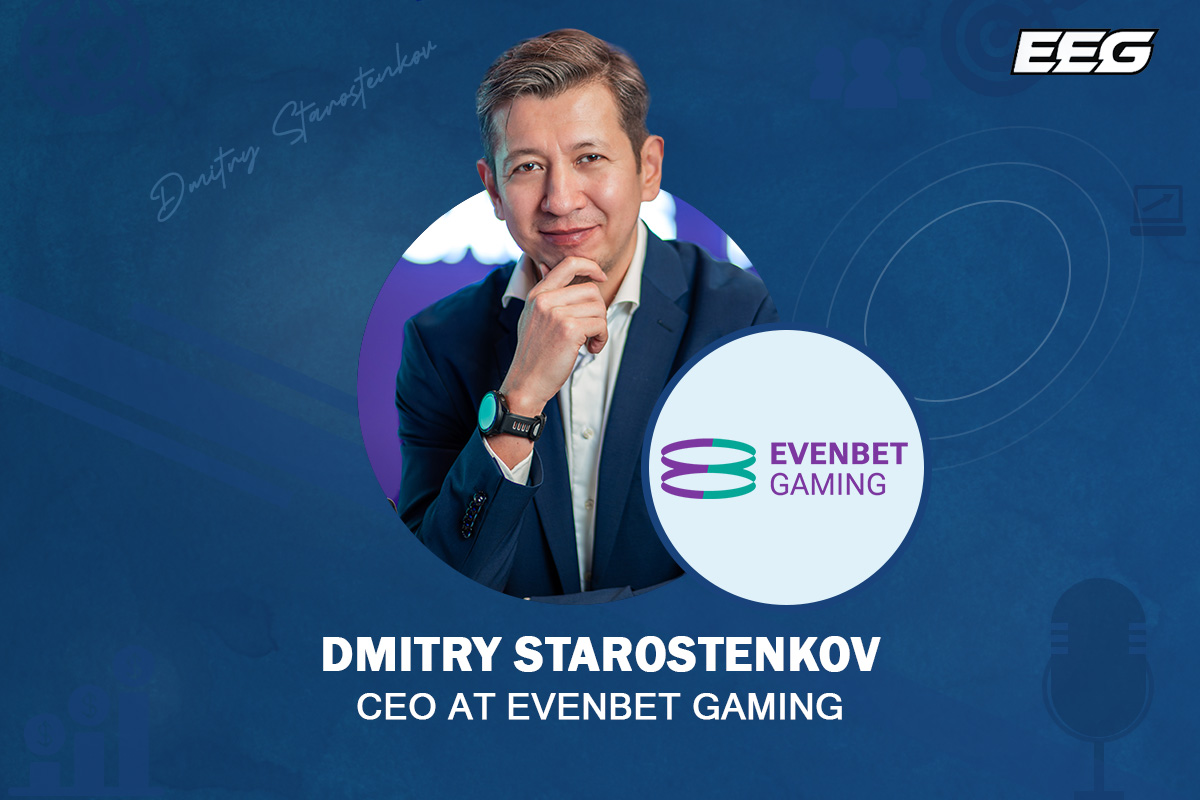
EvenBet Gaming’s CEO, Dmitry Starostenkov, speaks to EEGaming about the company’s expansion into the casino vertical, what drove the decision, what it took to build, and what it means for operators looking to grow beyond a single product.
EvenBet has spent more than two decades building its reputation in poker. What told you the time was right to move into casino?
We kept having the same conversation with partners who trusted our poker infrastructure, asking whether we could support them on the casino side too. For a long time, our answer was to point them elsewhere but, with competition intensifying, that became harder to justify.
But there’s a wider shift happening too. Operators are under real pressure to extract more value from their existing player base. Acquisition costs are rising, regulated markets are tightening, and the days of building a sustainable business on a single vertical are gone. Operators who are growing have found more ways to extend player value across their full product offering, and that requires purpose-built infrastructure.
We have the technical foundation and understand the player behaviour. The question became when to make the move, and how to do it in a way that was genuinely an improvement on what was already out there.
Moving from the single poker vertical into a full casino platform is a significant undertaking. Where did the product challenges actually lie?
The single player account sounds simple until you’re actually building it. Shared balance, unified player profile, seamless movement between poker and casino all create complexity that compounds quickly. The other challenge was scope. A game aggregator covering 15,000 titles across 230-plus providers has the potential to create real infrastructure problems. We had to build something that could handle that scale without becoming unwieldy for operators to use. And we didn’t want to compromise the poker product to get there either – that was non-negotiable. Everything had to work as one system, not two products stapled together.
How does cross-vertical conversion work, and why does that matter so much to operators right now?
The friction in moving a player between verticals has always been the drop-off point. Separate logins, separate wallets and separate experiences are all different reasons for a player to disengage. When that’s removed, the conversion happens more naturally.
What makes the difference is having product mechanics that actively pull players across. One Click Poker removes the traditional lobby entirely, which has historically been the biggest barrier for casino players who find poker intimidating or unfamiliar. Spins Poker goes further by taking player-versus-player gameplay and wrapping it in slot-style mechanics, so the experience feels native to a casino player from the first session.
In the other direction, casino rewards sitting inside the poker environment give poker players a natural reason to explore. It becomes a two-way pipeline rather than a one-way push, and operators can see that working in the data. That’s what cross-vertical conversion looks like when the product architecture supports it properly.
What does EvenBet Gaming now offer an operator that they genuinely can’t get elsewhere?
Most casino platforms don’t come with a serious poker product attached, and most poker providers don’t have a credible casino offering. We’re in a fairly unique position in that we can genuinely deliver both, and the integration between the two is real and not just a partnership held together by an API. In terms of who this is for, it’s operators who want to grow. Whether that’s a new entrant who needs a clean, fast route to market, or an established operator who has a casino product but knows they’re missing a revenue stream without poker. We’re positioned to offer that market entry and scalability, without compromising quality.
The post Behind EvenBet Gaming’s strategic evolution into casino appeared first on EE Gaming | Global iGaming & Tech Intelligence Hub.

-

 Amusnet7 days ago
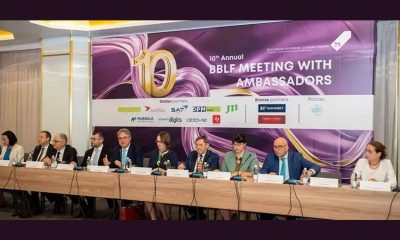
Connecting Business and Diplomacy: Amusnet Supports BBLF’s Annual Meeting of the Diplomatic Corps
-
AGCO6 days ago
AGCO Fines Great Canadian Entertainment $120,000 for Using Unauthorised Gaming System Software at Four Casinos
-
Affiliate Industry4 days ago
Hub Affiliations Triumphs at the iGB Affiliate Awards 2026: Winner of Programme/Network Campaign of the Year
-
certification7 days ago
PopOK Gaming secures certification for Portugal iGaming market
-
Latest News4 days ago
N1 Partners at iGB L!VE 2026: Bringing Together Affiliates, Art and Innovation
-
Latest News6 days ago
LEON announces LEON.bet Masters, a new CS2 tournament in Portugal
-
Canada6 days ago
St8 expands Octoplay aggregation deal to Ontario and the UK
-
Asia6 days ago
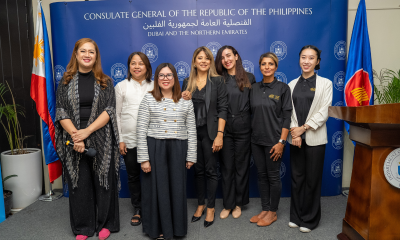
The UAE Lottery joins SAGIP outreach with Philippine Consulate and Infinite Communities