Interviews
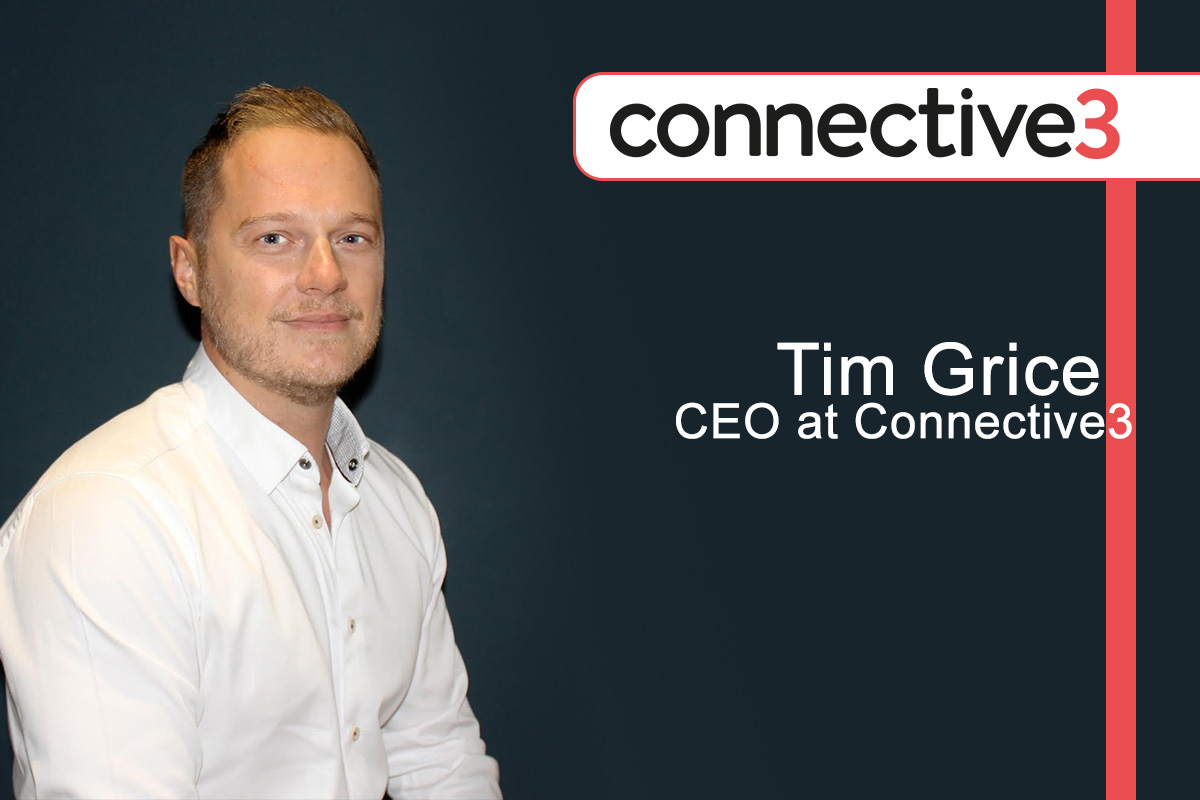
Exclusive Q&A with Tim Grice, CEO of Connective3

We are going through one of the most difficult times in human history. The Corona virus pandemic has affected all spheres of human lives. The gaming industry is no exception.
How do the best minds of the industry analyze this rapidly evolving situation?
That’s what we want to find out with this exclusive interview with Tim Grice, the chief executive officer of Connective3, a top-notch digital marketing agency in the gaming industry based in the UK.
Here he talks about himself, his company, quick impacts of the COVID-19 outbreak in the industry and, best of all, some insightful advice on how to proceed during these tough times.
Here we go!
Q. First up, an introductory question. Tell us about yourself. Our readers love to hear top entrepreneurs talking about themselves.
A. I’ve been working in digital marketing for 13 years. I started out as a consultant in 2007, mainly working across SEO and PPC. In 2010 I joined Branded3 as Head of Search; there were no more than three people in the digital marketing team when I joined, but in 3 years we managed to grow the business to over £4m in revenue and 60 people.
Branded3 was acquired in 2013 and I took over the role of CEO in 2015, generating revenues of £7.2m and nearly 100 people in the business.
In 2019 I decided to collaborate with the founders of Branded3 and introduce a new agency brand to the mix, connective3. We have gathered together the most talented people I have worked with over a decade and have created a £1m / 20 person business in 6 months. We have huge ambitions and want to grow the business in the UK and internationally over the next 5 years.
Q. How is your business going at this time of Corona-induced turmoil?
A. Like everybody else things have slowed down. No businesses are willing to commit at such an uncertain time. However, we are working remotely very well and are even seeing some growth from our igaming and other online-only clients.
Q. What about affiliate marketing industry performance as a whole in these times? Some sectors in the affiliate world of gaming and gambling industry must be hit hard, right?
A. Any affiliates linked to travel, retail and hospitality are going to struggle immensely as no one is buying. However, we have seen an increased amount of traffic and conversions across igaming (casino/poker/bingo) as well as certain financial products and services. So very mixed, but there is no doubt some serious pain across multiple sectors.
Q. What do you think affiliate marketers in the struggling sectors should do at this stage? Any advice based on your experience?
A. It’s very hard to react as this is such a freak even; however, if possible I would recommend reviewing all content on your site, ensuring it caters to those using ‘online’ in their search queries. We have seen huge growth in ‘online + keyword’ searches across the board, and are reacting with our clients.
I think the whole crisis really spells out the need for businesses to invest in content aimed at the awareness stage of the customer journey, aspirational content to cater to customers who are browsing and wanting information before they make a purchase. Everyone is at home, no one is buying, but people are still looking in preparation for the end of this crisis. Investing in this area will put you in a stronger position when conversions dry up.
Q. Was the affiliate industry prepared to face such a crisis? What kind of course correction do the affiliate companies in the gaming and gambling sector require both in operation and strategies for tackling such a potentially long emergency period?
A. As above, I don’t think there is much that can be done to avoid the declines, only ease the pain. Investing in information-rich content, diversifying products and having international websites is probably going to be the best way to minimise the impact of a pandemic like this.
Q. What are your quick insights into the situation as we go through an ongoing crisis caused by the Corona outbreak? What are the lessons that you learned from this episode? This could be important as many warn us about similar outbreaks in the future.
A. The best piece of advice I can give is to keep your business cash rich. Have enough in the bank to see your business through six months of no revenue. It will still hurt when something like this happens, but it will allow you to navigate through it and give you the funds to invest when the world wakes up. We’re anticipating a huge wave of growth when normality returns and as a business, we want to be in position to take full advantage. Our strategy is very simple, give world class service and support to our clients and use this time to invest in our inbound marketing output.
Q. Which of the sectors in the gambling industry gained as a result of the recent crisis? It would be great if you can provide figures and stats to support your answers.
A. I can’t go into specific details about clients or numbers; however, on a whole we’re seeing quite stable numbers across the businesses we work with. Across casino, poker and bingo we’re seeing on an average a 20% increase in traffic in the UK, and even though sports betting has collapsed, we’ve seen a sharp rise in e-sports. People still want to be able to gamble even though certain products are unavailable.
Q. There is of course a reported surge in customer interest on the igaming betting front. Do you think it is sustainable during the post-crisis stage as well, when the traditional sports will be back in action?
A. I think the current surge is temporary and will stabilise when things settle down and events are allowed to continue. However, this may not be for a while looking at the current situation, so this could be a truly unprecedented summer for online casino/online poker/online bingo products. My advice would be to invest hard now in content marketing and make the most of what looks to be double digit growth in this area. We work with igaming brands getting quality links and coverage which are having a huge impact on rankings. This is where I would invest to take advantage.
Q. What would be your advices and suggestions regarding content marketing strategy for the gaming and gambling industry during this outbreak and after it? Should the old practices hold up or new ones should surface?
A. I have no doubt that buying links, link networks and other manipulative techniques still work to deliver rankings. However, we don’t advocate or practice this; our content marketing and digital PR team are one of the best in the industry and are actively working with multiple igaming businesses delivering hundreds of top tier links every month.
I would invest in informational content on your website, answering all the questions your customers could possibly have about your products and services. However, the main part of my strategy would go into digital PR and delivering high quality trusted links that deliver trust and authority in the long term, as opposed to quick fix strategies that last 3- 6 months. Decent link building can be done at scale now and deliver quantity as well as quality.

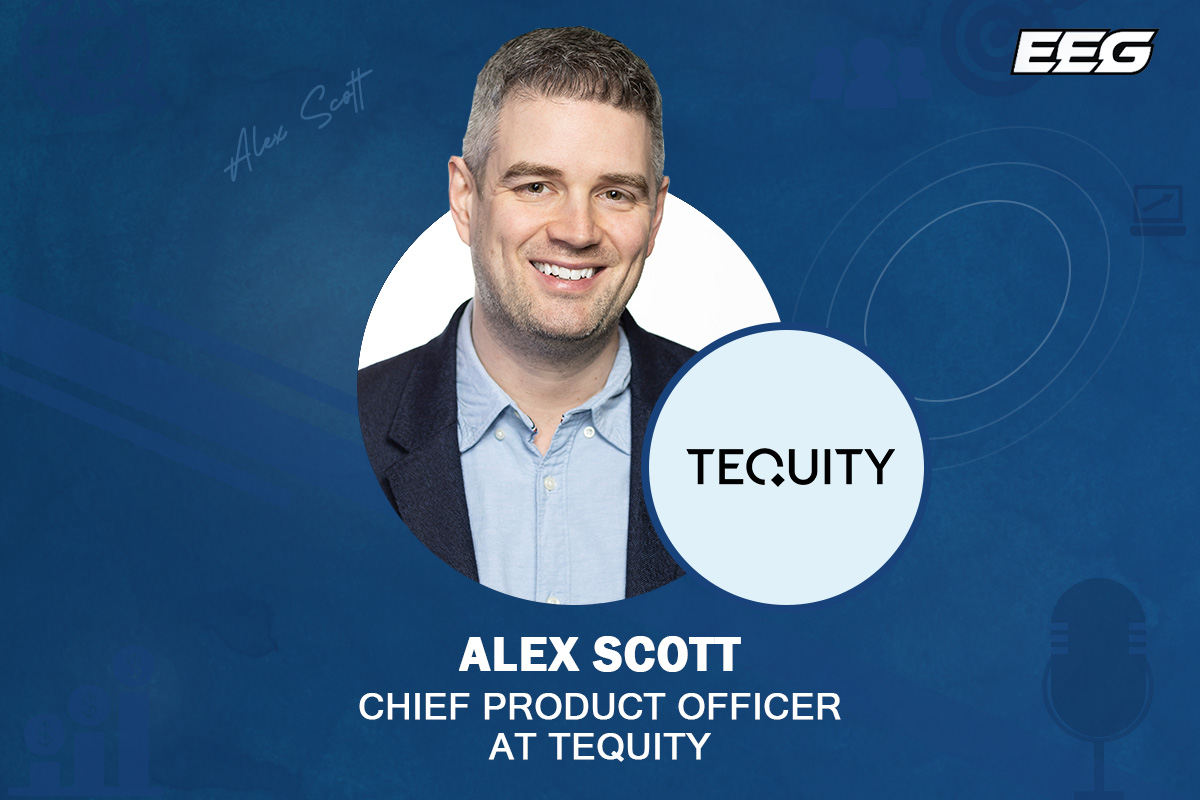
Following his appointment as Chief Product Officer at iGaming software pioneer Tequity, industry veteran Alex Scott outlines his vision for the company’s expanding product suite. With over 20 years of leadership experience, including driving WPT Global to become the world’s second-largest online poker room, he shares his insights on how Tequity’s approach is redefining both the games players enjoy and the way they are distributed.
You have held senior leadership roles at major operators and suppliers. What convinced you to join Tequity, and what are your main priorities as CPO?
Tequity is a business that I’ve admired since I first became aware of it. In that time I’ve heard so many positive things about how the company is able to move very quickly and decisively, while still delivering ultra high quality products for its partners. When I started interviewing for the position and meeting the people involved, that only reinforced the positive impression I had. It was clear to me that this was a company that is at the forefront of innovation in the iGaming space, creating and delivering content that is fresh and exciting.
My priority as CPO is to further accelerate the development of top-quality products that are highly relevant to today’s players. I’m excited to roll up my sleeves and get stuck in – there are so many possibilities!
Tequity recently secured BMM Testlabs certification for its RNG and the first batch of Originals titles. How does that accelerate your product roadmap?
This certification will open up many more potential customers for Tequity, and therefore many more opportunities for businesses to take advantage of Tequity’s services, like our bespoke Exclusives and our top-performing Originals. Operators fighting for market share are always looking for those added-value elements that can set them apart from the competition and our fully brandable, customisable and feature-packed content offers that key point of difference.
It will also enable the studios using our RGS and Publishing solutions to widen their own distribution and reach many more potential customers as well – just another reason to choose our RGS. We have seen the strong demand for our games and solutions from partners all over the world, and we believe that this appetite will be more than matched by operators in the regulated market space.
Finally, it represents s a step towards a wider regulated market expansion which I am excited to be involved in.
Player preferences are moving decisively toward fast-paced, community-driven experiences. How do Tequity’s game divisions cater to this next generation of player engagement?
One of the things that sets Tequity apart is that the company truly understands what the modern generation of players are looking for. They are discovering online casino in a very different way to past generations, and require simpler, easier to understand, more socially-driven content if you want their full attention. Today’s players expect instant gratification and seamless, mobile-first experiences that fit into their fast-paced lifestyles. They also want gameplay to feel like less of a solitary activity and more of a shared event.
Having spent recent months immersed in casino game development for the crypto generation, I’m really looking forward to contributing to these efforts and having an impact of my own.
You will be joining the Tequity team at iGB Live in London next month. What is the key takeaway you want operators and studios to leave with?
As the newest Tequity signing, I’m looking forward to meeting the rest of the team and many of our partners and customers at iGB Live.
Tequity is an extremely fast and capable company that builds high-quality, interesting products at the cutting-edge of the industry. My hope is that operators and studios leave the event understanding our expertise and capabilities. But I also want them to leave with a sense of the enthusiasm and passion that we have for building great games that stand out from the crowd.
The post Q&A with Tequity’s new Chief Product Officer Alex Scott appeared first on EE Gaming | Global iGaming & Tech Intelligence Hub.

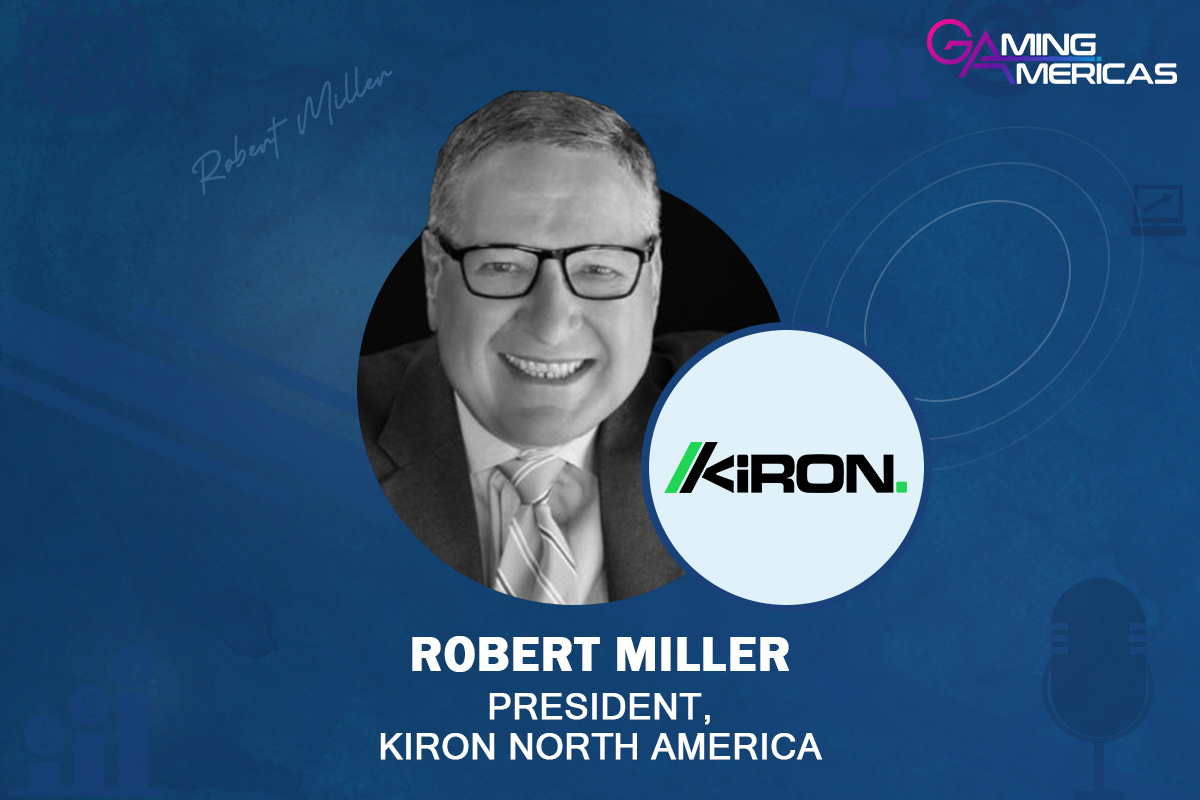
Check out our latest Q&A w/ Robert Miller, President, Kiron North America.
Everyone is talking about the opportunity presented to the North American market by the World Cup. Just how big an opportunity do you believe it is? And what is the size of this opportunity for virtual sports?
For live sports betting, the World Cup is one of the biggest opportunities available. It drives significant betting volume, attracts new customers and creates moments of engagement that few sporting events can match. For virtual sports, the opportunity is different. The World Cup can help introduce new players to a broader betting ecosystem, but virtual sports are not dependent on major tournaments to succeed. Their real strength is providing consistent engagement throughout the year. While the tournament creates a short term surge in activity, the long term opportunity lies in offering customers engaging experiences every day, not just during major events.
Events like the World Cup present a huge demand for content from operators. How can virtual sports help operators in North America during these times?
Live matches will always be the centrepiece of the World Cup experience and rightly so. However, operators also need ways to keep customers engaged between matches and throughout the wider tournament journey. Virtual sports complement live betting by providing continuous entertainment and additional touchpoints when there is no live action available. The greatest value comes when virtuals are integrated into a broader engagement strategy that keeps players connected to the platform before, during and after major sporting events.
The North American market has been maturing significantly in the last few years, does a tournament as big as the World Cup showcase the strength of the market? Or highlight the flaws in its set-up?
It does both. The strength of the market is clear in the scale of customer participation and the growing appetite for sports betting experiences. Major tournaments demonstrate just how much demand exists. At the same time, they highlight one of the industry’s biggest challenges: retention. Many operators are highly successful at attracting customers during major events, but maintaining engagement afterwards remains a key focus. Long term success will come from building experiences that keep players engaged throughout the year, not just during peak sporting moments.
North American sports fans have a very different relationship with football compared to European or Latin American audiences. How does that affect the way virtual football products need to be positioned or presented in this market?
Product positioning needs to reflect the realities of the local audience. Football continues to grow in North America, but it does not yet have the same cultural position it enjoys in many other regions. For that reason, virtual football products should focus on accessibility, entertainment and ease of engagement. Players respond to experiences that are intuitive, fast paced and easy to understand. The emphasis should be on delivering continuous action and a compelling user experience rather than relying solely on familiarity with the sport itself.
The World Cup has a jam-packed schedule and the North American sports calendar is one of the most packed in the world. With so much live content available, how do you make the case for virtual sports to operators who believe they already have enough sports action to offer?
The conversation is not about choosing between live sports and virtual sports. The most effective operators recognise that the two can work together. Live sports naturally create periods of inactivity between events, while different player segments engage with content in different ways. Virtual sports fill those gaps and create additional opportunities for interaction. When positioned correctly, they enhance the overall entertainment offering rather than compete with live sports.
When the World Cup has finished, what is the lasting impact on virtual sports in North America and how do providers ensure they do not lose any momentum they have gained?
The lasting impact comes from what operators do with the attention generated during the tournament. Major sporting events create opportunities to introduce new customers to products and experiences they may not have explored previously. Maintaining momentum requires strong operational integration, seamless customer journeys and products that continue to deliver value long after the tournament ends. Providers that focus on year round engagement rather than short term spikes will be best positioned to benefit.
The post How Virtual Sports Can Help Shape The North American Market During and After the World Cup appeared first on Americas iGaming & Sports Betting News.
2026 FIFA World Cup
Roundtable – More than just a Match: How Can Online Casinos Benefit from Increased FIFA World Cup Traffic

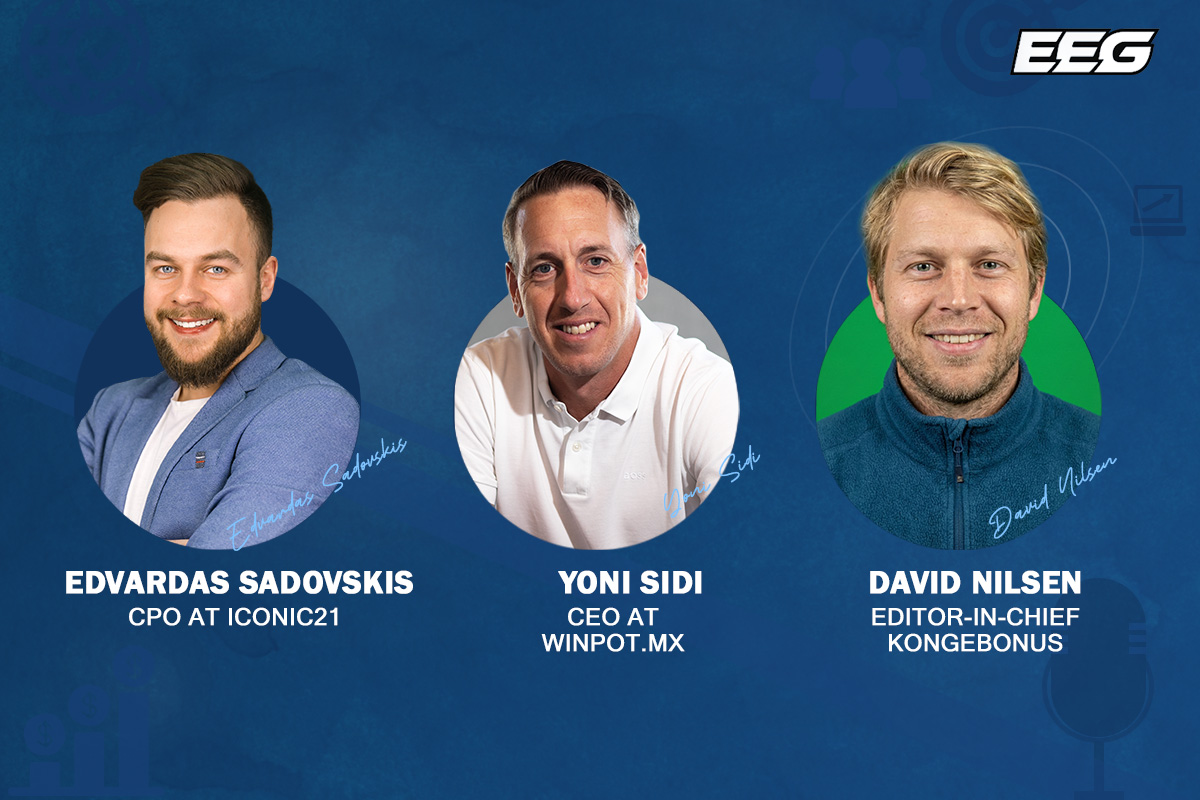
Participants
David Nilsen, Editor-in-Chief, Kongebonus
Yoni Sidi, CEO at Winpot.mx
Edvardas Sadovskis, CPO at ICONIC21
Summary
The 2026 FIFA World Cup begins this June, and it is set to create one of the biggest acquisition opportunities the iGaming industry has witnessed. Naturally, all of the attention this summer will turn to sportsbooks, but with many operators also offering online casinos, how can they ensure that their casinos benefit from this football-driven traffic increase?
The opportunity is real, but so is the risk of missing it. Many casual bettors will be signing up for a summer of betting action, and this represents a new, untapped audience for online casinos. However, converting sports bettors into online casino players, and vice versa, is a notoriously difficult challenge, and it is one many operators will be hoping to overcome this summer.
For this roundtable, we’ve brought together a panel of experts from different sectors of the industry to explore how online casinos can take advantage of this opportunity, what kind of casino content interests sports bettors, and more.
With millions of new sports bettors expected to sign up, what can operators do to make the most of this window?
David Nilsen, Editor-in-Chief, Kongebonus
The goal is simple. Get people active and keep them active for the whole tournament, not just one match. The audience is genuinely there. Deutsche Bank reckons US handle alone lands somewhere between 2.5 and 4.1 billion dollars, more than double Qatar 2022. But a clean, fast sign-up is everything. These are casual punters.
They will abandon a long registration mid-game, so any friction at deposit, KYC or withdrawal costs you the customer on the spot. Once they are in, that is where you open up the cross-sell into a casino and live casino.
At Kongebonus we see this with our Norwegian audience every tournament. The mistake most operators make is treating the sign-up as the win. It is not. It is just the door. The actual work is giving someone a reason to come back for the next match day, and the one after that.
Yoni Sidi, CEO at Winpot.mx
The sign-up moment is everything. Onboarding flows need to surface casino products immediately, and welcome offers should reward exploration across both verticals from day one.
New registrants during a tournament are impulse-driven, and the window between matches is prime casino time. Operators need automated triggers that capitalise on those gaps. This means post-match lobby pushes, half-time promos, and next-day re-engagement.
KYC and payment friction will kill conversion faster than any competitor, so operators who have invested in fast verification and instant withdrawals will win the acquisition battle.
And don’t treat it as a pure volume play. Segmenting new users early allows for smarter casino cross-sell from the very start.
Edvardas Sadovskis, CPO at ICONIC21
The market will be saturated with promotions, that’s a given. Providers should go beyond the standard offer and think carefully about how they build their promotions to fit their operator partners needs: the mechanics, the timing, the creative execution, and crucially, how well it reflects the season.
At ICONIC21, personalization is at the core of what we offer, and the FIFA World Cup is exactly where that capability becomes a real competitive differentiator. We can move quickly to adapt games and content to a specific theme and audience profile. Football Cup Roulette, Football Cup Blackjack 360, Football Cup Gravity Blackjack are all examples of that in practice. Operators don’t need to rely on generic, off-the-shelf content during one of the biggest acquisition windows of the year. The technology and the partnerships exist to do something genuinely distinctive. The question is how operators choose to use them.
What have previous tournaments taught us about how sports bettors interact with casino products, and how can the industry prepare?
David Nilsen, Editor-in-Chief, Kongebonus
We have learned that cross-selling into casino is genuinely hard, and most operators reach for the easy route. Halftime free spins. You will see them everywhere this summer. There is nothing wrong with that. A free-spin offer while someone is already logged in is a sensible nudge. But be realistic about who these people are.
Most FIFA World Cup traffic is occasional punters who log in, stick a tenner on Norway or a correct score, and move on hoping for the best. Research shows this type often does not know the sector’s vocabulary and will not sit through a long process mid-match. So the lesson is straightforward. Do your retention work while they are actually active and engaged. That window is short. Once the match ends, the attention is gone, and no amount of clever follow-up brings it back.
Yoni Sidi, CEO at Winpot.mx
Euro 2020 and Qatar 2022 both showed the same pattern – casino engagement spikes on match days. The gap days are where operators lose people.
Live casino consistently outperforms slots during tournaments because it mirrors the event feeling of watching a match.
The clearest lesson is that operators who built cross-sell journeys before the tournament started outperformed those who reacted in real time.
Loyalty and gamification mechanics that ran across both verticals – a FIFA World Cup leaderboard rewarding sports and casino play alike – showed meaningful uplift.
It’s important to understand that the preparation window matters more than in-tournament creativity.
Edvardas Sadovskis, CPO at ICONIC21
What past tournaments consistently show is that the boundaries between verticals are more permeable than we sometimes assume. A player who arrives through sportsbook during a major tournament is not necessarily a sportsbook-only player forever. Context and theme play an enormous role in where attention goes.
Cross-sell remains one of the most valuable and underutilized levers in the industry. During this season, actually all verticals matter, and operators who maintain a healthy, well-curated mix of live casino, slots, and RNG content alongside their sportsbook offering, if available, are the ones best positioned to capture that wider engagement.
The theme itself does a lot of the work. Football enthusiasm creates a mood and that mood travels across verticals. Players who might not ordinarily gravitate toward a slot or a live table will engage with one that feels connected to the moment they’re already excited about. The industry’s job is to make that journey feel natural.
How do casino-first operators stay visible and relevant when sportsbook brands dominate the tournament?
David Nilsen, Editor-in-Chief, Kongebonus
Honestly, this worry is a little overblown. Casino-first players stay casino-first players. If they fancy a FIFA World Cup bet, they already know exactly where to find it, so you do not need to fight hard to cross-sell them. And here is what people forget. If a big operator runs a huge sportsbook campaign and that same player already uses their casino, the player is being reminded of the brand, not lost to it. Nobody suddenly forgets what an operator does just because the marketing went football-flavoured for a month. So, casino-first brands should not panic and try to out-shout the sportsbooks. Stay true to the product. Lean into what makes you different.
Trust that your audience knows you. The summer noise fades by July. Your core proposition should not move an inch while everyone else is shouting about Mbappé.
Yoni Sidi, CEO at Winpot.mx
Casino-first operators shouldn’t try to out-shout sportsbooks on football, because they’ll lose that battle on media spend.
The smarter play is owning the moments between matches and positioning casino as the entertainment layer around the tournament, not a competitor to it. Influencer and affiliate channels that are casino-native can carry the brand without getting drowned out in sports media noise.
But the real weapon is CRM. Direct-to-player communication doesn’t compete with broadcast budgets, and a well-timed push notification at 10pm after the final whistle will outperform a TV spot every time.
Edvardas Sadovskis, CPO at ICONIC21
Relevance comes from keeping content fresh, timely, and specific and that’s where well-structured promotions earn their place. They represent content engines and player acquisition tools. The entire technical setup of the promotion shapes how a provider’s portfolio feels to a player during a tournament window.
We’re running the ICONIC Showdown football cup tournament across 11 of our games, with a particular focus on our limited-time personalized titles: Football Cup Roulette, Football Cup Blackjack 360, Football Cup Gravity Blackjack and The Kickoff. Alongside the promotion, we’ve launched Soccer World Championship, a football-themed slot designed to encourage natural cross-play between verticals.
Casino-first operators don’t need to compete with sportsbook on sportsbook’s terms. They need to offer an experience that’s thematically connected to the season while playing to the strengths of their own offerings.
The 2026 FIFA World Cup spans three countries and multiple time zones. How does the fragmented schedule affect preparation, and can content counter it?
David Nilsen, Editor-in-Chief, Kongebonus
The schedule is the single biggest challenge for us in the Nordics, and also the biggest opportunity. With matches landing late at night or at odd hours, the Norwegian fan is often watching alone. Partner asleep, no one to react with. That gap is exactly what we built the Kongebonus World Cup hub around, what we are calling the home of the second screen. It centres on a live, moderated chat where fans follow the action together, share predictions and react in real time, alongside a free Pick’em game and a leaderboard. From a content angle, the answer to a fragmented schedule is not more odds. It is connection. Give people somewhere to actually be during those midnight kick-offs and the awkward time zones stop being a reason to switch off. They become a reason to show up.
Yoni Sidi, CEO at Winpot.mx
With matches running across the USA, Canada, and Mexico, there’s no clean primetime window. Kick-offs will be spread from early afternoon through late evening, depending on the market.
Honestly, this is an opportunity for casino. There will always be a gap in any time zone where no match is live, and smart promotion scheduling around local match times can fill those windows.
For operators serving Latin American markets – particularly relevant given Mexico’s co-hosting – the operational challenge is CRM.
Campaigns need to be time-zone aware. A blanket broadcast approach will underperform, which means timing localisation is as important as language localisation.
Edvardas Sadovskis, CPO at ICONIC21
The fragmented schedule is actually less of a constraint than it might appear because not everything needs to be tied directly to a specific match time or result. The atmosphere and the theme carry their own power, and content that captures that energy will perform regardless of which time zone a player is in.
Our approach with the ICONIC Showdown reflects that thinking. We’re running the promotion from the 9th to the 19th of July, aligning with the quarter-finals, semi-finals, and the final. Those are the moments that carry the most weight emotionally and commercially. That gives players a meaningful window to engage at their own pace, rather than chasing a narrow match-by-match timeline.
There’s also a practical advantage to this approach: a lot of providers are running activations across the entire tournament period, including the build-up. By focusing on the decisive phase, we’re competing on quality of moment rather than volume of coverage and giving the promotion room to breathe.
What casino content will perform best, and are operators treating casino and sportsbook players as one connected audience?
David Nilsen, Editor-in-Chief, Kongebonus
If your cross-sell strategy is a tired football-themed slot, it will not work. It is lazy and players see straight through it. And please, do not just default to Starburst either. The way to actually turn a football crowd into casino play is to put your best content in front of them. The most genuinely fun, highest-quality slots you have, football-themed or not. People do not engage with a mediocre game because it has a ball on the reels. They engage with a great game. So yes, treat them as one connected audience, but respect them as one.
The connected-audience thinking only pays off if the product on the other side is something a person would actually choose to play. Quality is the cross-sell. The theme is just decoration, and decoration has never retained anybody.
Yoni Sidi, CEO at Winpot.mx
Football-themed slots are the obvious answer, but the honest truth is most underdeliver.
The studios doing it well are building mechanic-first games that happen to carry a football skin, not the other way around.
Live casino, particularly game shows, is the format most likely to resonate with sports bettors, because they provide real-time, social, high-energy action that feels closest to watching a match.
The harder truth is that the industry remains largely siloed, with separate CRM journeys, separate bonus budgets, and separate teams. The player doesn’t see two products.
The ones who will win this summer are those with a unified player view who serve casino as a natural extension of the sports experience.
Edvardas Sadovskis, CPO at ICONIC21
Themed content will lead. Players respond to content that reflects the moment they’re living in, and football is one of the few cultural events that cuts across demographics broadly enough to work across all verticals simultaneously.
Our power lies in the breadth of what we offer: live casino, slots, and RNG games, representing three verticals that each bring something distinct to a player’s experience, and that together create a genuinely comprehensive product environment for operators. During the World Cup, we are using exactly that mix.
On the question of treating casino and sportsbook players as a connected audience, the reality is that the audiences will remain largely distinct in their primary behaviours. But they can absolutely be united by theme, by atmosphere, and by an experience that makes movement between verticals feel intuitive.
How can operators balance short-term acquisition with long-term retention after the tournament ends?
David Nilsen, Editor-in-Chief, Kongebonus
Be sober about this. Long-term retention is always the hard part at a mega-event. Huge numbers of occasional players come in, have two or three bets on their country, and they are gone. That is just the nature of it.
Spamming them afterwards genuinely does not work. The real strategy is to use the active window to show a product worth returning to, then plant a hook into the future. Get them to place a season-long outright on the next Premier League or Champions League, or a bet on the opening weekend with a small reward attached. Optimove found 65 percent of US bettors plan to keep wagering even after their team is knocked out, so the appetite to stay is there. You will not turn most occasional punters into casino regulars. That is a fantasy. But you can become the operator they instinctively return to next time.
Yoni Sidi, CEO at Winpot.mx
The biggest mistake is building welcome offers that are purely sports-focused – you acquire a sports bettor, and that’s all you ever have.
Structured onboarding that introduces casino in week one, not week five, is critical. First-session casino exposure, even light-touch, significantly improves 90-day retention across both verticals.
Retention mechanics also need to outlast the tournament itself. A World Cup loyalty campaign that ends after the final leaves players with nothing to stay for.
The programme needs a natural handover, such as seasonal sports, ongoing casino promotions and VIP pathways.
LTV modelling should reflect the reality that a player who touches both verticals in their first 30 days is worth multiples of a single-vertical player. That should be driving investment decisions, not treated as a nice-to-have.
Edvardas Sadovskis, CPO at ICONIC21
It’s worth broadening the frame. It’s equally about an operator’s existing, loyal casino audience, who arrive at a World Cup window expecting something seasonal and new players, maybe coming from competitors or sportsbook-only platforms to join a promotion.
Short-term promotional content that performs well during the tournament doesn’t have to disappear. A limited-edition live table can remain in the lobby after the promotion ends reverting to its standard theme and continuing to serve as a player favorite.
That thinking is what separates acquisition-focused operators from retention-focused ones. The FIFA World Cup creates the spike. Smart content strategy and a well-structured lobby are what convert that spike into sustained engagement across all the verticals.
The post Roundtable – More than just a Match: How Can Online Casinos Benefit from Increased FIFA World Cup Traffic appeared first on EE Gaming | Global iGaming & Tech Intelligence Hub.

-

 Australia5 days ago
Former Star Entertainment Executives Mathias Bekier and Paula Martin Disqualified and Ordered to Pay Penalties
-
CFTC6 days ago
Novig Secures CFTC Designation, Bringing the First Prediction Market Built for Sports Fans Nationwide
-
LatAm6 days ago
Innovative payment solutions provider teams up with leading LATAM fintech platform to expand digital wallet access for online betting customers in Mexico
-
Alberta6 days ago
MediaTroopers lines up eight operator partners ahead of Alberta launch
-
Alberta6 days ago
Why Alberta Represents the Next Major Growth Opportunity for Gaming Operators
-
Alina Mihaela Popa Chief Commercial Officer at ICONIC216 days ago
ICONIC21 launches live casino and RNG titles with Maxbet in Romania
-
Aviator Studio7 days ago
Aviator Studio Secures Significant Legal Victory in Brazil as Federal Court Suspends Spribe’s Aviator Trademark Rights
-
ATG6 days ago
ATG Casino player in Sweden wins €2m jackpot powered by EveryMatrix