Canada
XSET and Drai’s Announce Groundbreaking Partnership in Las Vegas

XSET, the world’s fastest growing and most diverse esports and gaming lifestyle brand, and Drai’s, the world’s biggest hip hop club, announced they have entered into a first-of-its-kind partnership that intersects hip hop and gaming into the Las Vegas club scene.
The first club “Residency” in history for a gaming team.
The partnership will see XSET integrating gaming into both Drai’s Beachclub and Nightclub venues. The sprawling 30,000 sq. ft. beach club will feature XSET-themed gaming cabanas, complete with custom XSET gaming consoles and design. VIP guests at the nightclub will also have the ability to enjoy gaming in Drai’s lush VIP sections, while listening to the hottest new music, or with the backdrop of one of Drai’s resident performers like XSET’s own Swae Lee and Slim Jxmmi of Rae Sremmurd live on stage.
“It’s an honor to partner with an incredible brand like Drai’s,” said XSET Chief Business Development Officer Clinton Sparks. “They are the number one hip hop club in the world — and understand not only the space but also how to produce unforgettable events and experiences. The fact they have the vision and innovative spirit to bring this to the culture and community makes XSET extremely excited to call them partners.”
“We couldn’t be more excited to collaborate with XSET, which is quickly emerging as a leader in the esports and gaming space, to bring unprecedented activations to Drai’s,” said Dustin Drai, Vice President of Marketing and Entertainment for Drai’s Las Vegas. “This partnership is a colossal step in furthering the evolution of the gaming and nightlife communities, and we look forward to creating unmatched experiences with XSET.”
Wil Eddins, Chief Merchandising and Licensing Officer at XSET who first connected with Drai’s added, “This is just one in many game changing activations we have planned that will disrupt what it means to be a gaming org. From fashion to music to nightlife, XSET will always be vanguard.”
XSET CEO Greg Selkoe summed it up by saying “Drai’s is a world leading nightlife brand and XSET is a world leading gaming brand – two wildly creative groups joining forces only makes sense.”
Details of the partnership include:
XSET decorated and themed gaming cabanas, with gaming consoles, screens and state-of-the-art sound systems
XSET VIP cabanas with an immersive gaming look and feel including gaming consoles and large LED screens, as well as the opportunity to hang with XSET talent
Gaming tournaments inside the Drai’s venue often hosted by XSET talent and artists
Drai’s x XSET limited edition merchandise and accessory collaborations sold on premises and online
XSET, their friends, and select artist parties inside Drai’s
Fan fly-always and VIP entrance for XSET contest winners
Private gaming lounge for Drai’s talent to hang before and after shows
In conjunction with the launch of this partnership, XSET will also be introducing their new content house in Las Vegas where Drai’s resident artists will have exclusive access to create listening events, album release parties, and shoot content, as well as unwind and game with the XSET squad.
By combining hip-hop, gaming, and lifestyle, this pioneering partnership will cement Drai’s and XSET as leaders not only in Las Vegas, but in global nightlife and gaming trends. Together they will usher in the rapidly growing gaming and esports culture into a brand new vertical.
This first-of-its-kind experience is sure to attract excitement from gaming, music and nightlife fans around the globe – and is SET to change the game!
The Future is SET.
Powered by WPeMatico

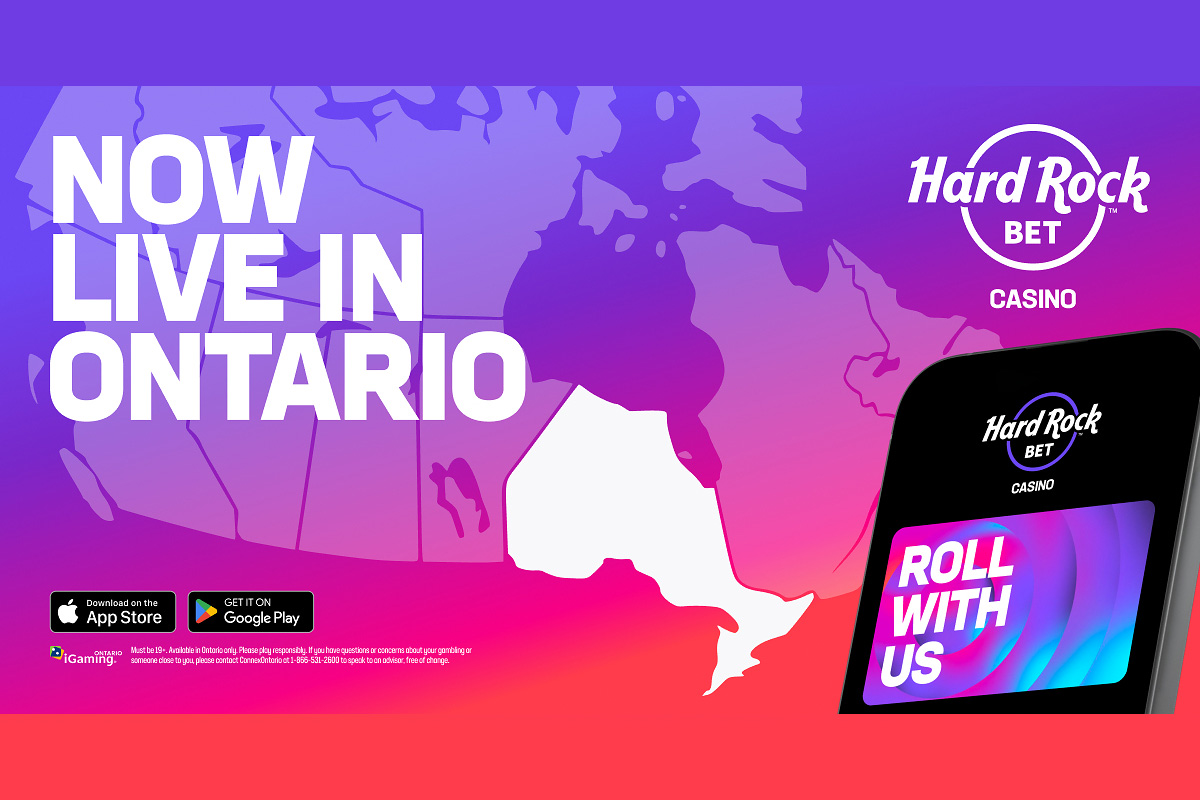
Hard Rock Digital announced the official launch of Hard Rock Bet in Ontario, Canada, marking the company’s first international market expansion and bringing its award-winning mobile sportsbook and online casino platform to players across the province.
Hard Rock Bet enters Ontario with a differentiated offering that combines a premium online sportsbook experience with one of the largest online casino selections in the market, featuring more than 3000 games, including top slots, table games, and live dealer content from leading providers. The platform delivers an intuitive player experience, fast deposits and withdrawals, and parlay wagering across fan-favorite sports from around the world. Ontario players will have access to exclusive Legendary Reward Drops at launch, as well as online Unity Points, which can be redeemed in the Hard Rock Bet Reward Store.
The Ontario launch reflects Hard Rock Digital’s commitment to building a truly local presence in Canada. Hard Rock Bet draws on the legacy of Hard Rock Hotel & Casino Ottawa, which has established itself as a trusted destination in the province. The company has an Ontario-based marketing team and a 24/7 local customer support operation to provide players with around-the-clock service.
“Expanding into Ontario with Hard Rock Bet marks the first time we’ve brought our platform to an audience outside the US. We’re excited to introduce Ontario players to a premium entertainment experience that reflects the energy and service synonymous with the Hard Rock brand. And by investing in local talent, local partnerships, and localized customer support, we’re creating an experience designed specifically for Ontario players,” said Marlon Goldstein, Executive Managing Director & CEO of Hard Rock Digital.
“Hard Rock Hotel & Casino Ottawa has the reputation of bringing people together for amplified entertainment experiences, and we’re excited to see that spirit extend into the digital space. The launch of Hard Rock Bet is a natural next step for the Hard Rock brand in Ontario, and we look forward to building on that connection with guests and players over time,” said Christine Crump, President of Hard Rock Hotel & Casino Ottawa.
The launch will also be supported by connections to Toronto’s iconic music scene, including a collaboration with Canadian artist Choclair that remastered a celebrated 20-year-old track, “Let’s Ride,” to celebrate Hard Rock Bet’s arrival in Ontario.
Hard Rock Bet is available for download via iOS and Android and can also be played on desktop via HardRockBet.ca.
The post Hard Rock Bet Brings World-Class Sports Betting and Online Casino to Ontario appeared first on Americas iGaming & Sports Betting News.

Supplier says its slot content is live across most tier-one Alberta brands, extending its Canadian footprint to three provinces.
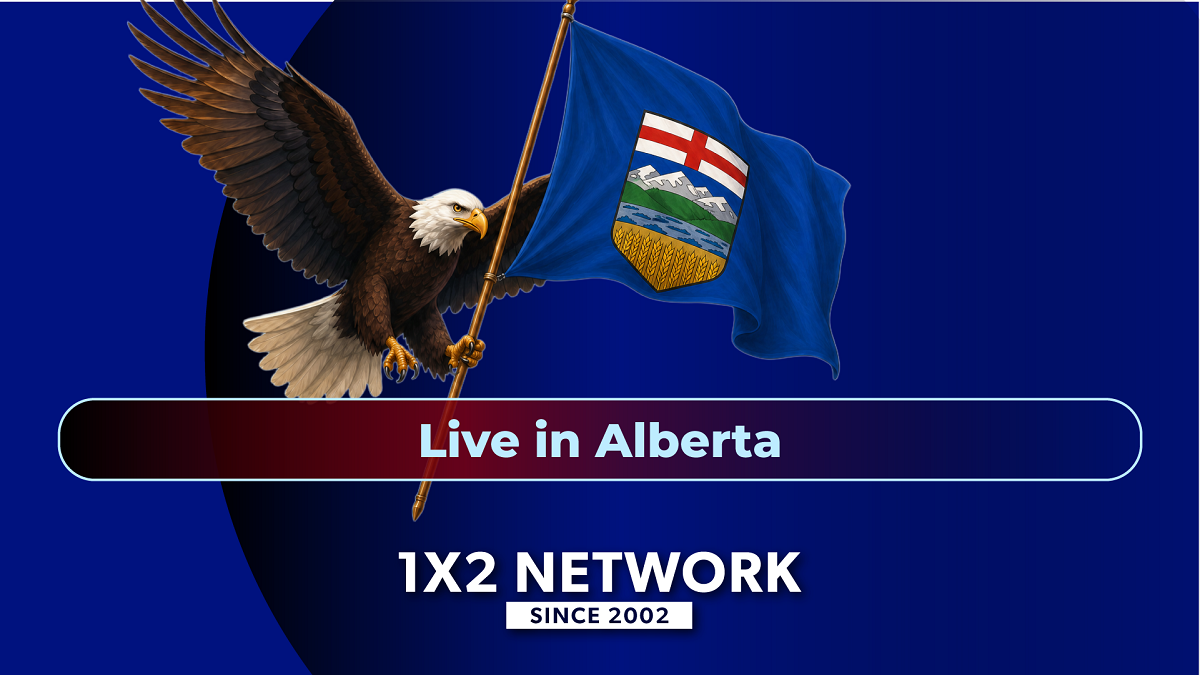
1X2 Network has gone live in Alberta, launching with seven operators in the province’s newly regulated iGaming market.
The supplier said the rollout covers the majority of Alberta’s tier-one brands. It added that its content has secured homepage placement across operator lobbies since the market opened, with Iron Dog Studio’s 3 Hot Chilli Peppers featuring on the homepages of most operators in the province.
The Alberta launch follows 1X2 Network’s existing presence in Ontario and Quebec. The company said Alberta will be treated as a core market for future game releases, with new titles included in its ongoing release schedule for the province.
Kevin Reid, Chief Executive Officer at 1X2 Network, said: “Going live in Alberta with seven operators is a fantastic start and a real milestone in our North American journey.
“North America is a primary focus for us this year, and Alberta is now a core market for everything we release. We’re excited to build on this momentum as we expand further across the region.”
The post 1X2 Network launches in Alberta iGaming market with seven operators appeared first on EE Gaming | Global iGaming & Tech Intelligence Hub.
1X2 Network has deepened its commitment to North America by going live in Alberta, launching with seven operators in the province’s newly regulated iGaming market. The rollout spans the majority of Alberta’s tier-one brands and reinforces the supplier’s decision to make the region a primary focus for the year ahead.
Since the market opened, 1X2 Network content has secured prominent homepage placement across operator lobbies, giving its studios immediate visibility with Albertan players from day one. Leading the way is Iron Dog Studio’s 3 Hot Chilli Peppers, the network’s flagship title, which currently features on the homepages of most operators in the province.
The launch builds on the momentum 1X2 Network has established in Ontario and Quebec, where its content has resonated strongly with local players. On the back of that success, the supplier has confirmed Alberta as a core market for all future game releases, ensuring new titles reach Albertan players as part of its ongoing release schedule.
Alberta represents the latest step in a wider North American growth strategy, with its Canadian presence now spanning three provinces.
Kevin Reid, Chief Executive Officer at 1X2 Network, said: “Going live in Alberta with seven operators is a fantastic start and a real milestone in our North American journey.
“North America is a primary focus for us this year, and Alberta is now a core market for everything we release. We’re excited to build on this momentum as we expand further across the region.”
The post 1X2 Network goes live in Alberta as North American expansion gathers pace appeared first on Americas iGaming & Sports Betting News.

-

 Compliance Updates6 days ago
The MGA Publishes Notice on Websites Impersonating Licensed Operators
-
Alberta6 days ago
Greentube strengthens Canadian presence with Alberta debut as market opens
-
Alberta6 days ago
Greentube goes live in Alberta as province opens regulated iGaming
-
hold and respin6 days ago
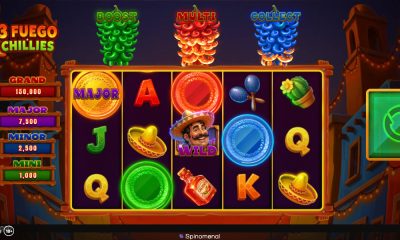
Spinomenal releases new slot 3 Fuego Chillies
-
Brazil5 days ago
Hunch cites 78% matchday retention for Super World Cup free-to-play suite
-
Anne Marie Caulfield4 days ago
Irish Gambling Regulator Threatens Prediction Market with High Court Action
-
Brazil5 days ago
Hunch reports 78% matchday retention for Brazil World Cup free-to-play push
-
Canada5 days ago
Tonybet player in Canada claims $20,000 CAD golden World Cup card prize