Press Releases
Matchbook strike gold again in 2020 Smart Betting Club Awards

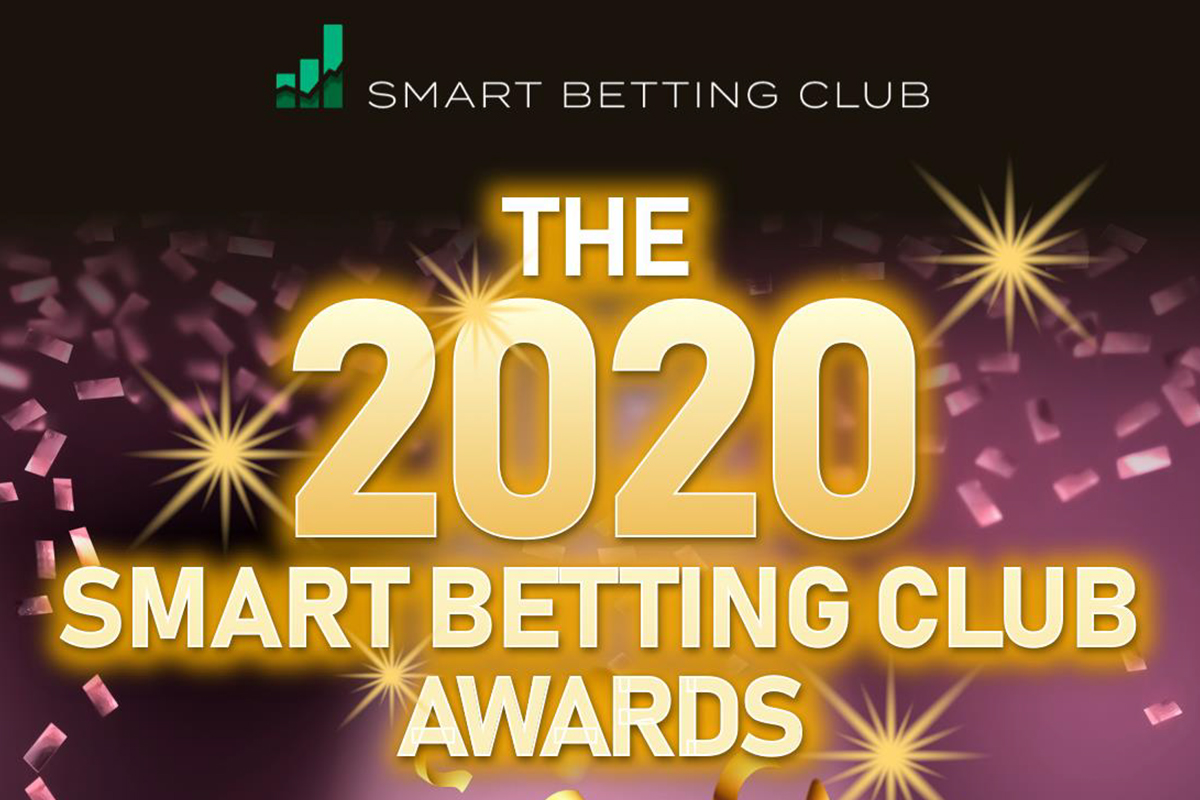
The Matchbook Betting Podcast has beaten stiff competition to win the 2020 Smart Betting Club’s Best Betting Podcast award for a second consecutive year, securing 23.5% of the votes in the process. The award, which recognised the Matchbook Betting Podcast for its consistent expertise and insight on football, horse racing, the NFL, and a wide range of other sports, is voted for by the betting public.
Hosts Ali Maxwell (Weekend Football), Tom Stanley (Horse Racing), Aidan O’Sullivan (NFL) and Phil Kitromilides (Champions League) have delivered weekly focused previews and insights for bettors and sports fans throughout 2019.
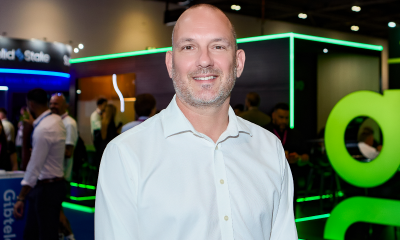
Matchbook CEO Mark Brosnan said: “One of our key goals at Matchbook is to bring our bettors closer to their favourite sports and keep them up to speed with the latest news and insights. We are delighted that the betting public have once again enjoyed our content by voting for us to win this award for the second consecutive year. We hope to build on this success again in 2020 by continuing to evolve and improve our Podcasts.”
Peter Ling, the founder and owner of Smart Betting Club said: “The SBC Awards are important as they tell it how it is when it comes to the betting world. The SBC Awards are different, because they are based on the Smart Betting Club independent approach and key goal to help ordinary people with their betting. They reward those sites, services, bookmakers, and individuals doing the right thing – whether it be in the information or resource they provide or by simply offering you the best place to bet itself.
“With their blend of experts and professional gamblers discussing the big value betting opportunities across a popular range of sports it’s easy to see why the public have voted Matchbook as the Smart Betting Club’s Best Betting Podcast of the year.”


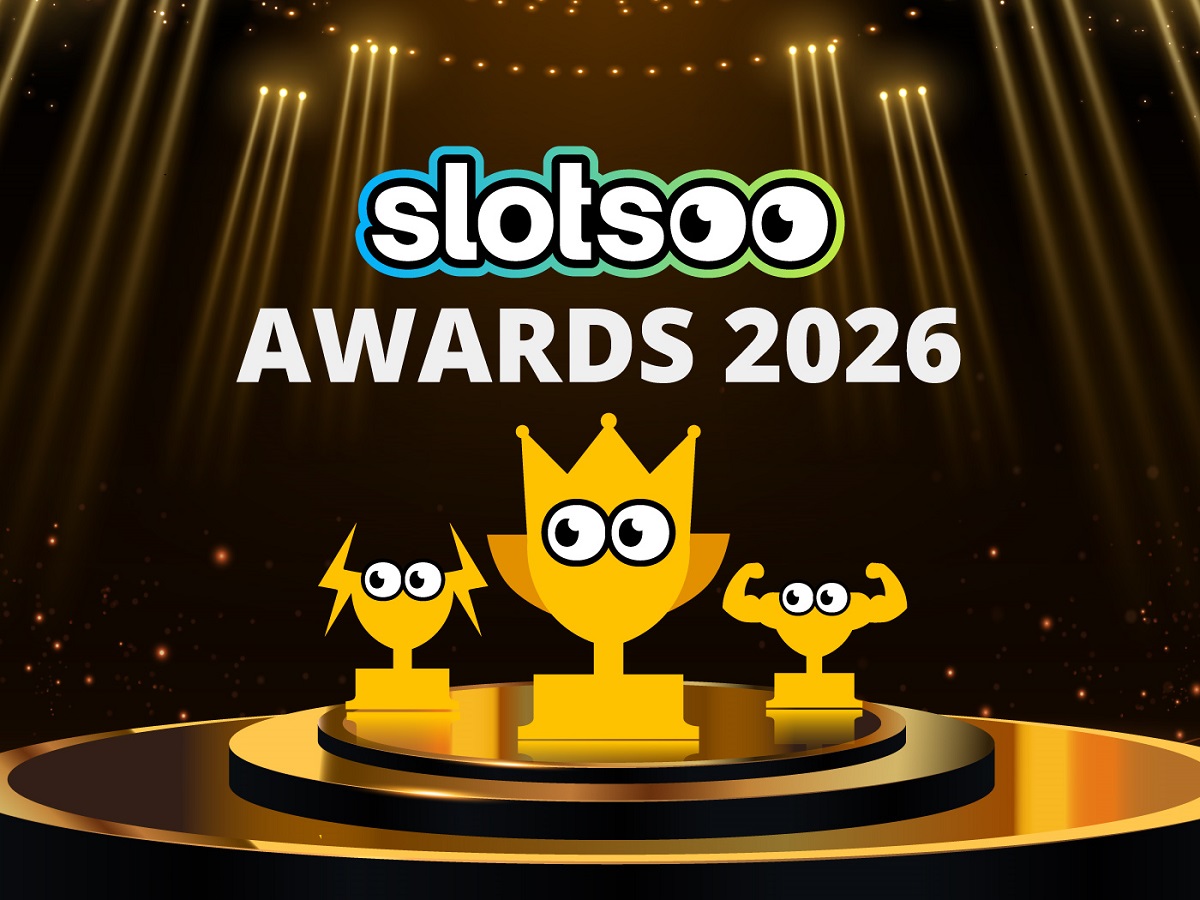
Slotsoo is proud to announce the winners of the Slotsoo Awards 2026, recognising the online casinos and game providers that have delivered the best player experiences over the past year. Now firmly established as an annual celebration of excellence, the awards continue to recognise the companies setting new standards for quality and innovation across the iGaming industry.
Spotlighting the Best Game Providers of 2026
Following last year’s successful debut, the Slotsoo Game Provider Awards returned for a second year to recognise the studios pushing online slots forward through original ideas, engaging gameplay, and consistently high-quality releases. This year’s winners are:
- The Machine MVP – Pragmatic Play
- Bonus Buyer – Eurasian Gaming
- Volatility Virtuoso – 1spin4win
- Jackpot Jumbo – Platipus Gaming
- Symphony Spinner – Peter & Sons
- Reel Renegade – TaDa Gaming
- Promising Prodigy – EXCO Game Studio
Pragmatic Play retained the prestigious Machine MVP award for a second consecutive year, while every other category crowned a new winner, highlighting the emergence of fresh talent and new ideas among game providers.
Casino Awards Return for a Fourth Year
Since their debut in 2023, the Slotsoo Casino Awards have celebrated the operators raising the standard for online casino experiences. This year’s winners continue that tradition, earning recognition for excellence across bonuses, withdrawals, gamification, and overall quality. The seven winners for 2026 are:
- The Gambling GOAT – Lunar Spins
- The Bonus Buff – Go4Casino
- The Loyalty Lord – Valhalla Wins
- The Withdrawal Wizard – Taste Vegas
- The Gamification Guru – Lucky Fuel
- The Payout Professor – Stupid Casino
- The Noisy Newcomer – Kudos Bet
While the Game Provider Awards saw several first-time winners, the Casino Awards reflected the continued strength of a few established operators. C24 Partners enjoyed a particularly successful year, with four awards going to brands from its portfolio, including the main trophy The Gambling GOAT.
Recognition That Goes Beyond Popularity
Unlike many industry awards, the Slotsoo Awards are not decided by public voting. Winners are selected by the Slotsoo team after evaluating casino operators and game providers throughout the year. Each nominee is assessed on factors such as player value and innovation.
This approach ensures that both established industry leaders and ambitious newcomers have an equal opportunity to be recognised. Whether it’s a casino redefining loyalty rewards or a game studio introducing fresh mechanics, the awards highlight companies that genuinely move the industry forward.
Other News from Slotsoo.com This Summer
The Slotsoo Awards weren’t the only milestone for the company this summer. In June, the team attended the HIPTHER Baltics & Nordics Gaming Conference in Tallinn, connecting with industry professionals, exploring the latest developments in iGaming, and returning home with plenty of inspiration.
July marked the publication of Slotsoo’s first book, The Casino Player’s ABC, written by Markus Björk, Head of Content. This tongue-in-cheek ABC book for adults takes a humorous look at the ups and downs in slot gaming. Markus Björk comments:
“The awards and the book may seem like very different projects, but they share the same goal. Both are about celebrating what makes this industry unique and helping players navigate it with a sense of humour.”
With another successful awards season, the publication of their first book, and an active presence at industry events, 2026 has been one of Slotsoo’s busiest and most exciting years to date.
The post Slotsoo Awards 2026 Celebrate the Best Casinos and Game Providers appeared first on EE Gaming | Global iGaming & Tech Intelligence Hub.
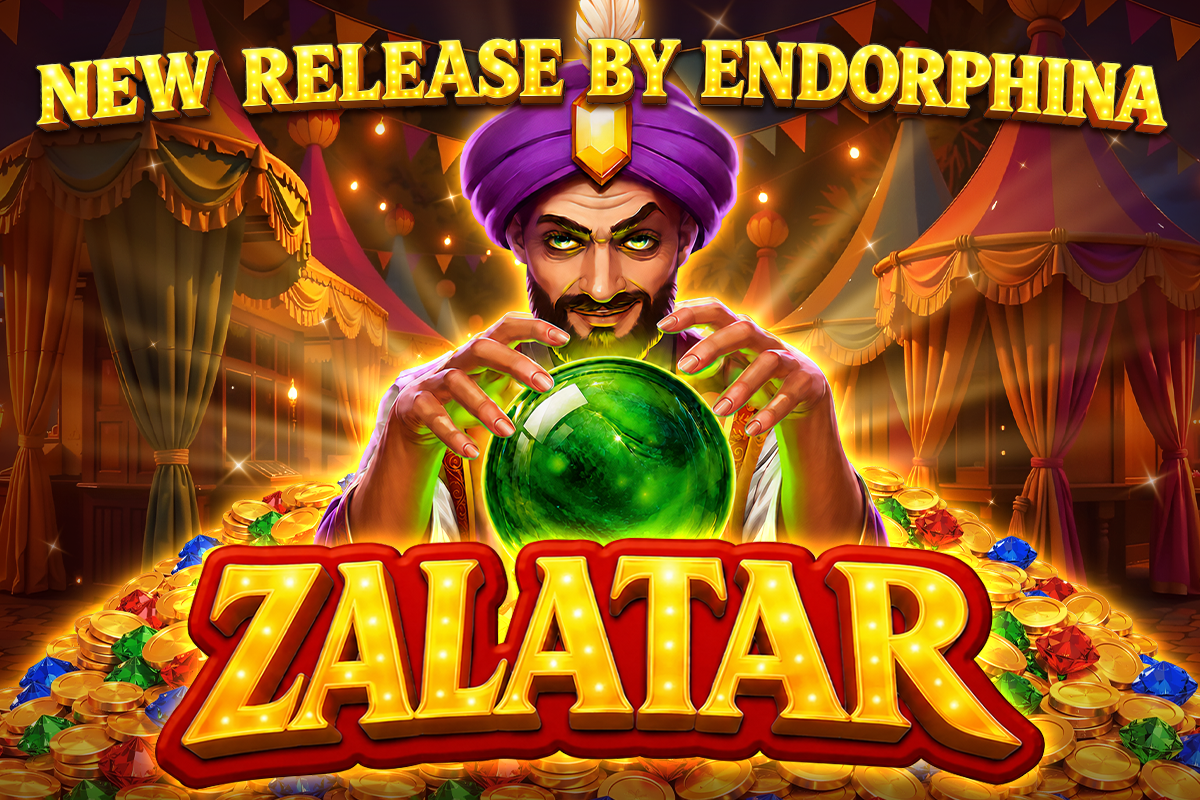
Endorphina has launched Zalatar, a new myths-and-legends themed online slot, expanding its recent run of fantasy-leaning releases.
The supplier said Zalatar is a 5-reel, 3-row game with 25 fixed paylines, 96.03% RTP and high volatility.
Feature-wise, Endorphina said the title includes a Mystery Pick ‘Em feature, three Hold And Win Bonus Games, and Scatter and Wild mechanics. During Hold And Win, the company said “colorful orbs” can award Collector and Multiplier functions, plus Min, Mid, Max, and Ultra Jackpots.
The game also includes Endorphina’s Risk Game, where the company said players can double wins up to 10 times by beating the dealer’s card.
Endorphina said Zalatar is available across mobile, tablet and desktop. The Prague-based supplier also reiterated that its portfolio includes “210+” slots and partnerships with “6,000+” operators worldwide.
The post Endorphina releases Zalatar online slot with Hold and Win jackpots appeared first on EE Gaming | Global iGaming & Tech Intelligence Hub.

DuelBits says its JUSTIN2026 campaign with UFC fighter Justin Gaethje generated more than 122 million verified clip views and contributed to “one of DuelBits’ strongest UFC betting events in recent memory.” The operator said the campaign exceeded its KPI target of 100 million impressions and was distributed through a network of more than 140 creators.
The campaign was framed by DuelBits as a challenge to the industry’s common approach to athlete and influencer partnerships, arguing that many operators wait until an athlete’s commercial value peaks.
Jasper Hoekert, Chief Marketing Officer at DuelBits, said: “Too many operators approach ambassador partnerships as sponsorship deals. They wait until someone has already become one of the biggest names in sport before trying to work with them. At that point, everyone is competing for the same audience, the same inventory and the same headlines.”
Hoekert added: “The real opportunity is identifying athletes who perfectly align with your audience before they’re the obvious choice. If you genuinely believe in someone, you can build something together rather than simply renting their reputation once they’ve already made it.”
DuelBits said the JUSTIN2026 activation was built around a “premium hero film” supported by six short-form edits, behind-the-scenes videos and photography, with creator-led distribution across social media and MMA communities. The operator also said the flagship content was integrated into Gaethje’s “Art of Violence” YouTube series to extend the campaign beyond a single event window.
The company positioned distribution strategy as a key lever alongside content production. Hoekert said: “A brilliant piece of creative means very little if nobody sees it. We’ve reached a point where distribution deserves just as much strategic attention as the content itself. Working with creators, community pages, and trusted media partners allows campaigns to travel much further than relying on your own social channels alone.”
DuelBits also argued that modern KOL and ambassador campaigns should be assessed beyond top-line reach. “Views are an important benchmark because they show you’ve earned attention, but attention isn’t the finish line,” Hoekert said. “What matters is whether that attention drives action. In our case, we saw strong promotional code engagement alongside one of our best-performing UFC betting nights. That’s when you know the creative has delivered genuine business value rather than just impressive headline numbers.”
The post DuelBits says its Justin Gaethje UFC campaign drove 122m verified views appeared first on EE Gaming | Global iGaming & Tech Intelligence Hub.

-

 Alberta6 days ago
Greentube strengthens Canadian presence with Alberta debut as market opens
-
Compliance Updates6 days ago
The MGA Publishes Notice on Websites Impersonating Licensed Operators
-
Alberta6 days ago
Greentube goes live in Alberta as province opens regulated iGaming
-
hold and respin6 days ago
Spinomenal releases new slot 3 Fuego Chillies
-
Brazil5 days ago
Hunch cites 78% matchday retention for Super World Cup free-to-play suite
-
Anne Marie Caulfield4 days ago
Irish Gambling Regulator Threatens Prediction Market with High Court Action
-
Brazil5 days ago
Hunch reports 78% matchday retention for Brazil World Cup free-to-play push
-
Canada5 days ago
Tonybet player in Canada claims $20,000 CAD golden World Cup card prize