Amusnet
Amusnet Gaming Explains the Shift From Account Management to Revenue System Ownership

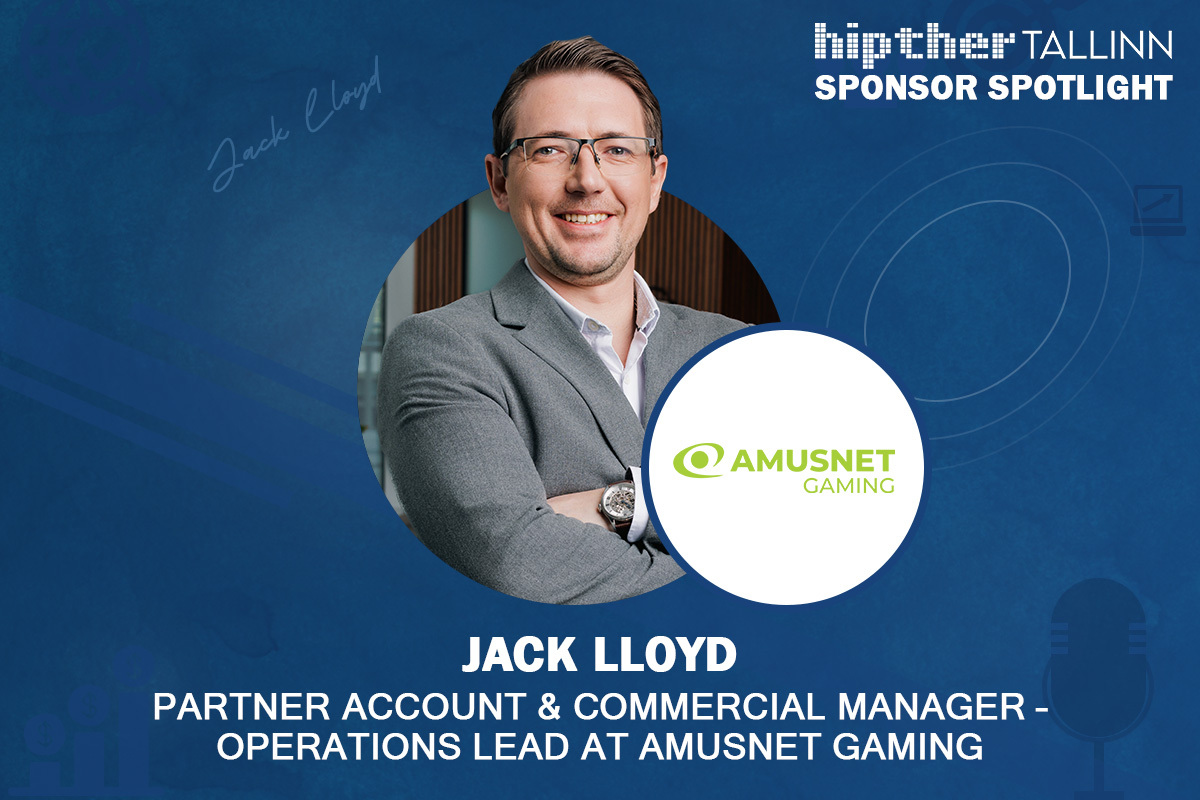
Amusnet Gaming joined industry leaders, compliance experts, technology professionals, and gaming stakeholders at HIPTHER Baltics & Nordics: Tallinn 2026 for a day of discussions focused on digital governance, startup innovation, and Nordic market expansion. We spoke with Jack Lloyd, Partner Account & Commercial Manager – Operations Lead at Amusnet Gaming, about the evolving role of account management in iGaming – and why the industry is increasingly moving toward full partner revenue lifecycle ownership.
The phrase “revenue system ownership” suggests a much broader responsibility than traditional account management. How do you define this shift inside the modern iGaming ecosystem?
From a game provider perspective, “revenue system ownership” reflects the move away from managing accounts as standalone relationships and toward owning the performance of the content ecosystem inside each operator.
It means taking responsibility not just for delivering games, but for how those games perform once deployed – across lobbies, markets, player segments, and promotional layers. The provider role becomes directly tied to revenue outcomes, where success is measured by engagement, retention, and game-level performance, not just distribution.
How Amusnet applies this philosophy
At Amusnet, this means taking a proactive approach to portfolio management. We work closely with operators to analyse game performance, identify market-specific trends, and optimise content visibility through lobby positioning, promotional activity, and tailored launch strategies
What Amusnet is doing differently
Rather than focusing solely on new integrations, we place significant emphasis on post-launch performance. Once content is live, our teams continuously monitor engagement and revenue trends to identify opportunities for further optimisation and growth.
What tools or capabilities support this
Access to detailed performance data across multiple regulated markets gives us a broader view of player behaviour and portfolio performance, helping us identify opportunities that may not be visible when looking at a single market in isolation.
What are the biggest limitations of the classic account management model in today’s highly competitive and data-driven gaming market?
The traditional model is often too disconnected from product and performance reality. In many cases, account management sits between commercial, product, and operations without true ownership of outcomes.
For game providers, this creates friction between insight and execution. You may see performance trends, but lack the operational leverage to immediately impact game positioning, segmentation strategy, or market-specific optimisation.
In a highly competitive environment, this slows down portfolio growth and limits the ability to fully monetise content across operators.
How has the expectation from operators changed when it comes to account management and commercial partnership support over the past few years?
Operators now expect game providers to behave more like performance partners rather than content vendors.
It’s no longer just about supplying a strong game portfolio – it’s about actively contributing to how that portfolio is monetised inside the operator’s ecosystem. In the current market, a top-tier supplier’s commercial lead needs to understand API optimization, algorithmic recommendations, data segmentation, and local compliance constraints. If an account team cannot translate data insights into actionable revenue opportunities for operators, it risks becoming less relevant in today’s market
In practice, providers are expected to influence revenue outcomes, not just supply tools that generate them.
What are some of the biggest challenges companies face today when managing long-term growth across multiple regulated markets?
For game providers, the biggest challenge is scaling a consistent portfolio strategy across fragmented regulatory environments.
Each market affects how content can be certified, distributed, and positioned, which directly impacts performance. What works in one jurisdiction may not translate into another due to compliance constraints or player behaviour differences.
At the same time, without a consolidated performance view across operators and markets, it becomes difficult to optimise the portfolio holistically and understand true game-level ROI.
What internal skills or mindset changes do companies now look for when building high-performing account management or partnership teams?
The shift is toward hybrid commercial and product-performance thinking.
For game providers, it’s no longer enough to manage relationships – teams need to understand how games perform at a granular level and translate that into actionable portfolio decisions.
This requires strong analytical capability, but also a deep understanding of content strategy, player engagement, and how to influence operator-side execution. The mindset shifts from account servicing to active revenue and portfolio optimization ownership.
Looking ahead, how do you see partnership and revenue management roles evolving within the iGaming industry over the next few years?
Within game providers, these roles are evolving into fully integrated portfolio performance ownership functions.
The separation between account management, product, and commercial strategy will continue to fade. Instead, teams will be structured around full lifecycle responsibility for game performance across operators.
AI and automation will increasingly handle reporting and operational tasks, allowing commercial teams to focus on strategic portfolio decisions, market expansion, and optimisation of content performance at scale.
Ultimately, success will be defined by how effectively game providers can turn content into sustained revenue performance across diverse regulated markets.
The industry has moved beyond simple content distribution. Operators are looking for partners who can help them grow, not just suppliers who provide games. Our focus is on combining strong content with data-driven decision making and local market expertise to create lasting value for our partner.
Amusnet Gaming supported HIPTHER Baltics & Nordics: Tallinn 2026 as the sponsor of the Compliance & Operations Lab stage, as well as the Awards Ceremony & Closing Party Sponsor.
The post Amusnet Gaming Explains the Shift From Account Management to Revenue System Ownership appeared first on EE Gaming | Global iGaming & Tech Intelligence Hub.



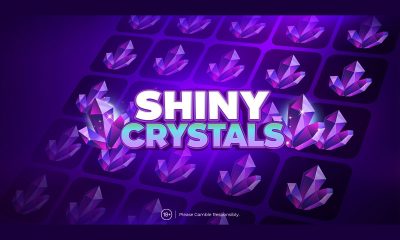








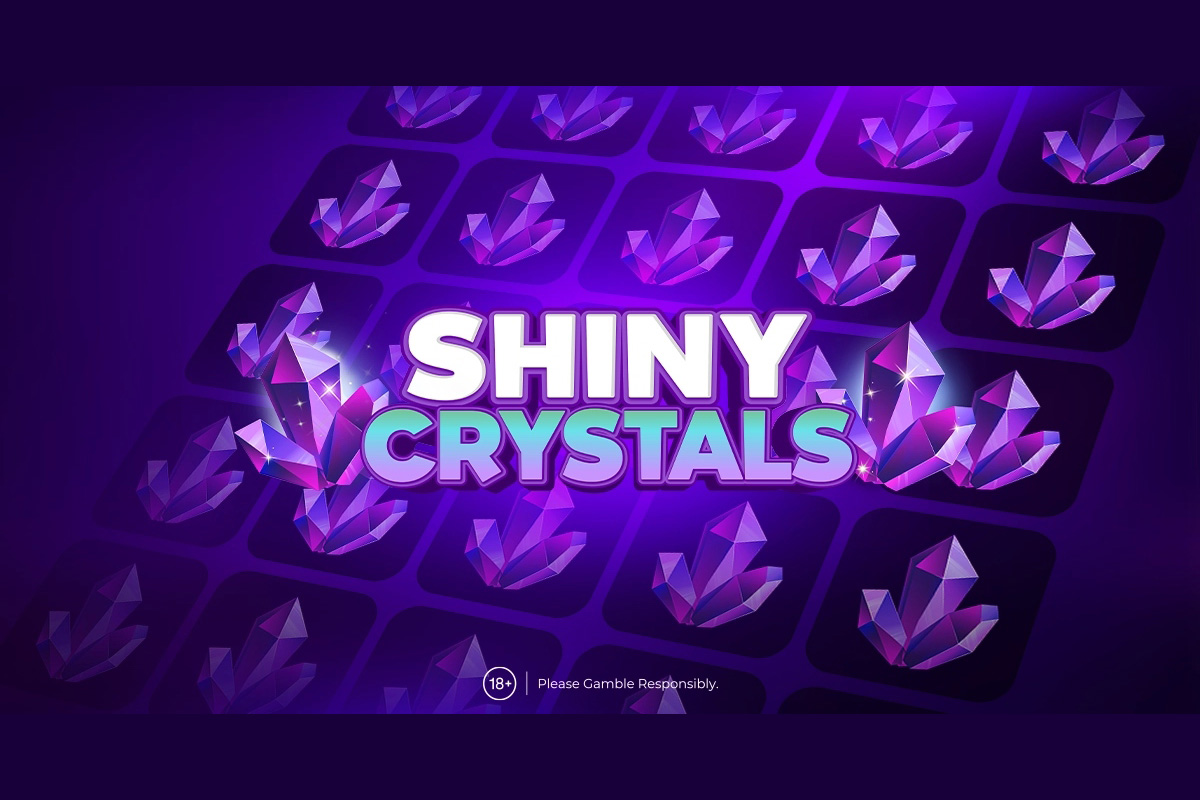
Amusnet enters the world of instant games with Shiny Crystals, a fast-paced experience that blends strategic decision-making, flexible gameplay and rising anticipation into an exciting new format. Designed with a mobile-first approach, this innovative release invites players to uncover sparkling Crystals, avoid hidden Mines and decide exactly how far they are willing to push their luck.
Set on a concealed grid filled with valuable Crystals and dangerous Mines, Shiny Crystals puts every decision in the player’s hands. Each Crystal uncovered increases the current multiplier, creating a constant balance between risk and reward. The longer the journey continues, the greater the potential grows – but one hidden Mine can bring the round to an instant end, making every choice count.
One of the game’s defining features is its flexible risk system. Before each round, players can select how many Mines will be hidden across the grid, tailoring the gameplay to their preferred level of challenge. Whether opting for a cautious approach or embracing higher-risk strategies, every session offers a different path and fresh possibilities.
Adding another layer of excitement is Crystal Rush, a dynamic time-based feature that activates after uncovering three Crystals in quick succession. Once triggered, consecutive Crystal discoveries award additional multiplier boosts, rewarding quick thinking and confident decisions with even greater momentum.
For players who enjoy a more tactical experience, the Defuse Engine introduces a unique strategic mechanic. Before revealing a tile, players can view its Clarity Score, providing valuable insight into the potential risk before making their next move. When circumstances demand it, the grid can also be reshuffled, creating new opportunities and encouraging thoughtful decision-making throughout every round.
Combining intuitive gameplay, customisable risk levels and innovative mechanics, Shiny Crystals marks an exciting milestone as Amusnet’s very first instant game. Fast, engaging and built around meaningful player choice, it delivers a fresh gaming experience where every revealed Crystal brings new possibilities – and every decision could uncover something extraordinary.
The post Shiny Crystals’ Launch Marks Amusnet’s First Step into Instant Games appeared first on EE Gaming | Global iGaming & Tech Intelligence Hub.

-

 ESPN Networks6 days ago
THE 57th ANNUAL WORLD SERIES OF POKER® CONCLUDES AN EXTRAORDINARY SUMMER OF GLOBAL ENGAGEMENT AND ELITE COMPETITION
-
Latest News7 days ago
Booming Games launches Tasty Bonanza Max Scatter slot
-
Canada6 days ago
PENN Entertainment Launches theScore Bet Sportsbook & Casino and theScore Casino and Hollywood Casino Standalone Apps in Alberta
-
Canada7 days ago
Peter & Sons launches full game portfolio in Alberta
-
Latest News7 days ago
Wazdan launches 16 Coins Betsson as branded slot for Betsson players
-
Latest News6 days ago
Weekend Reels | Week 29: Slot Drops & Trends
-
Canada7 days ago
Play’n GO goes live in Alberta iGaming with 10+ operators
-
Compliance Updates6 days ago
Finland notifies EU of gambling tech rules for data vault and OCSS signing