EvenBet Gaming
Why Online Poker in 2026 Feels Just Like a Video Game

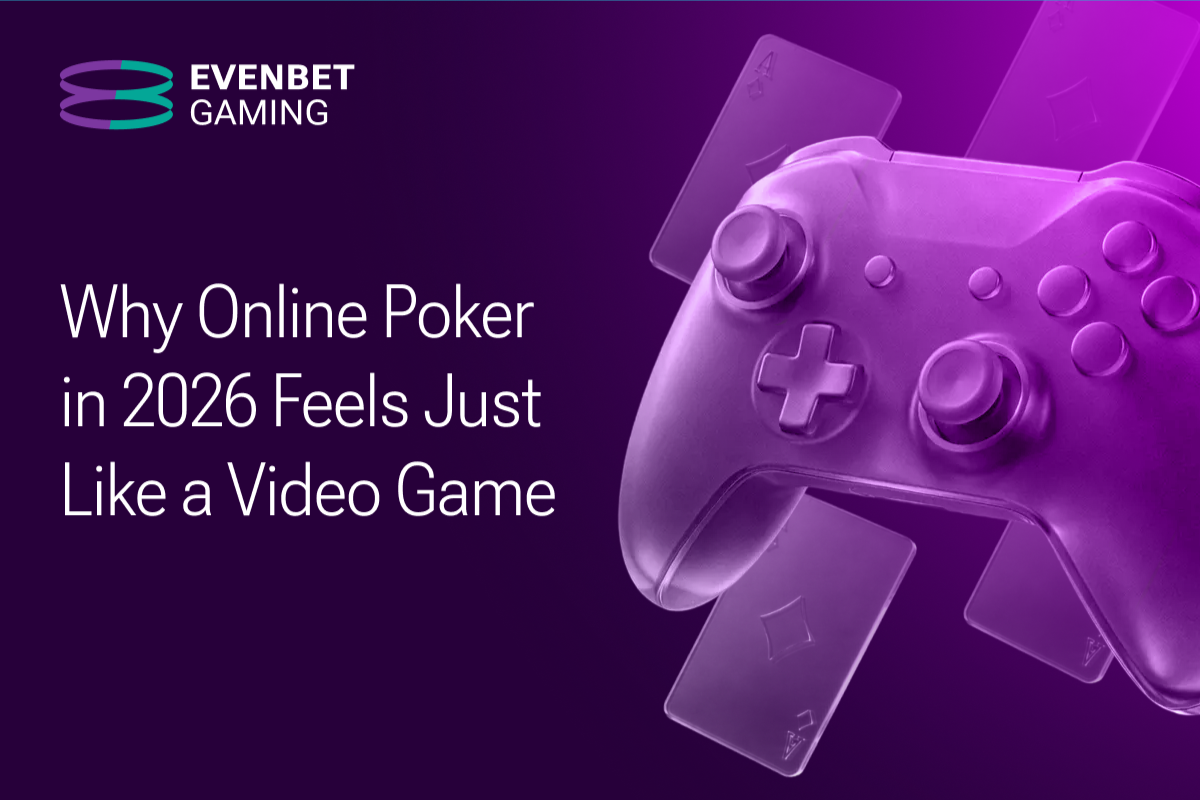
In 2026, online poker feels less like a casino pastime than you would imagine and more like a digital playground. Modern platforms are deliberately borrowing from video game design: missions, challenges, streaks, avatars, and progression systems that keep players logging back. Quests like “win 5 hands with suited connectors” or “grind 200 hands this week” give structure to what used to be endless shuffling and chasing pots. Players join not only for the chance to win, but to progress, showcase skill, and feel part of a thriving digital community.
Gamification is at the center of this big shift. And experienced providers such as EvenBet Gaming are integrating these features natively: loyalty ladders, player missions, and progression mechanics tied directly to currency and behaviour. It’s plug-and-play gamification baked into the platform.
“Why add gamification to poker when poker is already a game? But even a game can benefit from additional layers of motivation, structure, and feedback — especially in a high-variance environment like poker. Thoughtfully designed gamification enhances how players learn, stay engaged, and come back for more. It helps new players build confidence, gives regulars fresh goals to pursue, and creates a more emotionally rewarding experience for everyone involved.
Across industries, from streaming platforms to grocery apps, gamification has proven its power to drive user behavior and loyalty. But in the context of online poker, its role is particularly nuanced — and potentially game-changing,” says Nikita Golodaev, Business Account Manager at EvenBet Gaming.
Game Mechanics in Modern Poker Platforms
The overlap between online poker and video games is clearest in the mechanics that now drive player engagement. Platforms in 2026 don’t just offer tables and chips — they deliver layered progression systems that look remarkably like those in mainstream titles. The psychology here is rather straightforward: gamification triggers reward circuits with a slew of little rewards and keeps players motivated beyond pure financial outcomes.
Leaderboards and rankings make poker’s innate competitive spirit go through the roof. Same as esports, players compare progress, check each other’s status — and they do it repetitively. Because humans are competitive by nature, and we just want to be the best or at least to keep climbing.
At the core are missions and quests: challenges such as “win 20 hands” turn play into structured goals, and this gives players immediate milestones to chase and also provides constant dopamine boosts for micro-achievements. Add streaks and rotating goals, and players always have a reason to come back tomorrow.
Avatars, emotes, badges — cosmetics in general. They are also signals of achievement and symbols of individuality, just like skins in LoL or Clash Royale. For many players, identity and social signalling matter as much as winning pots.
It’s worth noting that EvenBet’s platform comes with missions, loyalty points, and unlockables built in. Operators can tweak rewards and keep players hooked.
Responsible Gambling as a Game Mechanic
Beyond the fact that responsible gambling is a must, in 2026, it’s also gamified. Since platforms now borrow from video games, instead of boring pop-ups saying “take a break,” poker apps now use timers, cooldowns, or checkpoint vibes. It’s sneaky smart, because now a pause feels like “part of the game” instead of an annoying interruption. The psychological dimension matters, too. Research highlights that guardrails in iGaming reduce tilt spirals, structure playtime, and create a sense of emotional resilience. By making these safeguards part of the gameplay, poker platforms create environments that are as safe as they are immersive.
UX and Immersion: From Tables to Arenas
The digital poker lobby of 2026 doesn’t look like a boring menu anymore. You get avatars, profiles, progress bars, and achievement boards — like the stuff you see on Xbox or Steam. Younger players (for example, Gen Z) get it right away. It looks just like the gaming hubs they know.
Cross-platform design reinforces the immersion — on phone or desktop, it’s like loading a gaming app with seamless access to missions, rewards, and quick-play options. Even multi-table tournaments that used to resemble simple grids now look more like esports brackets: live progress, spectator tools, and community engagement built in.
As a result, the “poker lobby” has evolved into a social arena, closer to Xbox Live than old-school casino software. Players don’t just pick tables. They join an ecosystem, with every session feeding into a longer journey.
Psychology and Emotions at Play
Online poker in 2026 doesn’t just mirror video games in mechanics — it mirrors them in the emotional ride, too. Big wins give a high, bad beats sting, and losing over and over gets frustrating fast. It’s the same rollercoaster gamers know, poker players call it tilt — gamers call it rage quitting. Either way, once emotions override reason, performance folds.
Smart platforms recognise this and design for mental toughness, not just engagement. Resilience is what stops losses from turning into meltdowns. Features such as built-in cooldown reminders, session time limits, or “take a break” prompts mirror mechanics in competitive gaming designed to prevent burnout.
The psychology of poker traditionally underscores the need for discipline and focus. Testimonies of seasoned poker players support that consistent winners build mental frameworks: stress control, sharp focus, the ability to separate bad results from good decisions. Esports players do the same, keeping emotions in check so they can perform for hours.
Success in poker, like in high-level gaming, is about more than raw skill or luck. Luck and skill matter, but what really counts is bouncing back when things go bad and staying disciplined. In this way, poker has evolved into not just a game of cards, but a training ground for emotional and cognitive resilience.
Poker Skill Training Through Challenges
Another way poker platforms are adopting video game DNA is through challenge-based skill training. Just as gamers grind through missions to unlock new abilities, poker players in 2026 are completing structured challenges that sharpen their skills while keeping play engaging.
These modes can take many forms, think “bluff five pots without showdown” or “play 1,000 hands in a week.” These aren’t just for entertainment, such tasks sharpen technical edges, build resilience, and make practice feel like progress. Communities like BluffingMonkeys already push players into self-imposed challenges. Operators just turned that mindset into a sticky product feature — casual missions for newbies, grind challenges for sharks. Everybody gets a lane, nobody feels stuck.
For players, challenges transform practice into progress. Instead of passively logging hands, they’re actively working toward milestones. While operators not only encourage regular play but also create environments where players feel they are always progressing, regardless of short-term results. In short, challenges make poker less about endless grinding and more about structured mastery — a shift that mirrors the very best of modern video game design.
What This Means for Operators in 2026
For operators, the shift toward video game–style poker is more than cosmetic — it’s a strategic pivot. In 2026, success depends on thinking like a game developer: how to balance engagement, fairness, and monetisation in a way that keeps players returning without tipping into fatigue. Too many missions? Users burn out. Too few? They are more likely to churn. Operators need the precision of a game studio: calibrate challenges, tweak rewards, keep grinders and casuals both feeling progression.
EvenBet Gaming, with its vast expertise in iGaming, has just the toolkit. Turnkey integrations in 4–6 weeks, stress-tested for 1,000+ concurrent players. Modular missions, achievements, loyalty systems, all built with AML, KYC, and player protection already in place. These aren’t just add-ons — they form the foundation for sustainable, regulated growth.
An even bigger opportunity lies beyond audience engagement — it’s audience expansion. Gamified poker pulls in seasoned pros and casual gamers who enjoy progression systems, achievements, and social competition. Platforms that get this right now capture a diverse player base while keeping the experience fresh and game-like.
Conclusion
Poker has evolved into an experience that mirrors the look, feel, and psychology of video games. Missions, challenges, community tournaments — it’s all part of the ride. Players want progress, recognition, and belonging, not just money.
Operators will do well to balance thrill with responsibility. Gamification keeps players motivated, thus driving retention, while safeguards protect the platform’s longevity. Poker’s next era isn’t just about cards or winning hands — it’s about creating experiences and designing the game around players.
The post Why Online Poker in 2026 Feels Just Like a Video Game appeared first on Americas iGaming & Sports Betting News.









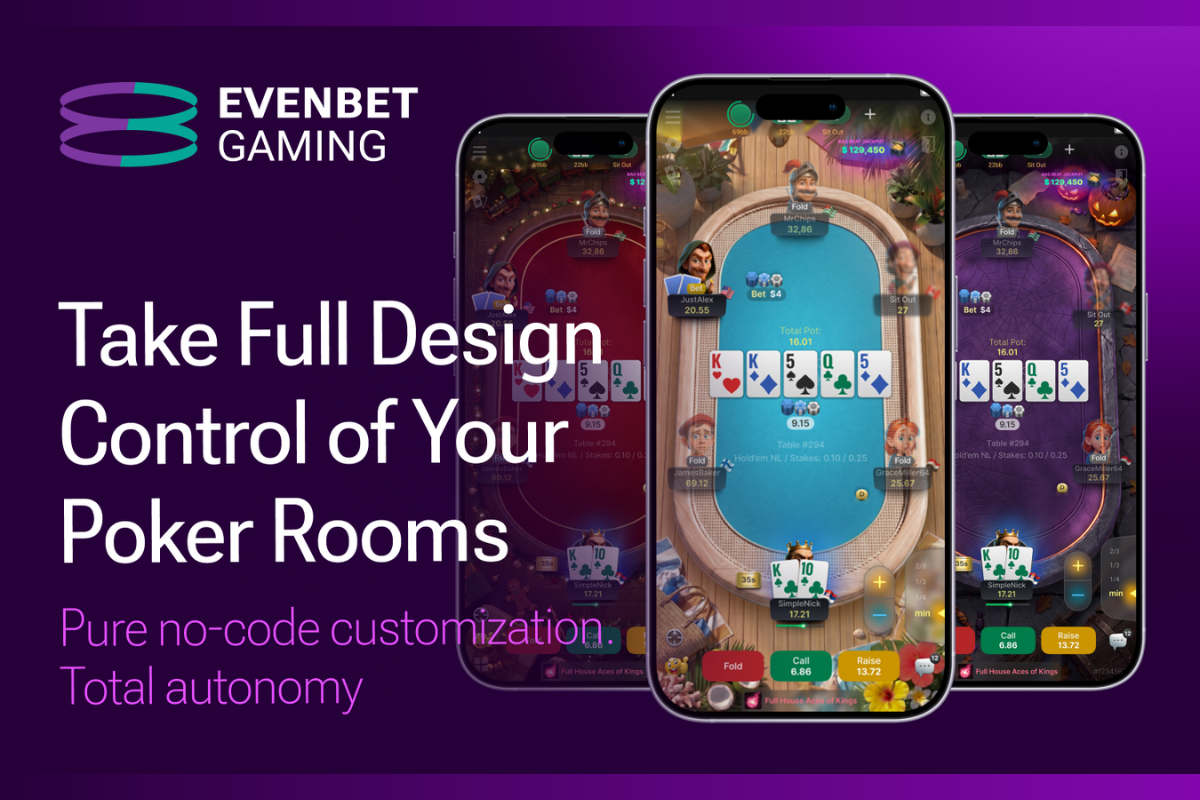
EvenBet Gaming has introduced “Table Collections”, a new no-code feature it says gives iGaming operators direct control over the visual design of online poker tables and tournaments. The company announced the release on 29th June 2026 and said the functionality is already live for existing clients.
According to EvenBet, Table Collections allows teams to create, edit and deploy themed environments and branded campaigns through the back office, without requiring developer support. The company said clients are currently using the tool for World Cup-themed campaigns, and positioned it as a way to prepare seasonal promotions such as Halloween, Christmas and New Year.
The feature supports changes to table backgrounds and environments, borders and felt, table logos and other branding elements, and layouts optimised for different devices and screen sizes. EvenBet said Table Collections can be applied across an entire skin, for specific game or tournament types, or down to individual tables and events.
Alexander Tamplon, CTO at EvenBet Gaming, said: “We didn’t just want to offer another customisation tool. We wanted to completely eliminate the operational bottlenecks that operators traditionally face by giving them the power to manage their designs independently. Poker operators are increasingly looking for ways to create unique experiences that strengthen their brand identity and help campaigns stand out in a competitive market.
“Table Collections gives them complete control over the visual environment of their poker product without relying on development resources. Whether it’s a seasonal promotion, a sponsored tournament or a VIP experience, our partners can now bring their own design concepts to life in a matter of minutes.”
The post EvenBet launches no-code “Table Collections” for poker table design control appeared first on EE Gaming | Global iGaming & Tech Intelligence Hub.
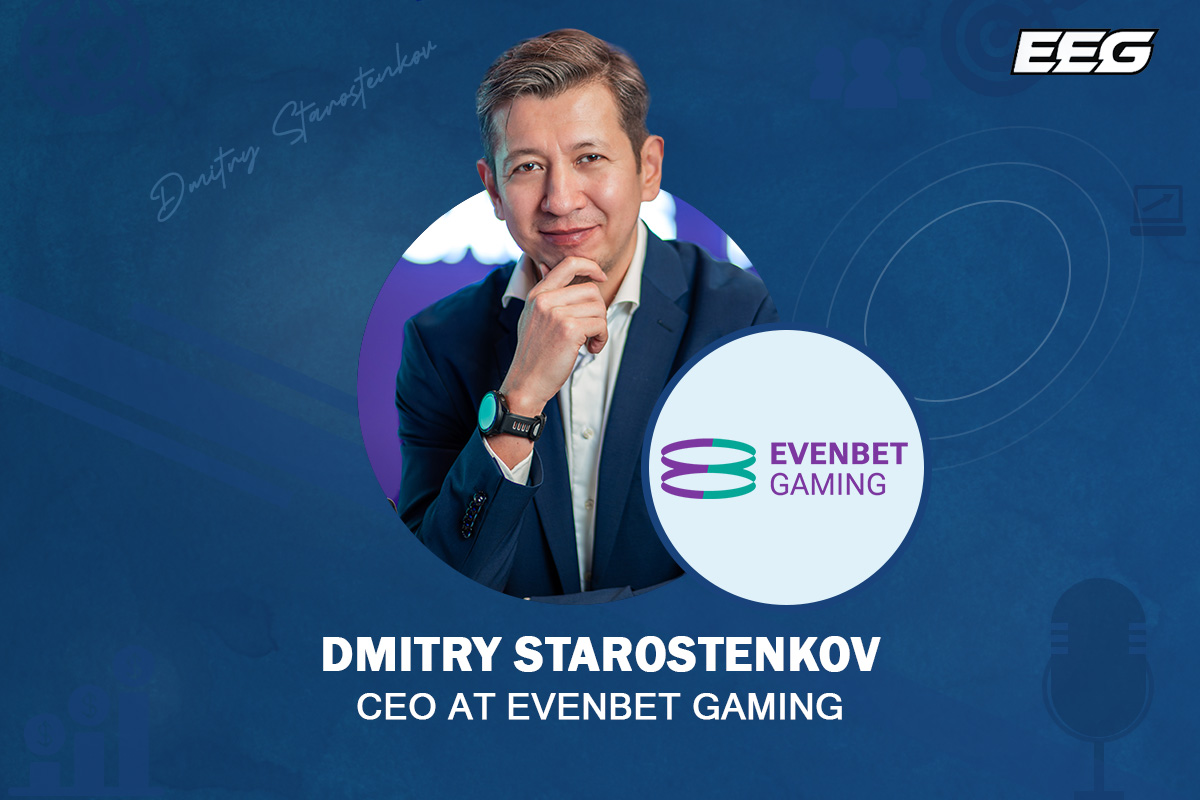
EvenBet Gaming’s CEO, Dmitry Starostenkov, speaks to EEGaming about the company’s expansion into the casino vertical, what drove the decision, what it took to build, and what it means for operators looking to grow beyond a single product.
EvenBet has spent more than two decades building its reputation in poker. What told you the time was right to move into casino?
We kept having the same conversation with partners who trusted our poker infrastructure, asking whether we could support them on the casino side too. For a long time, our answer was to point them elsewhere but, with competition intensifying, that became harder to justify.
But there’s a wider shift happening too. Operators are under real pressure to extract more value from their existing player base. Acquisition costs are rising, regulated markets are tightening, and the days of building a sustainable business on a single vertical are gone. Operators who are growing have found more ways to extend player value across their full product offering, and that requires purpose-built infrastructure.
We have the technical foundation and understand the player behaviour. The question became when to make the move, and how to do it in a way that was genuinely an improvement on what was already out there.
Moving from the single poker vertical into a full casino platform is a significant undertaking. Where did the product challenges actually lie?
The single player account sounds simple until you’re actually building it. Shared balance, unified player profile, seamless movement between poker and casino all create complexity that compounds quickly. The other challenge was scope. A game aggregator covering 15,000 titles across 230-plus providers has the potential to create real infrastructure problems. We had to build something that could handle that scale without becoming unwieldy for operators to use. And we didn’t want to compromise the poker product to get there either – that was non-negotiable. Everything had to work as one system, not two products stapled together.
How does cross-vertical conversion work, and why does that matter so much to operators right now?
The friction in moving a player between verticals has always been the drop-off point. Separate logins, separate wallets and separate experiences are all different reasons for a player to disengage. When that’s removed, the conversion happens more naturally.
What makes the difference is having product mechanics that actively pull players across. One Click Poker removes the traditional lobby entirely, which has historically been the biggest barrier for casino players who find poker intimidating or unfamiliar. Spins Poker goes further by taking player-versus-player gameplay and wrapping it in slot-style mechanics, so the experience feels native to a casino player from the first session.
In the other direction, casino rewards sitting inside the poker environment give poker players a natural reason to explore. It becomes a two-way pipeline rather than a one-way push, and operators can see that working in the data. That’s what cross-vertical conversion looks like when the product architecture supports it properly.
What does EvenBet Gaming now offer an operator that they genuinely can’t get elsewhere?
Most casino platforms don’t come with a serious poker product attached, and most poker providers don’t have a credible casino offering. We’re in a fairly unique position in that we can genuinely deliver both, and the integration between the two is real and not just a partnership held together by an API. In terms of who this is for, it’s operators who want to grow. Whether that’s a new entrant who needs a clean, fast route to market, or an established operator who has a casino product but knows they’re missing a revenue stream without poker. We’re positioned to offer that market entry and scalability, without compromising quality.
The post Behind EvenBet Gaming’s strategic evolution into casino appeared first on EE Gaming | Global iGaming & Tech Intelligence Hub.
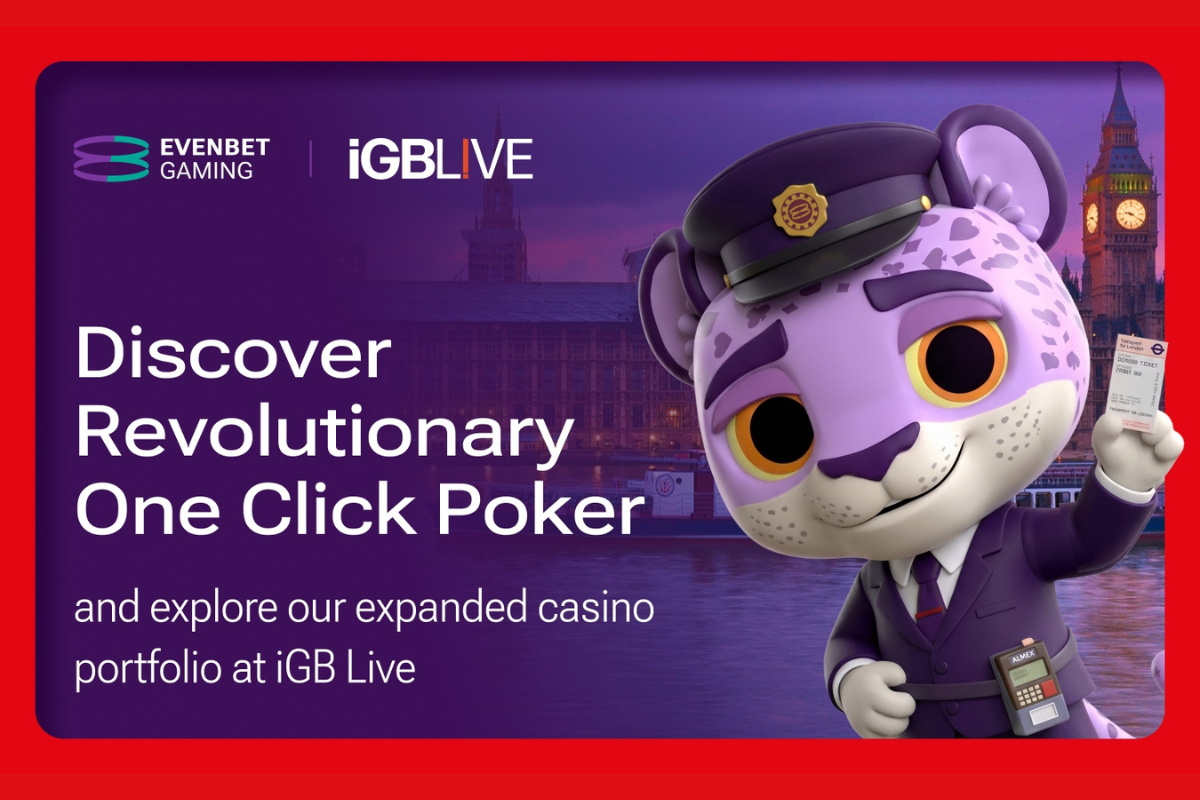
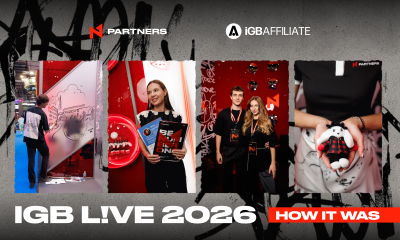
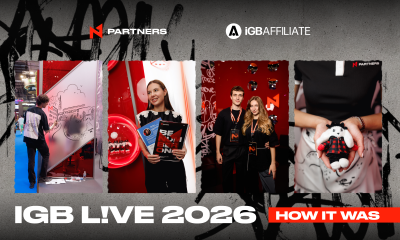
EvenBet Gaming will exhibit at iGB Live 2026 in London on 1-2 July at Excel, using the show to demo its One Click Poker product and an expanded casino vertical portfolio. The company will be located at stand N40.
The supplier is positioning One Click Poker as a simplified poker entry point designed for casino operators. EvenBet said the format removes traditional poker lobbies, tournaments and longer onboarding flows, allowing players to join live cash tables “within a single click” while keeping a player-versus-player structure.
EvenBet said One Click Poker is designed to reduce operational complexity for casino-led brands, including simplified management tools and lower fraud risk due to the absence of tournaments. The company also said operators can share liquidity across networked cash tables from day one.
Alongside poker, EvenBet will also present its turnkey casino platform, which it said includes more than 15,000 online casino games from over 230 providers. The platform also includes a bonus and promotional toolkit, payment infrastructure, KYC tools, a revenue share affiliate module and external CPA service integrations.
Dmitry Starostenkov, CEO at EvenBet Gaming, said: “Poker holds immense retention power, but it has long remained an isolated product due to its perceived complexity for casual players.
“With One Click Poker, we are removing that barrier. By combining it with our expanded casino portfolio, we are giving operators a complete, multi-vertical toolset that embeds dynamic gameplay right into the heart of their offering. We invite all partners to visit Stand N40 at iGB Live in London to see firsthand how our solutions can maximize their platform’s potential.”
The post EvenBet brings One Click Poker and expanded casino platform to iGB Live 2026 appeared first on EE Gaming | Global iGaming & Tech Intelligence Hub.

-

 content-supply5 days ago
Million Games launches Skull King’s Treasure with partner studio Arcane Pixel
-
Canada6 days ago
What Canadian Slot Players Are Really Comparing in 2026: Payout Speed, Interac and RTP Transparency
-
Alberta6 days ago
Octoplay secures conditional Alberta iGaming supplier approval from AGLC
-
Africa5 days ago
SpringbokCasino ties July free spins to ‘Minions in the Wild’ campaign
-
Africa5 days ago
Booming Games renews Hollywoodbets Durban July activation partnership
-
Casino Content6 days ago
SkillOnNet adds ODDSworks casino content across Ontario sites
-
GGPoker5 days ago
GGPoker opens satellites for WSOP Circuit CDMX México 2026
-
Evoplay5 days ago
Evoplay launches Safari Coins slot with fixed jackpots and collector mechanic