Latest News
How CommsHub Built-In Failover Protects High-Volume Messaging Businesses


In today’s connected world, a single missed message can have a ripple effect far beyond its intended recipient. For high-volume messaging businesses, from fintech to e-commerce, reliability isn’t just a feature; it’s the foundation.
At CommsHub, we’ve seen how even the most robust communication strategies can fall apart when traffic isn’t managed intelligently. That’s why built-in failover isn’t an add-on for us, it’s at the very core of our platform architecture.
The Hidden Risk in Messaging at Scale
Sending a million messages is easy. Delivering a million messages on time without losses, delays, or duplicates is the real challenge.
Traditional messaging setups often rely on a primary route, with a manual backup plan in case of outages. The problem? Manual intervention takes time and every second loss increases the risk of failed conversions, missed verifications and frustrated customers.
For some sectors, a five-minute delay can mean thousands in lost revenue. For others, it can damage trust irreparably.
How Our Failover Works
CommsHub’s built-in failover system works like an automated traffic director.
- Real-Time Route Monitoring: Every active channel is monitored for delivery speed, message status and error rates.
- Instant Automatic Switching: If performance drops below a set threshold or a provider experiences downtime traffic is instantly redirected to the next best available route.
- Multi-Level Redundancy: We don’t just fail over once. Traffic can cascade through multiple backup routes until successful delivery is confirmed.
This means campaigns keep running without interruption, even when unexpected technical issues occur in the background.
The Numbers Behind It
In controlled environments, we’ve observed that our failover logic reduces message loss to near zero. While previously around 17% of messages were considered as lost or undelivered – while in reality, fallback mechanism saves them.
The architecture also ensures that when switching routes, there’s no spike in costs thanks to our intelligent routing engine, which considers provider pricing in real time.
Protecting Revenue and Reputation
The immediate benefit is obvious: you don’t lose communication with your audience. But the deeper value lies in protecting both revenue and reputation.
For high-volume businesses, the stakes are high:
A trading platform missing two-factor authentication codes risks losing active traders.
An e-commerce brand failing to deliver time-sensitive promotions risks wasted ad spend.
A fintech company delaying fraud alerts risks customer churn.
CommsHub’s failover was designed to address these risks without requiring extra integration work or manual monitoring.
Engineering for the Future of Messaging
We see failover not as a safety net, but as a structural pillar of next-generation communication platforms. As channels diversify and volumes grow, redundancy and intelligent routing will be as essential as delivery speed and analytics.
This is why we’ve invested heavily in creating an architecture that can evolve with market needs from adding new providers in days instead of weeks, to scaling traffic instantly during spikes.
The result? Businesses that can move faster, sleep easier and deliver messages with confidence.
In messaging, there’s no such thing as “just a delay.”
Every second counts and with built-in failover, those seconds are always on your side.
Meet Us at SBC Summit Lisbon 2025
We’ll be showcasing CommsHub’s next-generation messaging solutions at SBC Summit Lisbon 2025, from 16-18 September.
Visit us at Booth D181 to see how built-in failover can help your business deliver every message with confidence.
The post How CommsHub Built-In Failover Protects High-Volume Messaging Businesses appeared first on European Gaming Industry News.







David Murray Head of Risk and Trading at AK Bets
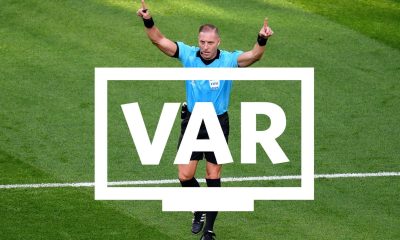
AK Bets trading chief says VAR forces more in-play market suspensions

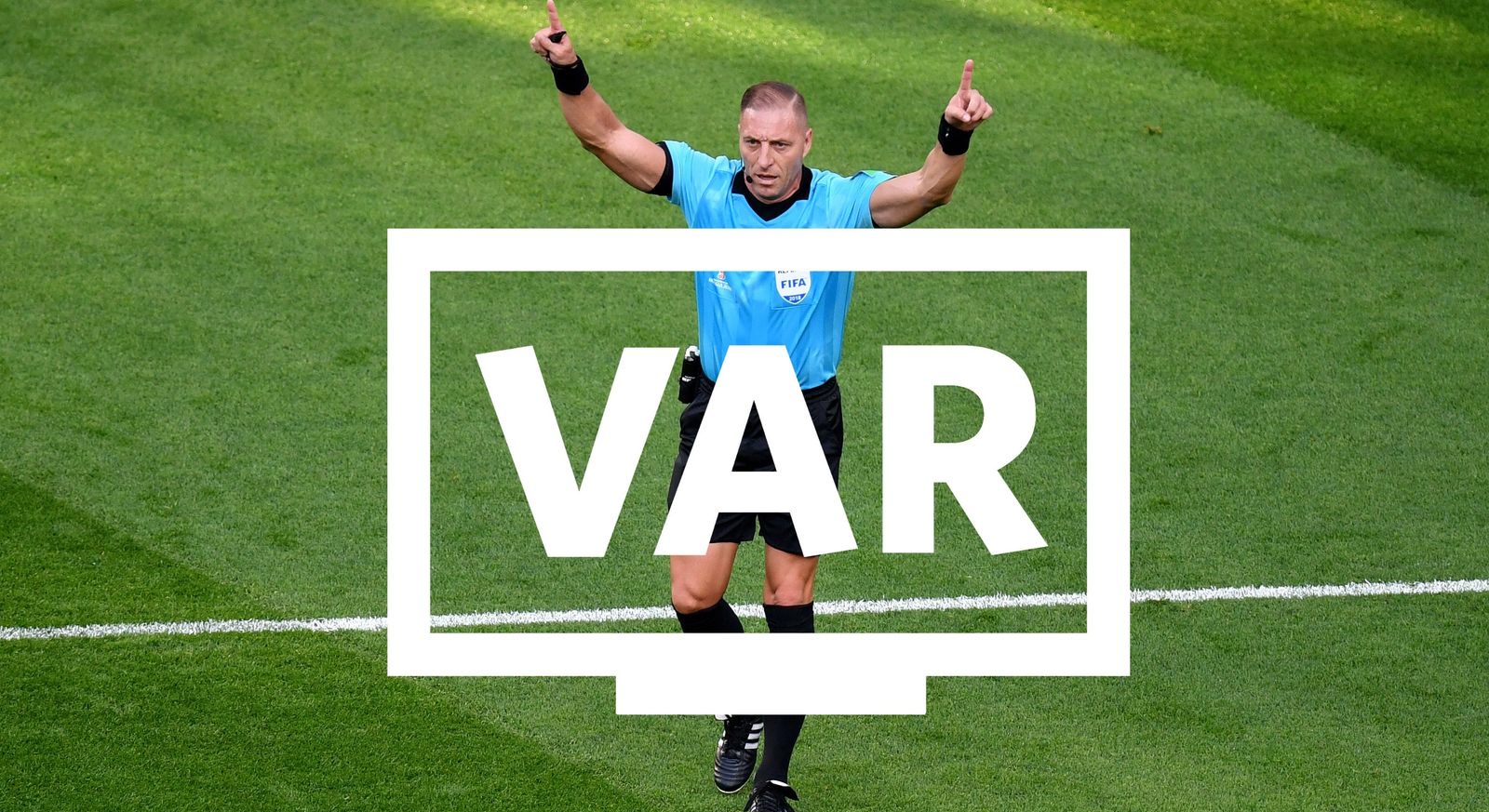
David Murray tells OLBG video reviews have cut live betting uptime and increased split-second risk decisions for traders.
VAR is reshaping how football is traded in-play, according to David Murray, Head of Risk & Trading at AK Bets, who says video reviews have increased uncertainty and reduced the time live betting markets can stay open.
Speaking to OLBG, Murray said traders now have to suspend markets more often because potential penalties, red cards and offsides can quickly swing outcomes. “Years ago you would only suspend betting for a handful of major incidents,” he said. “Now there are so many situations where something might happen that you’re constantly making judgement calls.”
Murray added that VAR has changed the experience of watching matches for both fans and trading teams. “It’s completely ruined the enjoyment of watching football,” he said. “We’re exactly the same as everybody else. Whether you’ve had a bet yourself or you’re trading the game, you’re afraid to celebrate a goal because you’re immediately wondering whether there’s going to be a VAR check.”
He said the operational impact is stark compared with a decade ago. “If you compare now with 10 years ago, it’s night and day,” Murray said. “The amount of time even the biggest football matches are actually available to bet on has changed because there are simply far more incidents that require markets to be suspended.”
Murray also pointed to scheduled stoppages at this summer’s World Cup, saying hydration breaks can create additional betting moments rather than interrupting activity. “It almost becomes like a mini half-time,” he said. “Customers have a few minutes to think about what they’ve watched, look at the updated prices and decide whether they want to get involved.”
The post AK Bets trading chief says VAR forces more in-play market suspensions appeared first on EE Gaming | Global iGaming & Tech Intelligence Hub.
With less than two weeks remaining until N1 Sport Promo by N1 Partners comes to an end, the biggest sporting events of July are still ahead: the decisive matches of the FIFA World Cup 2026, the Wimbledon Final, the Formula 1 Belgian Grand Prix, and the closing stages of the Tour de France.
During this period, every additional FTD not only increases your overall payout but also boosts your CPA rate.
- SEO & PPC — +€50 CPA for every 10 FTDs, with no cap on CPA increases.
- Facebook, In-App, UAC, ASO, Email & SMS — +€10 CPA for every 30 FTDs, up to +€100 above your base CPA.
The full promotion terms are available via the link below.
The N1 Partners affiliate team has shared practical recommendations to help affiliates make the most of the final stage of the promotion.
Strengthen Campaigns That Already Deliver Results
The final weeks of N1 Sport Promo are the best time to increase the volume of successful campaigns and take full advantage of the promotion’s progressive CPA mechanics.
Focus on traffic sources and creatives that are already delivering consistent results. Their growth can be supported by expanding into additional GEOs, regularly refreshing creatives, keeping offers up to date, and reacting quickly to major sporting events.
Even a moderate increase in high-quality traffic can significantly improve your final payout: the more FTDs you generate before the promotion ends, the higher your CPA rate becomes.
Speed Is a Competitive Advantage
The strongest results typically come from campaigns launched ahead of key matches and kept relevant throughout the tournament. Preparing campaigns before kickoff and responding quickly to shifts in audience interest helps affiliates capitalize on peaks in sports traffic and generate more high-quality FTDs.
Mobile users deserve particular attention during this period, as a significant share of the audience engages with sports content while matches are taking place.
Player Activity Peaks in the Final Hours Before Kickoff
During major sporting events, many users register just a few hours before a match begins. That’s why timely creative updates and a strong focus on the tournament’s most anticipated fixtures are essential for maintaining campaign performance.
Key Sporting Events Before the Promo Ends
The sports calendar remains packed over the coming weeks:
- July 9 — France vs Morocco (FIFA World Cup 2026 Quarter-final);
- July 10 — Spain vs Belgium (FIFA World Cup 2026 Quarter-final);
- July 11 — Norway vs England (FIFA World Cup 2026 Quarter-final);
- July 14–15 — FIFA World Cup 2026 Semi-finals;
- July 19 — FIFA World Cup 2026 Final;
- July 12 — Wimbledon Final;
- July 19 — Formula 1 Belgian Grand Prix;
- Through July 26 — Closing stages of the Tour de France.
Each of these events traditionally drives spikes in search demand, social media engagement, and player interest. As a rule, the best-performing campaigns are those that are already delivering results. The final weeks of the promotion are the ideal time to strengthen them through continuous, data-driven optimization.
Looking for even more scaling opportunities? The N1 Partners team has also prepared a comprehensive July guide featuring the month’s biggest sporting events and practical recommendations to help affiliates plan campaigns more effectively and drive additional Tier-1 traffic.
If you haven’t joined N1 Sport Promo yet, contact your affiliate manager or reach out to LeadGen Chris and make the most of the final weeks of the promotion.
Why choose N1 Partners?
- 14+ casino and sportsbook brands with high Reg2Dep
- 10+ Tier-1 GEOs
- CPA up to €700 and RevShare up to 55% + NNCO for top partners
Be number one with N1!
The post N1 Sport Promo: Earn More with Sports Traffic appeared first on EE Gaming | Global iGaming & Tech Intelligence Hub.

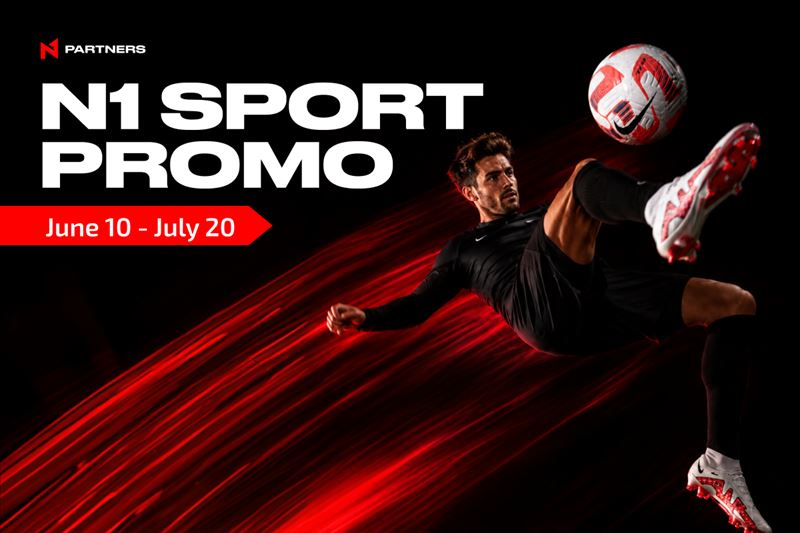
With less than two weeks remaining until N1 Sport Promo by N1 Partners comes to an end, the biggest sporting events of July are still ahead: the decisive matches of the FIFA World Cup 2026, the Wimbledon Final, the Formula 1 Belgian Grand Prix, and the closing stages of the Tour de France.
During this period, every additional FTD not only increases your overall payout but also boosts your CPA rate.
- SEO & PPC — +€50 CPA for every 10 FTDs, with no cap on CPA increases.
- Facebook, In-App, UAC, ASO, Email & SMS — +€10 CPA for every 30 FTDs, up to +€100 above your base CPA.
The full promotion terms are available via the link below.
The N1 Partners affiliate team has shared practical recommendations to help affiliates make the most of the final stage of the promotion.
Strengthen Campaigns That Already Deliver Results
The final weeks of N1 Sport Promo are the best time to increase the volume of successful campaigns and take full advantage of the promotion’s progressive CPA mechanics.
Focus on traffic sources and creatives that are already delivering consistent results. Their growth can be supported by expanding into additional GEOs, regularly refreshing creatives, keeping offers up to date, and reacting quickly to major sporting events.
Even a moderate increase in high-quality traffic can significantly improve your final payout: the more FTDs you generate before the promotion ends, the higher your CPA rate becomes.
Speed Is a Competitive Advantage
The strongest results typically come from campaigns launched ahead of key matches and kept relevant throughout the tournament. Preparing campaigns before kickoff and responding quickly to shifts in audience interest helps affiliates capitalize on peaks in sports traffic and generate more high-quality FTDs.
Mobile users deserve particular attention during this period, as a significant share of the audience engages with sports content while matches are taking place.
Player Activity Peaks in the Final Hours Before Kickoff
During major sporting events, many users register just a few hours before a match begins. That’s why timely creative updates and a strong focus on the tournament’s most anticipated fixtures are essential for maintaining campaign performance.
Key Sporting Events Before the Promo Ends
The sports calendar remains packed over the coming weeks:
- July 9 — France vs Morocco (FIFA World Cup 2026 Quarter-final);
- July 10 — Spain vs Belgium (FIFA World Cup 2026 Quarter-final);
- July 11 — Norway vs England (FIFA World Cup 2026 Quarter-final);
- July 14–15 — FIFA World Cup 2026 Semi-finals;
- July 19 — FIFA World Cup 2026 Final;
- July 12 — Wimbledon Final;
- July 19 — Formula 1 Belgian Grand Prix;
- Through July 26 — Closing stages of the Tour de France.
Each of these events traditionally drives spikes in search demand, social media engagement, and player interest. As a rule, the best-performing campaigns are those that are already delivering results. The final weeks of the promotion are the ideal time to strengthen them through continuous, data-driven optimization.
Looking for even more scaling opportunities? The N1 Partners team has also prepared a comprehensive July guide featuring the month’s biggest sporting events and practical recommendations to help affiliates plan campaigns more effectively and drive additional Tier-1 traffic.
If you haven’t joined N1 Sport Promo yet, contact your affiliate manager or reach out to LeadGen Chris and make the most of the final weeks of the promotion.
Why choose N1 Partners?
- 14+ casino and sportsbook brands with high Reg2Dep
- 10+ Tier-1 GEOs
- CPA up to €700 and RevShare up to 55% + NNCO for top partners
Be number one with N1!
The post N1 Sport Promo: Earn More with Sports Traffic appeared first on Americas iGaming & Sports Betting News.

-

 Latest News6 days ago
BetMakers Technology Group Selected to Distribute ATG Horse Racing Content Across Australia and New Zealand
-
Compliance Updates6 days ago
ACMA Warns MMA Fighter Jamie Mullarkey for Breaches of Online Gambling Laws
-
 Compliance Updates4 days ago
Arizona Department of Gaming Issues Cease-and-Desist Orders to Multiple Operators Linked to Underage Gambling and Illegal Activity
-
Latest News6 days ago
DEGEN Studios unleashes the Plague City chase
-
Latest News5 days ago
PG Soft appoints Hugo Baungartner as General Manager LatAm
-
Canada6 days ago
Gaming Corps expands Entain partnership with major Canadian rollout
-
Latest News5 days ago
ELA Games releases Flames Fruits Frenzy Hold and Win slot
-
Compliance Updates4 days ago
KONAMI GROUP’s Konami Gaming Inc. First to Submit Manufacturer License Application in Japan’s Emerging IR Market