Latest News
63 suspicious betting alerts reported by IBIA in Q1 2025

The International Betting Integrity Association (IBIA) reported 63 alerts of suspicious betting to the relevant authorities in the first quarter (Q1) of 2025. The Q1 2025 total is 3% less than the 65 alerts in Q4 2024, and 11% more when compared to the revised Q1 2024 total of 57 alerts. IBIA monitors over $300bn per annum in betting turnover (handle) across more than 80 members with over 140 sports betting brands globally.
The 63 incidents of suspicious betting in Q1 2025 concerned six sports, across 23 countries and 5 continents. Other key data for Q1 2025 includes:
- Football and tennis accounted for 40 of the Q1 2025 alerts (64%), a 14% increase from 35 alerts in Q4 2024.
- Sporting events in Europe and North America, with 32 alerts combined, made up 51% of the total reported; that was a decrease of 29% compared to 45 alerts in Q4 2024.
- Table tennis saw a notably reduction in alerts from 21 reported in Q4 2024 to 9 reported in Q1 2025, representing a 53% quarter-on-quarter fall.
Khalid Ali, CEO of IBIA, said: “The first quarter of 2025 was relatively consistent with the previous quarter and the comparable period last year. Football and tennis remain the most reported sports, albeit their combined Q1 2025 number was down 14% on Q4 2024. This quarter-on-quarter reduction was primarily due to a fall in tennis alerts, which have shown a welcome reduction in recent years. The Q4 2024 increase in table tennis alerts has not continued into Q1 2025 and has fallen back to previous levels. IBIA has taken increased precautions regarding this sport and agreed a number of new integrity partnerships and protocols in Q1 with the aim of detecting and sanctioning corrupt betting activity.”
IBIA is a leading not-for-profit dedicated to protecting the integrity of regulated sports betting markets worldwide. Its global monitoring network serves as a powerful anti-corruption tool, identifying and reporting suspicious betting activity. In late 2024, IBIA further strengthened its capabilities with a major technological upgrade, significantly enhancing its ability to detect and respond to potential match-fixing across its members’ markets.
The post 63 suspicious betting alerts reported by IBIA in Q1 2025 appeared first on European Gaming Industry News.









Alchemy of Passion
WinSpirit Launches Alchemy of Passion: A Birthday Campaign Combining Gamification, Rewards, and Player Engagement

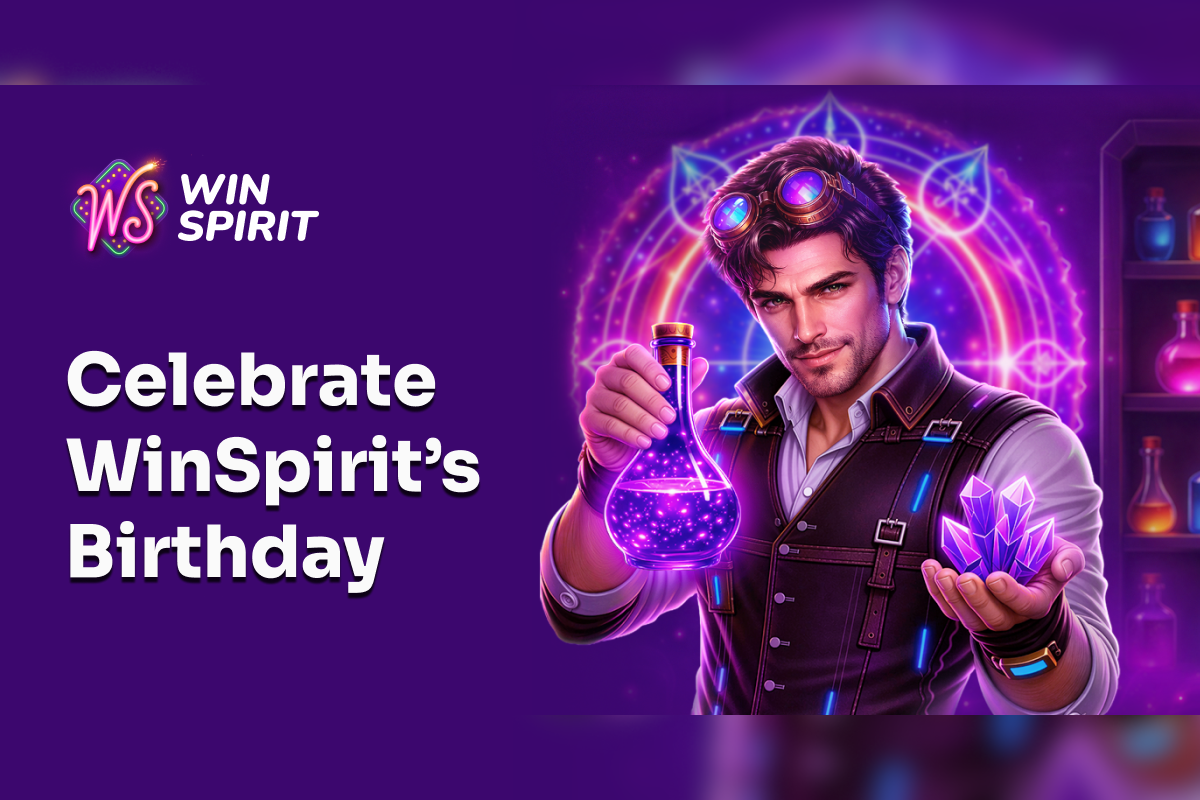
This summer, WinSpirit celebrates its birthday with Alchemy of Passion, a large-scale promotional campaign designed to create deeper player engagement through gamification, storytelling, and immersive rewards.
Built around the concept of discovering the legendary Elixir of Passion, the campaign transforms traditional promotional mechanics into an interactive journey. Players are invited to collect ingredients, complete quests, unlock rewards, and explore new experiences — turning every spin and action into part of a larger adventure.
Throughout the campaign, players can access multiple engagement features, including the Gift Portal, Gift Shop, Mystery Elixirs, quests, tournaments, and exclusive bonuses created specifically for the celebration.
From a product perspective, Alchemy of Passion highlights WinSpirit’s approach to developing creative promotional solutions that help operators increase player interaction, strengthen loyalty, and deliver memorable brand experiences. By combining narrative-driven mechanics with rewarding gameplay elements, the campaign provides partners with a flexible engagement tool designed to support retention and long-term player relationships.
The campaign also reflects WinSpirit’s continued investment in innovation, exploring new ways to connect entertainment, technology, and player-focused experiences within the iGaming ecosystem.
This birthday celebration is WinSpirit’s way of thanking the community that continues to shape the brand. Instead of simply marking another milestone, the company is creating new opportunities for players to interact, discover rewards, and celebrate together.
While Alchemy of Passion is already live, another major experience is being prepared behind the scenes. Soon, players and partners will get their first look at Euphoria Lab — a brand-new concept designed to bring an entirely new level of engagement.
The celebration has begun. The formula continues to evolve, and the next chapter is about to unfold.
The post WinSpirit Launches Alchemy of Passion: A Birthday Campaign Combining Gamification, Rewards, and Player Engagement appeared first on EE Gaming | Global iGaming & Tech Intelligence Hub.

SpringbokCasino.co.za has launched a July promotion offering players 25 free spins on SpinLogic slot title Seahorse Surge, using coupon code MINIONS. The operator said the offer is valid throughout July on its South Africa-facing site.
The campaign is positioned around a “Minions in the Wild – Nature’s Greatest Helpers” theme, timed to coincide with the release window of a new Minions film. SpringbokCasino’s creative frames the promotion through five animal “archetypes” — meerkats, hyenas, dassies, warthogs and elephants — as analogies for different styles of play.
“Every ecosystem needs its helpers, and every winning session needs the right mix of patience, timing, and a little bit of glorious chaos,” said Daniel Van Wyke, Casino Manager at SpringbokCasino. “This July, we celebrate South Africa’s wildest ‘Minions’—and give our players 25 free spins to cause some fun trouble of their own.”
SpringbokCasino described Seahorse Surge as featuring “cascading wins and rising multipliers.”
The press release also links to a video version of the story hosted at https://lyceum.video/casinonews/260701/260701.mp4.
The post SpringbokCasino ties July free spins to ‘Minions in the Wild’ campaign appeared first on EE Gaming | Global iGaming & Tech Intelligence Hub.
Alchemy of Passion
WinSpirit Launches Alchemy of Passion: A Birthday Campaign Combining Gamification, Rewards, and Player Engagement

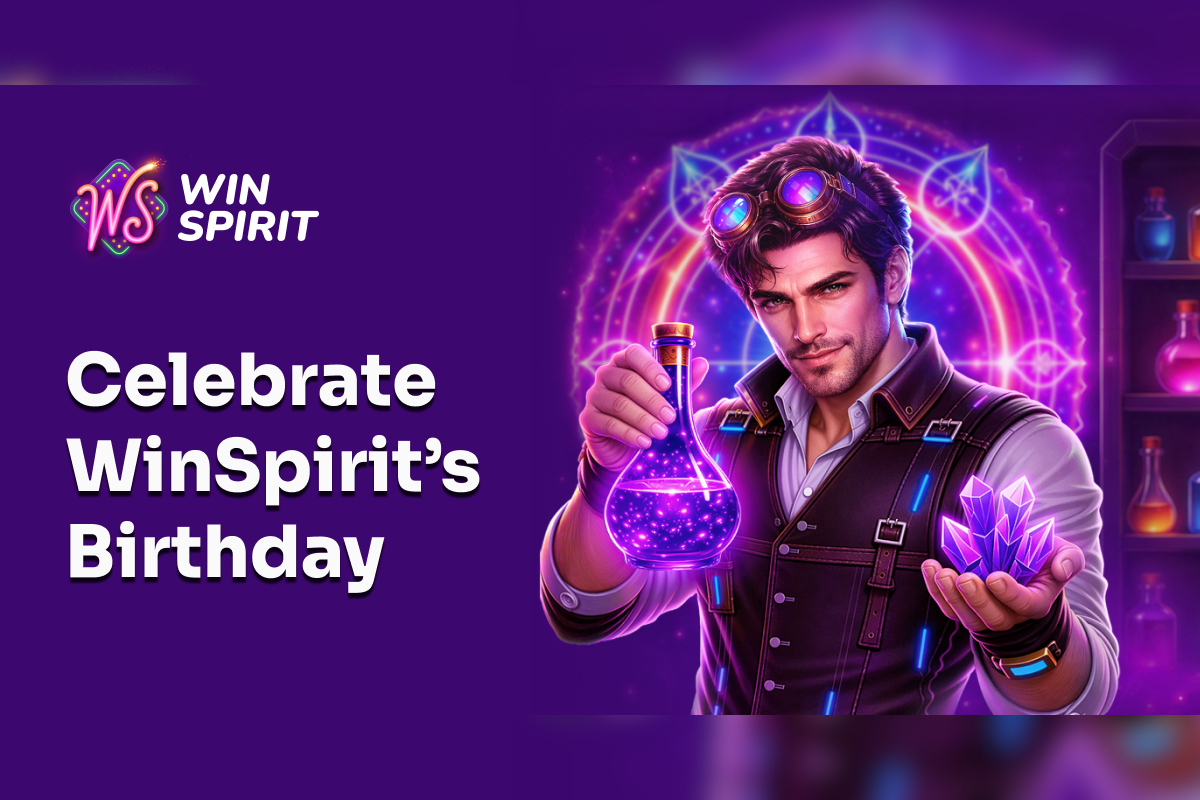
This summer, WinSpirit celebrates its birthday with Alchemy of Passion, a large-scale promotional campaign designed to create deeper player engagement through gamification, storytelling, and immersive rewards.
Built around the concept of discovering the legendary Elixir of Passion, the campaign transforms traditional promotional mechanics into an interactive journey. Players are invited to collect ingredients, complete quests, unlock rewards, and explore new experiences — turning every spin and action into part of a larger adventure.
Throughout the campaign, players can access multiple engagement features, including the Gift Portal, Gift Shop, Mystery Elixirs, quests, tournaments, and exclusive bonuses created specifically for the celebration.
From a product perspective, Alchemy of Passion highlights WinSpirit’s approach to developing creative promotional solutions that help operators increase player interaction, strengthen loyalty, and deliver memorable brand experiences. By combining narrative-driven mechanics with rewarding gameplay elements, the campaign provides partners with a flexible engagement tool designed to support retention and long-term player relationships.
The campaign also reflects WinSpirit’s continued investment in innovation, exploring new ways to connect entertainment, technology, and player-focused experiences within the iGaming ecosystem.
This birthday celebration is WinSpirit’s way of thanking the community that continues to shape the brand. Instead of simply marking another milestone, the company is creating new opportunities for players to interact, discover rewards, and celebrate together.
While Alchemy of Passion is already live, another major experience is being prepared behind the scenes. Soon, players and partners will get their first look at Euphoria Lab — a brand-new concept designed to bring an entirely new level of engagement.
The celebration has begun. The formula continues to evolve, and the next chapter is about to unfold.
The post WinSpirit Launches Alchemy of Passion: A Birthday Campaign Combining Gamification, Rewards, and Player Engagement appeared first on Americas iGaming & Sports Betting News.

-

 Compliance Updates6 days ago
Dutch Gambling Trade Association Sues Meta Over Illegal Gambling Ads
-
BetWarrior6 days ago
Kambi Group Extends its Partnership with BetWarrior
-
Amusnet6 days ago
Amusnet Strengthens its Position Among Bulgaria’s Leading Employers in ICAP CRIF Ranking
-
Australia6 days ago
Feedback Sought on How Public Lotteries are Run in NSW
-
3 Oaks Gaming5 days ago
3 Oaks Gaming releases Joker Glitz x1000 slot with stacked multipliers
-
Asia5 days ago
PhilWeb Secures ₱2.02 Billion Strategic Investment from Lance Y. Gokongwei to Accelerate AI-Driven Technology Expansion
-
Africa5 days ago
BGaming signs PlaylogiQ distribution deal to grow Africa reach
-
3 Oaks Gaming4 days ago
Weekend Reels | Week 26: Slot Drops & Trends