Latest News
BGaming Completes Inaugural TRUE WAYS Online Conference


Rapidly expanding content provider celebrates the success of its first TRUE WAYS Conference
Popular iGaming content provider BGaming recently completed its inaugural TRUE WAYS online conference. The event was held online on June 4th, 2025, from 3:00 to 6:00 PM CET.
TRUE WAYS has been a roaring success for BGaming, exceeding expectations across the board. The event received over 1,500 registrations and had more than 400 external participants, with 47% holding executive roles. Live attendances for the streams varied throughout the event, peaking at between 150 and 200 viewers.
The free and fully accessible virtual event was BGaming’s first foray into the world of conferencing. TRUE WAYS was created to focus on real-world case studies and honest conversations, inviting voices from across the industry to come forward and share their experiences and insights, both positive and negative. The purpose of the event was not just for the speakers to share their own experience, but to emphasize the importance of industry collaboration, one of key principles for BGaming.
Several key speakers provided fascinating insights into the global landscape of the industry. Dmitry Belianin of the Belianin Group highlighted Africa as the next iGaming frontier, citing its massive mobile-first user base and early-stage growth. He pointed to projected 2024 GGR figures: South Africa – $3.5B, Nigeria – $1.1B, and Kenya – $755M. Meanwhile, Sasha Boerma from Split The Pot also focused on Africa, highlighting the need for a localized approacht. To succeed, she urged operators to “go local to grow” — from mobile optimization to cultural immersion through local teams — and emphasized the lasting impact of traditional offline marketing.
Looking at Asia, Ataur Rosul Abeer of Slotegrator identified India, Bangladesh, and Vietnam among major players in the region. He noted that players in these countries prefer simple, engaging formats — particularly sports betting, live games, and crash mechanics. Looking ahead, Ataur pointed to fantasy sports and intuitive, easy-to-grasp game designs as global trends to watch.
BGaming’s CMO, Kate Puteiko, highlighted the importance of building systems for visibility, designing for real-world use cases, and not just focusing on hype, as well as how to think beyond the lobby by offering tools and tracking results. Kate Romanenko, Head of Commercial at Kendoo, shared practical tips on boosting your lobby through leveraging game data. She also highlighted the value of competitive gap analysis and encouraged the use of third-party market research to guide content strategy.
The conference also featured contributions from other industry figures, including Yaroslav Babych (ZM Team), Shahar Attias (Hybrid Interaction), Ivan Bilash (SOFTSWISS), and Marija Hammon (Brand & Marketing Consultant). For those who couldn’t attend or would like to revisit the sessions, all recordings are available by logging in on the conference landing page — your gateway to the brightest iGaming insights.
Marina Ostrovtsova, BGaming CEO, said: “TRUE WAYS was a success for us, and I couldn’t be prouder of everyone involved. The event exceeded all expectations, and the feedback we have received has been extremely positive. As a company, we see great potential in further developing this initiative and collaborating with more voices from across the industry.
“iGaming is in such an exciting place right now, and having a platform where industry experts can come and share their experience is going to benefit everyone. TRUE WAYS provides exactly that, and we are excited to see where this initiative will take us next.”
The post BGaming Completes Inaugural TRUE WAYS Online Conference appeared first on European Gaming Industry News.












BOYLE Sports is expanding its Serbia-based technology hub after hiring just over 65 people in the past 12 months, the company said on 14th July, 2026. The hires are based in Belgrade and support BOYLE Sports’ next phase of development as an omni-channel betting operator.
BOYLE Sports said it aims to increase headcount in Serbia by an additional 30% over the next few months. The company positioned the hub as a way to access experienced developers with gaming industry knowledge, as it continues to build out its technology capability.
Jim Parkins, Chief Technology Officer at BOYLE Sports, said: “Serbia gives us access to exceptional technology talent, with the development experience and gaming-sector knowledge we need to support our continued growth. We have been deliberate in how we have built the team, and are delighted with the calibre of people on board.
“AI is changing how technology teams work and we are embracing that while simultaneously continuing to invest in people, because the strongest businesses will be those that combine smart technology with talented teams who know how to apply it.”
The Serbia expansion follows BOYLE Sports’ recent announcement of a partnership with AWS, which the company said is intended to bolster its technology stack and support growth across the markets where it operates.
The post BOYLE Sports adds 65 hires to Belgrade tech hub, targets further growth appeared first on EE Gaming | Global iGaming & Tech Intelligence Hub.

Kaizen Gaming has released betting data from its Betano sportsbook indicating users are backing Argentina and France to reach the World Cup final. The company said the data was extracted on the morning of 13 July 2026 across 18 markets, excluding the UK.
In Betano’s “To Qualify” market for the semi-finals, Kaizen said 71% of users backed Argentina to qualify over England. France was a stronger favourite in the same market, with 79% of users expecting France to beat Spain.
Kaizen also shared player scoring selections for the semi-finals. It said Kylian Mbappe was backed by 60% of players to score in the first semi-final, while Lionel Messi led the “any time” scoring selections in the second semi-final at 34%.
For England’s match, Kaizen said users were backing Jude Bellingham to score (28%), ahead of captain Harry Kane (20%). The company noted that “The international data sources may vary according to betting option availability per market.”
The post Betano betting data favours Argentina and France to reach World Cup final appeared first on EE Gaming | Global iGaming & Tech Intelligence Hub.
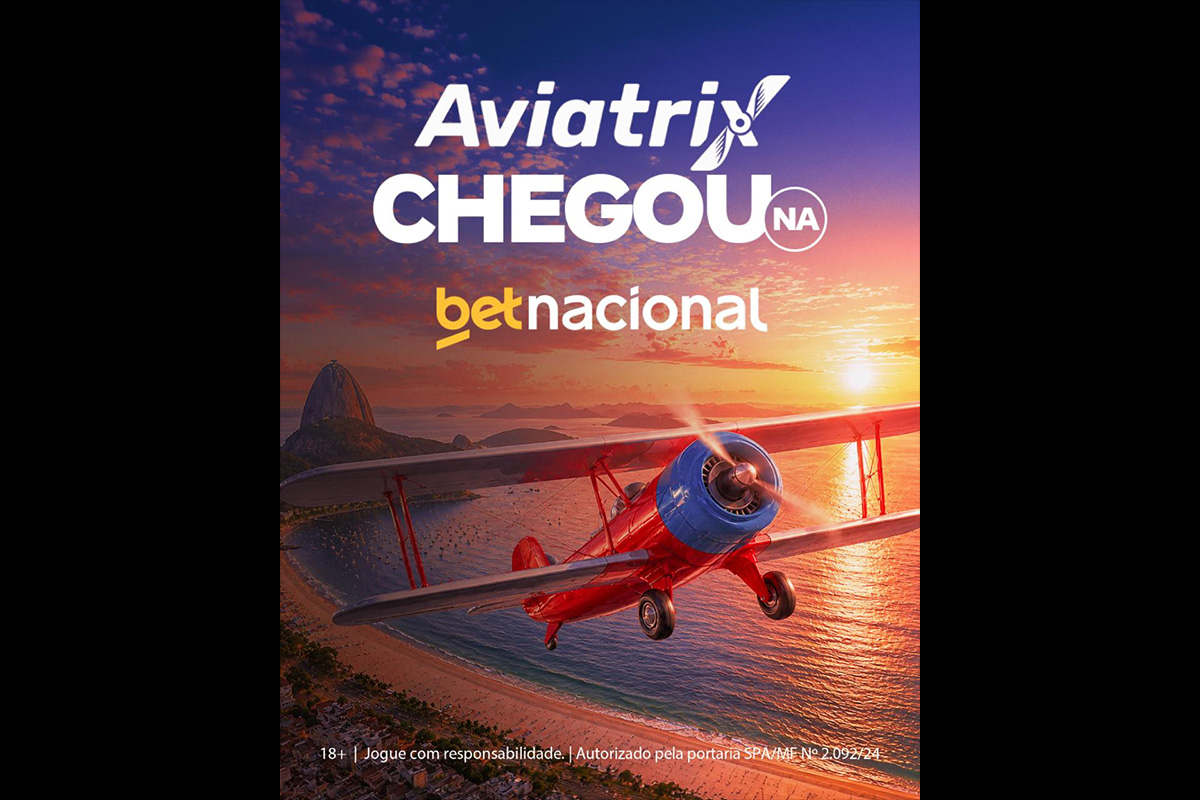
Aviatrix has strengthened its position in Brazil after going live with Betnacional, one of the country’s leading online betting and gaming brands, and part of Flutter Entertainment.
The partnership brings Aviatrix’s classic crash game, which has rapidly become a fan favourite in Brazil, to Betnacional players for the first time.
Frederico Cunha, Head of Games at Flutter Brazil, said: “Our strategy is centered on building a gaming portfolio that reflects the evolving preferences of Brazilian players. By continuously introducing innovative and high-quality content, we strengthen the overall player experience and reinforce Betnacional’s position as one of Brazil’s leading entertainment platforms. The addition of Aviatrix is another step in delivering on that commitment”.
Anastasia Rimskaya, Chief Account Officer at Aviatrix, said: “Brazil continues to be one of the most important markets for Aviatrix, and going live with Betnacional is a major milestone for us. Betnacional is one of the leading brands in the country and this partnership is a strong endorsement of the momentum Aviatrix is building in Brazil. We are excited to bring Aviatrix to even more players in the country.”
The launch with Betnacional marks another major step in Aviatrix’s Brazilian expansion, following the company’s certification for Brazil’s federal regulated market. To find out more, please visit: www.aviatrix.bet.
The post Aviatrix expands in Brazil with Flutter brand Betnacional appeared first on EE Gaming | Global iGaming & Tech Intelligence Hub.

-

 Latest News6 days ago
BetMakers Technology Group Selected to Distribute ATG Horse Racing Content Across Australia and New Zealand
-
Latest News7 days ago
Belatra signs cooperation deal to distribute slots via VeliGames
-
Compliance Updates7 days ago
Pernambuco court revokes Spribe’s interim relief in Aviator trademark dispute
-
Compliance Updates6 days ago
ACMA Warns MMA Fighter Jamie Mullarkey for Breaches of Online Gambling Laws
-
 Compliance Updates4 days ago
Arizona Department of Gaming Issues Cease-and-Desist Orders to Multiple Operators Linked to Underage Gambling and Illegal Activity
-
Latest News6 days ago
DEGEN Studios unleashes the Plague City chase
-
Latest News5 days ago
PG Soft appoints Hugo Baungartner as General Manager LatAm
-
Canada6 days ago
Gaming Corps expands Entain partnership with major Canadian rollout