Latin America
Brace Yourselves: Curaçao’s New Gambling Law Is at the Door!

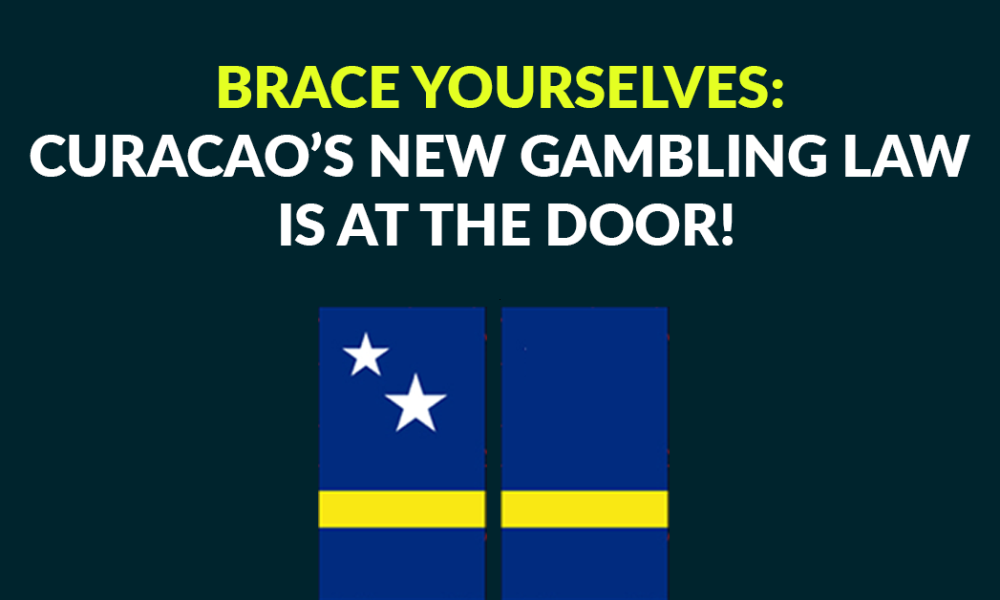
Curaçao is approaching the finishing line of their online gambling reform, with the new law being sent to the parliament earlier this week. Markus Björk at Slotsoo has been in touch with both the Ministry of Finance and several Curaçao operators to find out how they feel about this big change. Do European license providers have a reason to feel threatened by Curaçao casinos 2.0?
LOK Now Just Waiting for Parliament Approval
On December 19th, Curaçao’s Ministry of Finance informed that the new law has been officially submitted to the parliament. The National Ordinance for Games of Chance, commonly referred to as LOK (Landsverordening op de kansspelen), is expected to come into effect in the first half of 2024.
Finance Minister Javier Silvania, the front figure of the reform, shares his excitement about this historical moment:
“We are very happy to reach this final stage. The submission of the LOK to Parliament is not just a procedural step, but a leap towards transformative progress.”
No More Master Licenses or Middle Men
The current setup of the Curaçao casino license is very unique, with four master license holders being in charge of giving licenses to individual casino operators and ensuring their compliance to the regulations.
This has resulted in big quality differences, and if you were to ask ten EU players how they feel about Curaçao casinos you would get very varied replies. Another critique with the current system is that most of the financial gain goes to the four master license holders, while the island of Curaçao is left with light pockets.
LOK will put an end to master licenses and middle men and require all licenses to be applied directly from Curaçao’s Gaming Control Board. This means more uniformed quality and better control. The new law will also require gambling companies to have physical presence on the island, creating new job opportunities for the locals.
The Curaçao casinos we interviewed all welcome the new setup. Spinwise (Tsars Casino) sees some hurdles, but says it will be worth it in the long run:
“The prohibition of sublicensing by master licensees introduces a new financial dynamic for individual companies, albeit with associated fees. While adaptation to the new framework may pose short-term challenges, the long-term benefits are expected to outweigh these initial obstacles.”
The Curaçao License Will Remain Tax Free
1. No tax on winnings
2. No restrictions on player nationality
3. Strong regulatory framework
Keeping the Balance Is Crucial for Success
Finance Minister Javier Silvania shares that they had a very inclusive approach when drafting the new law. They consulted all the stakeholders to make sure LOK will consider different perspectives and not just serve one group. The country of Curaçao, its citizens, the gambling industry, and the players should all benefit from the reform.
Many license jurisdictions that go through a re-regulation fall into the trap of legislating too much, without the government listening to the industry or the players enough. This leads to fewer license holders and lower channelization rates, as both the operators and the players search for more attractive solutions from other countries.
We wish Curaçao good luck with their new start in 2024!












Gestionar fondos en múltiples mercados: el cuello de botella oculto que frena el crecimiento del iGaming en América Latina
Argentina, 13 de julio de 2026 – Escalar un negocio de iGaming en América Latina implica gestionar infraestructuras de pago paralelas, fondos de liquidez separados y procesos de conciliación desconectados en cada país. Para los operadores que buscan expandirse a nivel regional, esta fragmentación se ha convertido en un costo tangible: consume tiempo, inmoviliza capital, reduce los márgenes a medida que el negocio crece y aumenta la complejidad operativa con cada nuevo mercado.
Brasil marcó el ritmo con ingresos por 37.000 millones de reales en 2025, el primer año completo del mercado bajo un marco regulatorio, según datos de la Secretaría de Premios y Apuestas (SPA). Argentina, Perú, México y Chile también continuaron atrayendo operadores con estrategias de expansión regional. Sin embargo, en la práctica, estas compañías siguen enfrentándose al mismo obstáculo: infraestructuras financieras que operan de manera aislada, con poca o ninguna interoperabilidad entre sí.
Cada mercado funciona sobre rieles de pago locales sin un equivalente directo en otros países. En Brasil, Pix, incluido Pix Biométrico, representa la gran mayoría de las transacciones, especialmente tras la prohibición del uso de tarjetas de crédito y boletos bancarios para las apuestas. En Argentina, las CVU y las transferencias instantáneas cuenta a cuenta (A2A) impulsan los depósitos y retiros; en México ese rol lo cumplen las transferencias SPEI A2A, mientras que en Colombia corresponde a BRE-B. En Chile, MACH se ha convertido en el método de pago preferido por una gran parte de los jugadores y, en Perú, ese lugar lo ocupa Yape. Ninguna de estas infraestructuras de pago se integra de forma nativa con las demás, lo que significa que un operador presente en todos estos mercados termina administrando una infraestructura financiera independiente en cada uno de ellos.
El impacto va mucho más allá del procesamiento de pagos. Cuando los fondos circulan a través de sistemas desconectados entre distintas jurisdicciones, cada una con sus propias normas fiscales y ciclos de liquidación, los operadores pierden visibilidad en tiempo real sobre su posición de caja. Como consecuencia, decisiones que deberían basarse en información precisa y actualizada terminan dependiendo de consolidaciones manuales y estimaciones.
“Vimos venir este escenario antes que el mercado. A medida que la regulación maduró en Brasil, Argentina, Perú, Colombia y el resto de la región, el mayor desafío para los operadores dejó silenciosamente de ser ‘¿podemos ingresar al mercado?’ para convertirse en ‘¿podemos controlar lo que ocurre dentro de nuestra operación?’. Las operaciones financieras fragmentadas son hoy uno de los principales obstáculos para una expansión regional rentable y el problema se agrava, no se reduce, cuanto más crece una empresa. Los ganadores no se definirán por su presencia geográfica, sino por su capacidad de tener visibilidad, control y una gestión integrada. Esa es la convicción sobre la que se construyó OKTO PAYMENTS: infraestructura de pagos local en cada mercado, con una única capa de control financiero por encima, conectada mediante una sola API para todo el continente”, afirmó Filippos Antonopoulos, fundador y CEO de OKTO PAYMENTS.
Para los proveedores de servicios de pago (PSP), dar soporte a operadores presentes en múltiples mercados requiere mucho más que conectividad con los métodos de pago locales. Exige combinar infraestructura local con una capa centralizada de gestión financiera que proporcione visibilidad en tiempo real sobre los fondos, la conciliación y la liquidez entre distintas jurisdicciones. El objetivo es administrar los pagos no como integraciones independientes por país, sino como un marco unificado de control financiero distribuido en múltiples mercados.
OKTO PAYMENTS fue diseñado precisamente para responder a ese desafío. Los operadores realizan una única integración y acceden a los métodos de pago locales que los jugadores esperan en cada mercado: Pix en Brasil, CVU y A2A en Argentina, MACH en Chile, Yape en Perú, entre otros. Sobre esa infraestructura funciona una única capa de tesorería y conciliación que consolida fondos, liquidez y liquidaciones en una vista unificada y en tiempo real, permitiendo que los equipos financieros dejen de conciliar mercado por mercado para gestionar una única posición regional.
Para los operadores que están planificando o acelerando su expansión regional, OKTO PAYMENTS ofrece una evaluación de su infraestructura financiera para identificar dónde la fragmentación está generando costos hoy, ya sea por capital inmovilizado, demoras en las liquidaciones o pérdida de visibilidad financiera. Para solicitar una evaluación, los interesados pueden contactar al equipo comercial de OKTO PAYMENTS.
The post Expandirse en LatAm: el costo oculto que enfrenta la industria del iGaming appeared first on Americas iGaming & Sports Betting News.

Integration puts Pascal’s slots, crash, instant and table titles in front of EGT Digital’s operator network across Europe, South America and Africa.
Pascal Gaming has signed a distribution agreement with EGT Digital, making its portfolio available through the X-Nave Gaming Aggregator. The deal was announced July 14, 2026.
Under the integration, operators across EGT Digital’s network will be able to access Pascal Gaming’s full range of slots, crash, instant and table games. EGT Digital said its Gaming Aggregator currently offers more than 20,000 games from over 200 studios.
Titles named in the agreement include Avinho R10 and Fortune Ronaldinho, developed in collaboration with football legend Ronaldinho, alongside Golden Tree Buy Bonus, Sugar Balloon and Juicy Storm.
Pascal Gaming said the partnership will expand distribution across Europe, South America and Africa, as it continues certifying titles for regulated markets. The supplier noted it has recently secured certifications for a number of its games in Brazil as part of its expansion in the market.
The post Pascal Gaming signs EGT Digital deal to distribute games via X-Nave appeared first on EE Gaming | Global iGaming & Tech Intelligence Hub.
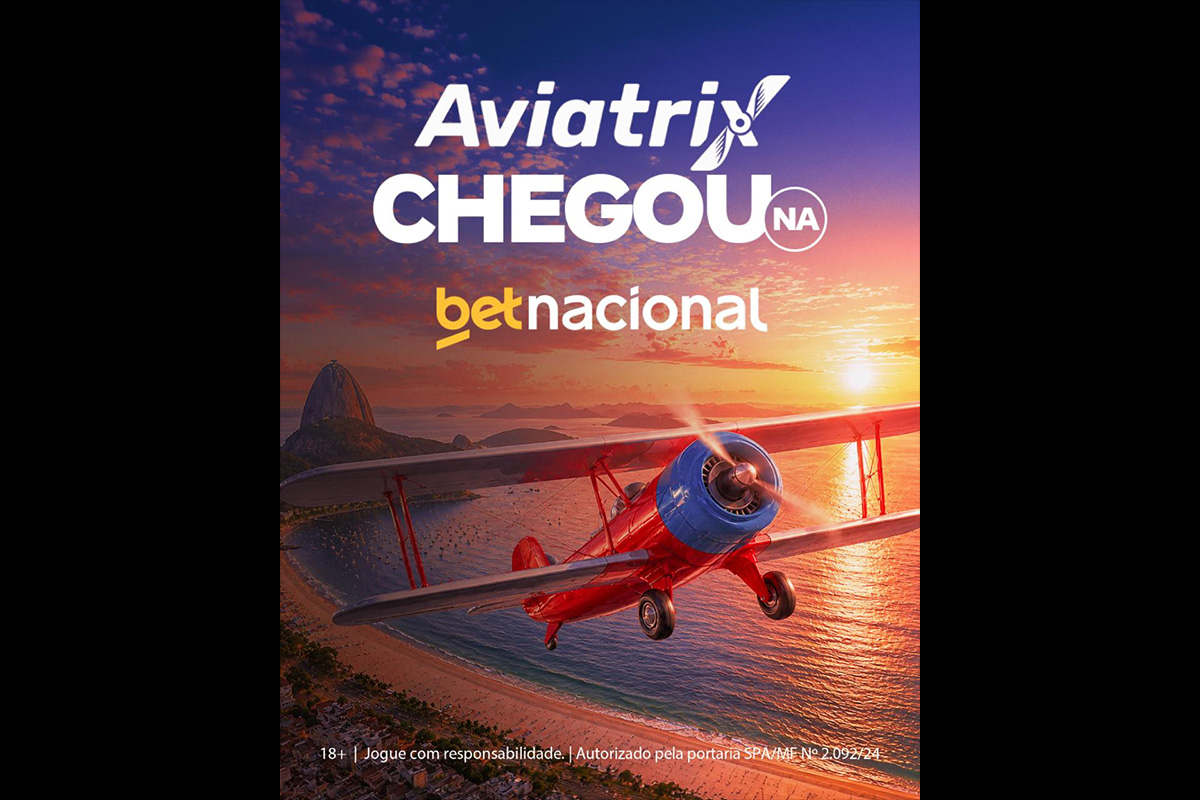
Aviatrix has strengthened its position in Brazil after going live with Betnacional, one of the country’s leading online betting and gaming brands, and part of Flutter Entertainment.
The partnership brings Aviatrix’s classic crash game, which has rapidly become a fan favourite in Brazil, to Betnacional players for the first time.
Frederico Cunha, Head of Games at Flutter Brazil, said: “Our strategy is centered on building a gaming portfolio that reflects the evolving preferences of Brazilian players. By continuously introducing innovative and high-quality content, we strengthen the overall player experience and reinforce Betnacional’s position as one of Brazil’s leading entertainment platforms. The addition of Aviatrix is another step in delivering on that commitment”.
Anastasia Rimskaya, Chief Account Officer at Aviatrix, said: “Brazil continues to be one of the most important markets for Aviatrix, and going live with Betnacional is a major milestone for us. Betnacional is one of the leading brands in the country and this partnership is a strong endorsement of the momentum Aviatrix is building in Brazil. We are excited to bring Aviatrix to even more players in the country.”
The launch with Betnacional marks another major step in Aviatrix’s Brazilian expansion, following the company’s certification for Brazil’s federal regulated market. To find out more, please visit: www.aviatrix.bet.
The post Aviatrix expands in Brazil with Flutter brand Betnacional appeared first on EE Gaming | Global iGaming & Tech Intelligence Hub.

-

 Latest News7 days ago
BetMakers Technology Group Selected to Distribute ATG Horse Racing Content Across Australia and New Zealand
-
Compliance Updates7 days ago
ACMA Warns MMA Fighter Jamie Mullarkey for Breaches of Online Gambling Laws
-
 Compliance Updates4 days ago
Arizona Department of Gaming Issues Cease-and-Desist Orders to Multiple Operators Linked to Underage Gambling and Illegal Activity
-
Latest News6 days ago
PG Soft appoints Hugo Baungartner as General Manager LatAm
-
Latest News6 days ago
ELA Games releases Flames Fruits Frenzy Hold and Win slot
-
Compliance Updates5 days ago
KONAMI GROUP’s Konami Gaming Inc. First to Submit Manufacturer License Application in Japan’s Emerging IR Market
-
Canada6 days ago
Canada’s Safer Gambling Gap: Why Market Success Doesn’t Always Equal Player Safety
-
Latest News6 days ago
Booming Games launches Fish Tales: Double Catch Max Scatter