Latest News
New support for NHS to treat gambling addiction


The NHS is set to benefit as new levy will raise an estimated £100 million of new funding for research, prevention and treatment of gambling addiction.
Following publication of the gambling white paper in April, the Government is now taking the next step in mandating payments from the sector by launching a consultation on the design of the proposed gambling operator levy.
Currently, not all gambling companies contribute equally towards the existing voluntary levy, with some operators paying as little as £1 towards research, prevention and treatment. The Government is therefore acting to ensure all operators contribute their fair share.
In order to improve research, prevention and treatment of gambling harm, the Government is minded to set the levy as a new 1% fee on gross gambling yield for online gambling operators, while traditional betting shops and casinos will pay a proposed fee of around 0.4%.
The white paper has proposed a fair and proportionate approach to levy rates between various operators, taking into account the difference, for example, in operating costs and the levels of harmful gambling associated with different gambling activities.
Culture Secretary Lucy Frazer said:
We are taking the next step in our plan to protect those most at risk of gambling harm with a new levy on gambling operators to pay for treatment and research.
All gambling operators will be required to pay their fair share and this consultation is an opportunity for the industry, clinicians, those who have experienced gambling harm and the wider public to have their say on how the proposed gambling operator levy should work.
The introduction of this levy will strengthen the safety net and help deliver our long-term plan to help build stronger communities while allowing millions of people to continue to gamble safely.
Technology has reshaped where, when and how people gamble and there has been a significant rise in online gambling behaviour due to the ease of access on smartphones, with people able to gamble anytime and anywhere.
Figures from the NHS Digital Health Survey also indicate that some of these online products are associated with elevated levels of gambling-related addiction and harm with ‘problem gambling’ rates eight times higher for online slots and casino game players than in the population as a whole.
Under the proposed levy, the gambling industry will no longer have a say over how money for research, prevention and treatment is spent. Instead, the Gambling Commission will distribute funding directly to the NHS and UK Research and Innovation (UKRI), which coordinates research and innovation funding, under the strategic direction of government. The levy will be underpinned by legislation meaning firms will be required to pay.
The funding delivered through the levy, which will deliver substantial new investment for the NHS in England, Scotland and Wales, will increase access to treatment and support for those experiencing gambling-related harm. It will also help to develop a truly national approach to prevention and fund independent, high-quality research to inform policy and practice.
In July this year, the NHS announced that seven new specialist gambling addiction clinics will open in Milton Keynes, Thurrock, Derby, Bristol, Liverpool, Blackpool and Sheffield this year. This is in addition to the seven clinics already in operation in London, Leeds, Newcastle, Manchester, Southampton, Stoke-on-Trent, and Telford, as well as an additional national clinic, which treats both gambling and gaming addiction in children and young people, in London.
Gambling Minister Stuart Andrew said:
We know that gambling addiction can devastate lives, which is why we are working quickly to implement our bold plans for reform.
This consultation brings us a step closer to being able to provide £100 million of new funding for research, prevention and treatment, including ring fenced investment for the NHS to help gambling addicts.
Gambling firms should always pay their fair share and this new statutory levy will ensure that they are legally required to do just that.
Health Minister Neil O’Brien said:
Harmful gambling can affect people’s savings, ruin relationships, and devastate people’s lives and health.
Gambling companies should pay their fair share towards the costs of treatment services, but we want to hear from as many people as possible about how the new statutory levy should work.
We continue working to support those affected by gambling harms. Twelve of the planned fifteen NHS gambling addictions clinics have now opened across the country providing vital support services for thousands of people experiencing gambling-related harms as well as their loved ones. The remaining three are expected to open by the end of the year.”
Henrietta Bowden-Jones, National Clinical Advisor for Gambling Harms, said:
I welcome this Levy which reflects the government’s decision to fund gambling treatment, prevention, research and education in an independent and evidence- based way allowing us to continue our work of eradicating all gambling harms from society.”
NHS mental health director Claire Murdoch said:
Gambling addiction destroys people’s lives and with record numbers turning to the NHS for support, the health service has met this demand head on by opening four new specialist clinics in recent months, with a further three opening later this year.
The NHS has long called for a statutory levy because it is only right that this billion-pound industry steps up to support people suffering from gambling addiction and I am pleased that action is being taken to prevent people from coming to harm in the first place. It is now vital we continue working in partnership to ensure we provide effective prevention, education and treatment for this condition.
The Government’s gambling white paper, published in April 2023, set out a range of measures to improve player protections and reduce the risk of gambling addiction and harm in the smartphone era. Measures such as financial risk checks to better alert operators to risky behaviours, stake limits for online slots, tighter controls on marketing of bonuses and a new mandatory gambling operator levy are designed to reduce risk and improve player protections.
The Government and Gambling Commission continue to implement the measures set out in the white paper with a view to having key elements in place in summer 2024.









game releases
Greentube launches Cash Connection – Golden Sizzling Hot with guaranteed Winning Spins

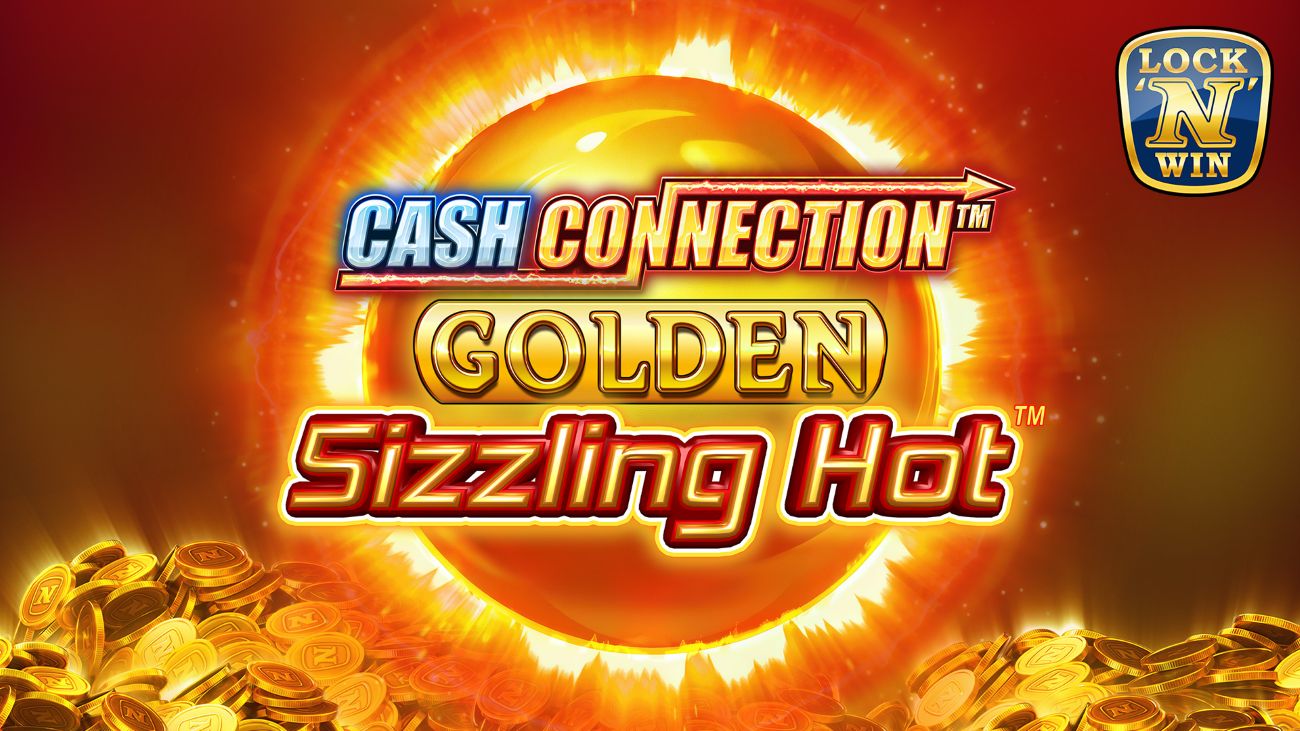
Greentube, the NOVOMATIC Interactive division, has launched Cash Connection – Golden Sizzling Hot on 14th July 2026. The new title extends the supplier’s Cash Connection series and introduces a gold-themed variant with updated bonus mechanics.
Cash Connection – Golden Sizzling Hot is played on a 5×3 grid with five win lines. Landing six or more disc symbols triggers a Lock & Spin feature, with access to four jackpots across the game and two bonus prizes. The Grand Jackpot can be triggered by landing 15 discs during the feature, which also ends the round.
Greentube said the Mini and Minor jackpots are tied to a separate Winning Spins feature. In this mode, played on a different set of reels without disc symbols, “every spin is a guaranteed win,” according to the company.
Richard Ganster, Director of Games Strategy and Games Portfolio Management at Greentube, said: “Cash Connection has grown into one of our most consistently popular game families, and Golden Sizzling Hot shows exactly why we keep coming back to expand it.
The Lock & Spin feature has always been a strong draw for players, but what really sets this edition apart is the guaranteed Winning Spins feature. Landing a Mini or Minor jackpot doesn’t just add a cash value; it opens the door to a round where every spin wins, and that’s a great incentive for players.
“Giving the game a golden makeover was about more than just a new look. It’s part of how we keep our most established franchises feeling fresh, and Golden Sizzling Hot is a great example of that balance between familiarity and evolution.”
The post Greentube launches Cash Connection – Golden Sizzling Hot with guaranteed Winning Spins appeared first on EE Gaming | Global iGaming & Tech Intelligence Hub.
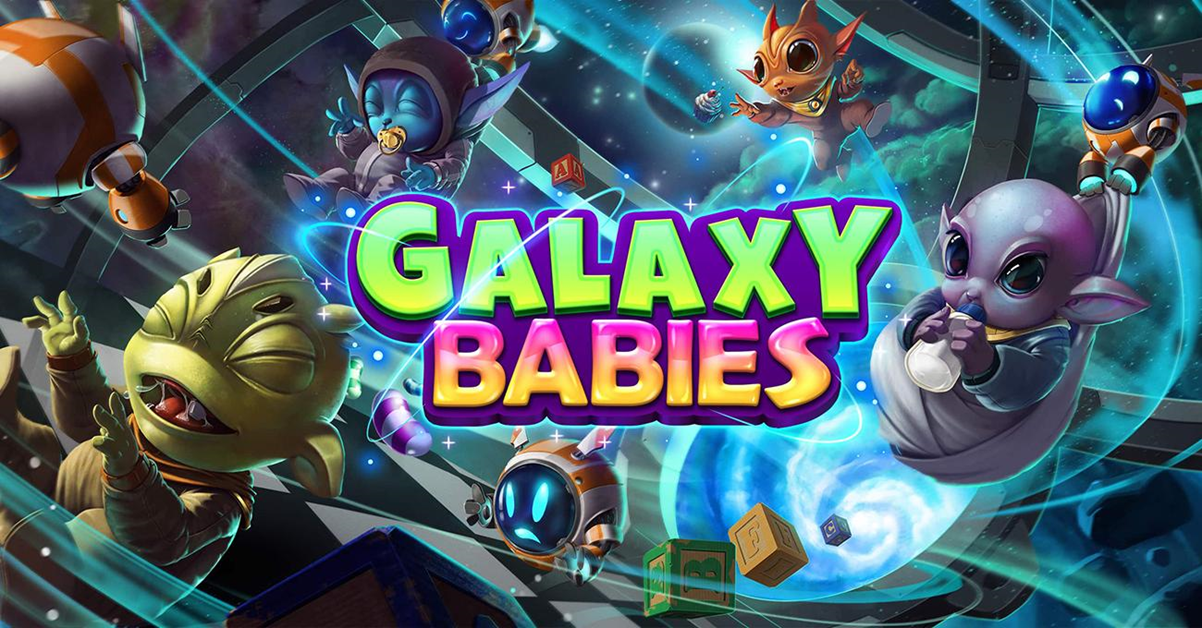
Habanero has launched Galaxy Babies, a new 5×3 slot released on 14 July 2026, built around a Black Hole mechanic that randomly drops blocks of Wild symbols onto the reels.
The game runs on 25 paylines. In the base game, the Black Hole can appear at random and “warp in” Wild symbol blocks across the reels. Habanero said Wilds in the title are only triggered through the Black Hole feature.
A free spins mode triggers when three or more Scatter symbols land, with up to 50 free spins available and retriggers during the bonus round. In free spins, Habanero said the Black Hole “grows,” creating larger 3×3 and 4×4 Wild blocks.
Galaxy Babies also supports Habanero’s Jackpot Race, Buy Feature and Super Bet, which the supplier said gives operators options when configuring the game for different player preferences. The release follows recent titles including Happy Hatchlings, Nuwa Deluxe and Steampunk Plinko.
Toni Karapetrov, Head of Corporate Communications at Habanero, commented: “Galaxy Babies is a title with a lot of personality and a mechanic that delivers real impact. The Black Hole Wild is simple to understand but creates moments that feel genuinely exciting.
“It is a game that will appeal to a broad range of players, and we are looking forward to seeing how it performs across our operator network.”
The post Habanero releases Galaxy Babies slot with Black Hole Wild blocks appeared first on EE Gaming | Global iGaming & Tech Intelligence Hub.

ICONIC21 has signed a distribution agreement with Blue Ocean Gaming that makes the supplier’s full portfolio—live casino, slots and RNG titles—available through Blue Ocean Gaming’s operator network. The companies announced the deal on 14 July 2026.
Blue Ocean Gaming said it aggregates content from more than 140 providers and offers operators a catalogue of over 13,000 casino titles across categories including slots, live casino, virtual sports and sportsbook.
The integration includes ICONIC21’s live casino Gravity Series game-show formats, including Gravity Wheel. ICONIC21 said the title runs multipliers on every spin and includes four multiplier symbols—Saturn, Moon, Comet and Sun—with the Sun multiplier offering wins of up to 1,000x.
The agreement also covers ICONIC21 slots including Buffalo Wild Collection and Las Piggas, alongside RNG titles such as Chicken Run, Mines and Crash.
Alina Mihaela Popa, Chief Commercial Officer at ICONIC21, said: “Being distributed through a platform of this scale, alongside such a strong roster of providers, gives our content exceptional exposure and reach. What makes us proud is that our footprint keeps growing, and it keeps growing very quickly. Each new partnership is a reflection of our strength and potential, and Blue Ocean Gaming is a very meaningful addition to that journey.”
Dejan Jović , CEO at BlueOcean Gaming commented: “ICONIC21 is doing something truly exciting in the live casino space, raising the bar when it comes to player immersion and showmanship. Their ability to take classic table games and supercharge them with dynamic twists like the Gravity series adds a fantastic new layer of entertainment to GameHub. It’s exactly the kind of high-vibe, retention-driven content our operators look for to stand out in a crowded market, and we are thrilled to welcome them on board.”
The post ICONIC21 distributes full casino portfolio via Blue Ocean Gaming appeared first on EE Gaming | Global iGaming & Tech Intelligence Hub.

-

 Latest News7 days ago
Play’n GO strengthens Latin American presence with Betano Colombia launch
-
Compliance Updates7 days ago
Kasinohai Audit: Most Slots Could Be Affected by Finland’s Draft Gambling Rules
-
Latest News6 days ago
BetMakers Technology Group Selected to Distribute ATG Horse Racing Content Across Australia and New Zealand
-
Latest News7 days ago
Belatra signs cooperation deal to distribute slots via VeliGames
-
Compliance Updates7 days ago
Pernambuco court revokes Spribe’s interim relief in Aviator trademark dispute
-
Latest News7 days ago
R. Franco Digital releases fighting game-themed slot Spin Fighters
-
Compliance Updates6 days ago
ACMA Warns MMA Fighter Jamie Mullarkey for Breaches of Online Gambling Laws
-
 Compliance Updates3 days ago
Arizona Department of Gaming Issues Cease-and-Desist Orders to Multiple Operators Linked to Underage Gambling and Illegal Activity