Latest News
Joint CEO Letter: Driving Sustainability Through A Focus On Safer Gambling


In a joint letter, the CEOs* of bet365, Betsson, Entain Group, Flutter Entertainment, Kindred Group, and William Hill International have united to outline their collective ambition to foster a more sustainable online gambling sector in Europe. The letter features in EGBA’s recently published annual Sustainability Report 2021/22.
Over the past year, we have seen the gaming and betting sector’s commitment to protecting its customers come under close scrutiny from politicians and regulators across Europe. Now, more than ever, the entire sector must come together and redouble its efforts to promote safe and sustainable gambling.
Be it having a bet on the World Cup, or playing a game of poker, gambling is still one of Europe’s most popular forms of entertainment and it is enjoyed safely by many millions of adults across Europe. But we know that for some, it can lead to harm to them and their immediate social circle.
As Europe’s leading online gaming and betting companies, it is entirely in our interest to have long-term customers who enjoy a bet, do so within their means, and consider gambling for what it is – a great form of entertainment. We therefore take our responsibilities to protect our customers very seriously.
Our teams are constantly working to provide our customers with a safe and sustainable experience through the promotion of safety tools, messaging, and information to help consumers be protected and well informed about the risks of gambling.
This not only helps us to build trust with our customers as responsible and trustworthy businesses, but also with other important stakeholders in society. It is the right thing to do by our customers and the commercially sound thing to do. Safe and sustainable gambling is good for all.
Investing in a strong culture of safer gambling
We are investing heavily in the latest tools and technologies to provide our customers with the safest and most personalised experience possible. It is therefore positive and encouraging that half of our European customers – nearly 15 million of them – are now using the safer gambling tools we provide.
A fundamental part of our efforts is the use of behavioural science to help identify and intervene with customers where there are markers of harm. We are doing more to educate our customers about these behaviours and signpost the appropriate self-help tools available to them, such as helplines.
In fact, we are now communicating more than ever to our customers about safer gambling – and in an increasingly personalised way. Last year, we collectively sent 38 million communications to our customers to promote safer play, with 60% of these communications being tailored to the customer based on their own individual playing behaviour.
Through these preventative actions we aim to promote a strong culture of safer gambling across the entirety of our businesses. To embed this culture even further, we have stepped up internal trainings for employees – 80% of our 57,000 employees in Europe have now received dedicated safer gambling training – and many of our companies now link corporate remuneration to this objective.
Working towards a better understanding of problem gambling
It is a learning curve, and we strive to learn from past mistakes, implement changes when needed, and improve our efforts to protect our customers, including by contributing to improvements in research and greater understandings of problem gambling.
For example, earlier this year the EGBA published a study on how European countries monitor and report problem gambling. The study highlights the clear diversity in national approaches. It showed that many European countries still lack national surveys and there is a need to move towards a more common approach, based on evidence, best practices and markers of harm.
Going a step further to promote responsible advertising
Working towards sustainability also means taking public concern about the volume and placement of advertising seriously. Ahead of the upcoming World Cup, we took stock of our obligations as responsible advertisers, publishing the results of the first independent monitoring exercise of EGBA’s responsible advertising code, which we apply across our European operations.
The exercise found the code to be a strong baseline for responsible advertising practices and EGBA members[1] already correctly apply most of its measures, particularly on content moderation. It also identified ways to improve the code and we are now considering these.
We want to raise the bar and set a positive example for the rest of the sector – because we cannot drive change alone. We invite Europe’s other licensed operators to join us in our sustainability agenda.
At the same time, we also need regulatory frameworks that are predictable, stable, evidence based, and mindful of customer behaviour. These frameworks should benefit customers and ensure they remain within the regulated market – because this is where they are best protected against unaccountable black-market operators who offer none of the protections of the regulated industry. So that customers always receive the best protection, regulation should be designed in a way that ensures the regulated market is always more attractive to them than the black market.
Our collective ambition is to set a course towards a more sustainable online gambling sector through a focus on safer gambling and a commitment to taking meaningful action. Through this report we aim to lead by example and be transparent about our efforts and, by doing so, demonstrate that we are committed to providing sustainable entertainment for many more years to come.
Source: EGBA
Powered by WPeMatico


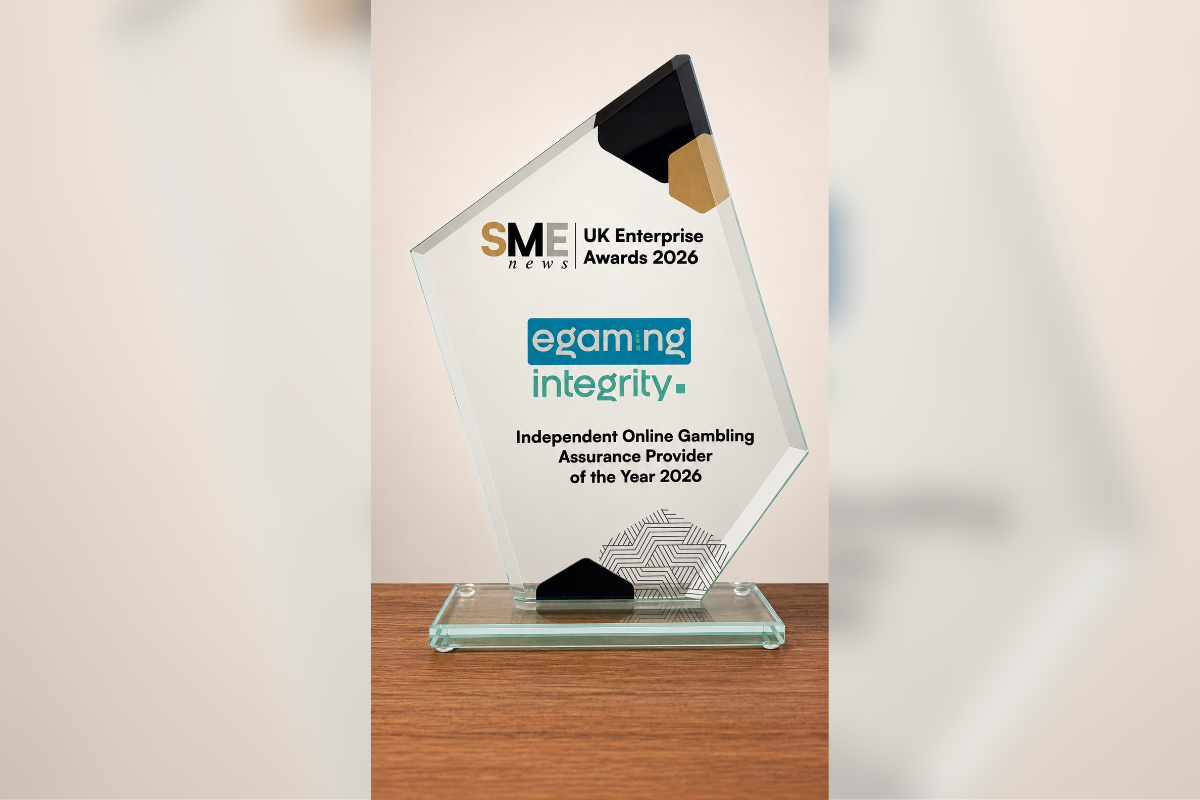
eGaming Integrity has been named Independent Online Gambling Assurance Provider of the Year 2026 at the UK Enterprise Awards, organised by SME News. The company is based in the Isle of Man and works with operators in regulated online gambling markets.
According to the company, the award recognises its assurance work aimed at helping gambling operators evaluate whether their compliance processes are prepared for regulated market requirements, as regulatory expectations increase around compliance standards and customer protection.
eGaming Integrity said its internal audit reviews assess how gambling businesses operate in practice, including whether procedures and controls meet standards expected by regulators. The company added that the process is designed to help operators identify where controls are effective and where improvements may be needed before issues emerge.
Emma Shilling, Director at eGaming Integrity, said,
“This award recognises the reason eGaming Integrity was created. Responsible operators want to know where they stand before problems appear, and independent assurance provides that outside perspective.
“Our team has seen regulation from both sides, which helps us understand where processes can break down and how operators can make practical improvements.”
Speaking on the accomplishments of the 2026 winners, Laura O’Carroll, Awards Manager, said,
“The announcement of our UK Enterprise Awards is perhaps one of our most anticipated milestones every year, and the 2026 launch is no different. We are truly pleased to deliver our digital magazine and winners list, showcasing such excellence, to our readers again this year. Atop this, to our winners, and from our team to yours, we wish you all a sincere congratulations on your success in this year’s programme.”
The post eGaming Integrity wins SME News UK Enterprise Award for gambling assurance appeared first on EE Gaming | Global iGaming & Tech Intelligence Hub.
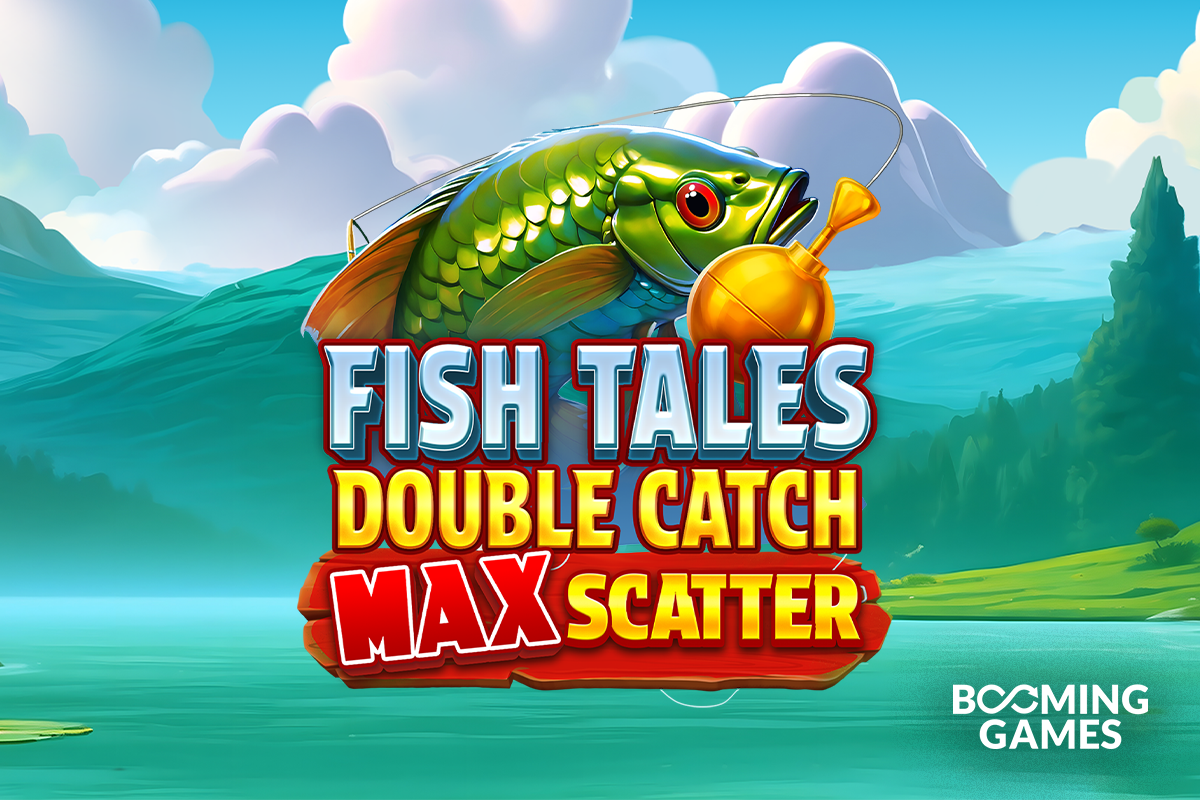
Booming Games has launched Tasty Bonanza Max Scatter, a new online slot released on 16 July 2026 from the supplier’s Malta base. The title is the second game in its Max Scatter series and uses a 6×4 grid with Scatter Pays, cascading wins and a stated maximum win potential of 15,000x.
The game pays when eight or more of the same symbol land. Winning symbols are removed and remaining symbols cascade down, with new symbols dropping in until no further wins are formed.
Free Spins are triggered by landing four or more Scatter symbols, including Scatters and Max Scatters, awarding 10 Free Spins. During the bonus, Random Multipliers can appear with values from 2x to 100x and remain active until the cascade sequence ends, after which multiplier values are combined and applied to the total win. Three or more Scatter symbols during Free Spins add five additional spins, while the feature ends if the max win is awarded.
Booming Games also includes Bonus Buy options priced at 100x the bet amount and a “Super Buy Bonus” at 500x, which the company says offers multipliers from 15x to 100x. A BOOST+ option increases the bet by 25% and increases the chance of triggering bonus features.
Craig Asling, Director of Games at Booming Games, said: “Tasty Bonanza Max Scatter is a great example of how we’re innovating within one of our top performing franchises. By adding exciting new Max Scatter mechanics to one of our most popular slots, we are confident the game will appeal to players looking for top-quality entertainment and high-stakes gameplay.”
The post Booming Games launches Tasty Bonanza Max Scatter slot appeared first on EE Gaming | Global iGaming & Tech Intelligence Hub.

Gaming Realms has launched its Slingo portfolio in Switzerland with Swiss4Win.ch, the online casino brand of Casinò Lugano, on 16th July 2026.
The supplier said the agreement is its second operator launch in the Swiss market and extends distribution of its content library through Playtech’s platform.
Swiss4Win.ch players now have access to a selection of titles including Slingo Sweet Bonanza, Slingo Xxxtreme and Slingo Gold Cash.
Mariachiara Lagravinese, Regional Account Manager at Gaming Realms, said: “Building on our recent debut in Switzerland, this partnership with Swiss4Win.ch will see us reach an even greater audience in the country where our unique content has been popular with local players.
“Switzerland represents an attractive market for us and this launch with a reputable local operator sees us strengthen our foothold in the region.”
Paolo Sanvido, CEO of Casinò Lugano, said: “We’re committed to offering our players a diverse portfolio of premium gaming content, and Gaming Realms’ Slingo titles bring something truly unique to our casino lobby. We’re excited to introduce these games to our customers and further strengthen our entertainment offering with engaging and innovative experiences.”
The post Gaming Realms launches Slingo games with Swiss4Win in Switzerland appeared first on EE Gaming | Global iGaming & Tech Intelligence Hub.

-

 Compliance Updates6 days ago
Arizona Department of Gaming Issues Cease-and-Desist Orders to Multiple Operators Linked to Underage Gambling and Illegal Activity
-
 Compliance Updates6 days ago
KONAMI GROUP’s Konami Gaming Inc. First to Submit Manufacturer License Application in Japan’s Emerging IR Market
-
Latest News7 days ago
PG Soft appoints Hugo Baungartner as General Manager LatAm
-
Latest News7 days ago
PG Soft names Hugo Baungartner as General Manager LatAm
-
Latest News6 days ago
Enjoy Gaming Builds on Slot success with Diamond Slam: Xtra Power
-
Latest News6 days ago
Weekend Reels | Week 28: Slot Drops & Trends
-
Compliance Updates6 days ago
Spillemyndigheden Publishes Report on Illegal Gambling
-
Canada6 days ago
High 5 Games Expands Across Alberta’s Open iGaming Market Following AGLC Supplier Approval