Connect with us

BIS

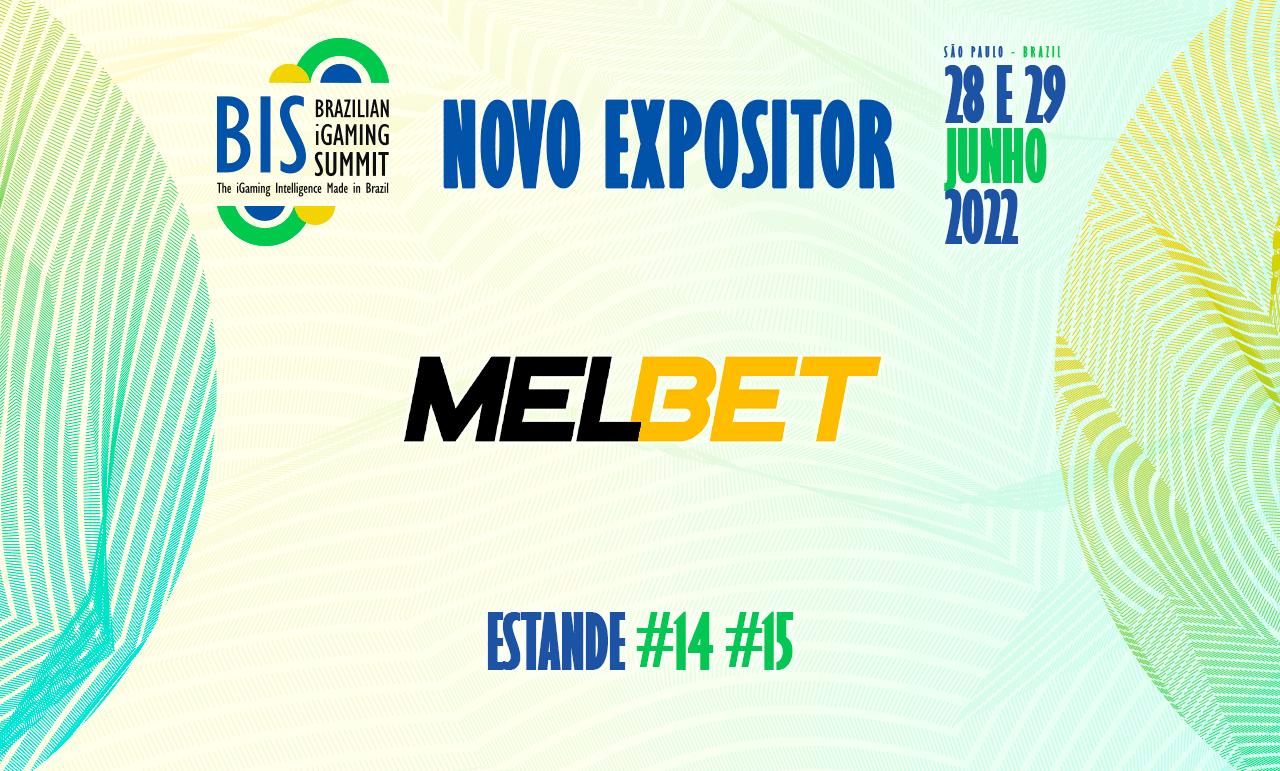
Melbet announces its participation in the Brazilian iGaming Summit 2022

Published

on


The Brazilian iGaming Summit (BiS) promises to be the biggest event of the year in the sector and repeat the success of last year, when, in the midst of the pandemic, it managed to bring together the biggest names on the national and Latin American scene. Players and companies, as well as affiliates, all together at BIS, will make this an unforgettable event for those who will participate. A unique opportunity to do great business, national and international contacts, expose your brand and discuss the legislation that worries players in the gaming industry in Brazil.

The long-awaited approval is awaited, and there is no better place to meet and talk about it than São Paulo, the business capital of Latin America. Bringing together once again large companies in the sports betting, bingos and casinos sector, in the heart of the city, at Espaço Boulevard JK, in Itaim Bibi.

Many companies have already confirmed their presence, thinking about the positive results that will come out of these two days of lectures, exhibitions and networking.
One of them, Melbet, is already among the exhibitors, having acquired a stand for the days of the event. Dominik Jhonson, CEO of the company, said: “BiS provides the perfect opportunity to learn more about the latest and greatest in the iGaming industry and connect with others in the same niche. It is also an opportunity for attendees to learn from thousands of professionals in the gaming industry today and take advantage of all that the gaming industry has to offer.” opportunity to advance in business operations.”

A truly amazing event for those who will be present is the traditional and famous Brazilian iGaming Awards, a celebration that honors, honors and rewards the brands and professionals that stood out throughout the year with recognitions given by the organization of BiS, the result of online voting by the members of the industry.

The award ceremony takes place at the end of the first day of the event, that is, June 28, at the same space on Boulevard JK, in São Paulo.

Powered by WPeMatico

Continue Reading
Advertisement

BIS

Legality of Brazil’s betting platforms to be a central theme at BiS Brasília

Published

on

legality-of-brazil’s-betting-platforms-to-be-a-central-theme-at-bis-brasilia

Betting sector moves forward amid regulatory debate and reinforces the need for clear rules and a safe environment in Brazil

The advancement of sports betting regulation in Brazil has placed the sector at the center of important discussions regarding legal certainty, tax revenue, and economic development.

Amid recent debates over possible market restrictions, the postponement of new projects such as the launch of Caixa Econômica Federal’s betting platform, and the ban on prediction markets, specialists continue to emphasize the importance of consolidating a regulated, transparent, and sustainable environment for the industry.

More than just a trend, the legalized betting market is increasingly being viewed as a strategic opportunity for the country, with the potential to generate jobs, attract international investment, and significantly boost public revenue.

Regulation is also seen as an essential path toward ensuring consumer protection and combating informality.

In this context, BiS Brasília, confirmed to take place on June 2 and 3, positions itself as the leading discussion forum for the sector in Latin America.

The event will bring together authorities, operators, regulators, and experts to debate the future of the industry at what is considered a decisive moment for its consolidation in Brazil.

It is not simply about allowing or banning betting, but about how to structure a responsible market that creates value for the entire chain—from operators to consumers—while remaining under effective public oversight,” said Alessandro Valente, chairman of BiS Brasília.

Legality brings predictability, attracts serious companies, and creates more effective control and enforcement mechanisms.”

Another key point is the role of regulation in promoting responsible gaming. With clear rules in place, it becomes possible to implement stronger policies to prevent risky behavior, while also ensuring greater transparency in operations.

Brazil has the opportunity to build one of the most relevant regulated markets in the world. Events such as BiS are essential to align expectations, share international best practices, and accelerate this process responsibly,” he added.

Held in Brasília, the center of the country’s main political and economic decisions, the meeting reinforces its strategic role by bringing together the different stakeholders involved in shaping this new scenario.

Expectations are that this edition will go down in history as a milestone in the maturing debate over the legality of betting in Brazil.

BiS Brasília

Now in its second edition, BiS Brasília is an iGaming and betting industry event dedicated to fostering dialogue between the private sector, government authorities, and society on the development of the regulated gaming, casino, and lottery market in Brazil.

Held in the federal capital, the event gathers business leaders, authorities, and experts to discuss strategic topics such as regulation, integrity, innovation, taxation, and responsible gaming.

BiS SiGMA South America is part of the SiGMA World group’s portfolio of events, a global leading brand in organizing B2B events and a business platform for the gaming and betting ecosystem worldwide.

The post Legality of Brazil’s betting platforms to be a central theme at BiS Brasília appeared first on Americas iGaming & Sports Betting News.
Continue Reading

ANJL

Brasil avanza contra el fraude deportivo y redirige recursos de apuestas a la seguridad pública

Published

on

brasil-avanza-contra-el-fraude-deportivo-y-redirige-recursos-de-apuestas-a-la-seguridad-publica

El escenario de las apuestas deportivas y el iGaming en Brasil atraviesa un periodo de maduración acelerada, donde la agenda de integridad y la arquitectura fiscal asumen el protagonismo en las discusiones entre el sector privado y el poder público.

A lo largo de la última semana, una serie de medidas regulatorias, alianzas institucionales y movimientos de mercado consolidaron la percepción de que la industria de juegos no es solo un nicho de entretenimiento, sino un pilar estratégico para el desarrollo económico y la seguridad institucional del país.

Desde la creación de herramientas educativas para atletas hasta la destinación de ingresos para la Policía Federal, el ecosistema brasileño está siendo rediseñado para cumplir con estándares de cumplimiento internacionales, al mismo tiempo que lidia con las complejidades inherentes a un mercado de proporciones continentales.

El ministerio del deporte y la ANJL transforman una iniciativa privada en política nacional de integridad

La agenda de integridad deportiva en Brasil dio un paso determinante con el lanzamiento de una plataforma educativa centrada en la prevención de la manipulación de resultados.

El proyecto, presentado durante el SIGMA South America, es fruto de una colaboración entre el ministerio del deporte y la ANJL, con el soporte técnico de Sportradar.

La herramienta representa la escala nacional de una iniciativa pionera del grupo Esportes Gaming Brasil, propietario de la marca Esportes da Sorte, que ya aplicaba el modelo en clubes patrocinados.

El secretario nacional de apuestas deportivas y de desarrollo económico del deporte, Giovanni Rocco, destacó que la plataforma es el eje central de la nueva política nacional de integridad.

Para el secretario, entregar conocimiento técnico a los atletas es una medida preventiva esencial para evitar que los profesionales se conviertan en agentes criminales por desconocimiento.

Rocco afirmó que el papel de los atletas es garantizar la competitividad, y el gobierno está listo para aplicar castigos severos si se violan las normas.

El CEO del grupo Esportes Gaming Brasil, Darwin Filho, participó en la ceremonia y reforzó que la integridad se construye a través de la educación activa.

El grupo fue el principal impulsor de la transición de este modelo al ámbito público, tras probar la eficacia de los entrenamientos en equipos como Corinthians, Ceará y Náutico.

Filho cree que la prevención es el camino más eficaz para proteger las competiciones y elevar la capacidad de respuesta de los atletas ante propuestas ilícitas.

Para el presidente de la ANJL, Plínio Lemos Jorge, la transparencia es la base del juego responsable y un requisito para las operadoras profesionales que actúan bajo la ley.

Jorge resaltó que muchas de estas empresas tienen acciones en bolsas de valores y dependen de la credibilidad del deporte para mantener su sostenibilidad.

La alianza con el poder público garantiza que el mercado brasileño se alinee con las mejores prácticas de países con regulaciones maduras, como Inglaterra e Italia.

La plataforma, desarrollada por Sportradar, consiste en un programa en línea que estará disponible para todos los clubes y atletas del país a partir de mayo.

El director de integridad de Sportradar LATAM, Felippe Marchetti, explicó que los módulos pedagógicos abordan desde la escala del problema hasta las formas de protección.

Además de educar a los profesionales, la herramienta contribuirá a la calificación de las fuerzas policiales brasileñas en la interpretación de informes técnicos de monitoreo.

Brasil redirecciona una parte de la recaudación de apuestas hacia la Policía Federal

La arquitectura fiscal del iGaming en Brasil sufrió una alteración estructural significativa con la edición de la Medida provisional nº 1.348 por parte del presidente de la República.

La nueva norma establece el redireccionamiento de parte de la recaudación de las apuestas de cuota fija hacia el fondo para equipamiento y operacionalización de las actividades finales de la Policía Federal (FUNAPOL).

Este cambio altera artículos de la ley de apuestas y de la ley complementaria nº 89 de 1997, consolidando al sector como un financiador directo de la seguridad pública federal.

El movimiento es estratégico, ya que no representa la creación de una nueva carga tributaria para las operadoras, sino una reiteración del destino de los recursos que ya estaban previstos para ser escalonados en los próximos años.

Para el sector privado, el aspecto más positivo de la medida es el mantenimiento de la neutralidad fiscal inmediata.

El redireccionamiento del 3% de reajuste escalonado, que originalmente sería destinado a la seguridad social y a la salud general, ahora pasará a costear el auxilio de salud y actividades operativas extraordinarias de los servidores de la Policía Federal, la Policía Rodoviaria Federal y la Policía Penal Federal.

La implementación de esta nueva estructura será gradual, buscando preservar la liquidez y evitar choques financieros en el agente operador y en las plataformas licenciadas.

En el ciclo de 2026, el FUNAPOL recibirá el 1% de la recaudación, porcentaje que subirá al 2% en 2027 hasta alcanzar el techo definitivo del 3% a partir de 2028.

Como la recaudación de las apuestas en el mercado regulado aún está en proceso de estabilización, el gobierno federal autorizó un aporte anticipado de hasta R$ 200 millones del Tesoro Nacional para el FUNAPOL en 2026.

Este aporte funciona como una anticipación financiera que señala la confianza del poder ejecutivo en el desempeño recaudatorio de la industria de juegos en los próximos años.

Analíticamente, esta decisión crea un blindaje institucional importante para el sector.

Al convertirse en un pilar de sustentación para la seguridad pública, la industria de apuestas gana legitimidad y se convierte en un objetivo más difícil para los ataques prohibicionistas, ya que sus ingresos pasan a costear servicios esenciales para el Estado.

Por otro lado, el mercado debe permanecer atento a los márgenes de operación, ya que la parte destinada al mantenimiento del sistema se reducirá para acomodar el traspaso al fondo policial.

Gobierno federal crea una política nacional para combatir fraudes y manipulación en el deporte

En paralelo a las iniciativas educativas, el gobierno federal formalizó la Política nacional de prevención y enfrentamiento a la manipulación de resultados deportivos (PNPEMR) a través de una resolución interministerial.

Firmada por los ministerios del Deporte, de Hacienda y de Justicia y Seguridad Pública, la nueva norma establece directrices rígidas para monitorear, prevenir y reprimir fraudes que puedan comprometer la imprevisibilidad de las competiciones.

La política se estructura en cuatro ejes operativos: reglamentación, prevención, monitoreo y fiscalización, y represión, buscando preservar el mérito deportivo y la ética competitiva como valores innegociables.

Dentro de esta nueva política, los roles institucionales han sido claramente definidos.

El Ministerio del Deporte asume la coordinación general de las acciones, mientras que el Ministerio de Hacienda mantiene la responsabilidad por la regulación y fiscalización financiera del mercado de apuestas.

El Ministerio de Justicia y Seguridad Pública actuará en la articulación directa de las fuerzas policiales para la conducción de investigaciones criminales.

La Policía Federal tendrá un papel central en la investigación de crímenes con repercusión interestatal o internacional, con un enfoque especial en el monitoreo de movimientos financieros sospechosos que puedan estar ligados a redes transnacionales de manipulación.

La política también prevé la creación de mecanismos de denuncia con protección de identidad, incentivando que los profesionales del sector reporten actividades ilícitas sin miedo a represalias.

Barrichello abre el SIGMA South America en un momento de expansión regulatoria

El dinamismo del mercado brasileño fue evidenciado durante la apertura del SIGMA South America 2026 en São Paulo, uno de los mayores eventos globales del sector.

El ex piloto de Fórmula 1 Rubens Barrichello, hoy director no ejecutivo de Softswiss, fue el responsable de la ceremonia de apertura, destacando la rápida transformación de la industria de apuestas en el país impulsada por la convergencia entre deporte, tecnología y entretenimiento.

Barrichello utilizó su experiencia en el automovilismo para hacer una analogía sobre la gestión del iGaming, afirmando que la tecnología debe ir acompañada de un control riguroso de seguridad, comparando la potencia de las plataformas con la potencia de un coche de carreras que exige equilibrio entre el equipo y la integridad del conductor.

El evento reunió a nombres de peso del fútbol, como Júlio César, Zinho, Diego Lugano y Aloísio Chulapa, reforzando el papel central de la modalidad como el principal motor de participación del sector.

La presencia de atletas de alto perfil ayuda a acercar la industria al público general, desmitificando el segmento y fortaleciendo su conexión con la pasión nacional.

Durante los debates, el enfoque regulatorio dominó la atención, con paneles discutiendo los desafíos de la tributación, el combate al mercado ilegal y el mantenimiento de la competitividad de las operadoras licenciadas ante las nuevas reglas.

Eman Pulis, fundador del SIGMA Group, enfatizó que el objetivo de la organización hasta 2030 es ser la fuente más confiable para los jugadores, actuando como un escudo para los operadores que cumplen las reglas.

Para los expertos presentes, aunque Brasil ha avanzado significativamente en la creación de un ambiente regulado, el éxito continuo del mercado dependerá de la capacidad de las autoridades y del sector privado para superar obstáculos como la alta carga tributaria y la persistencia de plataformas no licenciadas.

El diálogo entre formuladores de políticas públicas y ejecutivos durante el SIGMA mostró que la colaboración mutua es el único camino para sostener el crecimiento sostenible del sector en los próximos años.

Optimove adquiere Smartico en un movimiento estratégico para consolidar el CRM y la gamificación

En el plano internacional de tecnología aplicada al iGaming, Optimove anunció la adquisición de Smartico, empresa pionera en la combinación de CRM y gamificación.

El acuerdo prevé que ambas marcas continuarán operando de forma independiente, manteniendo a sus fundadores, equipos y hojas de ruta de productos autónomos.

Esta estrategia de independencia operativa es vista como un movimiento para preservar la innovación orgánica y el espíritu emprendedor que llevaron a Smartico a destacarse como un competidor notable en el mercado de retención de jugadores.

Pini Yakuel, CEO y fundador de Optimove, expresó su admiración por la forma en que Smartico construyó su negocio sin capital externo y cómo fue la primera en integrar la gamificación al marketing de crm de manera eficaz.

Para Optimove, la adquisición es una forma de apoyar un enfoque original que los operadores de iGaming adoptaron ampliamente.

Mientras que Optimove basa su estrategia en el análisis de datos avanzado y agentes de decisión basados en inteligencia artificial, Smartico aporta el diferencial de la gamificación directa en el viaje del jugador, ahora potenciada por la integración de ia generativa en toda su plataforma.

El mercado global de apuestas online, proyectado para duplicar su tamaño hasta 2033, alcanzando la marca de US$ 185 mil millones, exige herramientas de participación cada vez más sofisticadas.

Arman Gal, CEO y cofundador de Smartico, destacó que la unión con Optimove ocurre en un momento crucial para la industria, donde la complejidad regulatoria en regiones como América Latina y Europa exige plataformas de CRM confiables e innovadoras.

La competencia entre las dos unidades de negocio dentro del mismo grupo es vista como una dinámica intencional que promete entregar mejores resultados para los operadores, impulsando la evolución tecnológica del sector de retención de usuarios.

Los brasileños gastaron casi R$ 2,5 mil millones en Las Vegas en el año 2024

Un relevamiento exclusivo obtenido por el portal BNLData ante la autoridad de convenciones y visitantes de Las Vegas (LVCVA) reveló el impacto económico y el comportamiento del turista brasileño en la capital mundial del entretenimiento.

En 2024, Brasil registró 138.200 turistas en la ciudad estadounidense, ocupando la séptima posición entre los principales mercados emisores de visitantes.

Más impresionante que el volumen de personas es el nivel de gastos: los turistas brasileños dejaron aproximadamente R$ 2,5 mil millones en la economía local, con un gasto promedio por viaje de US$ 3.351.

Este valor sitúa a Brasil en la tercera posición global en gastos promedio por turista, siendo superado solo por Australia e India, y quedando por delante de mercados maduros como Canadá, México, Alemania y el Reino Unido.

El informe detalla que el 48,7% de los visitantes brasileños apostaron en casinos o participaron en juegos durante su estancia en Nevada, un dato irónico considerando que los casinos físicos permanecen prohibidos en Brasil desde 1946.

Este comportamiento sugiere una familiaridad y una demanda natural del público brasileño por experiencias de juego en ambientes regulados y de alta calidad.

El perfil promedio del turista brasileño en Las Vegas es el de una persona de aproximadamente 40 años, con ingresos familiares anuales de US$ 44.456, que planea su viaje con más de cuatro meses de antelación.

La mayoría viaja motivada por el ocio y las vacaciones, permaneciendo en promedio seis noches en la ciudad.

El consumo es diversificado, con gastos significativos en alojamiento, compras y alimentación, además del entretenimiento.

La preferencia por vuelos directos y horarios convenientes también fue destacada como factor determinante en la elección del viaje.

Estos datos ofrecen una perspectiva valiosa para los nuevos operadores del mercado regulado brasileño, demostrando que existe un público de alto valor, educado para el consumo de juegos y ansioso por opciones de entretenimiento sofisticadas dentro del territorio nacional.

The post Brasil avanza contra el fraude deportivo y redirige recursos de apuestas a la seguridad pública appeared first on Americas iGaming & Sports Betting News.

Continue Reading

Betnacional

Operational Leadership and the Driving Force Behind LatAm’s Largest Event

Published

on

operational-leadership-and-the-driving-force-behind-latam’s-largest-event

The iGaming market in Brazil has ceased to be a “promise” and has become an operational, regulatory, and economic reality on a global scale.

As the first quarter of 2026 closes, the country is not only preparing for the world’s largest international football tournament, but also consolidating an institutional framework aimed at balancing the industry’s explosive growth with the integrity of the financial and democratic systems.

This weekly summary compiles and analyzes the most critical developments of the week, connecting the business infrastructure in São Paulo with constitutional debates in Brasília and the technological innovations reshaping the user experience.

São Paulo as a Regional Epicenter: The Infrastructure and Business Phenomenon of BiS SiGMA South America

To understand the scale of the Brazilian market, it is essential to look at São Paulo.

The metropolis has established itself as the undisputed capital of executive events in Latin America, a title supported by operational scale, robust infrastructure, and a unique ability to attract highly qualified business audiences.

According to São Paulo’s MICE calendar data, the city closed 2025 with more than 8,700 registered events, ranging from technical congresses to major industrial trade shows.

At the same time, the city has strengthened its position as Brazil’s main gateway for international tourism, recording 2.5 million international visitors in 2025, according to figures cited by the São Paulo City Hall based on Embratur data.

This favorable environment—combining air connectivity, a strong hotel network, cutting-edge convention centers, and a hyperactive business ecosystem—creates ideal conditions for high-level events to thrive.

It is within this context of operational maturity that the city hosts, from April 6 to 9, 2026, at the Transamerica Expo Center, the sixth edition of BiS SiGMA South America.

Considered the largest and most traditional gathering in the iGaming universe in Latin America, BiS SiGMA South America is part of the global SiGMA Group portfolio.

For the 2026 edition, expectations include 18,500 attendees, more than 400 exhibitors and sponsors, and a content program featuring over 250 speakers.

Alessandro Valente, one of the event’s founders and a key figure in structuring a qualified discussion space for the sector in Brazil, commented on the city’s strategic importance:

São Paulo has a unique DNA for executive events: it is where decisions are made, where networking happens with purpose, and where Brazil meets the world.”

Hosting the sixth edition of BiS SiGMA South America in this city reinforces its leadership and confirms the sector’s maturity, which now demands technical dialogue, international connections, and a business environment that matches its growth.

Impact on Market Professionalization

Beyond the trade show, the event offers a robust program of panels, workshops, and awards, addressing critical topics such as innovation, operations, market trends, and best practices.

This structure actively contributes to the evolution and professionalization of the ecosystem, consolidating São Paulo as the natural stage for meetings that drive the country’s economy and executive agenda.

The scale of the 2026 event is a direct testament to how the “technical dialogue” mentioned by Valente has become a priority for operators, regulators, and investors.

The Political-Constitutional Front: Shielding or Revenue? The Debate Around the Security PEC

While São Paulo handles business operations, Brasília is the stage for a crucial battle over legal certainty and the sector’s long-term legitimacy.

Online betting companies assess that the inclusion of bets in the Security PEC (Proposed Constitutional Amendment), approved in early March by the Chamber of Deputies, represents an ambiguous yet fundamental step: it legitimizes and protects the sector, but at a high transactional cost.

The Perspective of Associations and the Regulated Sector

The PEC text does not directly increase taxes paid by the sector but establishes a constitutional allocation: 30% of betting revenue must be directed to the National Public Security Fund (FNSP).

It also includes provisions that recovered, seized, or confiscated assets from illegal betting operations will contribute to this fund.

For industry representatives, mentioning betting in the Constitution makes future attempts to render it illegal more difficult.

The ANJL (National Association of Games and Lotteries) considers the constitutional inclusion “a very important fact to be observed in the PEC,” stating that it makes the legitimacy of the regulated sector clearer and reinforces the need to combat the illegal market.

Similarly, the IBJR (Brazilian Institute of Responsible Gaming) stated that “the presence of the sector in the constitutional text certainly strengthens the legitimacy of formal operators,” considering the new text positive if supported by Parliament and the legal community.

Even the ABFS (Brazilian Association of Bets and Fantasy Sports), while not addressing the constitutional inclusion directly, expressed support for the PEC, viewing it as a relevant measure in combating organized crime.

Dissenting Voices: The Question of Effective Legal Certainty

However, there is no consensus that this constitutional mention guarantees absolute legal certainty. Congressman Mendonça Filho (União-PE) argues that there is nothing to celebrate, stating that the mention does not guarantee legal certainty per se:

The formalization of the betting sector in Brazil occurred through an ordinary law, which recognizes the allocation of resources. If an ordinary law were to prohibit betting operations in Brazil, even with a constitutional allocation, that allocation would become ineffective, because revenue only exists if legality exists.

This technical view highlights the fragility of a model dependent on both constitutional amendments and ordinary legislation, as well as ministerial ordinances (SPA).

The PEC rapporteur rejected both government proposals to increase tax revenue and industry requests to include a clause preventing future tax increases, arguing that tax rates do not belong in the Constitution.

The Risk of Future Taxation

The absence of a cap on potential future tax increases was seen as a setback for the sector, according to lawyer Pietro Lorenzoni from ANJL’s legal team.

From an academic perspective, constitutional law professor Marina Faraco of PUC-SP stated that the inclusion “may provide an additional argument for the sector, but not eternal protection.

She noted that making the activity illegal would require constitutional amendment, which increases legal difficulty but does not eliminate risk.

As a constitutional amendment, the proposal cannot be vetoed by the President.

Judicial Context: The Challenge from Paulo Gonet

While the proposal advances in Congress, the very existence of betting remains under judicial scrutiny. At the end of last year, Attorney General Paulo Gonet reiterated before the Supreme Federal Court (STF) a request to suspend the laws authorizing betting operations.

The IBJR dismissed the challenge, citing the regulatory framework built over the past two years as sufficient to validate the sector’s legality.

This regulatory framework has been the sector’s main defense. The federal government supported regulation to increase tax revenue.

In December, Congress approved a gradual increase in the tax rate on gross gaming revenue (GGR), rising from 12% to 13% in 2026, 14% in 2027, and 15% in 2028.

A Tactical Lobby Victory: The Anti-Faction Bill

The industry secured a significant victory during the vote on the Anti-Faction Bill in the Chamber at the end of February. The original proposal included an additional 15% tax on transfers from individuals to betting platforms.

However, the largest parliamentary bloc requested a separate vote on this provision, which was ultimately removed.

This demonstrates the sector’s political influence in blocking burdensome fiscal measures in the short term.

Operational Integrity and Enforcement: The Battle Against Piracy and the Illegal Market

The success of Brazil’s regulated market depends directly on the State’s ability to suppress illegal supply. This issue was central to discussions at the Chamber’s External Commission on Piracy and the “Legal Brazil” agenda.

Anatel’s Role in Site Blocking

Gianluca Rangearo Fiorentini, enforcement manager at Anatel, explained the agency’s role in blocking illegal betting websites, emphasizing the need to remove unauthorized operators for the regulatory framework to function effectively.

He outlined technical cooperation agreements with the Ministry of Finance but clarified that Anatel cannot independently remove content. Instead, it forwards blocking requests to telecom providers, which control the networks.

The “Legal Brazil” Approach

Anatel’s anti-piracy efforts, led by councilor Edson Holanda, focus on rapid response mechanisms.

Through technical cooperation agreements, the agency aims to “suffocate” illegal supply, ensuring that licensed operators—who paid R$30 million for licenses and contribute to the FNSP—can operate in a fair market.

Democratic Integrity: TSE and the Ethical Limits of Electoral Betting

While the sector seeks legal protection, electoral authorities impose strict limits to safeguard democratic integrity.

The Superior Electoral Court (TSE) reaffirmed the prohibition of betting on election outcomes, based on Article 334 of the Electoral Code.

The rule aims to prevent financial incentives from influencing voter behavior and to ensure transparent elections.

This decision impacts prediction market platforms globally. Brazilian operators such as Prévias, Palpitada, and Futuriza are prohibited from offering electoral betting.

Even international partnerships, such as Kalshi with XP, restrict offerings to economic indicators, excluding electoral and sports events.

Marketing and Audience: The New Era of Creators and Football Passion

With the 2026 World Cup approaching, marketing strategies are undergoing structural change. Betnacional, part of Flutter Brazil, announced its creator squad for the tournament, featuring prominent digital personalities.

This reflects a shift in consumer behavior. According to a 2026 study by Monks Brasil, 77% of Brazilians consider football central to national identity, and 55% find fan-generated content more engaging than traditional advertising.

Executives at Flutter Brazil emphasized that integrating creators enables more authentic engagement and deeper participation in existing fan conversations.

In 2026, iGaming marketing in Brazil is no longer about banner volume, but about organic conversion and cultural authority within digital communities.

Regional Technological Outlook: U.S. Innovation as a Blueprint for Brazil

While Brazil refines its operational and marketing strategies, global markets point to the next technological phase.

In North America, Sportradar expanded its partnership with Hard Rock BetHard Rock, integrating official data from the PGA TOUR and UFC.

This enables highly dynamic in-play betting markets, enhanced by advanced visualizations such as 3D shot tracking and real-time performance analytics.

Executives from both companies highlighted how these integrations enhance user engagement and create more personalized betting experiences.

As Brazil’s market matures in 2026, high-fidelity data integration, 3D tracking, and ultra-specific micro-markets are expected to become key competitive differentiators for licensed operators—topics likely to dominate discussions at BiS SiGMA 2026.

The post Operational Leadership and the Driving Force Behind LatAm’s Largest Event appeared first on Americas iGaming & Sports Betting News.

Continue Reading

Trending

Get it on Google Play

Fresh slot games releases by the top brands of the industry. We provide you with the latest news straight from the entertainment industries.

The platform also hosts industry-relevant webinars, and provides detailed reports, making it a one-stop resource for anyone seeking information about operators, suppliers, regulators, and professional services in the European gaming market. The portal's primary goal is to keep its extensive reader base updated on the latest happenings, trends, and developments within the gaming and gambling sector, with an emphasis on the European market while also covering pertinent global news. It's an indispensable resource for gaming professionals, operators, and enthusiasts alike.

Contact us: [email protected]

Editorial / PR Submissions: [email protected]

Copyright © 2015 - 2024 - Recent Slot Releases is part of HIPTHER Agency. Registered in Romania under Proshirt SRL, Company number: 2134306, EU VAT ID: RO21343605. Office address: Blvd. 1 Decembrie 1918 nr.5, Targu Mures, Romania