Latest News
Pronet Gaming warms up offering with new branded Live Roulette


LiveGames title features powerful marketing options and a heat map
Platform specialist Pronet Gaming has added to its portfolio of casino products with the launch of the innovative Live Roulette from LiveGames.
The new mobile-first live dealer title comes with a green screen feature that allows for unique operator branding on each table. Packed with features, portrait-oriented Live Roulette includes a gradated heat map allowing players to follow which numbers have been bet on most during the playing session.
The game also boasts new statistical features that enable players to track the action through results up to 500 rounds, heat zones, the number of players who have bet in a session and the general percentage statistics of sections and outside bets. There is also a chat option to communicate with fellow players and the dealer, plus a favourite bets option to allow for easier bet placement and auto play.
LiveGames is a next generation B2B live casino platform featuring market-specific online live dealer games and branded dedicated tables. Its omni-channel retail powers land-based estates connecting to any online operation, ensuring full customisation, and it has recently expanded commercial operations to include African, Asian and LatAm markets.
The innovative new title will be available to Pronet Gaming’s operator partners globally, further enhancing its comprehensive range of casino content.
Avi Ortas, CEO at LiveGames, said: “Our new branded Live Roulette game includes a set of unique features that no other live roulette table has in the industry. It is entertaining for the player and very useful for the operator from a marketing perspective.
“Pronet Gaming is a highly valued partner of ours and its global reach continues to allow us to get our games in front of as many eyes as possible.”
Bobby Longhurst, Chief Commercial Officer at Pronet Gaming, said: “Live Roulette is packed with innovative, useful new features which add together to make a highly engaging and entertaining product. The attractive branding options that are built in for operators only add to the appeal.
“Having worked with them for five years now, we know that LiveGames produces games that resonate with operators across our key markets. We are confident that this latest title will again hit the mark with partners and players alike.”
Powered by WPeMatico


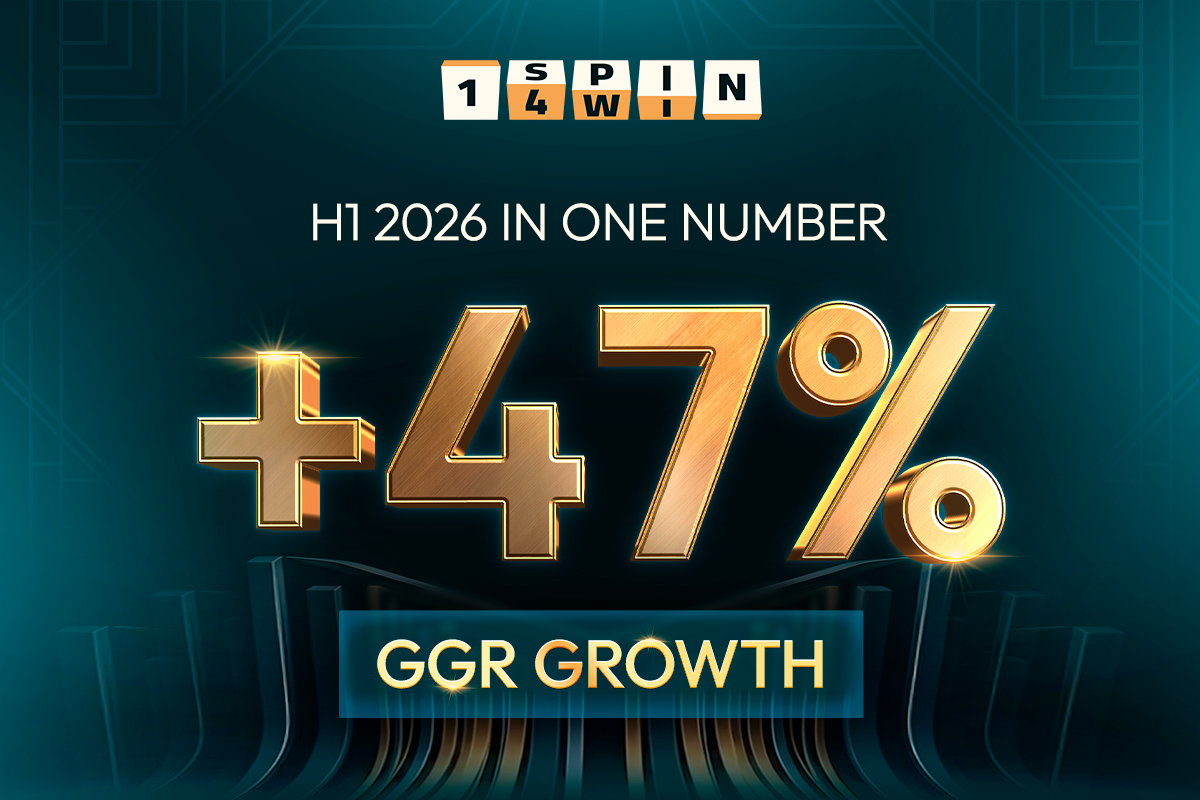
1spin4win, an established classic online slot provider, closes the first half of the year by revealing key performance results and the most significant milestones.
The first six months of 2026 have marked a period of strong growth for the studio. Compared to H1 2025, 1spin4win recorded a 47% increase in GGR, while bet count rose by 46.66%.
The provider also saw a significant increase in player activity. In H1 2026, player count surged by 59.06%, and new player count jumped by 50.15% compared to the first half of last year. These numbers reflect 1spin4win’s ability to keep global audiences engaged through new mechanics, regular game releases, and simple gameplay.
Partner growth has also been an important part of this success. Today, 1spin4win works with over 1,000 recognized iGaming brands, including STAKE.MX, 1win, LevelUP, BitStarz, gg.bet, WinSpirit, mBit, Pin-Up, 1xBet, PlayAmo, to name a few. This broad network reinforces the company’s reputation as a trusted provider across international markets.
The latest results also highlighted the success of 1spin4win’s expansion strategy across Latin America and Africa. Both markets remain important directions for the studio, where its mobile-first, easy-to-follow slots resonate perfectly well with local preferences. In H1 2026, compared to H2 2025, the provider’s GGR increased by 45.45% in Africa and 27.68% in LatAm.
This momentum has also been recognized by the wider professional industry. During iGB L!VE, 1spin4win was named Slot Studio of the Year at the inaugural iGaming News Awards, highlighting the studio’s strong slot offering and continued growth.
Olga Hlukhovskaya, Business Development Director at 1spin4win, shared, “We are proud of the results achieved. For us, these numbers are not only about our own success — they show that our games continue to bring value to operators by keeping their audiences active and engaged across different markets. Moving forward, we will continue strengthening this value through regional development, tailored partner support, and high-performing content that stays true to what players enjoy about classic slots.”
About 1spin4win
1spin4win is a fast-growing game provider founded in May 2021 by ambitious developers with over 20 years of experience in the gambling industry. Since its inception, the company has expanded its portfolio to include over 200 classic online slots, all characterized by quality mathematics, transparent mechanics, and well-balanced gameplay — key factors that drive strong player retention. The studio aims to release an average of four new games each month in 2026 and offers effective promotional tools for casino operators to help them enhance player loyalty.
The post 1spin4win achieves strong H1 2026 growth with GGR up 47% year over year appeared first on EE Gaming | Global iGaming & Tech Intelligence Hub.

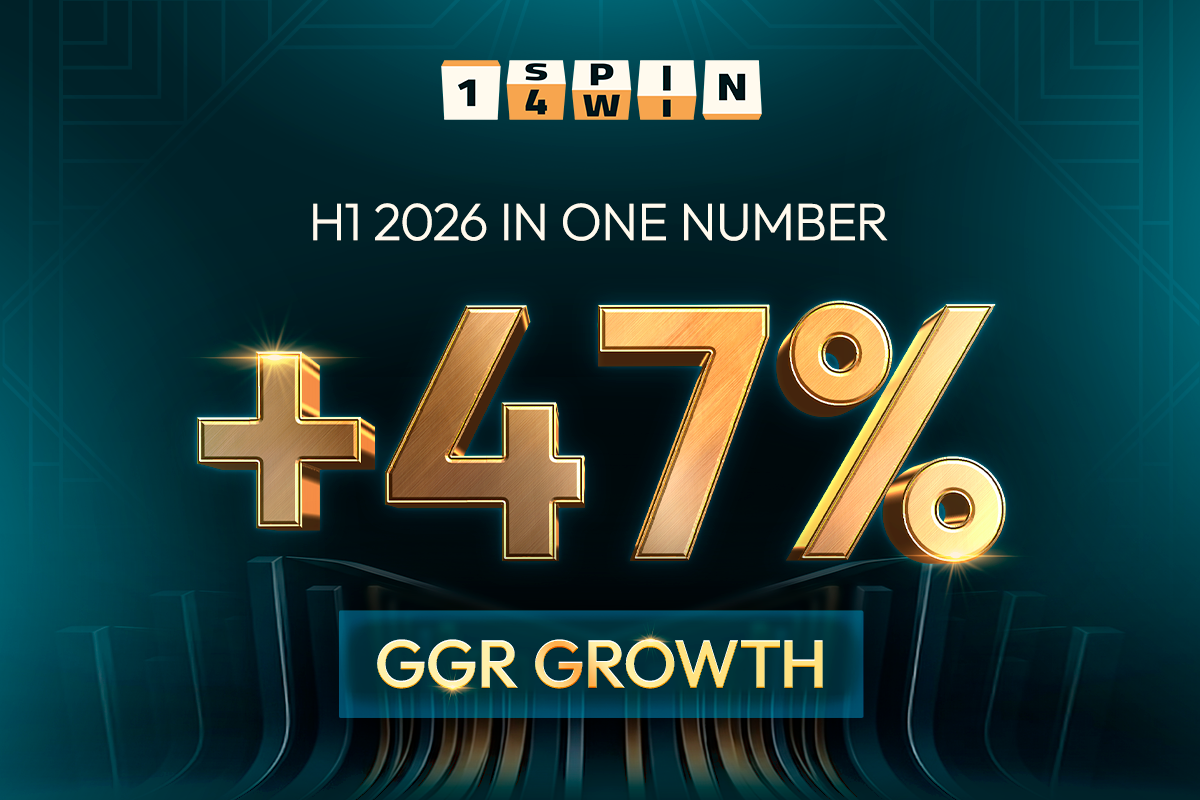
1spin4win, an established classic online slot provider, closes the first half of the year by revealing key performance results and the most significant milestones.
The first six months of 2026 have marked a period of strong growth for the studio. Compared to H1 2025, 1spin4win recorded a 47% increase in GGR, while bet count rose by 46.66%.
The provider also saw a significant increase in player activity. In H1 2026, player count surged by 59.06%, and new player count jumped by 50.15% compared to the first half of last year. These numbers reflect 1spin4win’s ability to keep global audiences engaged through new mechanics, regular game releases, and simple gameplay.
Partner growth has also been an important part of this success. Today, 1spin4win works with over 1,000 recognized iGaming brands, including STAKE.MX, 1win, LevelUP, BitStarz, gg.bet, WinSpirit, mBit, Pin-Up, 1xBet, PlayAmo, to name a few. This broad network reinforces the company’s reputation as a trusted provider across international markets.
The latest results also highlighted the success of 1spin4win’s expansion strategy across Latin America and Africa. Both markets remain important directions for the studio, where its mobile-first, easy-to-follow slots resonate perfectly well with local preferences. In H1 2026, compared to H2 2025, the provider’s GGR increased by 45.45% in Africa and 27.68% in LatAm.
This momentum has also been recognized by the wider professional industry. During iGB L!VE, 1spin4win was named Slot Studio of the Year at the inaugural iGaming News Awards, highlighting the studio’s strong slot offering and continued growth.
Olga Hlukhovskaya, Business Development Director at 1spin4win, shared, “We are proud of the results achieved. For us, these numbers are not only about our own success — they show that our games continue to bring value to operators by keeping their audiences active and engaged across different markets. Moving forward, we will continue strengthening this value through regional development, tailored partner support, and high-performing content that stays true to what players enjoy about classic slots.”
About 1spin4win
1spin4win is a fast-growing game provider founded in May 2021 by ambitious developers with over 20 years of experience in the gambling industry. Since its inception, the company has expanded its portfolio to include over 200 classic online slots, all characterized by quality mathematics, transparent mechanics, and well-balanced gameplay — key factors that drive strong player retention. The studio aims to release an average of four new games each month in 2026 and offers effective promotional tools for casino operators to help them enhance player loyalty.
The post 1spin4win achieves strong H1 2026 growth with GGR up 47% year over year appeared first on Americas iGaming & Sports Betting News.
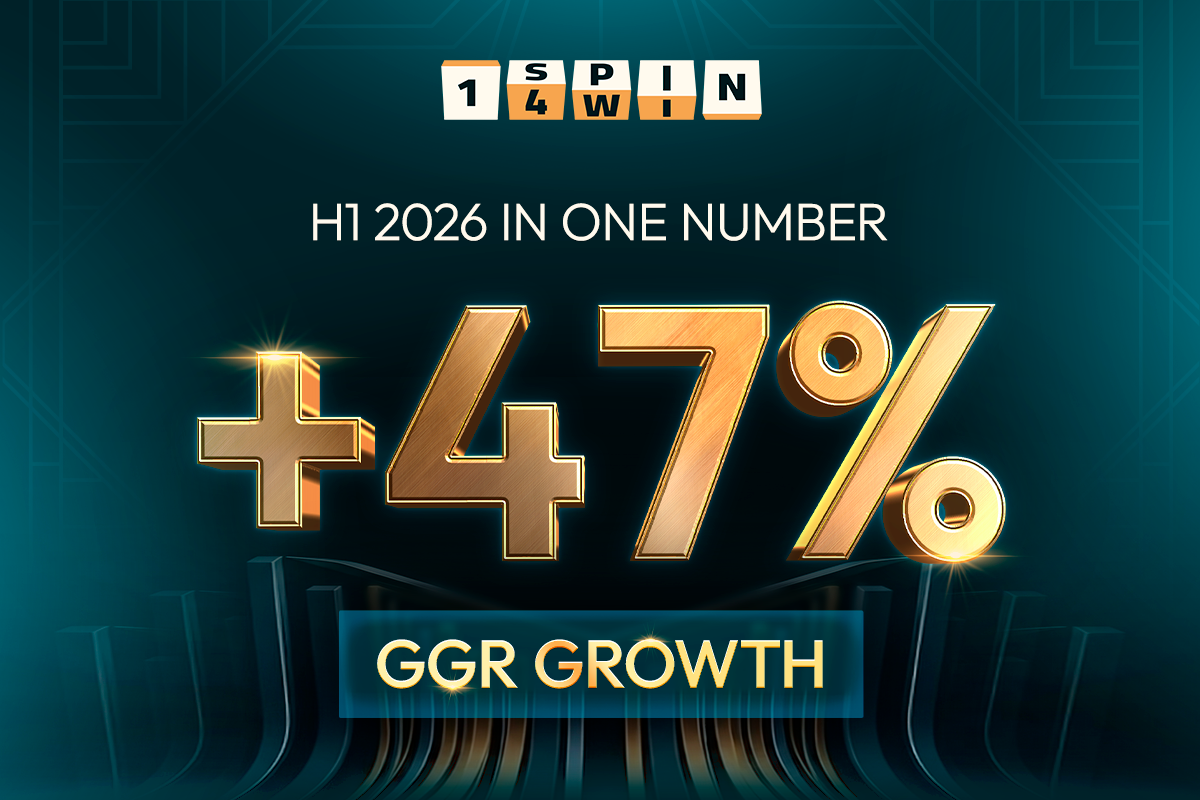
1spin4win, an established classic online slot provider, closes the first half of the year by revealing key performance results and the most significant milestones.
The first six months of 2026 have marked a period of strong growth for the studio. Compared to H1 2025, 1spin4win recorded a 47% increase in GGR, while bet count rose by 46.66%.
The provider also saw a significant increase in player activity. In H1 2026, player count surged by 59.06%, and new player count jumped by 50.15% compared to the first half of last year. These numbers reflect 1spin4win’s ability to keep global audiences engaged through new mechanics, regular game releases, and simple gameplay.
Partner growth has also been an important part of this success. Today, 1spin4win works with over 1,000 recognized iGaming brands, including STAKE.MX, 1win, LevelUP, BitStarz, gg.bet, WinSpirit, mBit, Pin-Up, 1xBet, PlayAmo, to name a few. This broad network reinforces the company’s reputation as a trusted provider across international markets.
The latest results also highlighted the success of 1spin4win’s expansion strategy across Latin America and Africa. Both markets remain important directions for the studio, where its mobile-first, easy-to-follow slots resonate perfectly well with local preferences. In H1 2026, compared to H2 2025, the provider’s GGR increased by 45.45% in Africa and 27.68% in LatAm.
This momentum has also been recognized by the wider professional industry. During iGB L!VE, 1spin4win was named Slot Studio of the Year at the inaugural iGaming News Awards, highlighting the studio’s strong slot offering and continued growth.
Olga Hlukhovskaya, Business Development Director at 1spin4win, shared, “We are proud of the results achieved. For us, these numbers are not only about our own success — they show that our games continue to bring value to operators by keeping their audiences active and engaged across different markets. Moving forward, we will continue strengthening this value through regional development, tailored partner support, and high-performing content that stays true to what players enjoy about classic slots.”
About 1spin4win
1spin4win is a fast-growing game provider founded in May 2021 by ambitious developers with over 20 years of experience in the gambling industry. Since its inception, the company has expanded its portfolio to include over 200 classic online slots, all characterized by quality mathematics, transparent mechanics, and well-balanced gameplay — key factors that drive strong player retention. The studio aims to release an average of four new games each month in 2026 and offers effective promotional tools for casino operators to help them enhance player loyalty.

-

 Latest News6 days ago
BetMakers Technology Group Selected to Distribute ATG Horse Racing Content Across Australia and New Zealand
-
Compliance Updates6 days ago
ACMA Warns MMA Fighter Jamie Mullarkey for Breaches of Online Gambling Laws
-
 Compliance Updates4 days ago
Arizona Department of Gaming Issues Cease-and-Desist Orders to Multiple Operators Linked to Underage Gambling and Illegal Activity
-
Latest News5 days ago
PG Soft appoints Hugo Baungartner as General Manager LatAm
-
Canada6 days ago
Gaming Corps expands Entain partnership with major Canadian rollout
-
Latest News6 days ago
DEGEN Studios unleashes the Plague City chase
-
Latest News5 days ago
ELA Games releases Flames Fruits Frenzy Hold and Win slot
-
Canada6 days ago
Gaming Corps expands Entain deal with Ontario live and Alberta launch planned