Press Releases
Finland: Prevalence of at-risk gambling has decreased – gambling problems still as common as before

According to a study conducted by the Finnish Institute for Health and Welfare (THL), the prevalence of “at-risk gambling” which causes individual mild harms has decreased in Finland. The 2019 study indicated that 11 per cent of the Finnish population had engaged in at-risk level gambling in the past 12 months. In the previous study, conducted in 2015, the proportion of at-risk gamblers was 15 per cent. The prevalence of at-risk gambling has decreased in both men and women.
At-risk gambling refers to gambling which causes some individual harms and often precedes the development of problem gambling. According to the 2019 study, three per cent of the Finnish population, meaning approximately 112,000 people, had experienced gambling problems. The proportion of such individuals has remained the same since 2007.
According to the study, 1.4 per cent of Finns – around 52,000 people – suffered in 2019 from probable pathological gambling, which is the most severe form of problematic gambling.
In contrast, the study indicates that gambling without indentified problems has increased. The number of gamblers remained the same between 2015 and 2019, but changes took place in the frequency of gambling: the proportion of Finns who gambled less often than once a month increased, whereas the proportion of those gambling more often than this decreased.
The past-year prevalence of gambling at least one game type among the respondents was 78.4 per cent.
Online gambling has become more common
In 2019, one third of the respondents (36.3 %) had been gambling online. The proportion of online gamblers increased by 12.7 percentage points from 2015.
At the same time, the proportion of those who gambled games offered by foreign operators increased from 3.3 to 5.4 per cent. Almost all gamblers (98.1 %) who had gambled games offered by an operator other than Veikkaus Oy had also gambled Veikkaus Oy’s games.
In 2019, 2.5 per cent of the gamblers accounted for one half of the total gambling expenditure. This means that of the 2,917,000 people living in mainland Finland who participated in gambling in 2019, 72,000 people spent one half of the total expenditure of that year. Veikkaus Oy’s share of the online gambling expenditure was 83.6 per cent, while the other game operators accounted for 16.4 per cent.
“Only a relatively few people gamble games offered by operators other than Veikkaus, when compared to the number of those gambling Veikkaus games. Then again, there is big money involved in foreign online games. Therefore, it is now important to monitor how the closing of the Finnish slot machines due to the coronavirus epidemic affects online gambling”, says THL Senior Researcher Anne Salonen.
One in five Finns has someone with problematic gambling in their immediate social circle
Just over one fifth (21.1 %) of the respondents reported that at least one person in their immediate social circle had demonstrated problematic gambling. This means that around 790,000 persons are affected by someone close to them having a gambling problem, and this proportion has increased.
According to Salonen, the result may also indicate that Finns have become more aware of gambling problems, and the issue is now discussed more openly and boldly than before.
Since 2007, THL has been monitoring gambling, the prevalence of gambling problems, and the attitudes and opinions related to gambling by carrying out a population survey every four years among Finnish people aged from 15 to 74. In 2019, the study was participated in by 3994 Finns. Statistics Finland conducted the interviews over the telephone. The study was carried out by the Finnish Institute for Health and Welfare, and commissioned and financed by the Ministry of Social Affairs and Health (section 52 of the Lotteries Act).
THL publishes the Finnish Gambling 2019 results in stages; the first step now is to publish the main results concerning gambling and gambling problems. The results concerning the attitudes and opinions related to gambling will be published later this year.
Source: thl.fi
Powered by WPeMatico


Esportes Gaming Brasil (EGB) says all three of its brands—Esportes da Sorte, Onabet and Lottu—have been shortlisted for the Reclame Aqui Awards 2026, a Brazilian awards programme focused on corporate reputation and customer relationships. The group announced the nominations on Thursday 16th July.
EGB said it is the first time the three brands have been nominated simultaneously. Esportes da Sorte is shortlisted in the Ultra Sports Betting Operators (Mega Operations) category, while Onabet and Lottu are in the Sports Betting Operators (Mega Operations) category.
“Receiving nominations for all three Group brands at the Reclame Aqui Awards for the first time is incredibly meaningful recognition of the work we carry out every day. More than simply an achievement, it reflects our consistent strategy of putting the customer at the centre of every decision by investing in technology, operational efficiency and personalised customer service to build long-term relationships based on trust,” said Maria Neves, Director of Customer Experience, Customer Support and Reputation Channels at Esportes Gaming Brasil.
The company attributed the nominations to ongoing investment in customer service processes, technology integration, employee training and changes to the user journey across its brands. EGB also said it reduced average response time for human customer support from 30 minutes to two minutes.
Reclame Aqui Awards winners are decided by consumer voting, according to the company. Public voting for the 2026 edition is scheduled to run from 2 September to 5 November.
The post Esportes Gaming Brasil lands three brand nominations at Reclame Aqui Awards 2026 appeared first on EE Gaming | Global iGaming & Tech Intelligence Hub.
Deal expands bet365 casino rollout in Spain and Ontario, with 50+ Gaming Corps titles certified for Alberta from 13 July 2026.
Gaming Corps has launched with bet365 in Alberta on the first day of the province’s regulated iGaming market opening (13 July 2026), while also expanding its content footprint with the operator in Spain and Ontario.
The Sweden-based, publicly listed game developer said it is among the first wave of studios certified for Alberta, supporting bet365’s entry with more than 50 games available at launch. The day-one portfolio spans Slots, Table, Plinko, Mine Games and Instant Blitz.
Gaming Corps said the expanded partnership includes its football-themed titles, including Penalty Champion: Goals to Glory, plus the 3 Pigs series (3 Pigs of Olympus, 3 Pigs of Olympus 2: Rise of the DemiHog and 3 Pigs of the Caribbean).
The rollout also brings Gaming Corps’ new Low RTP Blackjack titles to bet365, which the supplier said are designed around 93.57% RTP and approximately 6% operator hold, with side-bet mechanics and flexible branding options.
Graham Greensmith, Chief Commercial Officer at Gaming Corps, said: “Extending our partnership with bet365 across Spain, Ontario and Alberta is a major moment for Gaming Corps, but Alberta is the real statement here. Going live with bet365 from day one reflects the work our teams have put into certification, onboarding and ensuring we can move quickly and confidently with major operator partners.
“As one of the earliest studios ready for Alberta, we’ll be bringing more than 50 titles to the province. That breadth matters, because it gives operators like bet365 a single partner across multiple verticals, with content designed to support acquisition, engagement and retention across different player segments. Spain and Ontario are also important regulated markets for us and expanding with a global operator of this scale highlights how far Gaming Corps has come in a short period of time.”
Richard Graham, Associate VP of Gaming at bet365 at said: “Gaming Corps has become a valuable content partner, combining recognisable game identities with formats that add variety across our casino offering. We are pleased to extend the partnership into Spain, Ontario and Alberta, with the Alberta launch particularly important as part of our day-one commitment to the market.
“Expanding the relationship across multiple territories in a relatively short period reflects the strength of the collaboration, as well as the Gaming Corps team’s clear product direction, commitment and continued development as a game vendor. We look forward to giving players access to a wide-ranging portfolio from the moment the market opens.”
The post Gaming Corps goes live with bet365 in Alberta on regulated market day one appeared first on EE Gaming | Global iGaming & Tech Intelligence Hub.
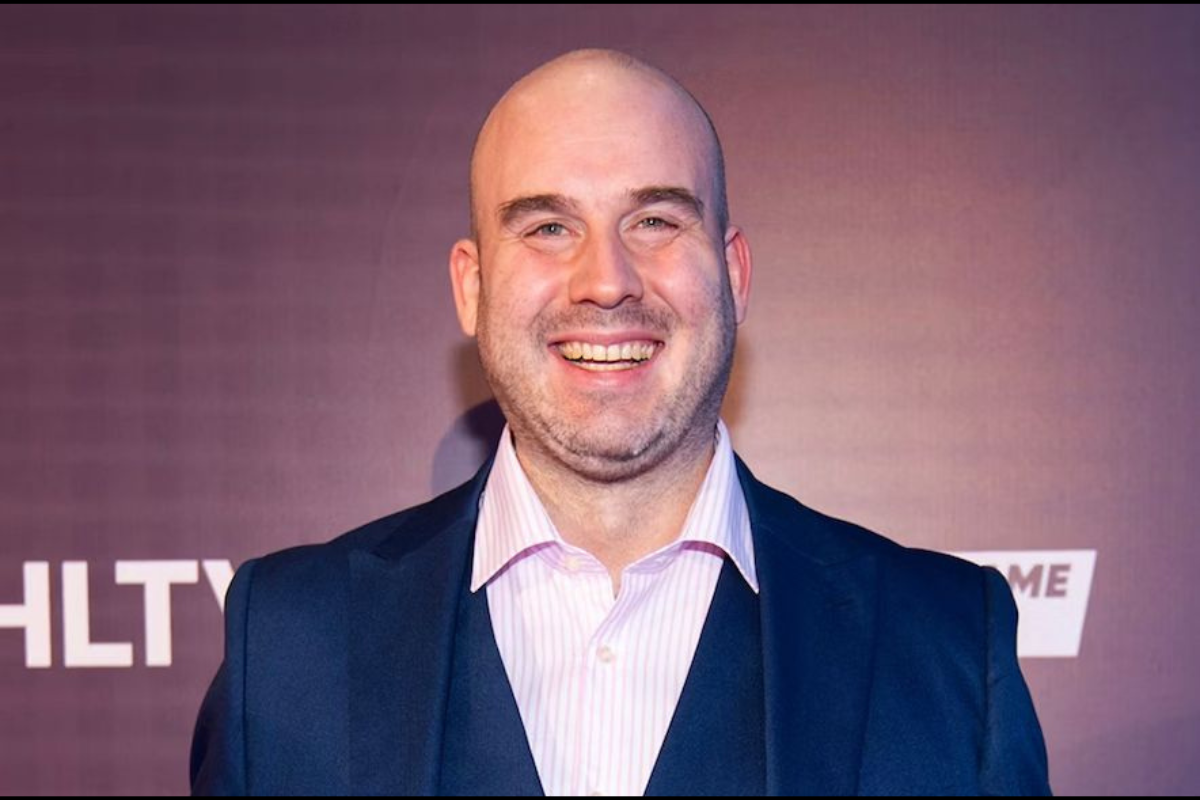
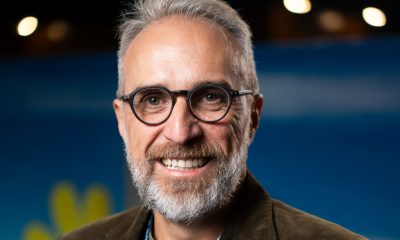
NODWIN Gaming has appointed Teemu Koski as Chief Executive Officer of NODWIN Gaming MENA, effective 1 July 2026. The company said Koski will lead strategy, operations, business development and market expansion across the Middle East and North Africa.
Koski reports to Merlin Wiedeking, CEO of NODWIN Gaming International. NODWIN said Koski will also continue to oversee its global data monetization business alongside running the MENA operation.
Koski joined NODWIN Gaming in August 2025 as Chief Business Officer, MENA. In that role, the company said he helped expand its commercial footprint in the region through strategic partnerships, commercial growth initiatives and the development of NODWIN’s data business, working with publishers, media rights holders and technology partners.
Prior to NODWIN, Koski spent more than 15 years at Elisa Corporation, where he founded and led Elisa Esports, according to the company.
Teemu Koski, CEO, NODWIN Gaming MENA, said: “The MENA region is entering a defining period for gaming, esports and youth entertainment, and the opportunity ahead is enormous. Over the past year, I’ve had the chance to work with an incredible team and partners across the region, and that has only strengthened my belief in what we can build together.
As we look ahead, my focus is on growing a business that’s deeply rooted in the region while bringing together publishers, brands, creators, governments and technology partners to unlock new opportunities. Alongside leading our MENA business, I’m also looking forward to continuing our work around global data monetization and helping create even greater value across NODWIN’s international ecosystem.”
Merlin Wiedeking, CEO, NODWIN Gaming International, said: “One of the things that stands out about Teemu is his ability to build businesses through strong relationships and a deep understanding of the market. As NODWIN continues to grow across international markets, we’re focused on empowering local leadership that understands the people, the culture and the opportunities within each region. MENA is one of our most important growth markets, and I’m looking forward to working closely with Teemu as we deepen our presence, build new partnerships and create long-term value across the region.”
The post NODWIN Gaming names Teemu Koski CEO of its MENA unit appeared first on EE Gaming | Global iGaming & Tech Intelligence Hub.

-

 Compliance Updates5 days ago
Arizona Department of Gaming Issues Cease-and-Desist Orders to Multiple Operators Linked to Underage Gambling and Illegal Activity
-
 Latest News7 days ago
ELA Games releases Flames Fruits Frenzy Hold and Win slot
-
Compliance Updates6 days ago
KONAMI GROUP’s Konami Gaming Inc. First to Submit Manufacturer License Application in Japan’s Emerging IR Market
-
Latest News7 days ago
PG Soft appoints Hugo Baungartner as General Manager LatAm
-
Canada7 days ago
Canada’s Safer Gambling Gap: Why Market Success Doesn’t Always Equal Player Safety
-
Latest News7 days ago
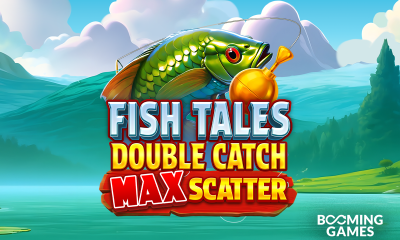
Booming Games launches Fish Tales: Double Catch Max Scatter
-
Latest News7 days ago
Tom Horn Gaming ships Royal Ruby FeatureStorm slot worldwide on 14 July 2026
-
Latest News7 days ago
BC.GAME names Guillermo Ochoa brand ambassador for Mexico push