Latest News
How Casinos Use Psychology in Slot Games


Slot games are among the most popular attractions in any casino, both in physical establishments and in the digital world. The allure of bright lights, captivating sounds, and the thrill of potential winnings makes these games irresistible to many players. However, beneath the surface, casinos employ various psychological techniques to keep players engaged and coming back for more. This article delves into how casinos use psychology during slot games and highlights the influence of these tactics in online slots.
The Power of Visual and Auditory Stimuli
One of the most effective tools in a casino’s arsenal is the use of visual and auditory stimuli. Slot machines are designed to be visually appealing, with vibrant colors, flashing lights, and intricate animations that capture a player’s attention. These elements are not just for show; they are carefully crafted to create a stimulating environment that encourages prolonged play.
The sounds of slot machines are equally important. The jingles, chimes, and celebratory noises that accompany each spin or win are designed to trigger a sense of excitement and reward. Even when the payout is minimal, the celebratory sounds can create the illusion of a significant win, motivating players to continue playing. In the realm of slots online, these effects are replicated digitally, ensuring that the psychological impact remains just as potent as in a physical casino.
The Near-Miss Effect
Another psychological tactic used in slot games is the “near-miss” effect. This occurs when the symbols on the reels stop just short of a winning combination, giving the player the impression that they were close to winning. Although a near-miss is technically a loss, it can trigger the same brain response as a win, particularly in the brain’s reward system. This effect increases the likelihood that a player will continue spinning the reels in hopes of finally hitting the jackpot.
Casinos leverage this phenomenon by programming slot machines to deliver near-misses more frequently than pure chance would dictate. The sense of almost winning keeps players engaged, as they believe that the next spin might be the one that finally lands a big payout.
Variable Reward Schedules
Slot machines operate on a variable reward schedule, meaning that wins are unpredictable and occur randomly. This unpredictability is a powerful psychological tool, as it mirrors the reinforcement patterns found in some of the most addictive behaviors. When players do not know when the next win will come, they are more likely to keep playing in anticipation of that next reward.
This concept is particularly effective in slots online, where the continuous availability of games allows players to indulge in extended sessions. The randomness of the rewards creates a cycle of anticipation and satisfaction, making it difficult for players to step away from the game.
Losses Disguised as Wins (LDWs)
A common feature in slot games is the “loss disguised as a win” (LDW) phenomenon. This occurs when a player wins an amount that is less than their original bet, but the machine still triggers celebratory sounds and visuals as if a significant win had occurred. This tactic manipulates the player’s perception, making them feel as though they are winning more frequently than they actually are.
In the context of slots online, LDWs are just as prevalent. Players may not immediately realize that they are losing money overall, as the frequent small “wins” keep them engaged and motivated to continue playing. This tactic ensures that players remain invested in the game, even when their balance is gradually decreasing.
The Gambler’s Fallacy
The gambler’s fallacy is a cognitive bias that leads players to believe that if an event has occurred frequently in the past, it is less likely to happen in the future, or vice versa. For example, if a player experiences a long streak of losses, they might believe that a win is “due” soon, leading them to continue playing. Slot games are designed to capitalize on this fallacy, as the outcomes are entirely random, but the belief that a win is imminent can keep players spinning the reels.
Online slot platforms are no different, with players often falling into the trap of the gambler’s fallacy. This psychological bias can lead to extended gaming sessions, as players chase a win they believe is just around the corner.
Casinos utilize a range of psychological techniques in slot games to keep players engaged, from the use of visual and auditory stimuli to the manipulation of reward schedules. These tactics are equally effective in slots online, where the digital environment is crafted to replicate the immersive experience of a physical casino. By understanding these psychological influences, players can make more informed decisions and approach slot games with a greater awareness of the forces at play.












Every month, N1 Insights features N1 Partners experts sharing their perspective on the latest developments in the iGaming industry. But these insights are only part of the bigger picture. Behind every prediction lies market analysis, hands-on experience, and real-world cases that deserve a deeper discussion.
That’s why we’re launching N1 Beyond the Insights — a new series where N1 Partners experts take a closer look at the industry’s most important topics, share in-depth analysis, and explore the nuances that help affiliates make better traffic decisions.
In our first edition, we focus on Facebook: the seasonal shifts that typically occur in July, the metrics that matter most, and why evaluating campaign performance requires looking beyond surface-level results and analyzing the entire user journey.
False Signals: When a Drop in CTR and CR Doesn’t Mean Your Campaign Is Failing
In July, traditional advertising metrics can be misleading — even for experienced media buyers. One of the most common mistakes is treating a decline in CTR and CR as a clear sign that a campaign has burned out and should be turned off.
In reality, the cause is often a seasonal shift in user behaviour rather than the campaign itself. During the summer, people spend more time on mobile devices, travel more, and generally devote less attention to social media. They scroll through their feeds faster, which naturally leads to lower CTR and registration conversion rates, even when the campaign continues to attract high-quality traffic.
This is where many affiliates make costly mistakes. They see performance drop in their tracker, pause campaigns that are still delivering value, and start testing new creatives, spending additional budget to solve a problem that may not actually exist.
The N1 Partners Approach
In situations like these, the N1 Partners team avoids drawing conclusions based solely on the first signs of declining advertising metrics.
Instead, we look at the full picture by analysing:
- user cohorts;
- the time between registration and first deposit;
- post-click user behaviour;
- overall campaign profitability.
During the summer, it’s especially important to allow the entire conversion cycle to unfold before evaluating performance. A user may click on an ad during the day but only complete registration or make a first deposit later that evening or even over the weekend.
Our team also recommends adapting creatives to seasonal user behaviour. Shorter funnels, clear messaging, and offers built around fast or instant-play games tend to perform better during the summer, as they require less time and commitment from users who are often browsing on the go.
Night-Time Traffic: Why a Lower CPC Doesn’t Always Mean Higher ROI
Another seasonal trend in July is the shift in user activity patterns.
Across many Tier-1 markets, longer daylight hours and warmer weather change how people spend their time. Users are generally less active on social media during the day, with engagement gradually moving into the late evening and overnight hours.
Facebook adapts quickly to these behavioural changes, allocating more impressions during peak activity periods — typically between 10:00 PM and 3:00 AM local time.
For affiliates, this can initially look like an opportunity:
- lower CPC;
- higher traffic volume;
- more registrations.
However, these metrics don’t necessarily translate into better campaign performance. A lower acquisition cost doesn’t automatically mean higher-quality traffic or stronger long-term profitability, which is why it’s important to evaluate the full conversion funnel rather than relying on CPC alone.
| What the Ads Manager Shows | What’s Actually Happening |
| Lower CPC | Users are more likely to browse their feeds without taking action. |
| More Registrations | A smaller share of users progresses to making a quality first deposit. |
| Higher traffic volume | More registrations fail to convert into long-term revenue. |
During late-night hours in Tier-1 markets, additional factors can affect deposit conversion:
- users may reach their daily card spending limits;
- banks often perform scheduled maintenance and security updates overnight;
- declined payment rates tend to increase.
As a result, affiliates may see a high number of registrations while the conversion rate from registration to first deposit declines.
The N1 Partners Approach
At N1 Partners, we don’t recommend limiting campaigns to night-time hours through dayparting simply because CPC appears lower.
While daytime traffic is often more expensive, users acquired during the day and early evening are generally more likely to complete meaningful deposits and deliver stronger long-term value. Rather than optimizing for the lowest acquisition cost, we recommend evaluating traffic quality across the entire conversion funnel and optimizing for overall campaign profitability.
Metrics That Help You Spot Problems Before Your Competitors
Today, Facebook campaign analysis goes far beyond CTR, CPC, and registration volume. If a campaign continues to generate high-quality traffic while ROI starts to decline, the issue isn’t necessarily on Facebook’s side.
At N1 Partners, one of the earliest warning signs we monitor is payment infrastructure performance. Changes in payment metrics often reveal underlying issues before they become visible in overall campaign results.
The first metrics we analyze include:
| Metric | What It Indicates |
| Success Rate | The share of successful payments compared to failed transactions. |
| Decline Rate | Whether payment failures are increasing over time. |
| Reg-to-Dep | How efficiently registrations convert into first-time depositors. |
| FTD | First deposit |
During the summer, banks in Tier-1 markets regularly update their payment gateways, adjust transaction limits, and introduce changes to payment processing. Even a 5–10% increase in the Decline Rate over a few hours can indicate an underlying technical issue.
Teams that focus solely on the number of first-time deposits often detect these problems too late. Monitoring Success Rate and Decline Rate allows affiliates to identify issues much earlier and adjust their campaigns before performance is significantly affected.
Why It’s Harder to Kill Underperforming Campaigns in July
During the summer, finding a new winning campaign is often easier than knowing when to stop running an existing one. Lower CPCs driven by reduced competition in Facebook’s ad auction can create the illusion that a temporary performance dip will eventually correct itself.
In reality, many affiliates fall into the trap of delayed conversions, attributing weaker results solely to seasonality. More often, the issue lies with the traffic itself rather than the product. During the summer, Tier-1 users respond differently to gambling creatives, while Facebook’s algorithms gradually optimize delivery toward less engaged audiences.
Instead of continuing to scale a declining campaign in the hope that retention will improve later, it’s usually more effective to pause underperforming setups early and reallocate budget to testing new angles and creatives that better match July’s seasonal demand.
Deep Localization: Which GEOs Need It Most?
These seasonal shifts are particularly noticeable in mature Tier-1 markets such as Germany, Austria, and Canada.
Users in these markets have been exposed to gambling advertising for years. They’ve seen countless welcome bonuses, promotional offers, and product concepts, making it much harder for generic campaigns to stand out. Simply increasing a welcome bonus is no longer a meaningful competitive advantage.
At N1 Partners, we take a broader product-driven approach that focuses on:
- deep product localization;
- personalized retention strategies;
- VIP mechanics;
- local payment methods;
- a user experience tailored to the specifics of each market.
Summer also changes how users interact with products. People spend more time away from home, rely more heavily on mobile devices, and switch between content more quickly. At the same time, major sporting events remain a powerful driver of engagement. Products optimized for mobile, fast gameplay, and user journeys that naturally fit summer behaviour tend to deliver the strongest results.
At the same time, lower-cost traffic in Latin America and Asia can be misleading. High registration volumes don’t necessarily translate into strong profitability, especially when optimization focuses on installs or registrations rather than first-time deposits and long-term player value.
Why Brands Are Prioritizing Quality Over Volume
Over the past few months, brands have significantly changed the way they evaluate affiliate traffic. The focus has shifted from traffic volume to user quality and long-term value.
Today, affiliates are increasingly expected to provide transparent source-level reporting, full-funnel analytics, traffic segmentation, and insights into the quality of the acquired audience.
As a result, the best commercial terms are no longer reserved exclusively for the largest affiliates.
According to N1 Partners, the key differentiators today are:
- strong expertise in traffic analytics;
- the ability to quickly identify changes in the registration-to-deposit conversion rate;
- fast campaign optimization and decision-making;
- stable LTV and healthy DepSum/Payout economics;
- transparent communication between affiliates and affiliate managers.
This approach enables long-term partnerships and sustainable growth—even without continuously increasing traffic volumes.
Key Takeaway
Seasonality changes user behaviour, Facebook’s algorithms adjust traffic distribution, and traditional advertising metrics are no longer enough to evaluate campaign performance.
At N1 Partners, we recommend taking a full-funnel approach by looking beyond CTR, CPC, and registration volume. Instead, evaluate user cohorts, Success Rate, Decline Rate, deposit quality, and overall ROI to make more informed optimization decisions.
Work with N1 Partners and Turn Insights into Results
- 14+ casino and sportsbook brands with strong Reg2Dep conversion
- 10+ Tier-1 GEOs
- CPA up to €700 and RevShare up to 55%, plus NNCO for top-performing affiliates
Be number one with N1!

Esportes Gaming Brasil (EGB) says all three of its brands—Esportes da Sorte, Onabet and Lottu—have been shortlisted for the Reclame Aqui Awards 2026, a Brazilian awards programme focused on corporate reputation and customer relationships. The group announced the nominations on Thursday 16th July.
EGB said it is the first time the three brands have been nominated simultaneously. Esportes da Sorte is shortlisted in the Ultra Sports Betting Operators (Mega Operations) category, while Onabet and Lottu are in the Sports Betting Operators (Mega Operations) category.
“Receiving nominations for all three Group brands at the Reclame Aqui Awards for the first time is incredibly meaningful recognition of the work we carry out every day. More than simply an achievement, it reflects our consistent strategy of putting the customer at the centre of every decision by investing in technology, operational efficiency and personalised customer service to build long-term relationships based on trust,” said Maria Neves, Director of Customer Experience, Customer Support and Reputation Channels at Esportes Gaming Brasil.
The company attributed the nominations to ongoing investment in customer service processes, technology integration, employee training and changes to the user journey across its brands. EGB also said it reduced average response time for human customer support from 30 minutes to two minutes.
Reclame Aqui Awards winners are decided by consumer voting, according to the company. Public voting for the 2026 edition is scheduled to run from 2 September to 5 November.
The post Esportes Gaming Brasil lands three brand nominations at Reclame Aqui Awards 2026 appeared first on EE Gaming | Global iGaming & Tech Intelligence Hub.
Deal expands bet365 casino rollout in Spain and Ontario, with 50+ Gaming Corps titles certified for Alberta from 13 July 2026.
Gaming Corps has launched with bet365 in Alberta on the first day of the province’s regulated iGaming market opening (13 July 2026), while also expanding its content footprint with the operator in Spain and Ontario.
The Sweden-based, publicly listed game developer said it is among the first wave of studios certified for Alberta, supporting bet365’s entry with more than 50 games available at launch. The day-one portfolio spans Slots, Table, Plinko, Mine Games and Instant Blitz.
Gaming Corps said the expanded partnership includes its football-themed titles, including Penalty Champion: Goals to Glory, plus the 3 Pigs series (3 Pigs of Olympus, 3 Pigs of Olympus 2: Rise of the DemiHog and 3 Pigs of the Caribbean).
The rollout also brings Gaming Corps’ new Low RTP Blackjack titles to bet365, which the supplier said are designed around 93.57% RTP and approximately 6% operator hold, with side-bet mechanics and flexible branding options.
Graham Greensmith, Chief Commercial Officer at Gaming Corps, said: “Extending our partnership with bet365 across Spain, Ontario and Alberta is a major moment for Gaming Corps, but Alberta is the real statement here. Going live with bet365 from day one reflects the work our teams have put into certification, onboarding and ensuring we can move quickly and confidently with major operator partners.
“As one of the earliest studios ready for Alberta, we’ll be bringing more than 50 titles to the province. That breadth matters, because it gives operators like bet365 a single partner across multiple verticals, with content designed to support acquisition, engagement and retention across different player segments. Spain and Ontario are also important regulated markets for us and expanding with a global operator of this scale highlights how far Gaming Corps has come in a short period of time.”
Richard Graham, Associate VP of Gaming at bet365 at said: “Gaming Corps has become a valuable content partner, combining recognisable game identities with formats that add variety across our casino offering. We are pleased to extend the partnership into Spain, Ontario and Alberta, with the Alberta launch particularly important as part of our day-one commitment to the market.
“Expanding the relationship across multiple territories in a relatively short period reflects the strength of the collaboration, as well as the Gaming Corps team’s clear product direction, commitment and continued development as a game vendor. We look forward to giving players access to a wide-ranging portfolio from the moment the market opens.”
The post Gaming Corps goes live with bet365 in Alberta on regulated market day one appeared first on EE Gaming | Global iGaming & Tech Intelligence Hub.

-

 Compliance Updates5 days ago
Arizona Department of Gaming Issues Cease-and-Desist Orders to Multiple Operators Linked to Underage Gambling and Illegal Activity
-
 Latest News7 days ago
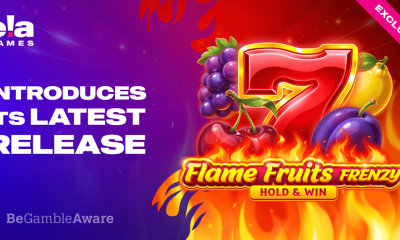
ELA Games releases Flames Fruits Frenzy Hold and Win slot
-
Compliance Updates6 days ago
KONAMI GROUP’s Konami Gaming Inc. First to Submit Manufacturer License Application in Japan’s Emerging IR Market
-
Latest News7 days ago
PG Soft appoints Hugo Baungartner as General Manager LatAm
-
Canada7 days ago
Canada’s Safer Gambling Gap: Why Market Success Doesn’t Always Equal Player Safety
-
Latest News7 days ago
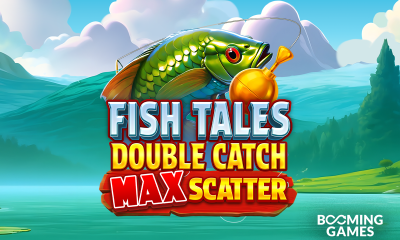
Booming Games launches Fish Tales: Double Catch Max Scatter
-
Latest News7 days ago
Tom Horn Gaming ships Royal Ruby FeatureStorm slot worldwide on 14 July 2026
-
Latest News7 days ago
BC.GAME names Guillermo Ochoa brand ambassador for Mexico push