Compliance Updates
Reputation matters – the importance of supplier licensing

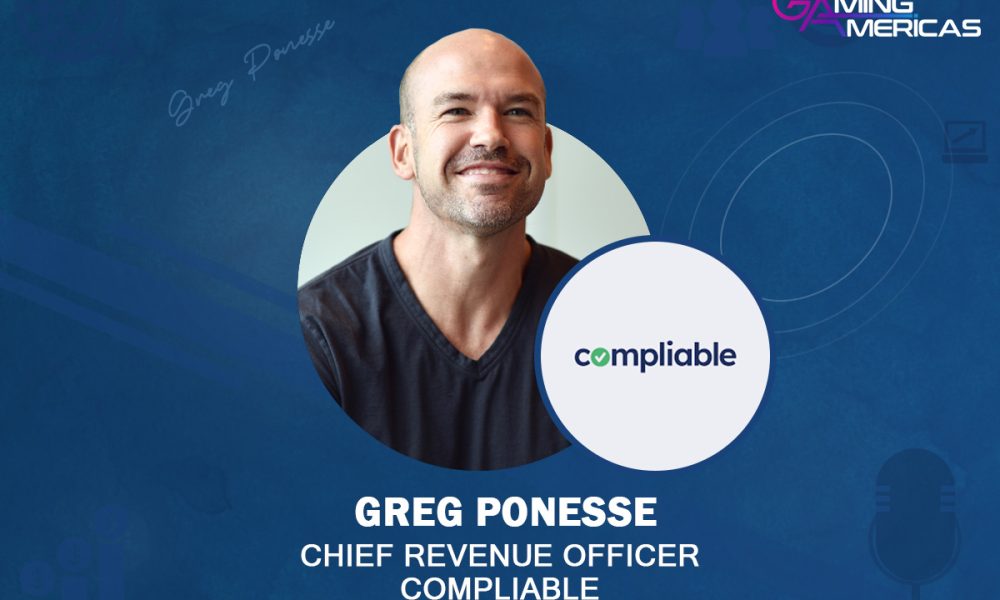
More and more jurisdictions are introducing licensing for B2B providers in an attempt to boost regulatory oversight and restrict black market activity with Sweden and Denmark recent examples. In this piece, we talk to Greg Ponesse, Chief Revenue Officer at Compliable, about how the increased compliance burden can favour suppliers’ standing in the iGaming ecosystem.
Have you seen a shift in attitudes from suppliers to only provide products in regulated markets?
We have seen that suppliers that have traditionally taken a .com approach are starting to move towards being licensed to secure additional revenue and more customers but also to improve their overall reputation and standing. The perception of brand integrity plays a big part of the decision-making process because some operator partners might be reluctant to work with suppliers if they have a mainly grey-market approach.
In the US, supplier licensing has always been the norm, so where we are seeing attitudes changing is primarily with European suppliers. Although most suppliers might have a few licenses that they need to manage in key markets, they are now better understanding the importance of being seen as fully compliant across the board as regulation changes and operators are looking for trusted partners.
Some of these brands are massive enterprises who are now trying to get a handle on how to manage all their licenses across multiple regions, and we have seen an increased interest in our software to support that.
What has been the driving force for this – regulator pressure or business strategy?
It’s a little bit of both. Regulator pressure is definitely a big one as gambling becomes more ubiquitous and mainstream. It’s the responsibility of the government to provide structure and regulation to ensure safety for consumers and many are starting to realize that suppliers play an equally important role in that as operators. We have recently seen examples of locally licensed suppliers being fined by regulators for offering their products to unlicensed operators, so providers need to be on the ball to ensure their reputation stays intact.
That said, the grey market suppliers up to this point have stayed in grey markets because that’s what was available to them. Now you’re seeing new markets opening up like North America, which has been huge, where all states require suppliers to be licensed. These grey market players that have previously focused on Europe now see that there’s revenue over there to be gained, so they need to pull up their socks and play the game.
As a business strategy, suppliers can only remain in black markets for so long, avoiding paying taxes and declaring revenue. In a competitive marketplace, suppliers can definitely benefit from being more established and having numerous licenses. Operators might be wary to work with companies that don’t take compliance seriously so being able to show that you have X number of licenses and that you have infrastructure in place shows that you’re serious, and that you know what you’re doing. It kind of sets the table for you to have a soft landing and to be able to begin those discussions with potential partners.
A sole focus on regulated markets would suggest a negative impact on profits so what benefits do suppliers see from being licensed?
If the train is only going in one direction, you eventually have to hop on it. Moving away from grey markets will inevitably have a negative impact on profits but you then have to look at where you can find additional revenue. If you are a licensed supplier, it does allow you to work with the big local operators. You have to decide on whether you can make more money as a grey-market supplier or by going into markets being licensed and making the most of what that offers.
Do you expect more jurisdictions will introduce B2B licensing going forward?
Yes, for sure. Gambling is ubiquitous now and governments recognise that it’s a great revenue generator for them and it also helps with ensuring responsible gambling. With licensing, you provide a framework, infrastructure, and environment that is safe, and it ensures that everyone is on a level playing field. That needs to include all different sides of the industry such as operators, suppliers, affiliates etc. If everyone in the ecosystem follows the rules, it will be a better place for all.
What are the big challenges that suppliers face when it comes to licensing in 2024 and beyond?
Your licensing strategy, so basically, where you are going to go get licensed. This process takes time and resources, and you want to make sure you are prepared before you start talking with operators. They will want to know, just like as with any other vendor, if you are licensed as a supplier.
If we use the US as an example, there is no shortage of suppliers that want to partner with the available operators, so you need to know who you want to work with and where, and then you have to make sure you sort those applications properly. That is all about getting the right advice or using software because if you fail the process, you will end up at the back of the queue and your go-to market strategy will be delayed.
What, if any, are the key differences between licensing in the US and regulated markets in Europe and other regions around the world?
For starters, every state in the US acts as if it is its own country and the licensing process is very complex and rigorous. In Europe, it was initially somewhat more relaxed. You got your Malta licence, and that was then good for all countries in Europe. We’re now seeing a bit of backtracking, with more and more countries getting tougher on rules and regulation.
Increased supervision, with regulators having more oversight, means there is no hiding and I think that is what we’re moving towards on a global scale.
I do believe that most suppliers and operators prefer a regulated market because it separates proper companies from the bad ones. If I was a large operator or supplier that invested time and money into licensing and establishing a compliance team, I would feel good about that because there are so many companies that can’t do it. There’s this element of pay to play, so to speak, in order to really maximize your profits in a region.













Compliance Updates
Arizona regulator orders five operators to stop alleged illegal gambling activity


Cease-and-desist letters cite alleged felonies and underage access tied to BetOpenly, Bookmaker, Club WPT Online Poker, Kutt Inc., and Raffle Creator.
The Arizona Department of Gaming said it has issued cease-and-desist orders to five online platforms—BetOpenly, Bookmaker, Club WPT Online Poker, Kutt Inc., and Raffle Creator—after investigations that the Department says involved alleged illegal gambling activity and underage access in Arizona.
In its announcement, the Department said each enforcement action alleges conduct giving rise to three felonies under Arizona law: promotion of gambling, illegal control of an enterprise, and money laundering. The agency cited Arizona’s prohibition on gambling unless specifically authorized (Ariz. Rev. Stat. Tit. 13, Ch. 33) and said the legal gambling age in the state is 21.
“Arizona is taking decisive action against illegal gambling operators that put Arizonans at risk,” said Jackie Johnson, Department Director. “Our top priority is protecting Arizonans and I’m grateful for the efforts of our intelligence unit led by Chief Law Enforcement Officer Doug Jensen to do just that. Through these cease-and-desist orders we are putting operators on notice: their conduct runs contrary to Arizona law and they must stop promoting illegal gambling.”
The Department’s letters describe different alleged violations by operator. For BetOpenly, the Department said peer-to-peer gambling rules prohibit third-party benefit, and alleged the platform benefited via a commission structure while enabling event wagering and daily fantasy sports contests without the required state licenses, including availability to underage Arizonans. For Bookmaker, the Department said its investigation found wagering on horse racing, casino games, and sports betting without an event wagering license or an advanced deposit wagering provider license, adding that online casino games are not legal in Arizona.
For Club WPT Online Poker, the Department alleged the platform enabled individuals under 21 in Arizona to enter pay-to-play online poker tournaments for prizes while using deceptive “no purchase necessary” language; the Department said online poker is illegal in Arizona. For Kutt Inc., the Department said Arizona “social” gambling prohibits third-party benefit and directed the operator to stop allowing Arizona users to deposit money and wager on sports, politics, pop culture, and casino-style games. For Raffle Creator, the Department said the operator did not meet requirements that allow Arizona nonprofits to conduct lawful raffles and alleged it allowed people under 21 to purchase tickets for prize chances.
The Department said the notified entities are directed to immediately stop all gambling operations and activities in Arizona “whether through mobile applications, online, or otherwise,” and to cease any future illegal gambling in the state. It added that future actions may include criminal charges or civil action against entities, principals, and employees, and that operators “may be subject to a potential award of restitution” and forfeiture of monies acquired due to the alleged conduct.
The post Arizona regulator orders five operators to stop alleged illegal gambling activity appeared first on EE Gaming | Global iGaming & Tech Intelligence Hub.
Compliance Updates
Arizona Department of Gaming Issues Cease-and-Desist Orders to Multiple Operators Linked to Underage Gambling and Illegal Activity

Investigations into five online platforms lead to cease-and-desist orders alleging Arizona felonies: Promotion of Gambling; Illegal Control of an Enterprise; and Money Laundering
The Arizona Department of Gaming (Department) announced today that it has issued cease-and-desist orders to the following entities: BetOpenly, Bookmaker, Club WPT Online Poker, Kutt Inc., and Raffle Creator. Each enforcement action alleges conduct giving rise to the following felonies: promotion of gambling, illegal control of an enterprise, and money laundering. The cease-and-desist orders underscore the Department’s commitment to guard the integrity and safety of Arizona’s regulated gaming market while promoting consumer protection.
“Arizona is taking decisive action against illegal gambling operators that put Arizonans at risk,” said Jackie Johnson, Department Director. “Our top priority is protecting Arizonans and I’m grateful for the efforts of our intelligence unit led by Chief Law Enforcement Officer Doug Jensen to do just that. Through these cease-and-desist orders we are putting operators on notice: their conduct runs contrary to Arizona law and they must stop promoting illegal gambling.”
The cease-and-desist orders outlined below follow Department public safety initiatives aligned with Arizona law, which prohibits gambling unless it is specifically authorized (Ariz. Rev. Stat. Tit. 13, Ch. 33) and where the legal age to participate in gambling is 21 years old.
Regarding BetOpenly, peer-to-peer gambling in Arizona prohibits any third-party from benefiting, and that the peer-to-peer sports betting and casino games on the BetOpenly platform benefited the operator via a commission structure. Further, the Department alleges that BetOpenly enabled event wagering and daily fantasy sports contests without the requisite state licenses, facilitated availability to underage Arizonans, and allegedly engaged in illegal felony conduct: promotion of gambling; illegal control of an enterprise; and money laundering.
View cease-and-desist letter here: gaming.az.gov/sites/default/files/BetOpenly_Signed%20Cease%20and%20Desist_Redacted.pdf
Regarding Bookmaker, the Department found through its investigation that the platform facilitates wagering on horse racing, casino games, and sports betting, without holding an event wagering license or an advanced deposit wagering provider license. Online casino games are not legal in Arizona. The Department alleges that Bookmaker engaged in illegal felony conduct: promotion of gambling; illegal control of an enterprise; and money laundering.
View cease-and-desist letter here: gaming.az.gov/sites/default/files/Bookmaker_Signed%20Cease%20and%20Desist_Redacted.pdf
Regarding Club WPT Online Poker, the Department alleges that the platform enabled Arizona individuals under the age of 21 to engage in pay-to-play online poker tournaments for prizes while using deceptive “no purchase necessary” language. Online poker is illegal in Arizona. The Department alleges that Club WPT Online Poker engaged in illegal felony conduct: promotion of gambling; illegal control of an enterprise; and money laundering.
View cease-and-desist letter here: gaming.az.gov/sites/default/files/ClubWPT%20Online%20Poker_Signed%20Cease%20and%20Desist_Redacted.pdf
Regarding Kutt Inc., the Department warned the operator that legal “social” gambling in Arizona prohibits any third-party benefit, as seen in Kutt Inc.’s operations. The Department directed the platform to stop allowing users located in Arizona to deposit money into accounts and wager on sports, politics, pop culture, and play casino-style games. The Department alleges Kutt Inc. engaged in illegal felony conduct: promotion of gambling; illegal control of an enterprise; and money laundering.
View cease-and-desist letter here: gaming.az.gov/sites/default/files/Kutt%20Signed%20C%26D_Redacted.pdf
Regarding Raffle Creator, the Department identified that the operator, which did not meet the requirements that allow Arizona nonprofits to conduct lawful raffles, allowed people under the age of 21 to purchase tickets for the chance to win prizes. The Department alleges that the operator engaged in illegal felony conduct: promotion of gambling; illegal control of an enterprise; and money laundering.
View cease-and-desist letter here: gaming.az.gov/sites/default/files/Raffle%20Creator_Signed%20Cease%20and%20Desist_Redacted.pdf
With the cease-and-desist orders, notified entities are directed to immediately stop all gambling operations and activities in Arizona, whether through mobile applications, online, or otherwise, and are further directed to desist from any future illegal gambling operations in the state. Future actions may include the filing of criminal charges or a civil action against entities, principals, and employees, and the operators may be subject to a potential award of restitution to those who lost money as well as an action for forfeiture of all monies acquired due to the illegal conduct.
Arizona residents are encouraged to Check Your Bet: verify that any gambling, event wagering, or fantasy sports platform appears on the Department’s list of approved operators before participating. Regulated gaming operators are subject to Arizona statutes and rules, including applicable taxes or financial contributions that benefit the state. Regulated gaming provides important consumer protections, ensuring fair play and fair winnings, data security, accountability, and a safer overall experience.
Consumers may contact the Department about potential illegal gambling activities by emailing [email protected] or by calling 602-255-3886; consumers may remain anonymous when submitting information and tips.
The post Arizona Department of Gaming Issues Cease-and-Desist Orders to Multiple Operators Linked to Underage Gambling and Illegal Activity appeared first on Americas iGaming & Sports Betting News.
Compliance Updates
KONAMI GROUP’s Konami Gaming Inc. First to Submit Manufacturer License Application in Japan’s Emerging IR Market

KONAMI GROUP CORPORATION’s long-established gaming & systems group company Konami Gaming Inc. announced it has become the first manufacturer to submit license applications with the Japan Casino Regulatory Commission (JCRC), government regulatory agency set forth by The Cabinet of Japan. Additionally, Konami is the first manufacturer to file across all applicable license categories. These filings represent milestone events for the nation’s regulatory framework, as Japan’s emerging integrated resort (IR) market progresses in responsible development. As a leading manufacturer of casino games and technology in 400+ regulated markets worldwide, Konami is taking proactive measures in support of the Japan IR market, highly relevant to the organisation’s rich heritage as a Japanese company.
“Konami’s early filing demonstrates our commitment and readiness to engage constructively with Japan’s regulatory framework from the outset. We have approached this process with a focus on transparency, preparation, and alignment with the stringent standards established by the JCRC,” said Lori Olk, senior vice president & chief compliance officer at Konami Gaming Inc.
Construction is currently underway for the first integrated resort in Japan—an expansive development planned for 2030 opening by one of the world’s largest casino and entertainment operators. Against this backdrop, Konami’s early submission positions the company to participate during the formative stages of this emerging regulated market. Committed to the long-term health of Japan’s IR market, Konami has invested significant resources in localisation, documentation and operational planning to ensure alignment with the nation’s legal, regulatory and cultural expectations. The supplier has leveraged its longstanding compliance infrastructure, governance processes and global licensing experience to fulfill detailed requirements of the Japanese regulatory framework.
“This milestone in Konami’s application process with the JCRC represents a significant, coordinated effort across multiple business units and jurisdictions, supported by decades of experience operating in highly regulated gaming markets worldwide. As Japan continues to expand its IR framework, Konami remains focused on supporting regulatory objectives and partnering with stakeholders to deliver compliant, high-quality gaming solutions tailored to the needs of the Japanese market,” said Tom Jingoli, president & chief operating officer at Konami Gaming.
The post KONAMI GROUP’s Konami Gaming Inc. First to Submit Manufacturer License Application in Japan’s Emerging IR Market appeared first on EE Gaming | Global iGaming & Tech Intelligence Hub.

-

 Latest News7 days ago
Eeze opens 1,200 sqm Bucharest hub for technical teams
-
Latest News7 days ago
Play’n GO strengthens Latin American presence with Betano Colombia launch
-
Latest News5 days ago
BetMakers Technology Group Selected to Distribute ATG Horse Racing Content Across Australia and New Zealand
-
Latest News6 days ago
Belatra signs cooperation deal to distribute slots via VeliGames
-
Compliance Updates6 days ago
Kasinohai Audit: Most Slots Could Be Affected by Finland’s Draft Gambling Rules
-
Compliance Updates6 days ago
Pernambuco court revokes Spribe’s interim relief in Aviator trademark dispute
-
Latest News7 days ago
R. Franco Digital releases fighting game-themed slot Spin Fighters
-
Compliance Updates5 days ago
ACMA Warns MMA Fighter Jamie Mullarkey for Breaches of Online Gambling Laws