Latest News
From B2C Scale to B2B Stability: Kanggiten’s Real-World Lessons in Platform Resilience

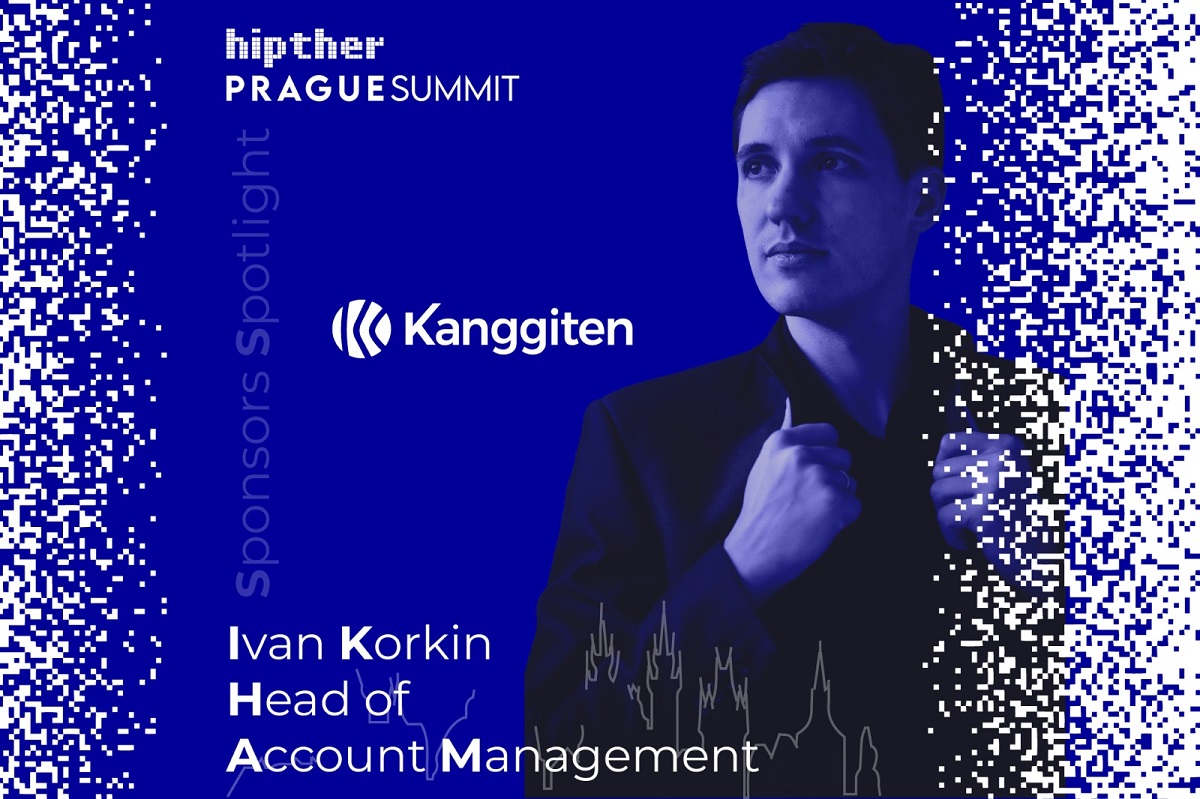
Interview with Ivan Korkin, Head of Account Management at Kanggiten
After his successful participation at the HIPTHER Prague Summit 2026, we speak with Ivan Korkin, Head of Account Management at Kanggiten, to explore how real-world B2C operational experience can strengthen B2B platform stability in today’s high-demand iGaming environment — and why resilience, real-time monitoring, and proactive infrastructure design are becoming critical competitive differentiators.
Ivan, your discussion at HIPTHER Prague Summit focused on applying high-volume B2C operational lessons to B2B platform stability. From your perspective, what are the most overlooked insights that B2B providers can learn from real-world B2C environments?
The most overlooked insight is that B2B and B2C platforms do not require fundamentally different security and operational standards. In reality, the B2C experience differs mainly on the client side; the underlying security protocols needed to combat fraudsters, hackers, and bonus hunters remain exactly the same.
When designing platform architecture for long-term reliability, which core principles matter most today – and how has your approach evolved as traffic volumes and player expectations continue to rise?
The foundational principle is ensuring the platform is “Modular by Design”. Monolithic systems are simply too rigid for modern scaling. At Kanggiten, our platform is built from independent modules that communicate either through a shared data channel or via APIs. This ensures that if one module, like a tournament or bonus engine, gets overloaded, it does not bring down the entire platform; core functions like payments remain fully operational. This approach, called “graceful degradation,” keeps the platform reliable under pressure. Additionally, as expectations have risen, our approach has evolved to include self-healing capabilities, automatically restoring needed instances if a hardware failure occurs.
System resilience under load is a growing concern across the industry. What practical strategies should operators and suppliers implement to ensure performance remains consistent during peak demand moments?
Operators must utilize systems built for fast, automatic scaling without human intervention. When data volume grows, the platform should simply add more hardware on the fly. From a data hygiene perspective, peak loads often cause statistics to lag or duplicate. We prevent this by utilizing specialized columnar databases that scale horizontally for heavy analytical workloads. If a technical glitch sends the same data twice, our system recognizes it and refuses to double-count. Finally, resilience requires full system redundancy to achieve 99.9% uptime, ensuring there is zero single point of failure and that live database backups are hosted in physically separate data centers.
Kanggiten places strong emphasis on real-time analytics and monitoring. How do real-time metrics function as early-warning systems in modern iGaming infrastructure, and what signals should teams be watching most closely?
Real-time metrics are critical for identifying anomalies and root causes instantly. Many operators focus solely on technical metrics, but we closely watch business metrics like user registrations, deposits, bonus activations, and critical user chains. A server might appear healthy on a backend dashboard, but a sudden drop in these business metrics serves as an early-warning signal that issues are occurring on the user journey. Tracking these in real time prevents isolated technical glitches from turning into massive revenue losses.
Many teams still operate in reactive mode when incidents occur. What does a truly proactive issue-detection framework look like in 2026, and what cultural or technical shifts are required to get there?
A proactive framework utilizes dynamic product alerts and retrospective data analysis. Instead of waiting for a system crash, our alerting system compares the current volume of events against historical data—such as traffic from three weeks ago—to automatically determine if current metrics are normal or if human intervention is needed. Culturally, moving away from reactive firefighting requires a commitment to continuous testing; we run automated tests, manual checks, and cloud-based load testing before any code ever reaches production.
Looking ahead, as modular and full-stack platforms continue to evolve, what should operators prioritize now to ensure their infrastructure remains secure, scalable, and future-ready over the next three to five years?
Operators must prioritize a “provider-agnostic” approach to their infrastructure. Over the next few years, the ability to rapidly adapt to changing regulations and execute seamless, disruption-free migrations between cloud providers will be paramount. Security must also remain a top priority; operators should demand infrastructure that holds the highest-level PCI DSS certification (Level 1 v4.0) , where card data is encrypted with strong algorithms and in-transit data is secured using Sectigo and Google SSL certificates over TLS 1.2 or higher.
Kanggiten was the Silver Sponsor and Badge & Bracelet Sponsor at HIPTHER Prague Summit 2026. What key conversations did you have with operators and partners during the event, and what should the industry be watching next from your team?
We were delighted to speak with ambitious operators who demand speed, control, and performance without the bureaucracy of traditional platforms. We always want to discuss how our modular ecosystem allows businesses to launch in weeks, not months, and scale reliably under any load. As for what’s next, the industry should watch how Kanggiten continues to merge premium B2C conversion tactics with robust B2B infrastructure, delivering technology engineered specifically for measurable revenue growth and uncompromising stability.
The post From B2C Scale to B2B Stability: Kanggiten’s Real-World Lessons in Platform Resilience appeared first on Eastern European Gaming | Global iGaming & Tech Intelligence Hub.














DuelBits has published results from its JUSTIN2026 marketing campaign, saying the UFC-focused activation generated more than 122 million verified video views and contributed to one of the company’s strongest MMA betting events “in recent years.”
The crypto sportsbook and casino operator said the campaign launched ahead of UFC event Freedom 250 at the White House and centred on former UFC lightweight champion Justin Gaethje. DuelBits framed the partnership as an early bet on Gaethje, before broader commercial interest.
According to the company, the campaign set a KPI to exceed 100 million impressions across owned, paid and partnered media, and ultimately delivered more than 122 million verified clip views via a network of more than 140 creators. The asset mix included a hero film, six short-form cutdowns, behind-the-scenes content and still imagery, distributed via DuelBits’ social channels, MMA publishers, creator partnerships and clipping pages.
DuelBits said the hero content was also integrated into Gaethje’s “Art of Violence” YouTube series. The operator added that the activation drove promotional code engagement and helped convert attention into sportsbook activity.
Jasper Hoekert, Chief Marketing Officer at Duelbits, said: “We wanted to support Justin before everyone else recognised the opportunity. Instead of following the hype once he has already achieved greatness, we wanted to back a champion before anybody else did.
“The campaign wasn’t measured purely on views. Of course, surpassing 122 million verified views and exceeding our 100 million KPI was a huge achievement, but the real success was seeing that attention convert into one of our strongest UFC betting nights in recent years.
“It also reinforced something that’s key to DuelBits as a brand, which is that we don’t do small campaigns. Whether it’s the production quality, creator network, or distribution strategy, we want every activation to show what’s possible when sportsbook marketing is treated like premium entertainment.”
The post DuelBits says UFC creator campaign delivers 122m verified video views appeared first on EE Gaming | Global iGaming & Tech Intelligence Hub.

Slotegrator’s platform solution now offers progressive web app (PWA) functionality, enabling operators to provide installable casino apps with push notifications, flexible branding, and seamless access across changing domains.
The Casino Builder module in Slotegator’s platform solution has been upgraded with a Progressive Web Application (PWA) feature that allows casinos to deliver an app-like experience without relying on the App Store or Google Play.
Native apps are powerful tools for building customer loyalty and enhancing engagement. However, iGaming brands face serious obstacles, such as strict marketplace policies, long review processes, geographic restrictions, and the constant threat of app removal. Slotegrator’s PWA functionality eliminates these barriers, allowing players to install a casino app directly from their browser and enjoy many of the same benefits as a native app.
After installation, the PWA opens from the user’s home screen, loads fast, and supports push notification integration that enhances player engagement and retention.
“Mobile is still the leading channel for user acquisition and retention; however, it’s difficult to distribute native apps in iGaming,” says Olga Ivanchik, COO at Slotegrator. “Our new PWA feature gives operators an alternative that will be familiar to their players, while eliminating the complications related to conventional app stores. Operators can launch quickly, retain full control over updates, and ensure a perfect mobile gaming experience for any market.”
Within the next 2 months, operators will also have the ability to determine when the PWA install bar will be visible to the player. For example, displaying the install bar immediately after the first deposit, as part of a broader retention strategy, helps drive long-term player LTV. The operator can also set up frequency of the install offer — daily, weekly, just once, etc.
Some operators have to consider UX for multiple frontends. Luckily, the installation widgets are highly flexible, helping them drive maximum conversion without sacrificing user experience. Operators can select a top bar or a top banner installation widget, both of which are fully customizable with branded icons, messaging, and backgrounds.
Operators can limit the visibility of their installation campaigns to specific devices — desktop, mobile, Android, or iOS — thanks to special targeting options. Operators can also design acquisition strategies specific to each platform, driving installs only where they offer the best user experience.
When players install the PWA, operators can connect it to push notification services, so they can re-engage them even when the application isn’t actively open.
Mirror domain compatibility addresses a common operational challenge in restricted markets. If an operator has to change domains due to licensing or regulatory requirements, players who have already installed the PWA will be able to continue using it without reinstallation.
Unlike native applications, PWAs don’t require App Store or Google Play approval, effectively eliminating possible delays and the risk of removal from the market. Instead, operators can deploy updates instantly to every user.
The new PWA functionality is now available in Slotegrator’s Casino Builder module, alongside other tools for improving mobile acquisition, engagement, and player retention.
ABOUT THE COMPANY
Since 2012, Slotegrator has been one of the iGaming industry’s leading software and business solution providers for online casino and sportsbook operators.
The company’s main focus is software development and support for online casino platforms, as well as the integration of game content and payment systems.
The company works with licensed game developers and offers a vast portfolio of casino content: slots, live casino games, poker, virtual sports, table games, lotteries, casual games, and data feeds for betting.
Slotegrator also provides consulting services in gambling license acquisition and business incorporation.
The post Slotegrator now provides native app experience for iGaming platforms with PWA function appeared first on EE Gaming | Global iGaming & Tech Intelligence Hub.


Slotegrator’s platform solution now offers progressive web app (PWA) functionality, enabling operators to provide installable casino apps with push notifications, flexible branding, and seamless access across changing domains.
The Casino Builder module in Slotegator’s platform solution has been upgraded with a Progressive Web Application (PWA) feature that allows casinos to deliver an app-like experience without relying on the App Store or Google Play.
Native apps are powerful tools for building customer loyalty and enhancing engagement. However, iGaming brands face serious obstacles, such as strict marketplace policies, long review processes, geographic restrictions, and the constant threat of app removal. Slotegrator’s PWA functionality eliminates these barriers, allowing players to install a casino app directly from their browser and enjoy many of the same benefits as a native app.
After installation, the PWA opens from the user’s home screen, loads fast, and supports push notification integration that enhances player engagement and retention.
“Mobile is still the leading channel for user acquisition and retention; however, it’s difficult to distribute native apps in iGaming,” says Olga Ivanchik, COO at Slotegrator. “Our new PWA feature gives operators an alternative that will be familiar to their players, while eliminating the complications related to conventional app stores. Operators can launch quickly, retain full control over updates, and ensure a perfect mobile gaming experience for any market.”
Within the next 2 months, operators will also have the ability to determine when the PWA install bar will be visible to the player. For example, displaying the install bar immediately after the first deposit, as part of a broader retention strategy, helps drive long-term player LTV. The operator can also set up frequency of the install offer — daily, weekly, just once, etc.
Some operators have to consider UX for multiple frontends. Luckily, the installation widgets are highly flexible, helping them drive maximum conversion without sacrificing user experience. Operators can select a top bar or a top banner installation widget, both of which are fully customizable with branded icons, messaging, and backgrounds.
Operators can limit the visibility of their installation campaigns to specific devices — desktop, mobile, Android, or iOS — thanks to special targeting options. Operators can also design acquisition strategies specific to each platform, driving installs only where they offer the best user experience.
When players install the PWA, operators can connect it to push notification services, so they can re-engage them even when the application isn’t actively open.
Mirror domain compatibility addresses a common operational challenge in restricted markets. If an operator has to change domains due to licensing or regulatory requirements, players who have already installed the PWA will be able to continue using it without reinstallation.
Unlike native applications, PWAs don’t require App Store or Google Play approval, effectively eliminating possible delays and the risk of removal from the market. Instead, operators can deploy updates instantly to every user.
The new PWA functionality is now available in Slotegrator’s Casino Builder module, alongside other tools for improving mobile acquisition, engagement, and player retention.
ABOUT THE COMPANY
Since 2012, Slotegrator has been one of the iGaming industry’s leading software and business solution providers for online casino and sportsbook operators.
The company’s main focus is software development and support for online casino platforms, as well as the integration of game content and payment systems.
The company works with licensed game developers and offers a vast portfolio of casino content: slots, live casino games, poker, virtual sports, table games, lotteries, casual games, and data feeds for betting.
Slotegrator also provides consulting services in gambling license acquisition and business incorporation.
The post Slotegrator now provides native app experience for iGaming platforms with PWA function appeared first on Americas iGaming & Sports Betting News.

-

 Compliance Updates6 days ago
Arizona Department of Gaming Issues Cease-and-Desist Orders to Multiple Operators Linked to Underage Gambling and Illegal Activity
-
 Compliance Updates6 days ago
KONAMI GROUP’s Konami Gaming Inc. First to Submit Manufacturer License Application in Japan’s Emerging IR Market
-
Latest News6 days ago
Enjoy Gaming Builds on Slot success with Diamond Slam: Xtra Power
-
Latest News6 days ago
Weekend Reels | Week 28: Slot Drops & Trends
-
Compliance Updates6 days ago
Spillemyndigheden Publishes Report on Illegal Gambling
-
Canada6 days ago
High 5 Games Expands Across Alberta’s Open iGaming Market Following AGLC Supplier Approval
-
Compliance Updates6 days ago
Arizona regulator orders five operators to stop alleged illegal gambling activity
-
Compliance Updates6 days ago
TaDa Gaming Accelerates LatAm Growth with Peru Licence Approval