Latest News
VSPO Co-founder Danny Tang: Half of VSPO’s Esports Tournaments Now Assisted by AI


Leading-edge artificial intelligence algorithms are now powering production at nearly half of VSPO’s esports tournaments, dramatically reducing content creation time and enhancing fan engagement, said the company’s co-founder Danny Tang at the New Global Sport Conference 2024 (NGSC) in Riyadh this August.
At a panel discussion with other industry leaders including Ahmad Alabduljabbar, Craig Levine, Jean Mariotte, Penny Diao and Shay Segev, Tang said nearly half of the esports tournaments VSPO produces are now leveraging AI to assist key production tasks such as live highlights capturing and post-game replay editing, markedly boosting the efficiency and agility of the company’s tournament operations.
VSPO, Asia’s biggest esports company, organises and produces more than 80 tournaments and 7000 matches every year, captivating an online fan base of over 800 million.
“Over the past couple years, we have developed a lot of AI tools to allow us to better produce esports tournament content in a much more efficient manner. For example, our ‘AICam’ now allows us to turn hours of game footage into viral social media content in mere seconds,” said Tang, who is also VSPO’s CFO and head of global strategy office.
As the leading conference for the Esports World Cup Foundation, the NGSC 2024 hosted a global delegation of over 1200 industry thought-leaders at the Kingdom Centre on August 24-25.
At the event, Tang introduced VSPO’s two proprietary AI tools, “AIOB” and “AICam”, which have been instrumental in streamlining esports production process. AIOB, an algorithm trained on extensive tournament data, assists directors in identifying and broadcasting the most thrilling moments in real time. AICam, on the other hand, automates the selection and editing of highlights, turning them into viral video clips with unprecedented speed and precision.
Another VSPO’s key AI project Tang shared was VSPO’s partnership with Qualcomm on the Snapdragon “Faith of Victory” initiative, an esports athlete emotion detection system capable of providing real-time insights into an athlete’s state of emotions by studying their facial expressions and heart rates. The AI system has been trained with data from 175 professional players across 18 top teams in the King Pro League, and VSPO continues to refine it for improved performance on a frequent basis.
Furthermore, Tang said that VSPO is also in the process of integrating its proprietary AI technologies into its signature, award-winning “4K OB Truck,” a patented mobile production unit designed for on-the-go creation and broadcasting of top-tier esports events.
This innovative vehicle was a standout feature at the Hangzhou Asian Games last year, where esports was recognised as a medal sport for the first time, as a significant portion of the esports series was produced using VSPO’s “4K OB Truck,” showcasing its capabilities on an international stage.
The post VSPO Co-founder Danny Tang: Half of VSPO’s Esports Tournaments Now Assisted by AI appeared first on European Gaming Industry News.












Supplier confirms booth 732 at the July 20-22 show in Oklahoma City and outlines new game titles plus BSX table progressives.
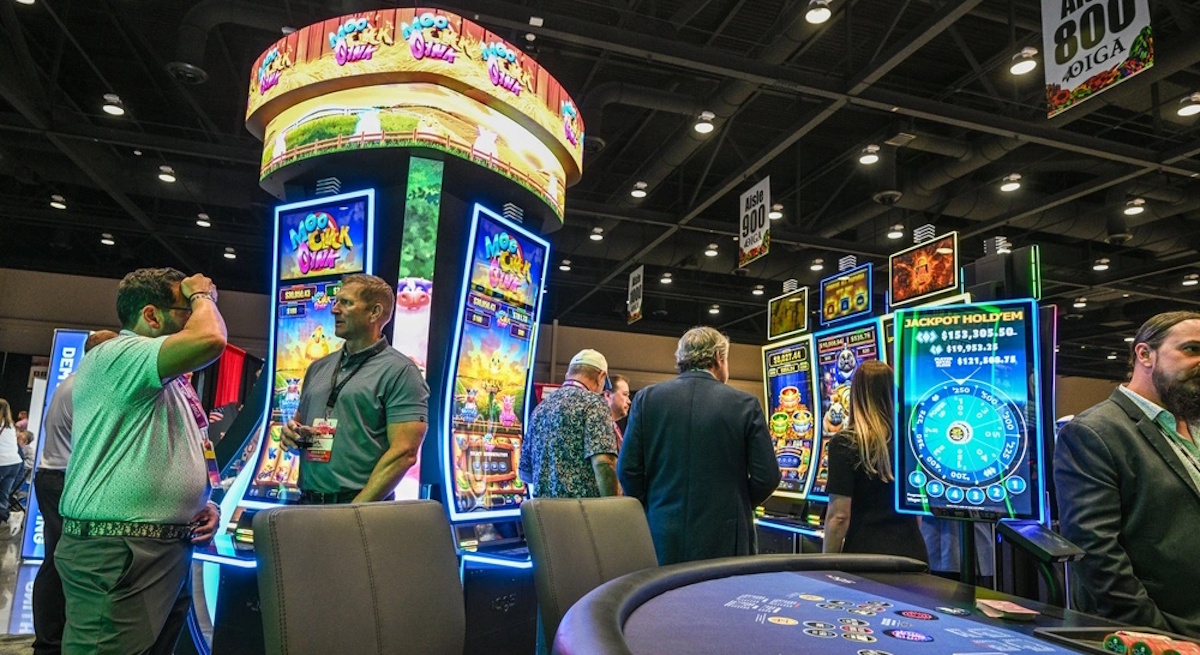
AGS said it will attend the 2026 Oklahoma Indian Gaming Association (OIGA) Conference and Trade Show on July 20-22 at the Oklahoma City Convention Center, where it plans to present new slot content, cabinet updates, and its table progressive platform. The company will exhibit at booth 732.
In a statement, AGS CEO and President David Lopez positioned the show as a homecoming tied to the company’s Class II history in the state. ”Oklahoma is not just another dot on the map for us. It’s where we started and where we learned how to be a true gaming supplier,” Lopez said. “You can’t fake it in Oklahoma. Tribal customers know the games, they know the math, they know service, and they know who shows up every time. That has been great for AGS, because it forced us to get better. It made us more disciplined while keeping us honest. We’ve grown a lot since then – Class III, tables, interactive, offices all over the place – but our history in Oklahoma and Class II is not something we moved on from. It’s part of the AGS engine.”
On the slots side, AGS said its showcase will include the large-format Spectra SL75+ cabinet, which supports the Spectra game library, including premium titles when leased. The company said the cabinet will be used to highlight five new titles: Rakin’ Bacon! Fu Zhu Bao Bao; Rakin’ Bacon! 5 Prosperity Pots; Cash Carriage Looter; Da Da Luo Boom; and Frightful Fortunes Popping Pumpkins.
AGS also outlined its mechanical stepper cabinet Revel®, available in both Class II and Class III, and said its latest Revel portfolio includes Crystal Reels® and Royal Reels®. The company added that Jackpot Legends and So Hot Cash® are set to debut in Class III later this year, with Class II launches following in 2027.
For tables, AGS highlighted its Bonus Spin Xtreme® (BSX) progressive platform, which the company said links table games across the pit and poker room. AGS did not disclose operator deployments, jackpot figures, or performance metrics tied to BSX in the announcement.
The post AGS details OIGA 2026 lineup, including Spectra SL75+ and Revel updates appeared first on EE Gaming | Global iGaming & Tech Intelligence Hub.


Gestionar fondos en múltiples mercados: el cuello de botella oculto que frena el crecimiento del iGaming en América Latina
Argentina, 13 de julio de 2026 – Escalar un negocio de iGaming en América Latina implica gestionar infraestructuras de pago paralelas, fondos de liquidez separados y procesos de conciliación desconectados en cada país. Para los operadores que buscan expandirse a nivel regional, esta fragmentación se ha convertido en un costo tangible: consume tiempo, inmoviliza capital, reduce los márgenes a medida que el negocio crece y aumenta la complejidad operativa con cada nuevo mercado.
Brasil marcó el ritmo con ingresos por 37.000 millones de reales en 2025, el primer año completo del mercado bajo un marco regulatorio, según datos de la Secretaría de Premios y Apuestas (SPA). Argentina, Perú, México y Chile también continuaron atrayendo operadores con estrategias de expansión regional. Sin embargo, en la práctica, estas compañías siguen enfrentándose al mismo obstáculo: infraestructuras financieras que operan de manera aislada, con poca o ninguna interoperabilidad entre sí.
Cada mercado funciona sobre rieles de pago locales sin un equivalente directo en otros países. En Brasil, Pix, incluido Pix Biométrico, representa la gran mayoría de las transacciones, especialmente tras la prohibición del uso de tarjetas de crédito y boletos bancarios para las apuestas. En Argentina, las CVU y las transferencias instantáneas cuenta a cuenta (A2A) impulsan los depósitos y retiros; en México ese rol lo cumplen las transferencias SPEI A2A, mientras que en Colombia corresponde a BRE-B. En Chile, MACH se ha convertido en el método de pago preferido por una gran parte de los jugadores y, en Perú, ese lugar lo ocupa Yape. Ninguna de estas infraestructuras de pago se integra de forma nativa con las demás, lo que significa que un operador presente en todos estos mercados termina administrando una infraestructura financiera independiente en cada uno de ellos.
El impacto va mucho más allá del procesamiento de pagos. Cuando los fondos circulan a través de sistemas desconectados entre distintas jurisdicciones, cada una con sus propias normas fiscales y ciclos de liquidación, los operadores pierden visibilidad en tiempo real sobre su posición de caja. Como consecuencia, decisiones que deberían basarse en información precisa y actualizada terminan dependiendo de consolidaciones manuales y estimaciones.
“Vimos venir este escenario antes que el mercado. A medida que la regulación maduró en Brasil, Argentina, Perú, Colombia y el resto de la región, el mayor desafío para los operadores dejó silenciosamente de ser ‘¿podemos ingresar al mercado?’ para convertirse en ‘¿podemos controlar lo que ocurre dentro de nuestra operación?’. Las operaciones financieras fragmentadas son hoy uno de los principales obstáculos para una expansión regional rentable y el problema se agrava, no se reduce, cuanto más crece una empresa. Los ganadores no se definirán por su presencia geográfica, sino por su capacidad de tener visibilidad, control y una gestión integrada. Esa es la convicción sobre la que se construyó OKTO PAYMENTS: infraestructura de pagos local en cada mercado, con una única capa de control financiero por encima, conectada mediante una sola API para todo el continente”, afirmó Filippos Antonopoulos, fundador y CEO de OKTO PAYMENTS.
Para los proveedores de servicios de pago (PSP), dar soporte a operadores presentes en múltiples mercados requiere mucho más que conectividad con los métodos de pago locales. Exige combinar infraestructura local con una capa centralizada de gestión financiera que proporcione visibilidad en tiempo real sobre los fondos, la conciliación y la liquidez entre distintas jurisdicciones. El objetivo es administrar los pagos no como integraciones independientes por país, sino como un marco unificado de control financiero distribuido en múltiples mercados.
OKTO PAYMENTS fue diseñado precisamente para responder a ese desafío. Los operadores realizan una única integración y acceden a los métodos de pago locales que los jugadores esperan en cada mercado: Pix en Brasil, CVU y A2A en Argentina, MACH en Chile, Yape en Perú, entre otros. Sobre esa infraestructura funciona una única capa de tesorería y conciliación que consolida fondos, liquidez y liquidaciones en una vista unificada y en tiempo real, permitiendo que los equipos financieros dejen de conciliar mercado por mercado para gestionar una única posición regional.
Para los operadores que están planificando o acelerando su expansión regional, OKTO PAYMENTS ofrece una evaluación de su infraestructura financiera para identificar dónde la fragmentación está generando costos hoy, ya sea por capital inmovilizado, demoras en las liquidaciones o pérdida de visibilidad financiera. Para solicitar una evaluación, los interesados pueden contactar al equipo comercial de OKTO PAYMENTS.
The post Expandirse en LatAm: el costo oculto que enfrenta la industria del iGaming appeared first on Americas iGaming & Sports Betting News.
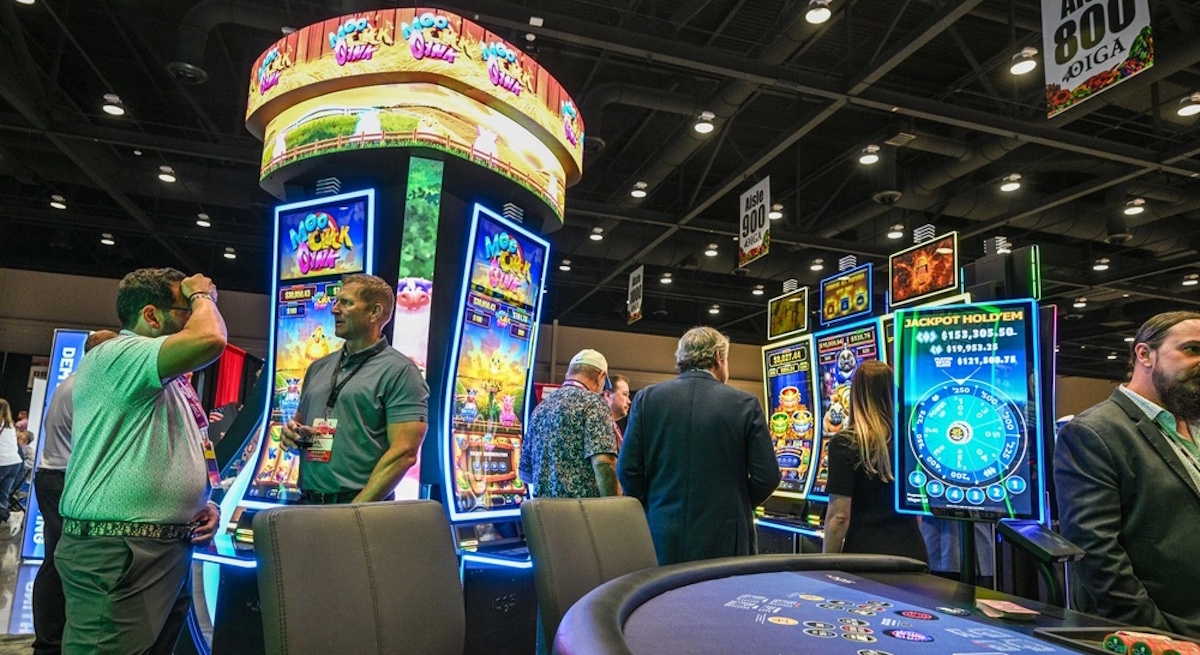
AGS today announced it will be attending the 2026 Oklahoma Indian Gaming Association (OIGA) Conference and Trade Show, taking place July 20-22 at the Oklahoma City Convention Center.
With deep seated roots in Oklahoma, where AGS was founded and where its primary warehouse and production facility is located, AGS is eager to return to OIGA with a continued commitment to serving the needs of tribal operators.
”Oklahoma is not just another dot on the map for us. It’s where we started and where we learned how to be a true gaming supplier,” said David Lopez, CEO and President of AGS. “You can’t fake it in Oklahoma. Tribal customers know the games, they know the math, they know service, and they know who shows up every time. That has been great for AGS, because it forced us to get better. It made us more disciplined while keeping us honest. We’ve grown a lot since then – Class III, tables, interactive, offices all over the place – but our history in Oklahoma and Class II is not something we moved on from. It’s part of the AGS engine.”
The Company’s product showcase will include the large-format, specialty cabinet Spectra SL75+. Designed to support the entire Spectra game library, including premium titles when leased, Spectra SL75+ gives operators added flexibility to mix and match content to fit their unique casino floor.
The cabinet acts as the perfect canvas to highlight five new titles including Rakin’ Bacon! Fu Zhu Bao Bao and Rakin’ Bacon! 5 Prosperity Pots, Cash Carriage Looter, Da Da Luo Boom, and Frightful Fortunes Popping Pumpkins.
AGS’ high-performing mechanical stepper cabinet Revel® – available in both Class II and Class III – is redefining the category by blending traditional mechanical gameplay with video-inspired features, creating an engaging experience for all player types. The latest Revel portfolio includes Crystal Reels® and Royal Reels®, available in both Class II and Class III. Expanding the lineup, Jackpot Legends – a new cash-on-reels title featuring an exciting Jackpot Bonus Wheel – and So Hot Cash®, which delivers classic stepper gameplay and can be linked to the So Hot Grand progressive, are set to debut in Class III later this year, with Class II launches following in 2027.
On the table side, AGS’ award-winning progressive platform Bonus Spin Xtreme® (BSX) has been hugely successful in turning small side bets into massive jackpots throughout the tribal casino market. Linking all table games – from the pit to the poker room – BSX has been elemental in allowing operators to offer the flexibility at the tables to make these life-changing wins become more common.
AGS’ participation in OIGA reflects the Company’s history in Oklahoma and its longstanding commitment to the tribal gaming community. More than a trade show presence, OIGA is an opportunity for AGS to reconnect with valued partners, strengthen relationships, and reaffirm its respect for the Oklahoma Tribes that have played such an important role in the Company’s growth.
Attendees are invited to visit AGS at booth 732 throughout the show.
For more information, visit newsroom.playags.com.
©2026 AGS LLC. All® notices signify marks registered in the United States. All notices signify trademarks which are currently not registered on any country-wide basis. Products referenced herein are sold by AGS LLC or its affiliates.
The post AGS Reflects on Their Class II Roots at OIGA 2026 appeared first on Americas iGaming & Sports Betting News.

-

 Latest News7 days ago
BetMakers Technology Group Selected to Distribute ATG Horse Racing Content Across Australia and New Zealand
-
Compliance Updates7 days ago
ACMA Warns MMA Fighter Jamie Mullarkey for Breaches of Online Gambling Laws
-
 Compliance Updates4 days ago
Arizona Department of Gaming Issues Cease-and-Desist Orders to Multiple Operators Linked to Underage Gambling and Illegal Activity
-
Latest News6 days ago
PG Soft appoints Hugo Baungartner as General Manager LatAm
-
Canada7 days ago
Gaming Corps expands Entain partnership with major Canadian rollout
-
Latest News7 days ago
DEGEN Studios unleashes the Plague City chase
-
Compliance Updates5 days ago
KONAMI GROUP’s Konami Gaming Inc. First to Submit Manufacturer License Application in Japan’s Emerging IR Market
-
Latest News6 days ago
ELA Games releases Flames Fruits Frenzy Hold and Win slot