Canada
PIXBET expands online casino offer in the Brazilian market with the launch of Pix Roulette

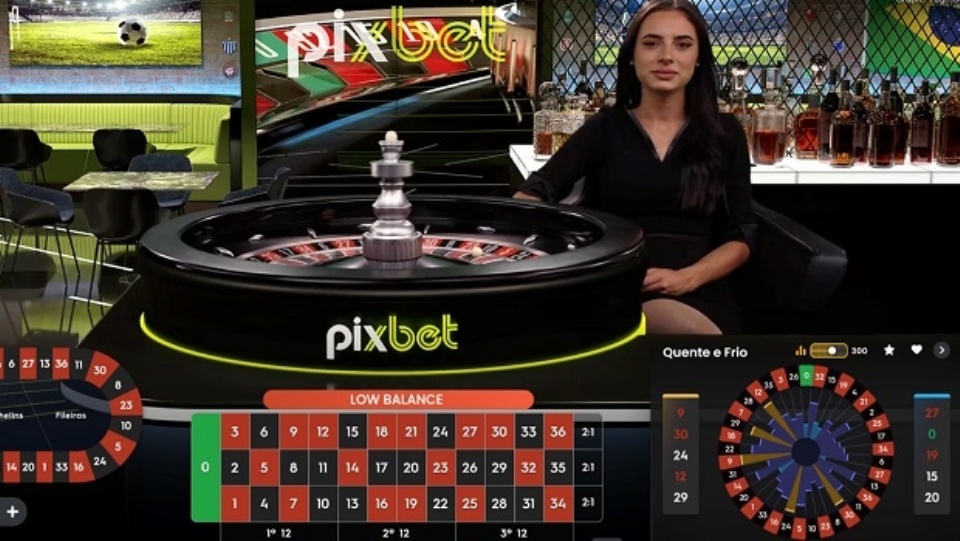
With an increasingly prominent role in the sports betting and online gaming segments, PIXBET remains committed to promoting the national industry and providing new entertainment options for Brazilian players. This time, the company is introducing a novelty for punters who want to feel the thrill of playing in a live environment with a real dealer and all the glamorous atmosphere of a real casino!
So if you like to gamble or want to experience the feeling of being in a real casino, the brand new PIX ROULETTE is the perfect choice! This is a product designed to captivate the Brazilian public and offer a unique experience, live and full of emotion! After all, the new PIXBET release takes the player straight into the action in a live environment with excellent graphics and a real roulette wheel to multiply your luck!
In this way, the player can have fun right now with PIX ROULETTE on mobile, tablet or computer – the choice is yours! With easy navigation and a wide variety of markets, the customer can register on the site with a few clicks and enjoy all the bonuses, promotions and vast entertainment offered by PIXBET.
In a statement, the company emphasizes that it seeks to evolve daily to provide the best gaming experience and customer service in the sector, in addition to the main forms of payment in operation in Brazil. Always pointing out that PIXBET has the fastest withdrawal option in the world, via PIX!
In addition, the player can now have so much fun with PIX Roulette in the area dedicated to the online casino in events of numerous sports. Currently, PIXBET is recognized as the sports betting house that most sponsors football clubs in Brazil and covers the most relevant competitions in Brazil and abroad.
Therefore, the customer can bet on the matches of their favorite team or on the matches of their favorite competition, following everything in a much more exciting and engaging way. It does not stop there! Recently, PIXBET added a section entirely focused on the coverage of eSpors championships, a segment that is growing daily and has millions of fans all over Brazil!
Powered by WPeMatico


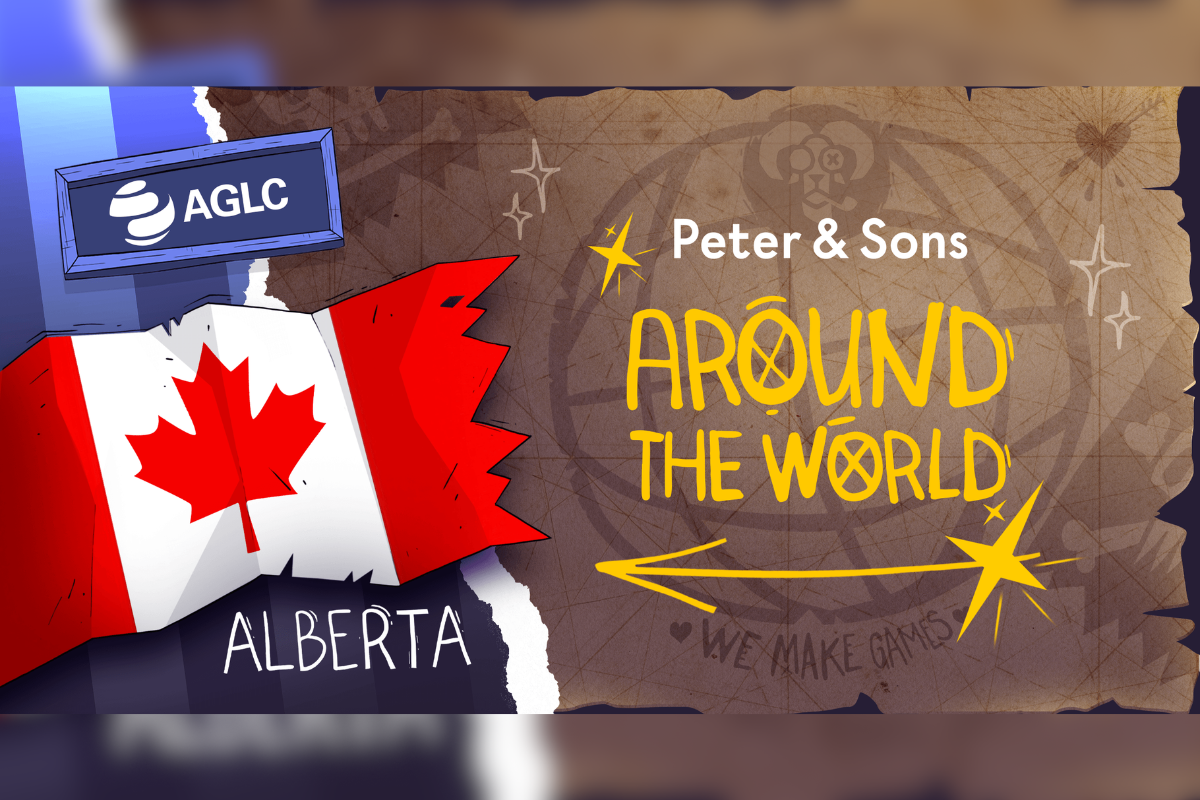
Peter & Sons has launched in Alberta with its full game portfolio, extending the Barcelona-based iGaming studio’s North American expansion.
The company said the Alberta rollout brings its complete catalogue to a market it described as “one of Canada’s most closely watched,” as the province continues to develop its regulated online gaming framework.
Peter & Sons said Alberta players will have access to titles including Barbarossa: Dragon Empire, The Soapranos and Greedy Alice.
Lauryn Duncan, Head of Sales at Peter & Sons, said: “Alberta is an exciting new market for Peter & Sons and an important step in our North American growth. Launching with our full portfolio gives us the chance to introduce the complete Peter & Sons experience from day one, from the art and characters to the mechanics and worlds that define our games. It is a market with strong potential, and we are proud to bring our games to players there.”
The post Peter & Sons launches full game portfolio in Alberta appeared first on EE Gaming | Global iGaming & Tech Intelligence Hub.
Innovative iGaming studio Peter & Sons has entered Alberta with its full game portfolio, marking another major step in the studio’s regulated North American expansion.
The launch brings Peter & Sons’ complete catalogue to one of Canada’s most closely watched iGaming markets, as Alberta continues to develop its regulated online gaming framework. Following the growth of Ontario’s regulated model, Alberta represents an important new chapter for suppliers looking to build long-term presence across Canada.
Alberta offers a strong opportunity for Peter & Sons, combining a clear regulatory direction with a growing appetite for high-quality digital casino content. Players in the province will gain access to the studio’s full portfolio, from visually distinctive slots and recognizable characters from games like Barbarossa: Dragon Empire, The Soapranos, Greedy Alice and many others.
Renowned for its creative direction and distinctive approach to game development, Peter & Sons continues to expand across regulated markets worldwide. The Alberta entry reflects the studio’s commitment to growing its North American footprint while bringing its complete catalogue to markets where originality, performance, and player engagement all matter.
Lauryn Duncan, Head of Sales at Peter & Sons, said: “Alberta is an exciting new market for Peter & Sons and an important step in our North American growth. Launching with our full portfolio gives us the chance to introduce the complete Peter & Sons experience from day one, from the art and characters to the mechanics and worlds that define our games. It is a market with strong potential, and we are proud to bring our games to players there.”
The post Peter & Sons Enters Alberta with Full Game Portfolio appeared first on Americas iGaming & Sports Betting News.
Gaming Corps has launched its online casino content with bet365 in Alberta on the first day of the province’s regulated market opening on 13 July 2026, while also expanding its content distribution with the operator in Ontario and Spain.
The Sweden-based game developer said it is among the first wave of studios fully certified for Alberta’s newly regulated market. Gaming Corps will support bet365’s Alberta entry with more than 50 games at launch, spanning Slots, Table, Plinko, Mine Games and Instant Blitz.
As part of the expanded partnership, Gaming Corps said bet365 will also gain access to its football-themed titles, including Penalty Champion: Goals to Glory, and its 3 Pigs franchise, including 3 Pigs of Olympus, 3 Pigs of Olympus 2: Rise of the DemiHog, and 3 Pigs of the Caribbean.
The rollout also includes Gaming Corps’ Low RTP Blackjack titles, which the company said are designed around 93.57% RTP and approximately 6% operator hold, with flexible branding options and side-bet mechanics.
Graham Greensmith, Chief Commercial Officer at Gaming Corps, said: “Extending our partnership with bet365 across Spain, Ontario and Alberta is a major moment for Gaming Corps, but Alberta is the real statement here. Going live with bet365 from day one reflects the work our teams have put into certification, onboarding and ensuring we can move quickly and confidently with major operator partners.
“As one of the earliest studios ready for Alberta, we’ll be bringing more than 50 titles to the province. That breadth matters, because it gives operators like bet365 a single partner across multiple verticals, with content designed to support acquisition, engagement and retention across different player segments. Spain and Ontario are also important regulated markets for us and expanding with a global operator of this scale highlights how far Gaming Corps has come in a short period of time.”
Richard Graham, Associate VP of Gaming at bet365at bet365 said: “Gaming Corps has become a valuable content partner, combining recognisable game identities with formats that add variety across our casino offering. We are pleased to extend the partnership into Spain, Ontario and Alberta, with the Alberta launch particularly important as part of our day-one commitment to the market.
“Expanding the relationship across multiple territories in a relatively short period reflects the strength of the collaboration, as well as the Gaming Corps team’s clear product direction, commitment and continued development as a game vendor. We look forward to giving players access to a wide-ranging portfolio from the moment the market opens.”
The post Gaming Corps goes live with bet365 in Alberta on day one of regulated market appeared first on Americas iGaming & Sports Betting News.

-

 Compliance Updates6 days ago
Arizona Department of Gaming Issues Cease-and-Desist Orders to Multiple Operators Linked to Underage Gambling and Illegal Activity
-
 Compliance Updates6 days ago
KONAMI GROUP’s Konami Gaming Inc. First to Submit Manufacturer License Application in Japan’s Emerging IR Market
-
Latest News6 days ago
Enjoy Gaming Builds on Slot success with Diamond Slam: Xtra Power
-
Latest News6 days ago
Weekend Reels | Week 28: Slot Drops & Trends
-
Compliance Updates6 days ago
Spillemyndigheden Publishes Report on Illegal Gambling
-
Canada6 days ago
High 5 Games Expands Across Alberta’s Open iGaming Market Following AGLC Supplier Approval
-
Compliance Updates6 days ago
TaDa Gaming Accelerates LatAm Growth with Peru Licence Approval
-
Compliance Updates6 days ago
Arizona regulator orders five operators to stop alleged illegal gambling activity