gaming habits
Slotozilla Conducts Study on Psychology of Gambling

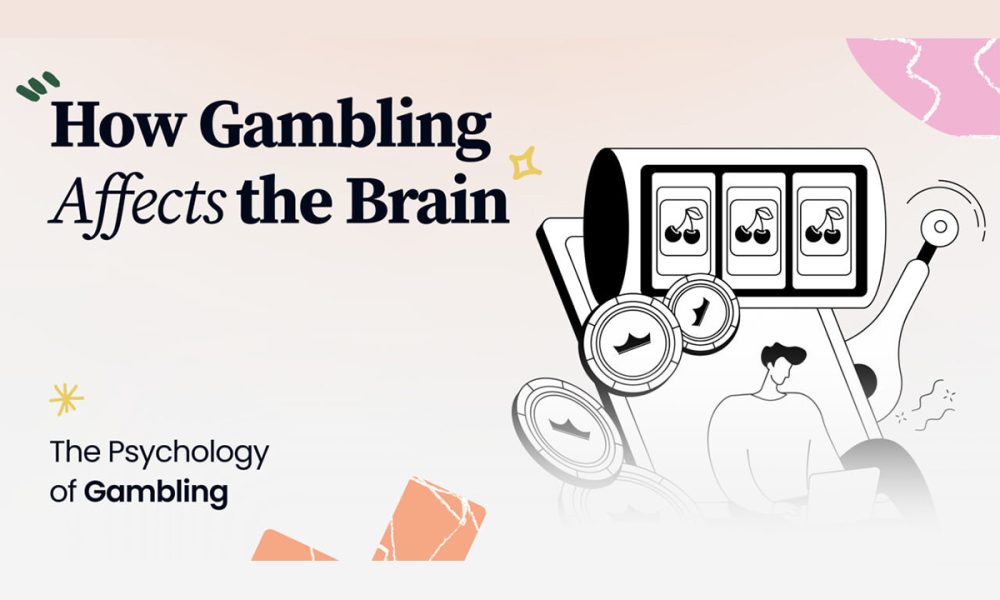
Slotozilla has conducted a study on the psychology of gambling, uncovering the hidden influences that shape player behavior. The latest study offers fresh insights into the cognitive and emotional triggers behind gambling decisions, shedding light on the psychological mechanisms at play.
Statistical data combined with psychological analysis show how gambling activates the brain’s reward center and releases dopamine, which is associated with pleasure and motivation. Key findings include:
• 49% of Americans participated in some form of gambling in the past year.
• 26% visited a casino, while 20% placed a sports bet.
• Near wins stimulate the brain similarly to actual victories, leading to an increase in bet size by 3.28 credits and a faster spin time of 0.66 seconds after a near-miss.
Cognitive biases play a crucial role in gambling behavior. The illusion of control leads players to believe their choices impact random outcomes, while the gambler’s fallacy makes them think a losing streak must end with a win. These biases create a compelling yet sometimes deceptive gaming experience.
Additionally, gambling can impact emotional well-being. The study found that gambling initially increases pleasure and excitement, but as play continues, it can lead to stress, financial problems, and even addiction. The six stages of gambling-related mood changes include:
• Initial Excitement: A rush of pleasure from the thrill of winning.
• Return to Natural Mood: The excitement fades, leading to repeated play.
• Increased Stress: Frequent gambling creates financial and emotional burdens.
• Loss of Enjoyment: Gambling no longer feels as thrilling.
• Lowered Mood and Depression: Gambling fails to bring joy, affecting everyday life.
• Lost Ability to Enjoy Normal Activities: Emotional health declines significantly.
Pathological gambling alters two main brain areas:
• Ventromedial Prefrontal Cortex (vmPFC): Influences decision-making and risk-taking.
• Striatum: Shows increased activity even during losses, reinforcing the urge to keep playing. While casual gamblers experience normal brain activity, problem gamblers develop a rewired reward system, responding to losses and near-misses as if they were wins. In the US, 1-4% of adults are estimated to have gambling-related problems
Slotozilla believes that understanding the psychology behind gambling is essential for players, operators, and regulators alike. With responsible gaming at the core of their mission, the aim of Slotozilla is to provide insights that help players make more informed decisions and recognize the factors influencing their gaming habits.
The post Slotozilla Conducts Study on Psychology of Gambling appeared first on Gaming and Gambling Industry in the Americas.














-

 Affiliate Industry6 days ago
Hub Affiliations Triumphs at the iGB Affiliate Awards 2026: Winner of Programme/Network Campaign of the Year
-
Austria6 days ago
Austrian Brand Value Study: NOVOMATIC Defends Top Ranking
-
Latest News6 days ago
N1 Partners at iGB L!VE 2026: Bringing Together Affiliates, Art and Innovation
-
Amusnet6 days ago
Amusnet Releases its Latest Video Slot “Golden Snake”
-
Africa6 days ago
PopOK Gaming sponsors Botswana’s TT Cup Challenge horse racing event
-
Betsson CEO Pontus Lindwall6 days ago
Gaming in the Nordics launch event sets annual Copenhagen conference from 2027
-
Azerbaijani Parliament6 days ago
Azerbaijan to Impose Tougher Penalties for Illegal Online Gambling
-
Amusnet6 days ago
Weekend Reels | Week 27: Slot Drops & Trends